
Training the next generation to protect Amazonian culture
The Ayudar Diploma Scholars Programme
Professor José Iriarte
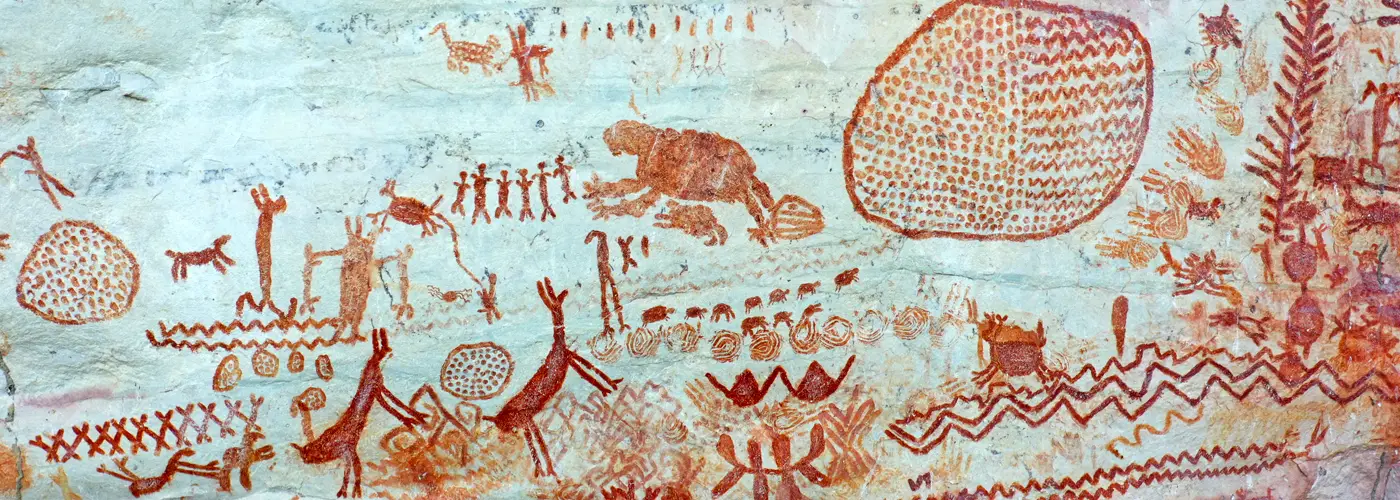
Deep in the Colombian Amazon, ancient rock paintings cover towering cliff faces, a powerful visual record of early human life, belief, and deep connection to the rainforest. But for the local communities living alongside this heritage, these images are also a path to a sustainable future.
Since Colombia's peace process was signed in 2016, the rock art of Serranía de la Lindosa has become a driver of positive social change.
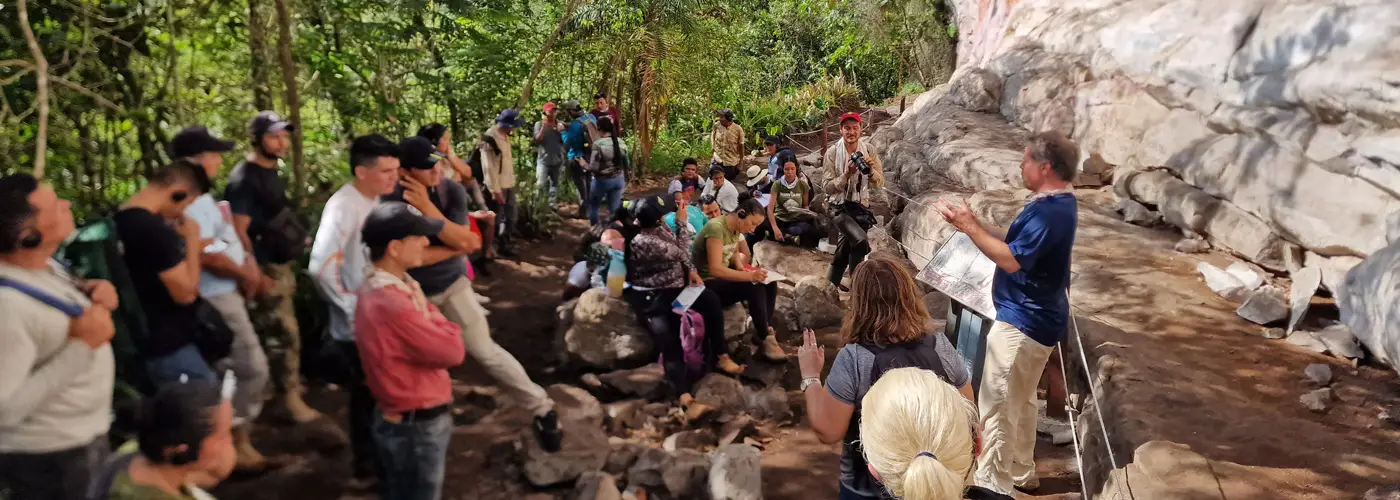
Tourism provides an economic alternative for more than 100 families, a livelihood away from coca cultivation, deforestation, or joining armed groups. Until recently, local guides had little access to formal training, since there are still no universities in the region.
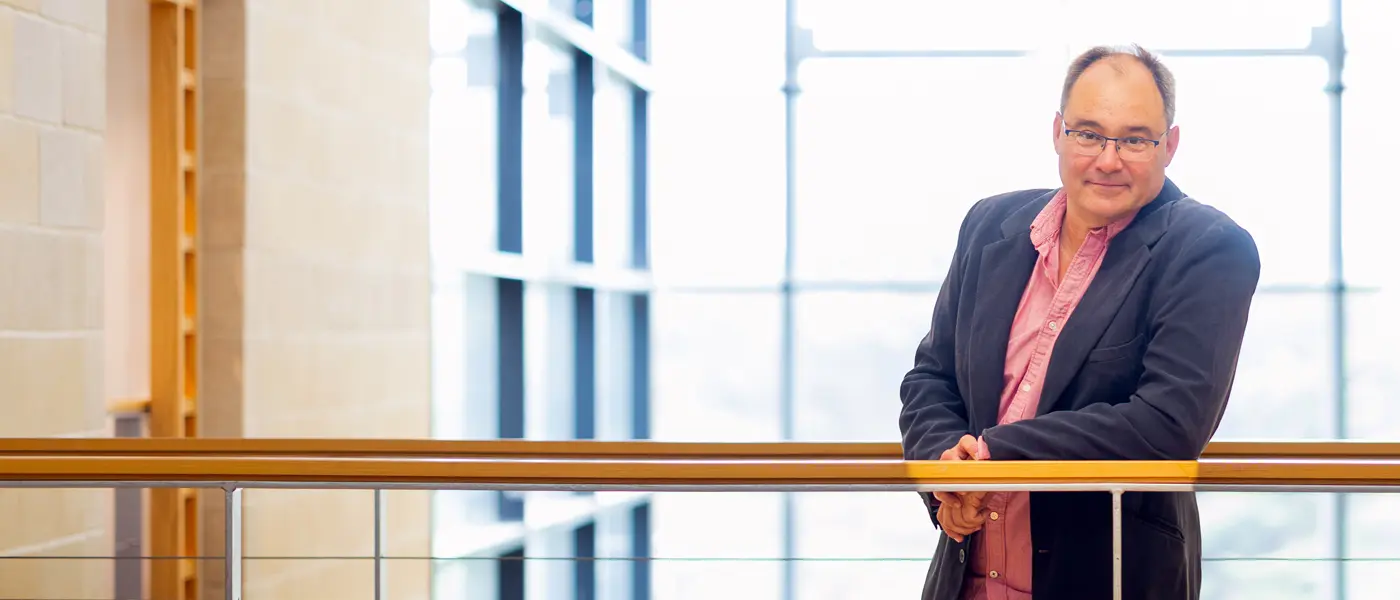
Professor José Iriarte, an archaeologist at the University of Exeter, has been working to change that. His work has been shaped by the simple but urgent challenge of enabling local communities to protect their heritage while building sustainable livelihoods. With funding from alumnus Gerry Brown and his wife Clemencia Posada-Brown, the Ayudar Diploma Scholars Programme is an initiative that empowers local people to become guardians of their own heritage in San José del Guaviare.
Gerry and Clemencia's philanthropy also extended to funding MA Archaeology scholarships for Colombian students at Exeter. The first MA scholar, Sergio Albeiro González Avendaño, completed his degree with distinction in 2024, focusing his research on where the rock art at Cerro Montoya and Serranía de La Lindosa came from and what makes it unique.
Since September 2026, new MA scholars have undertaken research applying Artificial Intelligence to compare rock art motifs across the Amazon – a groundbreaking approach that could unlock new understanding of early human migration and belief systems.
The programme is also expanding the Cultural Heritage Management Diploma, first co-created by José with colleagues from the University of Antioquia, the National University of Colombia, the Secretariat of Culture and Tourism of Guaviare, the Geographical Society of Colombia, and local partners. This training equips local people – many of them rural and Indigenous community members – to protect, manage, and share their rock art while building sustainable livelihoods.
The impact is already being felt on the ground. One graduate, Diana Vera, said the diploma gave her "a new beginning" – a deeper understanding of her ancestral heritage and a greater sense of belonging. Another, Andrea Carvajal, now guides tourists to the paintings and dreams of becoming an archaeologist - "Cerro Azul finally has a future," she says.
“The paintings need the people, and the people need the paintings,” says José. “Thanks to the vision and generosity of Gerry and Clemencia, we can ensure that both will thrive for generations to come. This programme is not just about training – it is about creating a lasting legacy for the Amazon and its people.”