
Feeding the comeback of Atlantic bluefin tuna
Understanding the return of an ocean giant
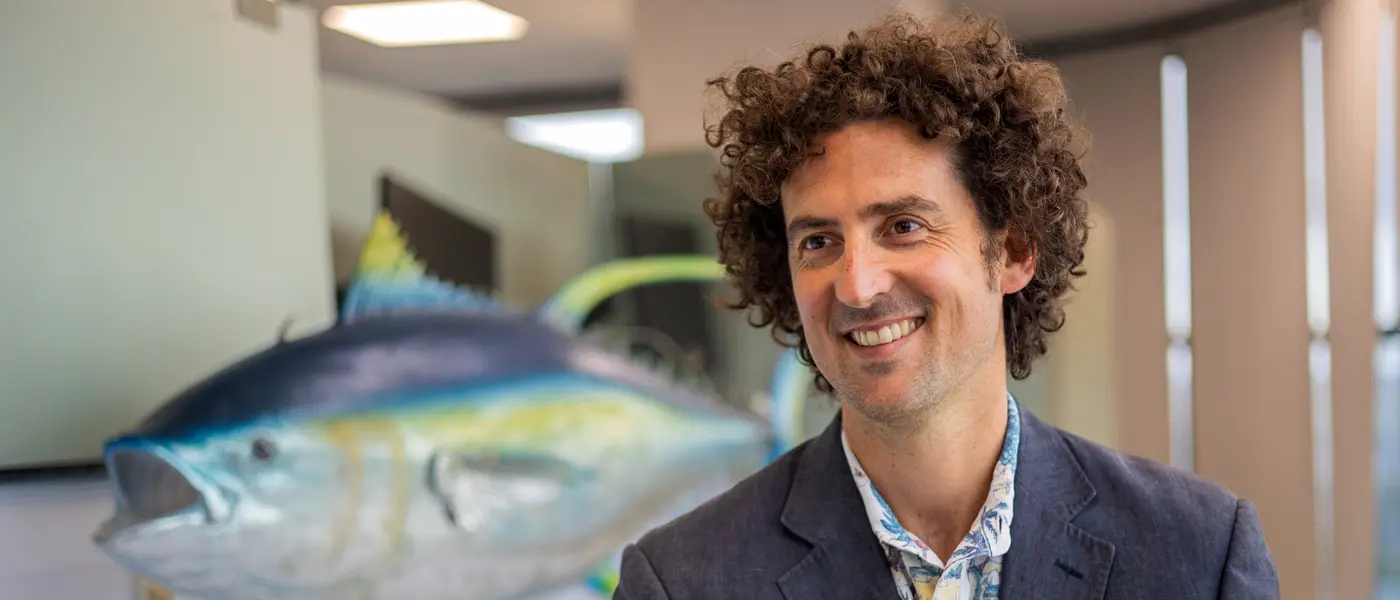
Dr Tom Horton
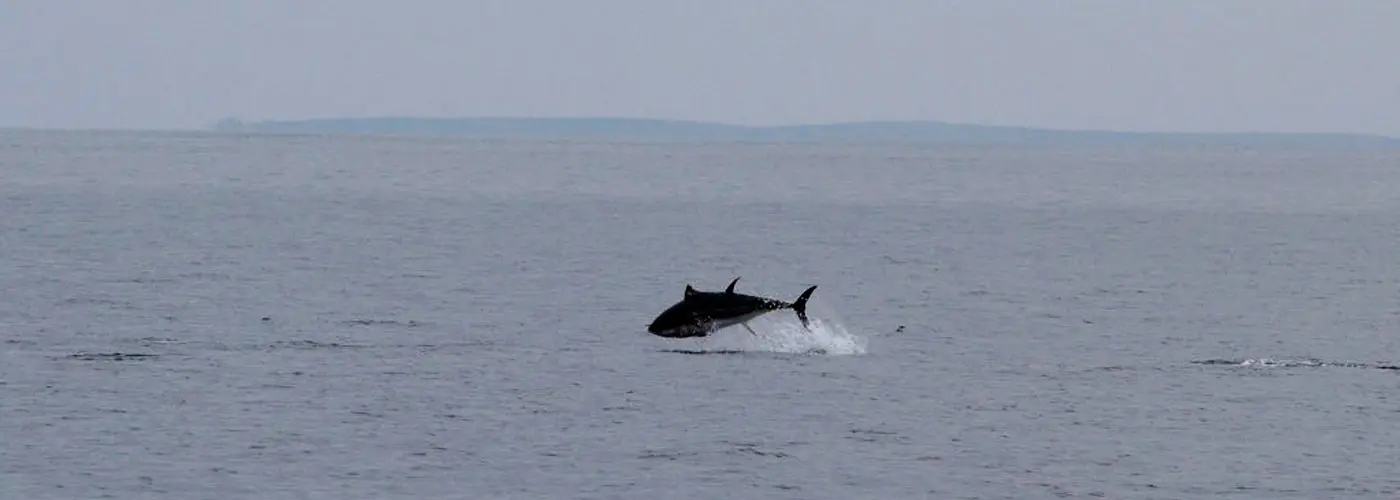
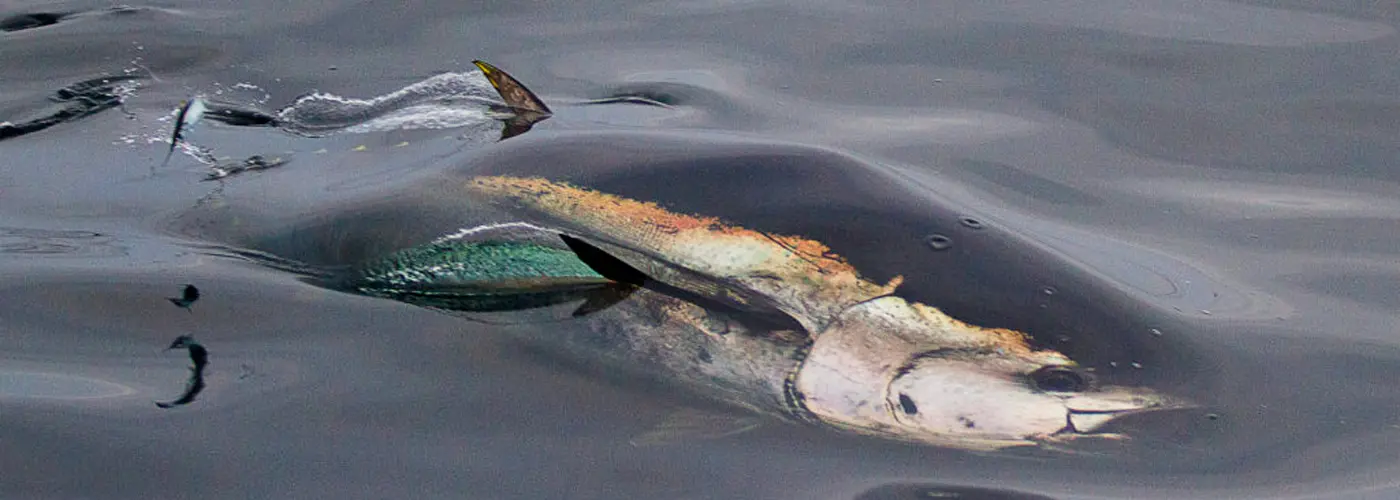
Each summer, Atlantic bluefin tuna return to the waters off Devon and Cornwall. Once driven from UK seas by decades of overfishing, declining prey populations and environmental change, their reappearance is one of the most remarkable marine conservation success stories of recent years.
Yet despite their growing numbers, researchers are still working to understand the factors behind their return and what these waters mean for the species' future.
Dr Tom Horton and his team are leading research to better understand the factors driving the bluefin tuna's return. Supported by generous donors and working closely with fishers, fisheries managers, local authorities and conservation organisations, the project is uncovering what bluefin tuna are feeding on and why our waters have once again become an important seasonal feeding ground.
By analysing samples collected from tuna caught as part of the UK's commercial fishery, the team has built one of the first detailed pictures of bluefin tuna diet in UK waters. Early findings reveal that small shoaling fish, particularly sprat, sardines and anchovies, form a significant part of their diet, alongside species such as garfish and squid. The research identified 19 different prey species, highlighting the rich and varied food web that supports these apex predators.
Understanding what bluefin tuna eat is about much more than satisfying scientific curiosity. The health of tuna populations is closely linked to the health of the wider marine ecosystem. If the abundance of key prey species declines through environmental change or over-exploitation, the tuna may once again disappear from our shores. By identifying the species most important to their survival, the research provides valuable evidence to inform fisheries management and marine conservation decisions.
The work is also helping to strengthen collaboration between researchers and the fishing industry. Building on the project's early success, the team plans to expand sampling, undertake advanced DNA metabarcoding analysis and continue working alongside fishers to develop an even clearer understanding of how bluefin tuna interact with the marine environment.
“The return of bluefin tuna to our waters is a wonderful thing. It brings significant ecological and societal benefits, and we want to make sure they are here to stay for the long term,” says Tom Horton.
This work would not have been possible without the generous support of the Devon Environment Foundation, The Fishmongers' Company's Fisheries Charitable Trust, Wildstar Foundation, Cornwall Council, Act 4 Wildlife and Crowdfunder.