
A simple blood test to save lives
The Hideko Walton postdoctoral fellowship in cancer diagnosis
Professor Sarah Bailey
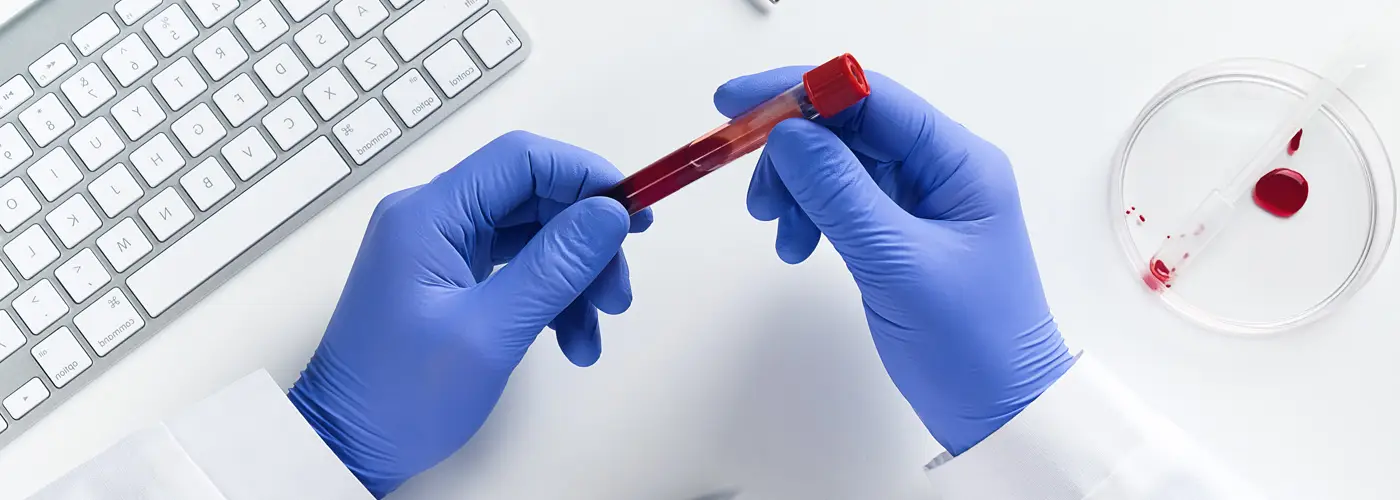
Each year, the Royal Devon University Healthcare NHS Foundation Trust processes 500,000 routine blood tests taken by GPs. These tests already include a platelet count, tiny blood cells that help the body form clots to stop bleeding.
But a high platelet count can sometimes be an early warning sign of certain cancers, including lung and bowel cancers.
The challenge has always been knowing what "high" really means. Platelet levels vary naturally with age and sex, meaning a one-size-fits-all threshold can miss those at risk or trigger avoidable referrals and tests for those who are not.
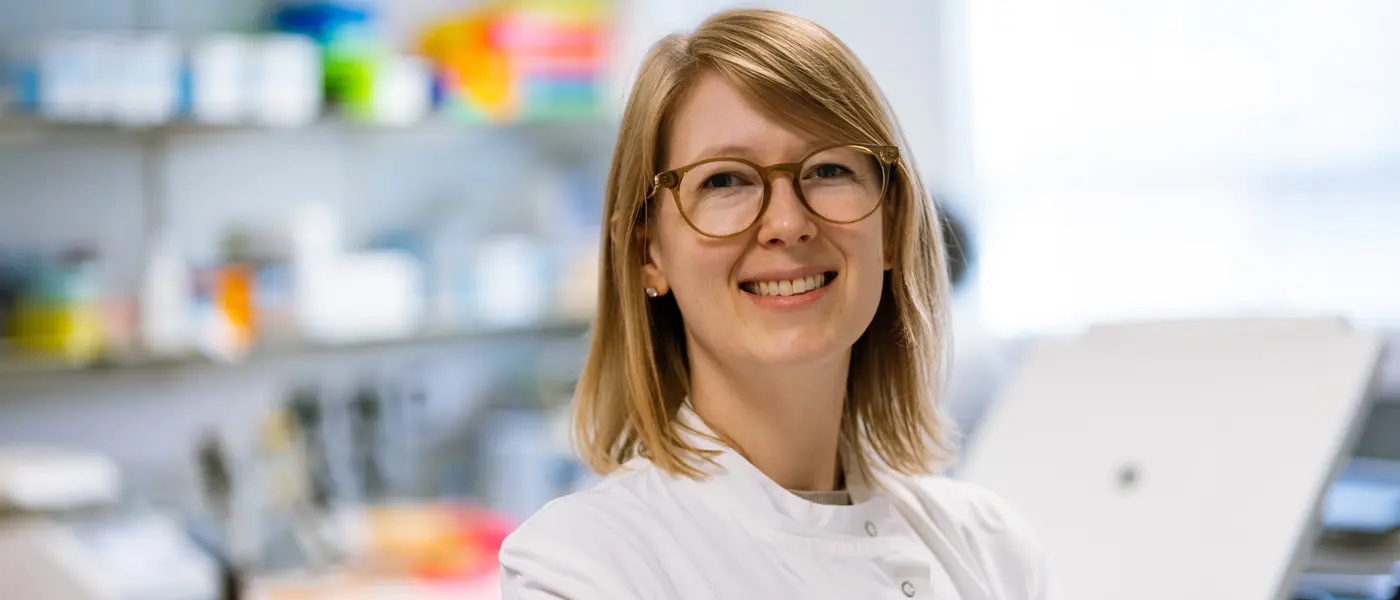
Professor Sarah Bailey's work has been shaped by a central question: how can we help GPs spot cancer earlier using existing tests? Her line of enquiry was made possible by the support of philanthropist David Walton.
The result is HELP Flag: an algorithm that applies personalised age and sex specific thresholds to routine platelet counts, flagging for GPs those patients who may be at elevated risk of undiagnosed cancer.
With funding from David, Sarah’s team was able to develop the innovation and pilot it in five GP practices in Devon. In October 2025, HELP Flag was extended to all 60 GP practices across Exeter, East Devon, and North Devon.
The project has also launched in Liverpool – the first site outside the South West.
The impact is already being felt on the ground. A GP from a Liverpool surgery shared: “About a month ago our pharmacist tapped on my door and noticed your platelet flag on a medication review and wasn't sure what to do. We discussed a plan – and yes, [the patient] did have underlying cancer. This would not have been picked up at this stage had it not been for your platelet flag. So, your work directly influences my day-to-day clinical work and that of my staff.”
If rolled out across the NHS, experts believe it could flag up to 10,000 patients a year who have a raised platelet count before their cancer diagnosis, enabling earlier investigation and treatment.
“This research really is a win-win for improving cancer diagnosis” says Professor Tim McDonald, Clinical Director for Pathology at the Royal Devon University Healthcare NHS Foundation Trust. “It's actually very simple for us to add to the routine tests we're already conducting, and we hope it will mean that GPs can catch cancer in some patients earlier, which we know leads to the best outcomes.”

The team is now conducting a full clinical and health economic evaluation, alongside a qualitative programme to understand when and how HELP Flag works, and when it doesn't, so the approach can be further refined.
The work that Sarah and her team are now leading would not have been possible without the early vision and generosity of David Walton. His support accelerated the proof-of-concept work that unlocked further investment and demonstrated how philanthropic backing can help turn a simple idea into a project with the potential to transform early cancer detection across the NHS.