
Smarter solutions to prevent marine bycatch
The Oceankind marine conservation programme
Dr Phil Doherty & Professor Brendan Godley
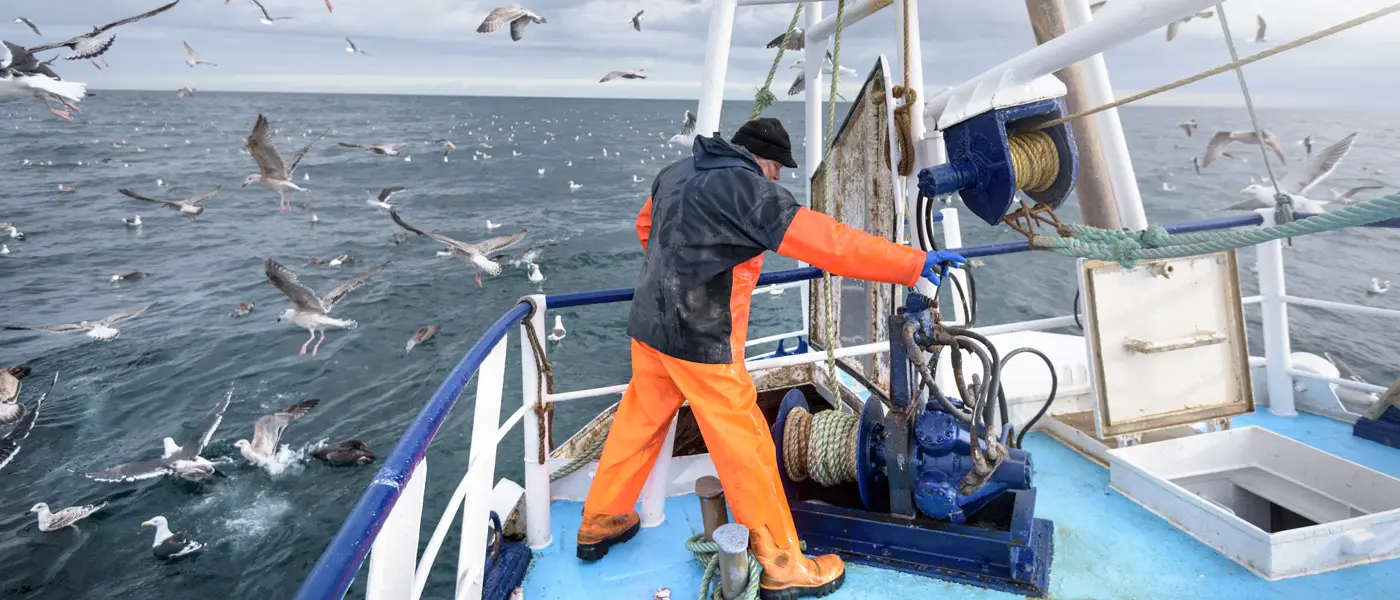
Fishing is essential for food security, livelihoods, and coastal communities, but there is a hidden cost. Each year, millions of turtles, sharks, seabirds, and cetaceans are caught accidentally in fishing gear. This 'bycatch' is one of the greatest threats to marine biodiversity, particularly for slow breeding, long-lived species already struggling to survive.
Dr Phil Doherty's work has been shaped by a central question: how can we make fishing more sustainable without damaging livelihoods? His research is supported by Oceankind, a US-based charity.
The result is a suite of innovative mitigation bycatch devices, tailored to specific fisheries, species, and regions.
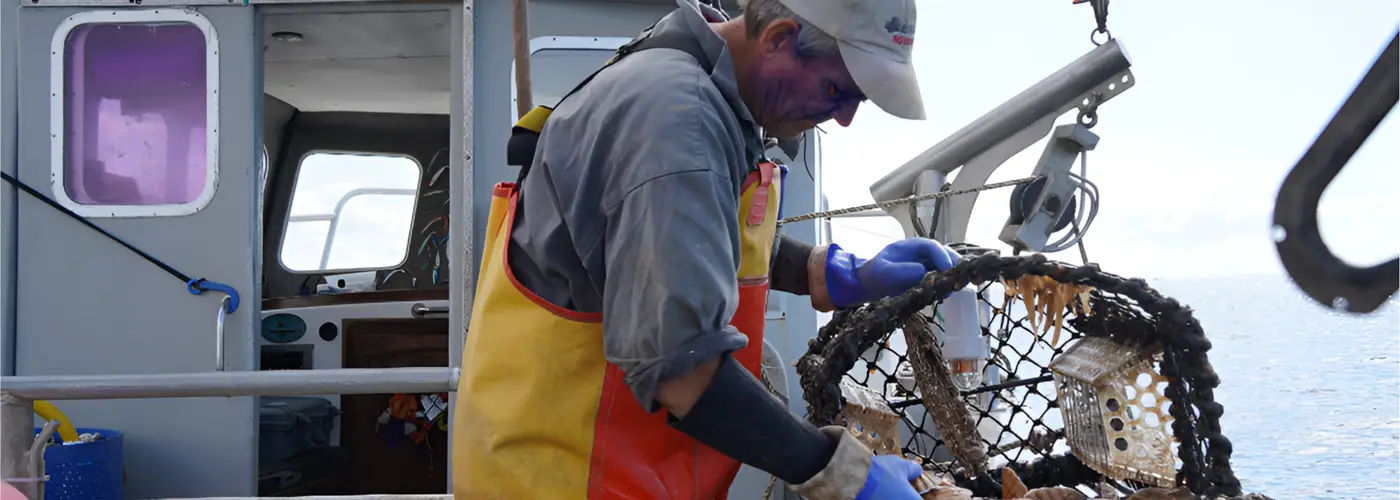
Image credit: FishTek Marine
Working in partnership with Fishtek Marine, local NGOs, and agencies, Phil and his team have co-developed technologies, spanning species and geographies:
- Sharks and rays: The SharkGuard device, nominated for the Earthshot Prize, uses electrical pulses to overstimulate sharks' unique sensory organs, deterring them from taking baited hooks. Trials in a French tuna longline fishery showed a 91% reduction in blue shark bycatch and a 71% reduction in pelagic stingray bycatch.
- Turtles and small cetaceans: Simple LED lights attached to gillnets have proven remarkably effective. In Peru, illuminated nets reduced turtle bycatch by 74% and dolphin and porpoise bycatch by 71%. In Cyprus, flashing LEDs reduced bycatch by 42%, while also cutting batoid (ray) bycatch by 50%.
- Seabirds: LEDs also reduced seabird bycatch in Peruvian gillnets by 85%. More recently, the team has been trialling two new mechanical devices; Looming Eye Buoy and ScaryBird to deter seabirds from set nets in UK waters.
- Cetaceans: Acoustic deterrents, or 'pingers', have been trialled to reduce harbour porpoise bycatch. Research showed porpoises were 37% less likely to be present when pingers were active, with no long-term displacement effects, addressing a key concern for fishers and regulators.
- Scallops: Perhaps the most unexpected discovery came when researchers found that scallops are attracted to illuminated crustacean pots. This finding has created a pathway to a new, low-impact fishing method that offers an alternative to seabed-damaging dredges.
“This research really is a win-win” says Phil,
“We're finding ways to reduce bycatch of vulnerable species while helping fishers operate more sustainably. When a solution works for both conservation and livelihoods, that's when real change happens.”
The evidence generated has driven widespread adoption. LED devices are now being distributed and used in eight countries, including Mediterranean set-net fisheries and the USA and Canadian west coast pink shrimp trawl fishery. Acoustic deterrents are actively deployed in Norway, Uruguay, Argentina, Iceland, Peru and the USA.
The scallop discovery has captured public imagination, inspiring the creation of 'Disco Scallop', a new enterprise dedicated to supplying illuminated pot-caught scallops. The company was named Food Innovation Winner at the BBC Food & Farming Awards 2025.
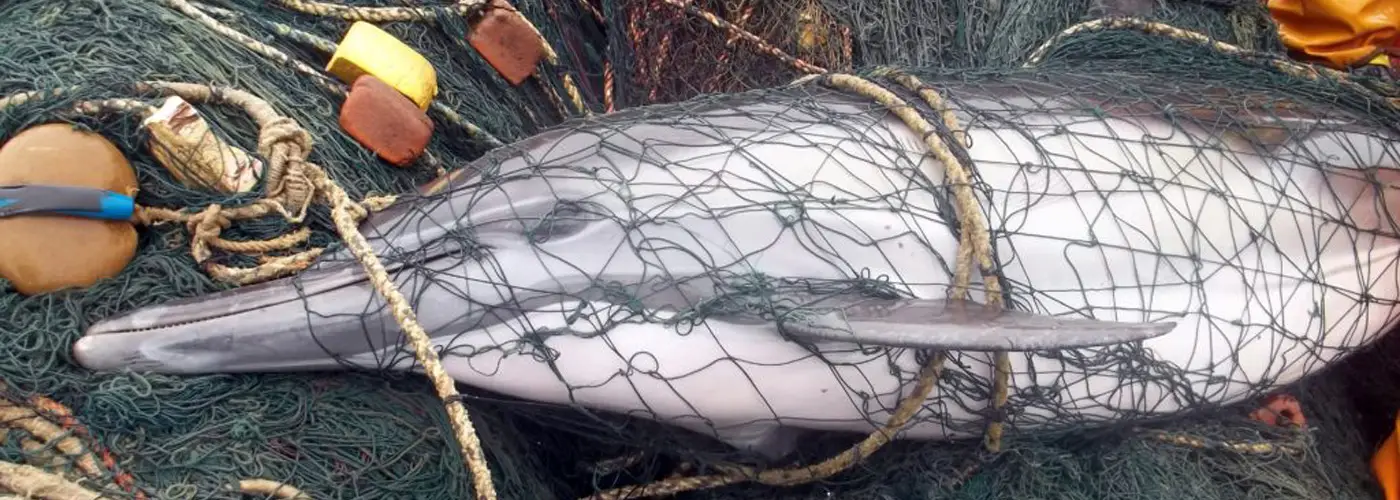
Image credit: Fishtek Marine.
The work that Phil and his team are now leading would not have been possible without the foresight and generosity of Oceankind.
Their support accelerated the proof-of-concept work that unlocked further investment and demonstrated how philanthropic backing can help turn innovative ideas into practical tools that are making fisheries more sustainable, one device, one fishery, one community at a time.