
A new approach to the treatment of peripheral neuropathy
The Bateman Family professorship in peripheral neuropathy
Dr Lianne Wood
Peripheral neuropathy is a life-changing condition caused by damage to nerves outside the brain and spinal cord, that can stem from inherited conditions like Charcot-Marie-Tooth disease, injury, chemotherapy, or nutritional deficiencies. It causes numbness, tingling, weakness or burning pain, typically in the hands and feet.
It is estimated that up to 2 million people worldwide are affected by the disease. Yet despite its prevalence, research in the field has long been fragmented, with limited understanding of the benefits of exercise and lifestyle interventions on the disease and people’s quality of life.

Dr Lianne Wood has spent over twenty years as a Clinical Specialist Physiotherapist, and for much of that time, her work has been shaped by a central objective - to improve care for patients. In her orthopaedic clinics, she sees patients with nerve pain that often has several overlapping causes, making diagnosis and treatment complex. Her research grows directly from this clinical work.
Her appointment as the Bateman Family Professor in Peripheral Neuropathy at the University of Exeter in 2025 has given that objective the platform to take shape, and to act at scale.
“My vision is to break down these research silos ” Lianne explains. “I want to unite the field around common goals and effective treatments, making it easier for clinicians to get the clear information they need to help patients receive diagnoses and treatments faster.”
Lianne works closely with Inflammatory Neuropathies UK, the only UK charity with this specific focus, to ensure her work is guided by and directly benefits the patient community.
Her research is advancing on multiple fronts. She is concluding research focused on degenerative cervical myelopathy funded by the NIHR School for Primary Care. Within this fellowship, she has aimed to understand the barriers and facilitators to accessing a diagnosis of degenerative cervical myelopathy and has completed analysis on the characteristics and healthcare use of people living in the community, foundational work to understand the true burden of the disease. The methods and skills learnt from this fellowship will directly translate to her work in peripheral neuropathy, where people face similar challenges of under-diagnosis and delays to treatment.
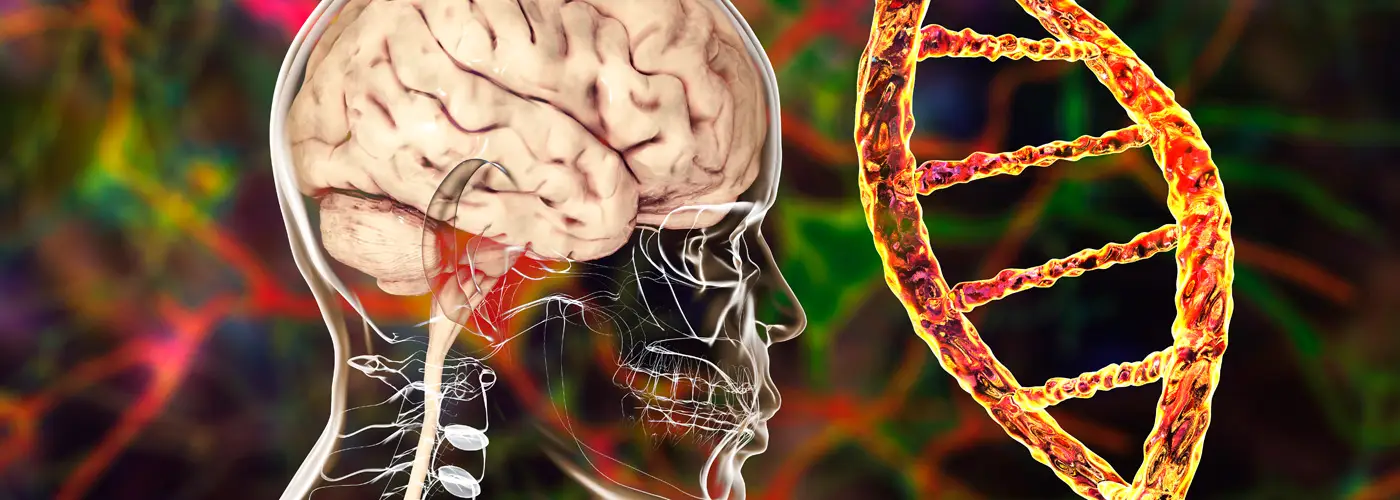
Alongside this, she has received approval from the prestigious Cochrane Review team to lead an update of their review on exercise interventions for people with peripheral neuropathy. Cochrane Reviews are widely considered the gold standard in evidence-based medicine, and leading this update will shape clinical guidance worldwide. “This will lead to impactful treatment options for people living with peripheral neuropathy”, Lianne notes.
The work that Lianne is now leading at Exeter and the team and international collaborations she is building, would not be possible without the vision and generosity of Barry and Christine Bateman. Their support demonstrates how philanthropy can drive transformative patient care.