
Building capacity for sustainable land management in Africa
The Oppenheimer Programme in African Landscape Systems
Dr Andrew Cunliffe
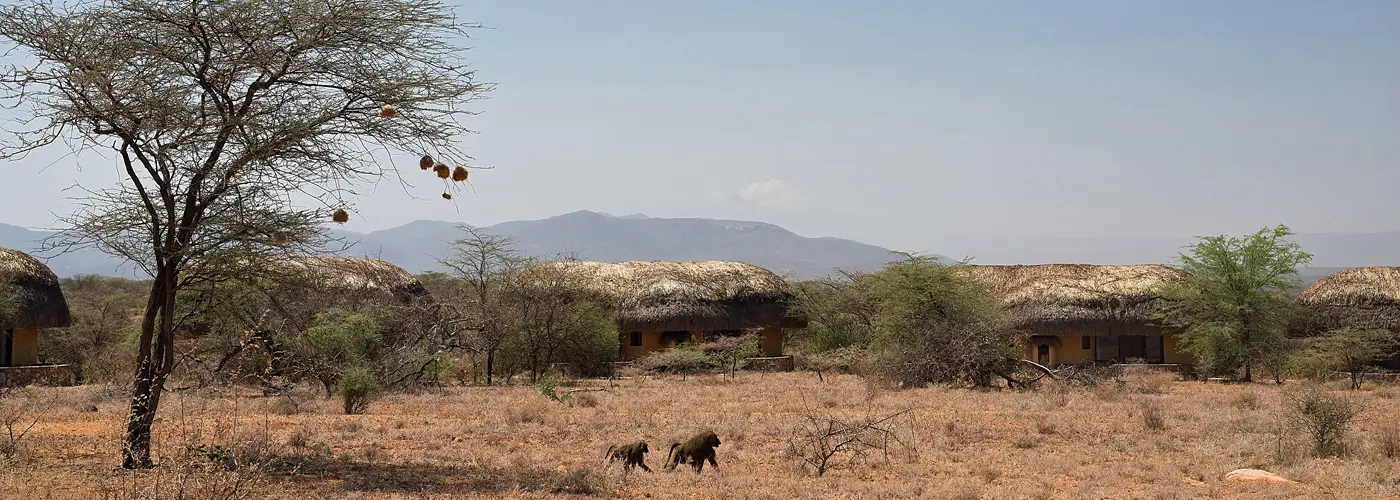
Africa’s landscapes are changing rapidly. From the savannahs of East Africa to the rangelands of the south, pressures from climate change and population growth are testing the resilience of ecosystems that millions of people depend on.
Understanding how to manage these landscapes sustainably has never been more urgent yet, too often, the research and leadership needed to guide that work has come from outside the continent. The Oppenheimer Programme in African Landscape Systems (OPALS) is changing that.
Launched in 2021, OPALS is a multi-year programme supported by a £1 million philanthropic gift from Oppenheimer Generations Research and Conservation, alongside additional support from Exeter alumni Sarah Turvill and Sarah Dusek. The programme is built around a central aim: to strengthen African leadership in environmental research and land management.
OPALS has supported advanced training for 13 scholars from eight African countries, equipping a new generation of scientists with the skills to tackle complex environmental challenges. Beyond its cohort of scholars, the programme has also developed a Funding Finder tool that has signposted over 600 funding awards for African nationals, used by nearly 900 people across 27 African countries.
“At its core, OPALS is a person-centred programme, advancing capacity for impact-oriented applied environmental research” explains Dr Andrew Cunliffe from the University’s Global Systems Institute, who leads the programme. “We are proud of both the achievements of our trainees and the growing recognition of our excellence for partnership and training.”
The research itself spans the continent:
- Oppenheimer-Turvill Doctoral Scholar Enimhien Akhabue is leading work to improve the representation of African ecosystems in land surface models, addressing a long-standing gap that has limited the accuracy of climate and environmental predictions.
- Few and Far Doctoral Scholar Chafika Phiri has launched a continental-scale crowdsourcing project, ‘Baobabs in Africa Mapped’ to better understand the distribution and sustainable use of baobab trees, which provide vital resources for communities across Africa.
- In the rangelands of southern Africa, the programme has developed a new landscape analysis tool called the ‘Relative Productivity Index’. This Earth Observation-based approach transforms how rangeland condition can be quantified, enabling more informed decisions about land management for livestock, wildlife, and the people who depend on them. The tool is already being applied to evaluate conservation governance in Kenya’s Amboseli ecosystem and to understand bush encroachment at Shangani Holistic Ranch in Zimbabwe.
“Philanthropic support has transformed my development as a researcher. It's enabled me to contribute new knowledge that improves environmental decision-making across Africa.”
Enimhien Akhabue, Oppenheimer-Turvill Doctoral Scholar
The work of OPALS and its network of African researchers, land managers, and communities would not be possible without the generosity of the Oppenheimer family, Sarah Turvill, Sarah Dusek and Shangani Holistic. Their philanthropic partnership is helping to shift the centre of gravity in African environmental research, ensuring that the expertise needed to manage the continent’s landscapes for future generations is grown from within.