


Please note that this page is currently under construction, check back later for further updates.
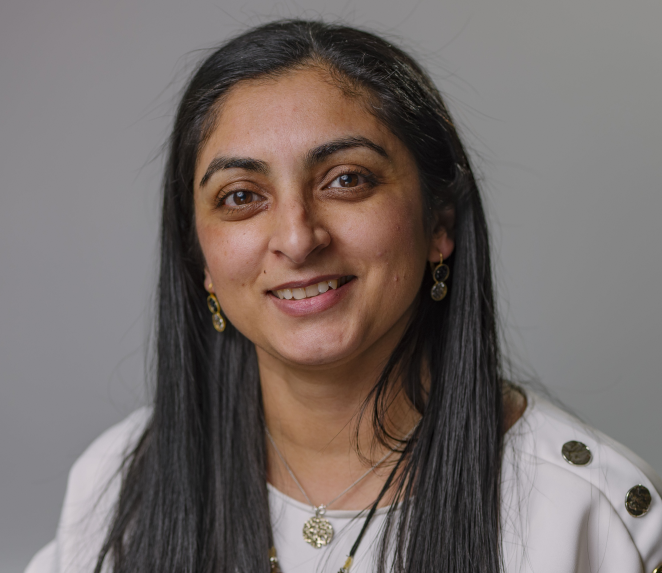
Dr Sariqa Wagley
NERC Independent Research Fellow
I am an experienced microbiologist with a strong passion for investigating the molecular basis of infection caused by bacterial pathogens. My current research focuses on pathogenic Vibrio species, how they survive in the environment, and how they cause disease in humans. I am interested in understanding what governs how bacterial species wake up and grow in the natural environment after a period of long-term dormancy. This work includes collaborations with Cefas (Dr Craig Baker-Austin, Andy Powell and Dr Nicola Coyle) and partners in industry and academia.
Email: s.wagley@exeter.ac.uk
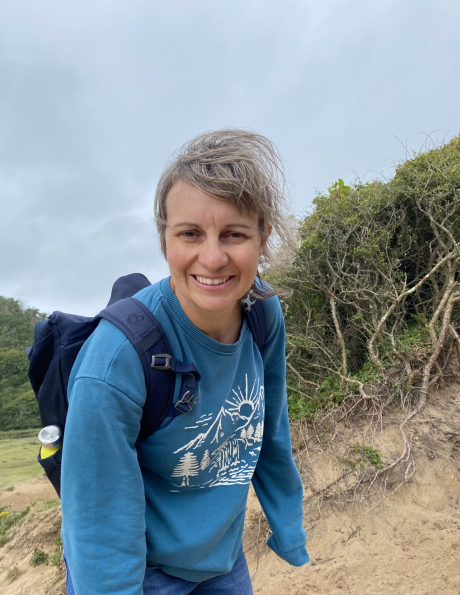
Dr Lisa Bickley
I have a broad background in environmental and aquatic biology and have built my career working across academia, industry, and government. I’m particularly motivated by collaboration and enjoy bringing different sectors together to tackle complex environmental challenges and deliver practical, evidence-based outcomes.
My research experience spans two main areas. The first is aquatic ecotoxicology, where I focus on understanding how chemical, physical, and biological stressors affect aquatic organisms, and on translating laboratory findings into real-world insights about impacts on wildlife populations and aquatic communities.
Alongside this, I have a strong interest in sustainable aquaculture. I’ve worked on a wide range of projects, including host-pathogen interactions in aquaculture diseases, developing molecular tools for the sector, applying eDNA techniques to freshwater biodiversity, and exploring water quality and coastal health in relation to aquaculture.
As part of my current role, I support project development and delivery for SAF (the Centre for Sustainable Aquaculture Futures), helping to bring together interdisciplinary teams to support a more sustainable and resilient aquaculture sector.
Email: L.K.Bickley@exeter.ac.uk
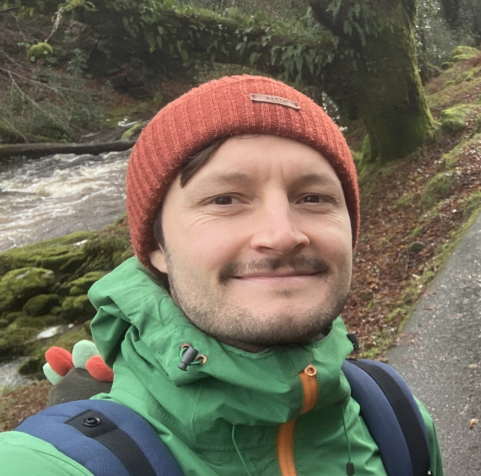
Dr Trystan Sanders
I am interested in how environmental conditions in aquaculture impact bioenergetics and growth physiology in invertebrates. My current research investigates how salinity, carbonate chemistry and dissolved carbon dioxide impacts protein turnover and calcification in whiteleg shrimp (Penaeus vannamei). I utilise a range of experimental approaches including in vivo measurements of oxygen consumption, ion/acid base regulation and isotope labelling coupled with mass spectrometry and enzyme biochemical assays. The intended outcomes of my research are to better match environmental conditions with selective breeding programmes for maximising growth and productivity while maintaining high animal welfare in crustacean aquaculture.
Email: t.sanders3@exeter.ac.uk
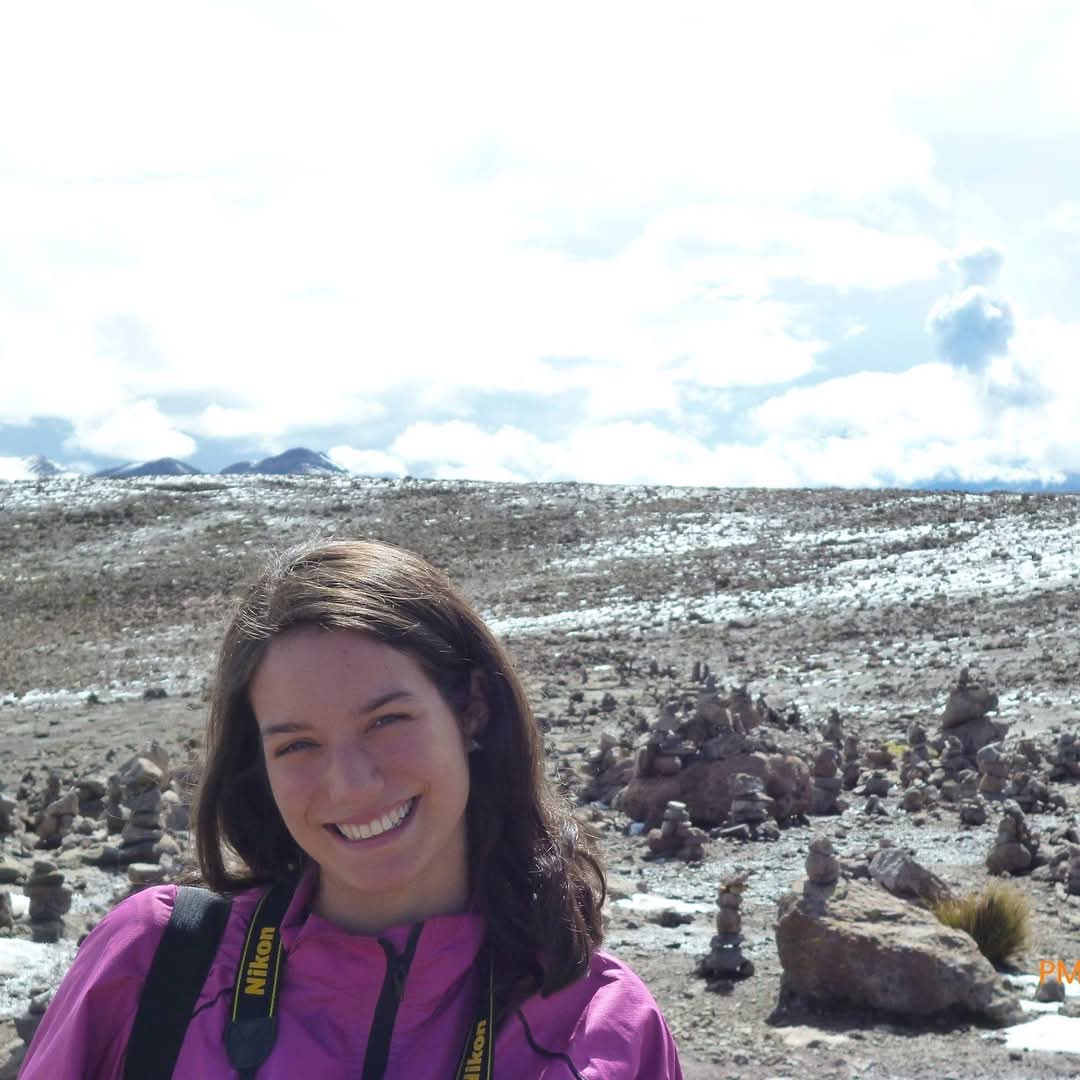
Angelica Aguirre Sanchez
PhD Student, supervised by Professor Ceri Lewis, Professor Helen Findlay, Dr Esmaeil Khedmati Morasae, Dr Adil Bakir, Professor Tamara Galloway
My research explores the ecological and socioeconomic effects of next generation biopolymers in marine systems. When these materials fully break down, they release water, carbon dioxide and methane as final products which can potentially alter the seawater parameters, producing similar effects to ocean acidification. This work includes collaboration with CEFAS (Dr. Adil Bakir) by examining their effects in the pacific oyster larvae and investigating their socioeconomic approach with partners in the academia. More broadly, I am interested in ecotoxicology looking that the solutions to plastic doesn’t have a negative effect on calcifying species that are essential for communities.
Email: apa207@exeter.ac.uk
Research Profile / Bluesky / LinkedIn
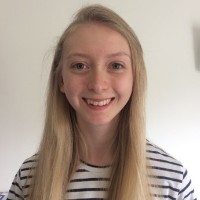
Hannah Boote
PhD Student in Dr Sariqa Wagley's Lab
My research investigates how Vibrio bacteria become dormant in aquatic environments and subsequently resuscitate when conditions become favourable again. I am interested in how fluctuating environmental conditions (signalling molecules, sewage) may influence bacterial dormancy. This work is in collaboration with CEFAS (Andy Powell) and is a Red-ALERT aligned project. Resuscitating Vibrio bacteria can be harmful pathogens in shellfish aquaculture, e.g. oysters, mussels and also pose a risk to public health if contaminated shellfish are consumed.
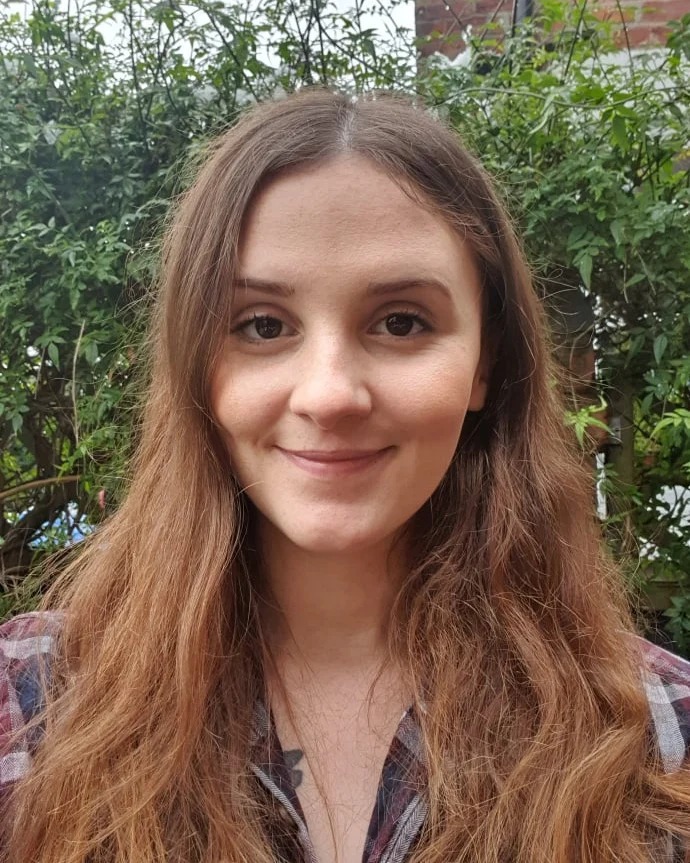
Sancha Conway Holroyd
PhD Student in Dr Rob Ellis's Lab
I am a PhD researcher in Biological Sciences at the University of Exeter, working on the ecophysiology, health, and welfare of aquatic invertebrates in aquaculture systems. My research focuses on commercially important species, particularly whiteleg shrimp (Penaeus vannamei), and examines how environmental conditions and emerging technologies influence physiological performance, stress responses, and overall animal health.
My PhD investigates nanobubble technology as a novel aeration approach in shrimp aquaculture, evaluating its potential implications for shrimp production, health and welfare. My research examines the fundamental physical properties of nanobubbles, including their stability, persistence, and behaviour across different saline environments, their influence on water chemistry within aquaculture systems; and how these changes affect physiological indicators of health, stress, and performance in whiteleg shrimp (Penaeus vannamei). This work is conducted in close collaboration with a commercial shrimp farm in Guyana.
More broadly, I am interested in sustainable aquaculture, invertebrate ecophysiology, and the relationship between environmental conditions and animal health in both food-production and traded ornamental species. Alongside my academic research, I have experience working at the science–policy interface within UK Government marine and fisheries policy, which informs my focus on producing evidence that can support applied aquaculture management and decision-making.
Email: sc1476@exeter.ac.uk
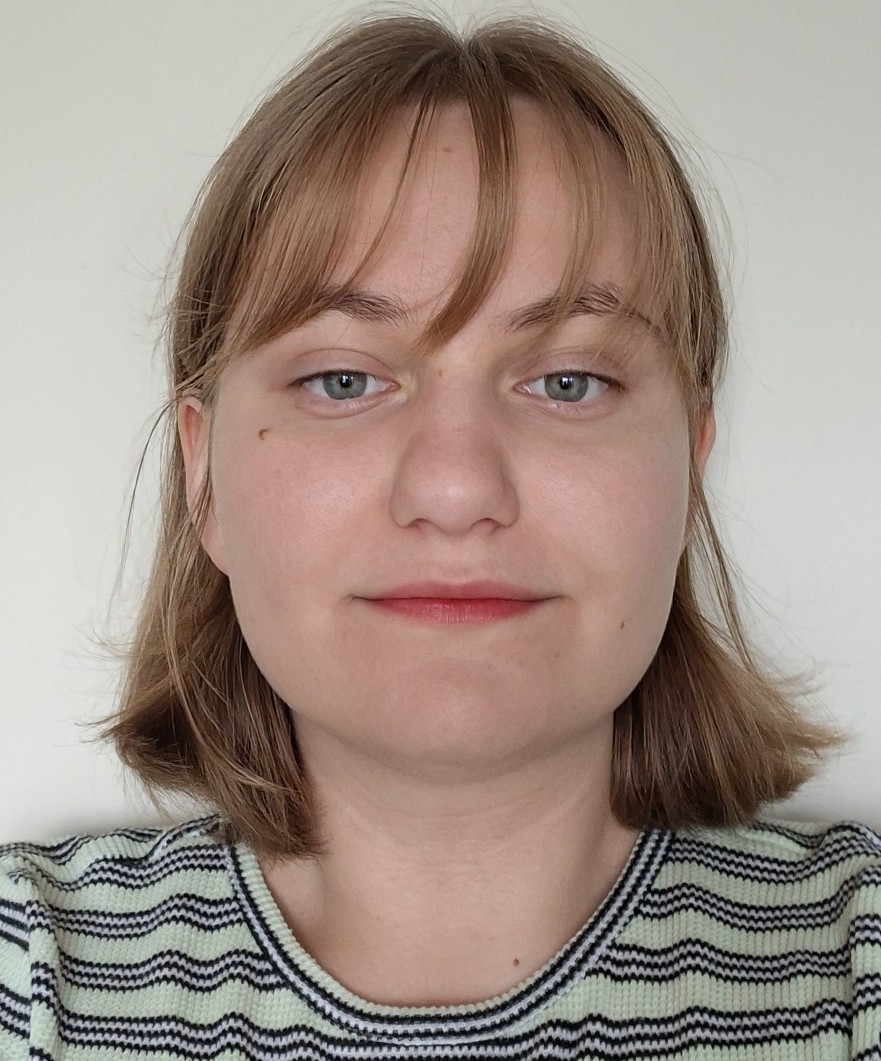
Alexa Ioana
PhD Student in Dr Sariqa Wagley's Lab
Vibrio are a species of pathogenic bacteria that inhabit warm, saline waters. During times of stress, these bacteria can enter a dormant state during which they are not detectable in water when using standard tests. When resuscitated, Vibrio regains its pathogenicity and can infect humans and aquaculture. Using metagenomics, I am interested in looking at the diversity of these species year-round in the River Teign. In addition, I am interested in looking at the molecular mechanisms which causes Vibrio to become dormant or resuscitate and its impacts on antimicrobial resistance. This work is a collaboration with CEFAS (Andy Powell) and part of the NERC Red-ALERT CDT.
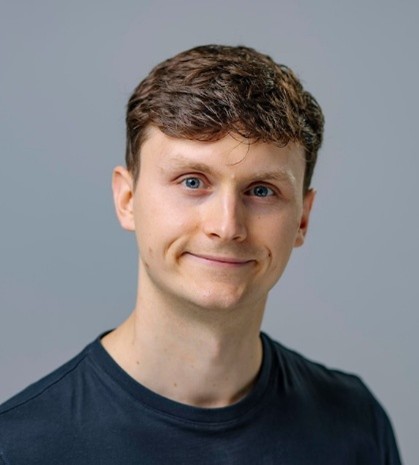
Jack Jarvis
PhD Student in Professor Rod Wilson's Lab
My research investigates the influence of the environment, farm design, and management strategies on water chemistry conditions experienced by farmed rainbow trout. To do this, I have surveyed and collected water samples from more than 45 aquaculture sites across the UK, Denmark, and Poland to define best practices. With this database, I have also replicated industry relevant water chemistry conditions to explore the effects on fish welfare and performance, specifically within the context of nephrocalcinosis (kidney stones). Having been a trout farmer previously and now working closely with the British Trout Association and Skretting, I have a unique insight of the industry and a strong network. This has led me to serve as a board member of the South West Aquaculture Network (SWAN) as the ‘Chief of Trout’.
Email: jj421@exeter.ac.uk
Marie Marwood
MbyRes Student in Professor Rod Wilson's Lab
My research focuses on the influence of seawater chemistry and diet on the physiology of mussels that is relevant to their aquaculture production. As well as generating important data for both rope and bottom culture of mussels, this research aims to test the viability of integrating mussels into land-based recirculating aquaculture systems (RAS) (e.g. for producing fish or crustaceans) as a biological supplement to conventional mechanical filtration. The project aims to examine how different diets and RAS-relevant water chemistry conditions, including elevated carbon dioxide and alkalinity, influence mussel physiology. I am particularly interested in the potential to convert fish waste into valuable mussel biomass, allowing aquaculture operations to benefit from improved water quality alongside an additional revenue stream from mussel harvest. Ultimately, this work aims to enhance the efficiency and sustainability of RAS to help meet growing global food demands.
Email: mm1121@exeter.ac.uk
James Milton
PhD Student, supervised by Professor Charles Tyler, Dr Anke Lange, Professor Barbara Kaspryzk-Hordern, Dr Julie Bremner, Dr Dan Read
My research focusses on the ecological consequences of chemical pollution in freshwater systems and how pollutants may transcend ecological boundaries. My PhD under Professor Charles R. Tyler will explore how wastewater contaminants move through freshwater food webs, with particular focus on their implications for the breeding success of insectivorous birds and wider ecosystem health. Data will be used to better define pollutant-specific impact pathways and provide a stronger evidence base to inform dedicated management controls by industry and government. The Centre for Environment, Fisheries, and Aquaculture Science (CEFAS) are also part of this work with support provided by Dr Julie Bremner.
Previously, James worked at the Sussex Dolphin Project, an organisation focussed on education, research, and awareness of the dolphin and porpoise species found across the Sussex coastline.
Email: Jm1684@exeter.ac.uk
Research Profile / LinkedIn / OrcID
Charlotte Moreira
PhD Student in Professor Eduarda Santos's Lab
My research focuses on studying the effects of chemical mixtures on Daphnia pulex and its microbiome as an integrated ecological unit, known as a holobiont. The project aims to detect subtle shifts in microbial composition, function and host-microbiome interactions, which can serve as early and sensitive indicators of chemical pollution. Overall, the aim is to develop a more sensitive diagnostic framework for assessing the health of Daphnia pulex under complex exposure scenarios. I work with Professor Eduarda Santos, Dr Anke Lange and Professor Charles Tyler at the University of Exeter. I also work in collaboration with Cefas, the Environment Agency, and Swansea University, supervised by Professor David Bass, Dr Jonathan Newman and Dr Tamsyn Uren Webster.
Email: cm1296@exeter.ac.uk
Becca Nicholls
PhD Student, supervised by Dr Kristian Metcalfe, Dr Sam Weber, Dr Nicola Weber, Dr James Bell, Dr Vera Fonseca
My research is the ecosystem assessment of the Tristan da Cunha fishery, specifically on how introduced fish species may affect native assemblages. I combine Baited Remote Underwater Video, environmental DNA, stable isotope analysis and DNA-based stomach content analysis to characterise fish community structure, trophic dynamics and ecosystem connectivity.
This integrated approach supports evidence-based fishery management and enables the assessment of introduced species impacts in the marine system of the world’s most remote inhabited island.
My previous experience includes working as a Scientific Fisheries Observer for the Falkland Islands Government; in a benthic marine consultancy laboratory; and researching MPA effectiveness around the Cayman Islands.
Email: rn405@exeter.ac.uk
Instagram/YouTube: @sharkandselkie
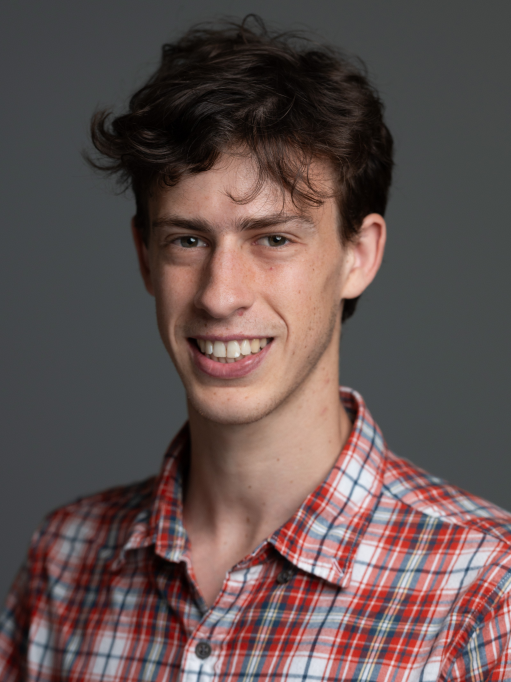
Francisco Schinder Coirini
PhD Student in Dr. Rob Ellis's Lab
My PhD uses physiological and behavioural measurements to reveal how mussels perform across environmental settings, species, and sub-populations, addressing key knowledge gaps that currently limit restoration. By linking organism-level responses to ecosystem-level outcomes, I evaluate the true capacity of mussels to improve water quality, enhance biodiversity, and monitor environmental health. This evidence clarifies not only which stocks can thrive in restoration scenarios, but why mussels are powerful natural assets worth restoring at scale. Ultimately, my work builds the scientific foundation needed to guide effective mussel bed restoration and support a sustainable expansion of the mussel aquaculture sector.
Email: fs521@exeter.ac.uk
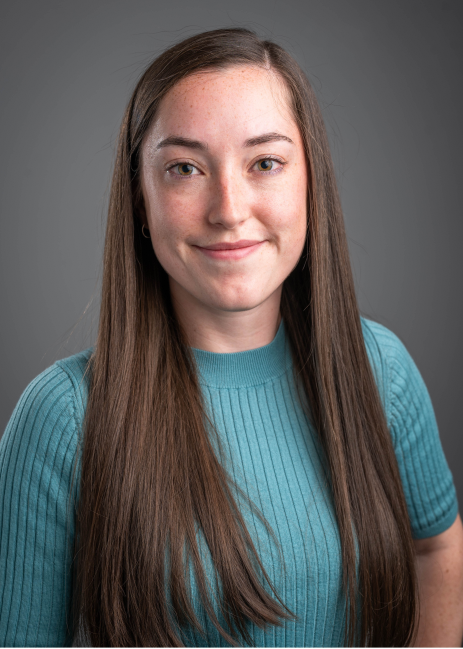
Isobel Smith
PhD Student, supervised by Professor William Gaze, Dr Anne Leonard, Professor Angus Buckling, Dr Craig Baker-Austin
My research investigates the evolution and transmission of Antimicrobial Resistance (AMR) in bivalve shellfish. Using culture-based techniques and metagenomics, I will explore the prevalence and diversity of AMR within bivalves. And through gene transfer experiments, I aim to understand how AMR may evolve within the bivalve microbiome and subsequently transfer to the human gut microbiome, as well as the potential public health implications of this process. This work involves close collaboration with the FAO Antimicrobial Resistance Reference Centre at CEFAS. More broadly, I have a keen interest in AMR, bacterial pathogens, and public health from both clinical and environmental perspectives.
Research Profile / ECEHH Research Profile
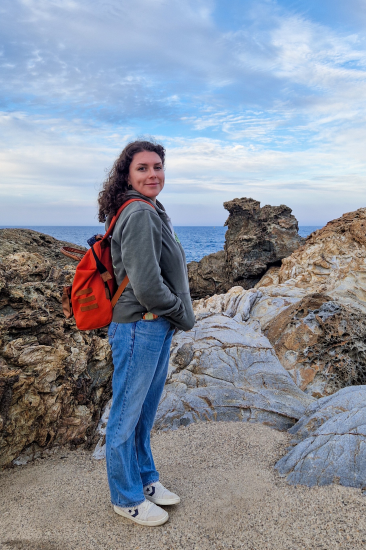
Léa Soler Clavel
PhD Student in Dr Sarah Salisbury's Lab
My research investigates the gene expression pathways underlying sea lice resistance in salmonids, including Atlantic salmon, using single-cell transcriptomics and other genomics techniques. This project is co-supervised by Professor Charles Tyler (University of Exeter), Dr Irene Cano Cejas and Dr Richard Paley at CEFAS, and Dr Sean Monaghan (University of Stirling). With this project, I aim to support sustainable aquaculture through the identification of genetic targets to improve salmon resistance to parasites. My general research interests lie in understanding the evolutionary history and potential of adaptation in marine fish from genome architecture to gene expression, in order to inform population management, as well as sustainable fishing and aquaculture practices.
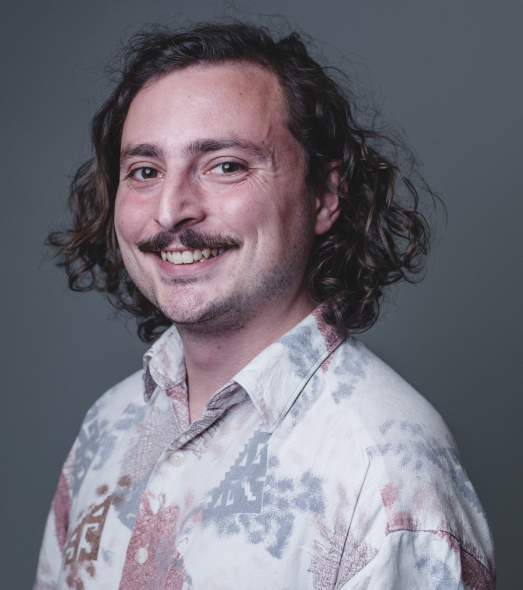
Callum Teeling
PhD Student supervised by Dr Elizabeth Williams and Dr Robert Ellis
My PhD research focuses on the role of the environment and the nervous system on settlement and metamorphosis in marine invertebrate larvae. To do this, I use pharmacological exposure to neuropeptides, behavioural imaging techniques, and fluorescent microscopy to unravel the neuronal circuitry of settlement. I also focus on the behavioural repertoire of marine larvae interacting with settlement cues such as microalgal biofilms. My research aims to address the bottleneck of marine settlement and metamorphosis in shellfish aquaculture and benthic ecosystem restoration. Specifically, I am interested in applying synthetic neuronal messengers found in larval nervous systems to synchronise settlement and improve metamorphosis rates in hatcheries.
Email: cajt201@exeter.ac.uk
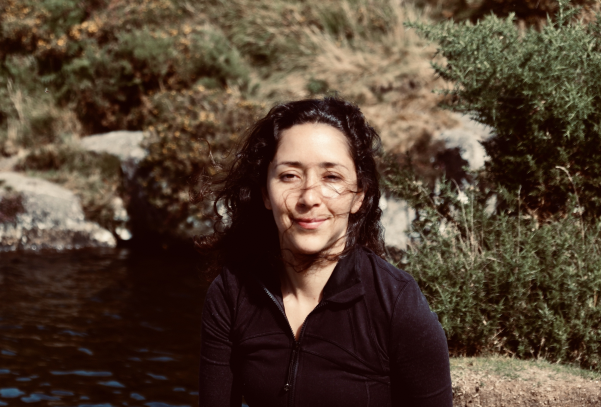
Camila Toledo Jaime
PhD Student in Dr Steven Palmer's Lab
My PhD research examines how ocean warming, marine heatwaves, and reduced seasonal cooling are affecting UK marine aquaculture, with the aim of supporting climate-informed adaptation. By combining satellite and modelled ocean data with fine-scale, farm-relevant assessments, my work investigates why some sites are more exposed to thermal stress than others, and how warming interacts with additional stressors such as harmful algal blooms, low oxygen, jellyfish, and disease. The project integrates environmental analysis with stakeholder engagement to identify practical adaptation options and support decision-making for aquaculture management and planning. This research includes collaboration with CEFAS (Dr Bryony Townhill) and industry partners.