
Capture of the Sultana Binganem: Ahmed Hoggia and the Roman Inquisition 1700
A British Academy small grant 2025-2026 (£10,000)
Lead researcher: Dionisius A. Agius, Fellow of the British Academy, Professor Emeritus of Arabic Studies & Islamic Material Culture and Senior Research Fellow at the Institute of Arab & Islamic Studies, University of Exeter
Research assistant: Vanessa Buhagiar, palaeographer and historian at the Notarial Archives, Valletta, Malta
With contributions from: Emmanuel Buttigieg, Liam Gauci, Emir Yener, Emirhan Özçelik, Ian Richard Netton, Catherine Rider, Joan Abela, Noel Buttigieg, Chris Attard, Chanelle Mifsud Briffa, Fleur Brincat, Dionisius A. Agius, and Vanessa Buhagiar.
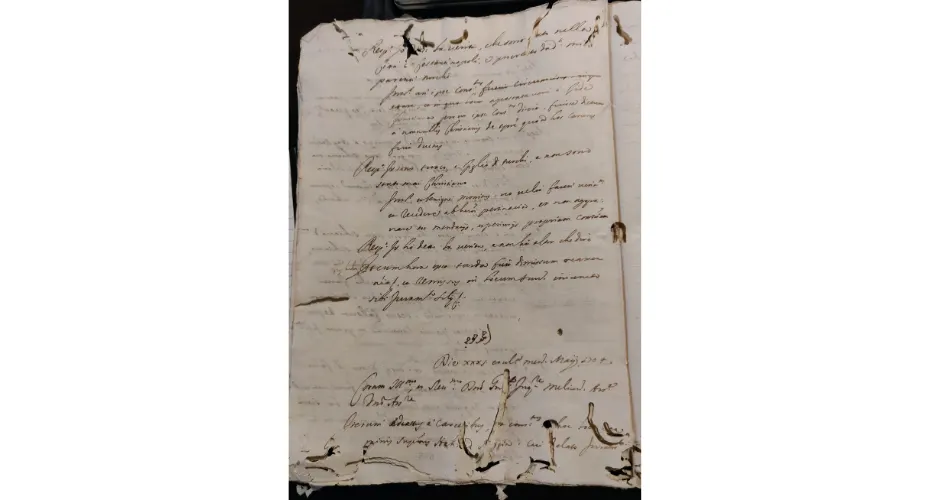
This is a study of an Inquisition trial against Ahmad Hoca, a ship clerk of the Barbary galleon – Sultana, captured by the Knights Hospitallers in 1700 uncovered at the Archives of the Metropolitan Cathedral in Mdina Malta. It focuses on the trial stemming from informants that Ahmad converted to Islam and subsequently faced accusations of apostasy from the Inquisition whose role was to protect Christianity on the islands of Malta.
A micro-study based on the trial of one person, we capture a snapshot of life in Early Modern Malta; we gain valuable information on Christian-Muslim relations, the Roman Inquisition, and tension between the Church, State and Inquisition. The proceedings of Ahmad’s trial are in Latin and Italian; they include testimonies of witnesses reporting about Ahmad’s whereabouts in his early life in Istanbul and Alexandria before the capture of the Sultana.
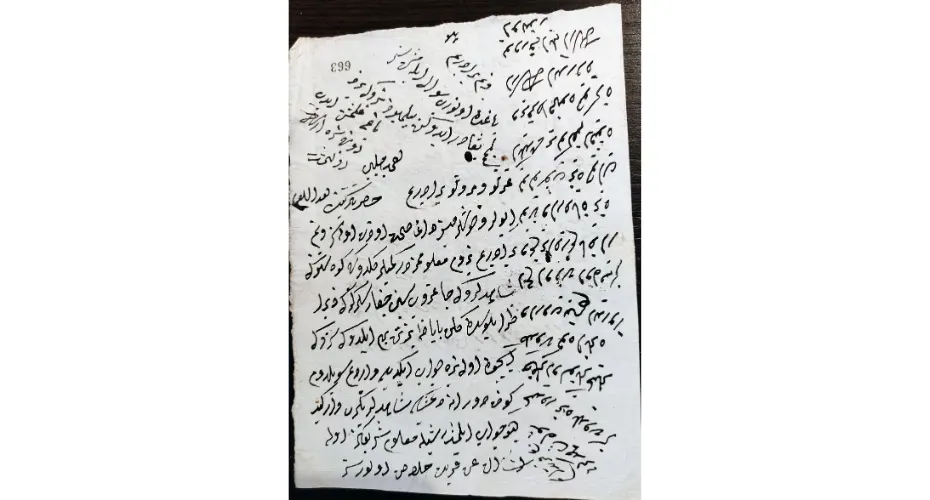
A letter is found in the trial document written in Ottoman Turkish by a Muslim slave addressed to Ahmad Hoca which gives us information on ransom practices, trade and the treatment of a slave in the Infirmary.
There is, in addition to the trial, the Minutes of the Order of St John about the capture of the Sultana with details about the Order’s naval management and tactics on war at sea found in the National Library, Valletta, Malta. All documents are transcribed and translated from Latin, Italian and Ottoman Turkish into English with commentaries.
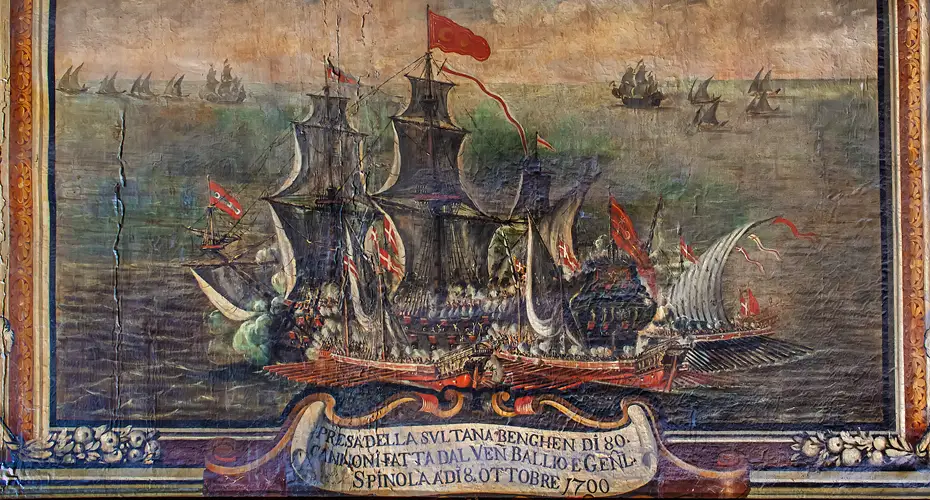
But the study takes us beyond the text. Related to the capture of the Sultana, we find a painting depicting the conflict between the Ottoman and the Knights of St John’s naval vessels at the Grand Master’s palace in Valletta; a second is found in the Palazzo Falzon, Mdina; and a third similar depiction at the Maritime Museum in Genova, Italy. These paintings all point to how important the capture of the Sultana was to the Order.
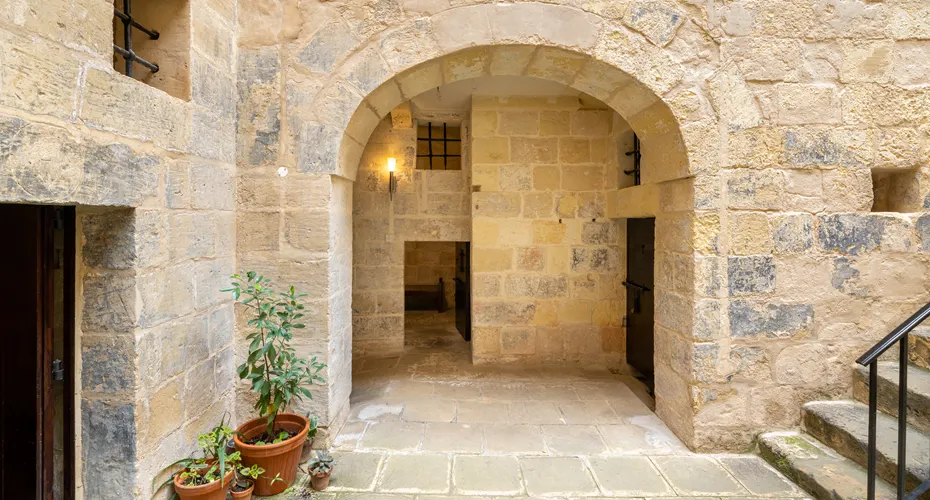
There is also on one of the Inquisition’s prison walls a graffito of the Barbary galleon which seems to be a similar representation of the Sultana to that of the paintings and next to the graffito there is what appears to be the name of the ship clerk Ahmad Hoca. Both discoveries give an immediacy to the trial with this personal statement from the slave as to his identity.
The research team is studying the content and context of the trial of Ahmad Hoca, the minutes of the naval knights, looking at facets of society, understanding Christian-Muslim relations, the Inquisition's operations, and the dynamics between Church, State, and the Papal Inquisition under the Knights of St. John. In addition, we are examining the relation between the text and the material culture and what symbolism and significance the objects carry.
An inter- and cross-disciplinary research, this study seeks resources on current and emerging issues: micro-historical approach; society and state; Christian-Muslim relations; Early Modern islands communities; everyday life on the islands; slavery; punishments; prisons; maritime studies; history of art and codicology.