By adopting these new technologies, behavioural researchers are enhancing data quality while also making valuable reduction and refinement gains
Reducing Animal Use in Behavioural Research Through Video Stimuli and Multi-Trait Assays
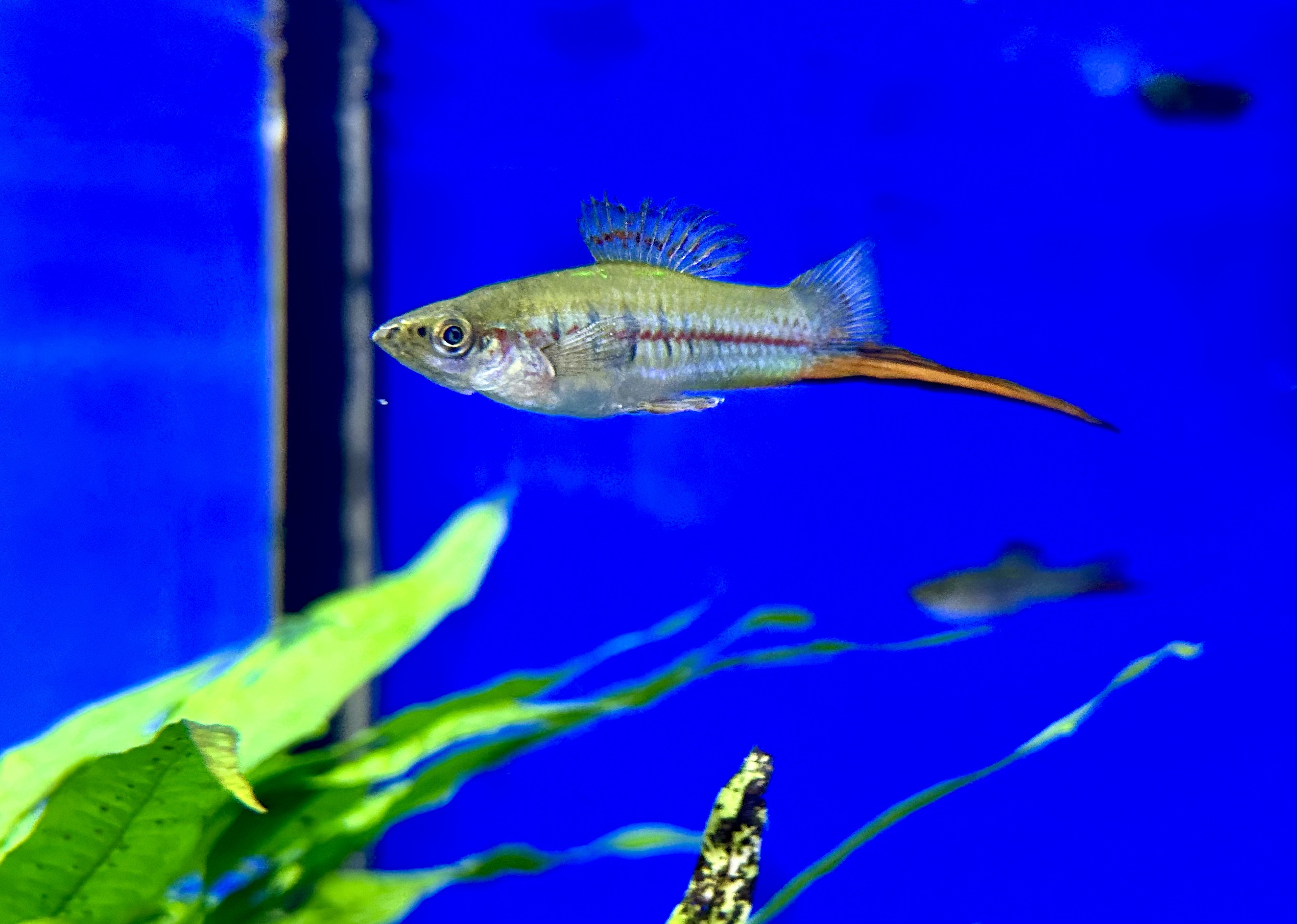
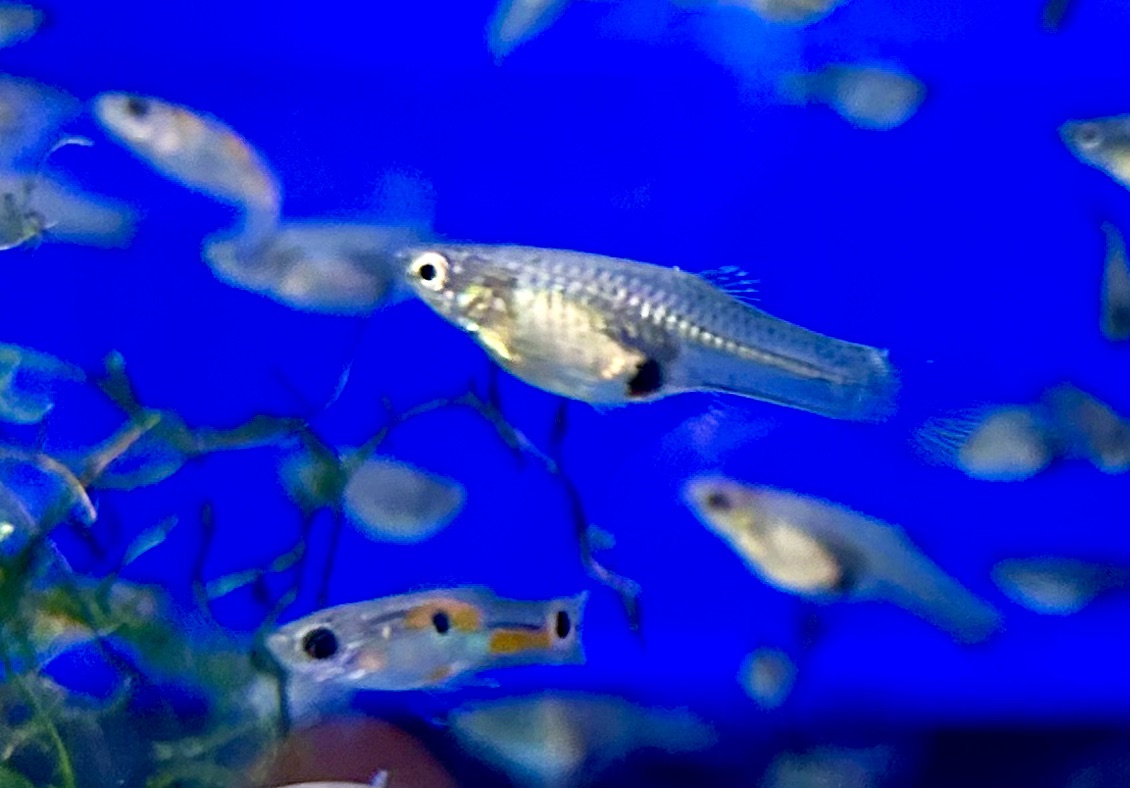
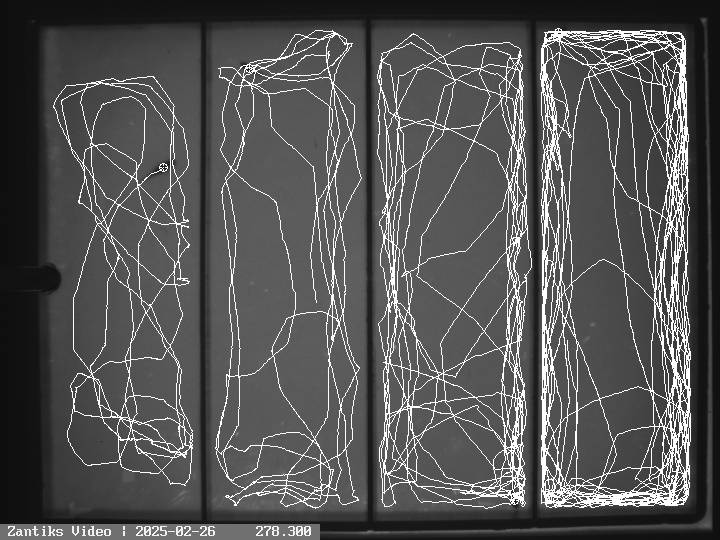
Researchers studying behaviour of fish and aquatic invertebrates at the University of Exeter are developing new behavioural phenotyping methods that offer opportunities for Reduction and Refinement. By using video stimuli in place of live conspecifics, researchers studying mating preferences and visual capabilities in green swordtails (Xiphophorus hellerii), have reduced animal use by two-thirds. This highlights a simple, low-tech, and very effective approach to reduction. At the same time successful trials of a new integrated phenotyping platform that combines video tracking with programable delivery of visual cues and other stimuli is offering great potential for refinement. This platform, built by Zantiks technology, enables many different behavioural traits to be collected from a single trial which greatly reduces the need to handle animals as they are moved between different tests. So far it has been successfully used to investigate ‘shy-bold’ personality variation in cherry shrimp (Neocaridina heteropoda) and is now being used to study the evolution of risky behaviour in guppies (Poecilia reticulata) that have evolved under different predation regimes. By adopting these new technologies, behavioural researchers in Ecology and Conservation at the University are enhancing data quality while also making valuable reduction and refinement gains.