Early detection for diagnosis and prevention
Our research focuses on detecting dementia and understanding risk factors to enable early diagnosis and maximise the opportunity of preventing dementia in the first place.
We are leading ground-breaking initiatives to deliver earlier, more accurate diagnosis through brain health monitoring, scalable biomarkers and innovative new models for clinical services, as well as understanding risk factors, testing preventative treatments and promoting healthy ageing in older adults.
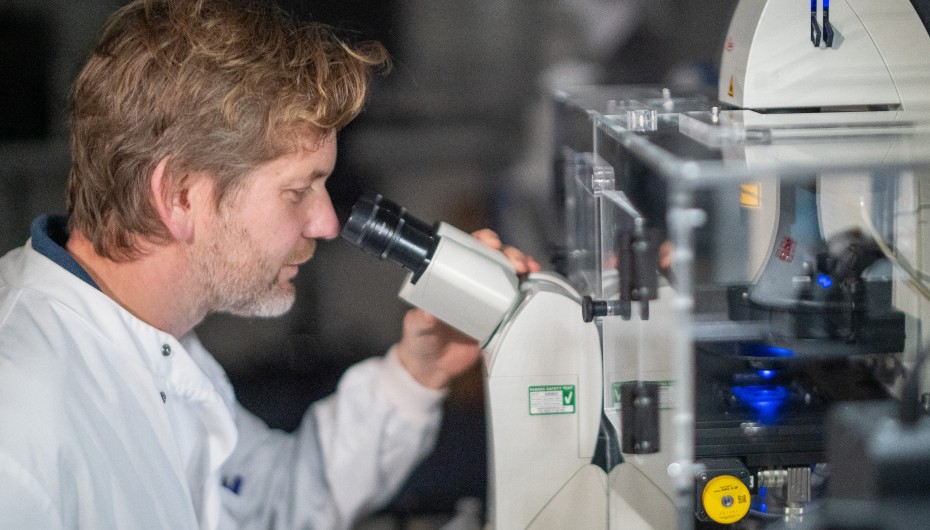
Delivering earlier diagnosis and better clinical services
Early diagnosis is essential for timely treatment and support to maximise prognosis and wellbeing, yet patients often wait months for a diagnosis. Current tools and clinical pathways require a major shift to address this growing need. Internationally recognised work of Professor Anne Corbett and colleagues is evaluating novel technologies and clinical models to monitor brain health, improve diagnosis and increase efficiency in services.
Central to this work is the PROTECT study, an online research study involving more than 25,000 adults aged 40 and over. By tracking cognitive function, health and lifestyle factors over time, the study is helping researchers identify earlier indicators of dementia and develop new approaches to diagnosis and prevention.
"PROTECT is a really exciting and innovative study that means people can take part in high-quality research and clinical trials from their own homes. We’ve already made significant contributions to understanding how we can meaningfully reduce dementia risk."
Professor Anne Corbett
Senior Lecturer in Dementia Research
- The PROTECT study, funded by the NIHR Exeter Biomedical Research Centre, has shown that an at-home blood test and digital brain assessment could screen people for dementia risk long before symptoms appear.
- Developed through the PROTECT study, the NIHR funded REACTIVE app is trialling a new approach to monitoring brain health at home, using regular cognitive assessments to identify people who may be developing dementia and alerting their GPs, supporting earlier assessment and diagnosis.
- Building on this research, DETECT, funded through the UK Government Health Mission Dementia Challenge, is testing the integration of the PROTECT brain health platform into NHS memory services across the UK. The project aims to identify people at risk of dementia earlier, support faster and more accurate diagnosis, and help more people receive a diagnosis within 18 weeks of referral.
BRAINIAC: Transforming dementia prevention
Led by Professor David Llewellyn (right), the BRAINIAC Hub is a £20 million national initiative that will establish ten brain health clinics across the UK, helping the NHS identify people at risk of dementia earlier and support interventions to maintain brain health. Bringing together researchers, clinicians, health services, industry partners and people with lived experience, the hub aims to accelerate the translation of research into practical approaches that reduce dementia risk and promote healthy ageing.
The hub will evaluate new approaches to brain health monitoring, risk assessment and prevention, creating opportunities for earlier intervention before dementia develops. By building a coordinated national network of clinics, BRAINIAC will generate the evidence needed to inform future NHS services, helping more people understand their risk, access personalised support and take action to protect their brain health for longer.

Understanding dementia risk, prevention and early intervention
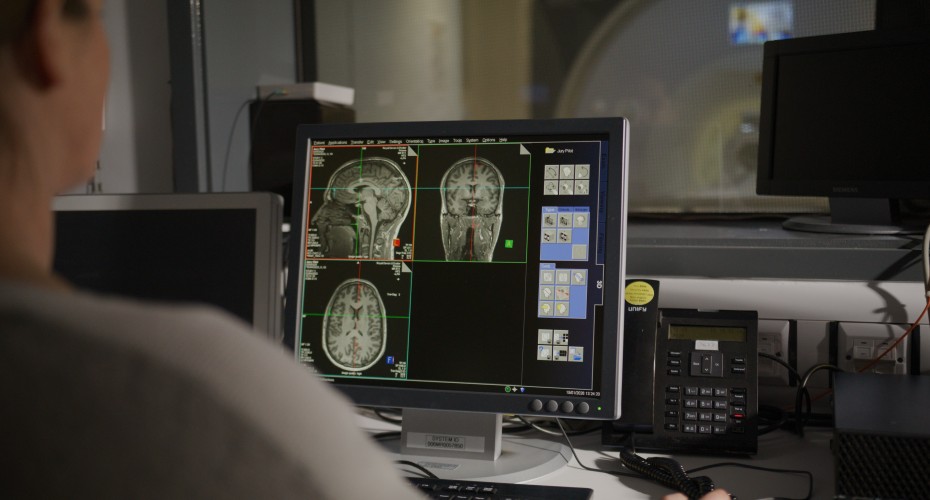
We lead major research studies examining how genetic, lifestyle, and health factors influence a person’s risk of developing dementia at each stage of their life. Our work helps identify people at greater risk earlier, creating opportunities for timely intervention and more personalised approaches to prevention. Recent findings from our researchers include:
- A World Health Organisation (WHO) commissioned project supported by Professor Chris Fox found that menopause hormone therapy does not appear to influence dementia risk, providing clearer evidence to guide women and clinicians in midlife health decisions.
- Research led by Professor David Llewellyn and Dr David Ward from the University of Queensland shows that age-related declines in health and physical function can predict future dementia risk, strengthening the case for earlier identification and targeted prevention.
- Analysis of data from our national cohort of older adults through PROTECT-UK, led by Professor Anne Corbett, identifies novel risk and protective factors including lifestyle behaviours such as musical education, medical risks such as hearing loss and early mood disorders that increase risk.
Identifying modifiable factors to support healthy ageing
Healthy ageing is central to dementia prevention. Many factors linked to dementia risk can be influenced through healthcare, lifestyle choices and wider environmental conditions. Our research identifies these modifiable risk factors, providing evidence to inform personalised prevention strategies, public health policy and practical guidance that can help people maintain brain health as they age. Examples of our ongoing research include:
- Led by Dr Jonathan Huntley, researchers at the University of Exeter are working with iCareiMove, the NIHR HealthTech Research Centres in Brain Health and Sustainable Innovation to develop and test a digital intervention supporting cognitive health, sleep, physical activity and mental wellbeing during menopause. The study aims to improve understanding of how lifestyle-based approaches can promote healthy brain ageing and support long-term brain health in women.
- Research led by Dr Ilianna Lourida has found that antibiotics, vaccinations and anti-inflammatory medications may be linked to a reduced risk of dementia, highlighting the importance of maintaining good health across adulthood.
- Additional work by Professor David Llewellyn, supported by Alzheimer’s Research UK, reveals that targeting health and lifestyle factors could reduce the risk of young-onset dementia, offering new hope for earlier prevention.