Understanding dementia through genomics and data
Our researchers are uncovering the biological mechanisms that drive dementia using functional genomics, epigenetics, population data and advanced analytics.
By improving our understanding of disease risk, progression and underlying biology, we are helping to identify new opportunities for earlier diagnosis, personalised treatment and future therapeutic innovation - moving emerging treatments rapidly toward real‑world benefit.
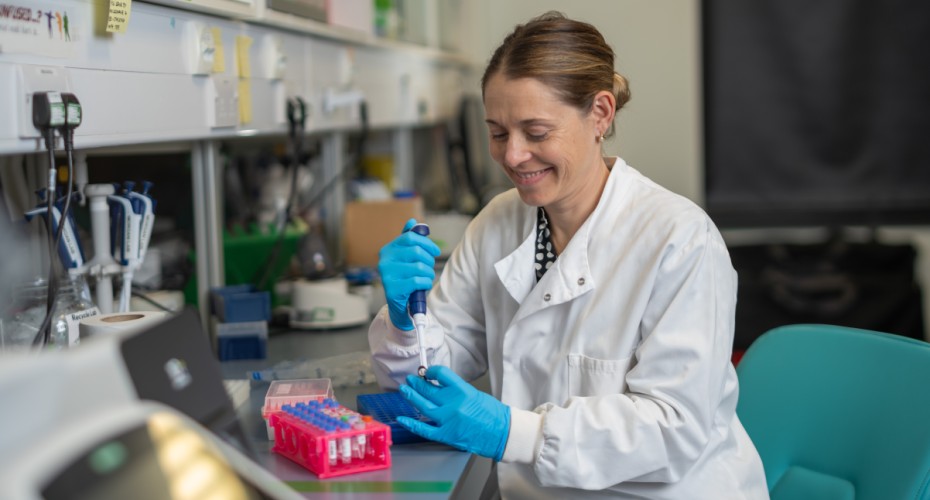
Uncovering the biology of dementia
We are leading research into the genetic, epigenetic and molecular mechanisms that contribute to dementia. By understanding how genes, biology and environment interact throughout life, we are revealing new pathways for prevention, diagnosis and treatment targets. Our work in this area includes:
- Professor Katie Lunnon, Dr Emma Dempster and Professor Jonathan Mill in the Complex Disease Epigenomics Group are using cutting-edge genomic sequencing approaches, molecular profiling and epigenetic analysis to identify biological changes associated with neurodegeneration, unlocking potential new drug pathways.
- Professor Jonathan Mill leads the UK Functional Genomics Initiative, a £28.5m national programme accelerating understanding of how genetic variation influences health and disease identifying mechanisms and providing opportunities for new therapeutic targets for dementia.
- Dr Emma Dempster is using the unique epigenetic barcodes present on dying brain cells to detect early signs of neurodegeneration in a simple blood test, opening up novel diagnostic approaches.
"The impact of this work could be huge. We’re optimistic that it will help us identify novel drugs to treat dementia, and we’re also making great progress on identifying blood biomarkers that will allow for early identification."
Professor Jonathan Mill,
Professor of Epigenomics
- A landmark UK Biobank epigenetics study led by Professor Jonathan Mill will provide unprecedented insight into how genes and environmental factors interact across the life course, helping researchers understand the biological pathways that could be targeted for prevention and treatment.
- Our scientists, led by Professor Jonathan Mill have developed novel sequencing approaches to map full-length gene transcripts in Alzheimer’s disease, identifying hundreds of previously unknown isoforms of dementia genes, including many associated with tau accumulation.
- Dr Akshay Bhinge and Dr Thomas Piers are developing novel cell models including brain organoids that are enabling them to directly test the effects of dementia genes and explore novel therapies in the lab using cutting edge stem-cell approaches in the University of Exeter's Living Systems Institute.
Using data to predict risk and understand disease progression

Our researchers use large-scale population studies, digital technologies and advanced analytics to improve understanding of dementia risk, identify disease earlier and track how cognitive health changes over time. Selected examples of this work include:
- Studies within the PROTECT programme, led by Professor Anne Corbett, are generating valuable longitudinal data that improve understanding of cognitive ageing and the early changes associated with dementia.
- Research led by Professor Katie Lunnon has shown that biomarker-based digital approaches may help detect Alzheimer's-related memory changes earlier, with the development of simple at-home test kits offering promise of new accessible tools for identifying risk and monitoring disease progression.
- Research led by Professor David Llewellyn found significant associations between commonly prescribed medications and dementia risk, highlighting how large‑scale analytics can reveal potential protective or harmful drug effects to inform future prevention strategies.
Accelerating discovery and innovation
By combining biological discovery, advanced imaging and innovative research methods, we are improving how dementia is studied, diagnosed and treated, helping bring promising interventions closer to clinical use. Examples of our research and innovation include:
- The PROTECT Cognitive Test System is a certified medical device that provides sensitive computerised cognitive assessment, enabling faster and more efficient dementia trials by detecting treatment effects that traditional tests often miss.
"Exeter’s innovative work in drug developing and repurposing is meeting the urgent global need to find new treatments for dementia at an accelerated pace."
Dr Jeffrey L Cummings
Professor of Brain Science - University of Nevada, Las Vegas
- Advanced neuroimaging facilities at our Mireille Gillings Neuroimaging Centre provides high‑resolution, rapid‑processing MRI and PET analytics that detect early brain changes more precisely, enabling dementia trials to run smarter and faster by improving participant selection, reducing trial length and enhancing real‑time treatment monitoring. Available to external academic and industry partners, the centre supports collaborative research, clinical studies and commercial innovation.
- Researchers, led by Professor Clive Ballard and Professor Anne Corbett, have transformed the design of clinical trials for neuropsychiatric symptoms in Parkinson’s and Alzheimer’s disease by introducing a simple non‑pharmacological screening intervention that dramatically reduces placebo response, directly contributing to successful trials including the programme that led to US licensing of the antipsychotic Pimavanserin.
- Research co-led by Professor Matthew Whiteman has shown that precisely targeting tiny amounts of hydrogen sulfide to mitochondria can improve health and activity during ageing, revealing a promising new therapeutic pathway for age‑related conditions and informing next‑generation drug development