Living well with dementia and improving quality of life
Our research helps people with dementia and those who care for them live well for longer.
Through research on quality of life, behavioural symptoms, caregiver support and person-centred care, we develop practical interventions that promote dignity, independence and wellbeing, while responding to the everyday realities of living with dementia and caring for someone affected by the condition.

Quality of life, independence and person-centred care
Led by the internationally recognised work of Professor Linda Clare and colleagues, our research has helped transform understanding of what it means to live well with dementia.
By placing people and their families at the centre of care, and recognising that quality of life is shaped by social, emotional and environmental factors as well as health needs, we help people maintain independence, achieve personal goals and continue living well.
"Most people with dementia are still living in their own homes, supported by friends and families. A major challenge is to support them to live as well as possible with dementia.”
Professor Linda Clare
Professor of Clinical Psychology of Ageing and Dementia
- The University’s REACH Centre for Research in Ageing and Cognitive Health, develops evidence‑based approaches that help people manage dementia, maintain independence and improve quality of life.
- The IDEAL (Improving the Experience of Dementia and Enhancing Active Life) study has transformed understanding of what helps people live well with dementia, leading to the creation of the Living with Dementia Toolkit and informing policy and practice nationally and internationally.
- The GREAT cognitive rehabilitation programme supports people with dementia to achieve personal goals and maintain everyday functioning. Recommended in the National Institute for Health and Care Excellence (NICE) guidelines and by the Memory Services National Accreditation Programme (MSNAP), it is helping shape dementia care across the UK and through international collaborations.
- The programme has also influenced international thinking on dementia rehabilitation through the 2025 World Alzheimer Report, Reimagining Life with Dementia: The Power of Rehabilitation, co-authored by Professor Linda Clare, which sets out a global vision for embedding rehabilitation in dementia care.
Improving care in residential care homes
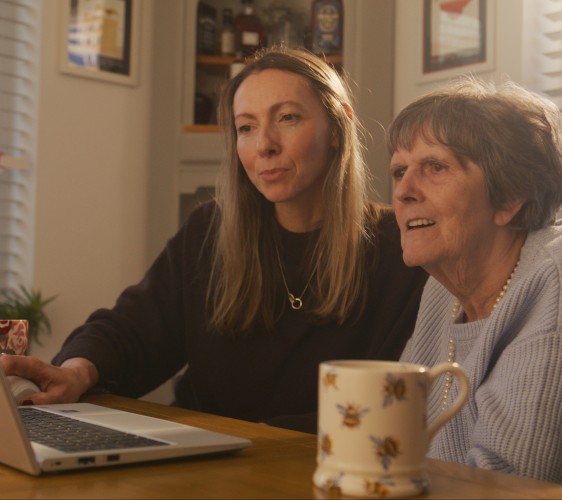
Behavioural and psychological symptoms can have a significant impact on people living with dementia, their families and care providers. Our research improves understanding of behaviour and experience across all stages of dementia, helping to develop more personalised approaches to improve care, reduce distress and support better mental health and wellbeing.
- The iWHELD programme, led by Professor Clive Ballard and Joanne McDermid, is improving quality of life and mental health in care homes by reducing unnecessary use of sedative medications to manage behavioural and psychological symptoms of dementia.
- Research led by Dr Jonathan Huntley is advancing understanding of awareness, responsiveness and lived experience in people with moderate and severe dementia, including those living in residential care settings. By developing new ways to assess awareness and understand how people experience the world as dementia progresses, this work is helping improve person-centred care and quality of life in advanced dementia.
Supporting carers and families
Families and unpaid carers play a vital role in supporting people living with dementia. We work closely with carers and communities to understand their experiences and develop practical, evidence-based support that improves wellbeing for both carers and the people they support.
- Research led by Professor Chris Fox shows how carers are finding meaningful support through CareCoach, an online coaching and learning programme co‑developed with families affected by dementia, highlighting the value of co‑designed interventions and community‑based support.
- Research led by Professor Linda Clare, including the IDEAL study which led to the creation of the Living with Dementia Toolkit, explores the emotional, social and environmental factors that influence caregiving, from transport and mobility to community inclusion. This work is informing new interventions that reduce caregiver strain, improve wellbeing and strengthen support networks across the UK.
"The care that people receive is the main driver for their quality of life, particularly in the context of moderate or more severe dementia.
Our programmes are aimed at supporting carers and care homes in delivering the personalised care, activities and interaction that makes people’s lives better."
Professor Clive Ballard
Professor of Age-Related Diseases and Pro-Vice Chancellor
Creating inclusive dementia care
We are improving dementia care by addressing inequalities, enhancing care environments and working with health and care services to ensure support is effective, inclusive and responsive to people's needs. Selected examples of this work include:
- The ENLIVEN (Enhancing Lives by Improving the Environment for People with Dementia) project, led by Professor Linda Clare and Dr Joanne Connell, has shown that nature-based design can significantly improve visitor attractions for people with dementia, enhancing accessibility, inclusion and wellbeing.

- Research led by Professor Louise Allan is improving understanding of falls and physical health in dementia. Studies including Maintain are developing approaches to help people recover after a fall, maintain independence and remain living well at home for longer.
- Researchers in the NIHR Dementia and Neurodegeneration Policy Research Unit (DeNPRU Exeter) generate evidence to help ensure health and social care policies for people affected by dementia and other neurodegenerative conditions are informed by robust research.
- DeNPRU's work has highlighted the needs of people living alone with dementia, who may represent up to 40% of people with dementia living in the community, generating evidence to improve support, reduce inequalities and enhance quality of life for a group whose needs are often overlooked.
- Through the NIHR Applied Research Collaboration South West (ARC SW) Dementia and Neurodegeneration research theme, our researchers are working with health and care partners to improve services, enhance the experience of living with dementia and related conditions, reduce inequalities and promote inclusion.