
Electronics
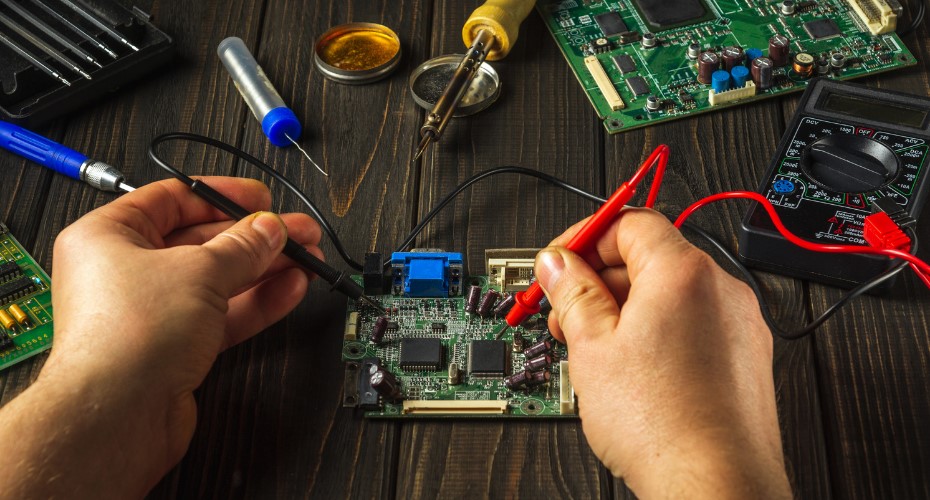
Electronic engineering is a branch of engineering that focuses on designing, developing, and maintaining electronic systems and devices. It covers everything from microchips to large-scale electrical infrastructure and is essential in fields like telecommunications, computing, robotics, and even aerospace.
At its core, electronic engineering deals with circuits, transistors, diodes, and microprocessors—basically, the building blocks of modern technology. Engineers in this field work on improving hardware, optimising power efficiency, and developing innovative solutions for industries like healthcare, automation, and consumer electronics.
If you've ever been curious about how your smartphone, gaming console, or even the sensors in your car work, electronic engineering is the magic behind it all. It's a dynamic and ever-evolving discipline that powers the modern world.
Every employer is different so there are no definitive lists here. These are meant as a guide and should be considered in addition to fully exploring role requirements outlined in person specification, job description and advert for each role you consider applying for.
- Attention to Detail: Precision is crucial in designing and debugging circuits.
- Circuit Design: Understanding how to design and analyze electronic circuits.
- Creativity & Innovation: Developing new solutions for complex engineering challenges.
- Electronic engineering requires a combination of technical knowledge, problem-solving abilities, and hands-on skills. Here are some key skills relevant to the field:
- Mathematical Foundations: Strong knowledge of calculus, algebra, and physics principles.
- Microcontrollers & Embedded Systems: Experience with Arduino, Raspberry Pi, or other microcontroller-based systems.
- Power Electronics: Understanding voltage regulation, electrical components, and energy-efficient system design.
- Problem-Solving & Analytical Skills.
- Programming: Knowledge of languages like Python, C, and MATLAB for embedded systems and simulations.
- Project Management: Organising tasks, timelines, and resources effectively.
- Signal Processing: Working with analog and digital signals for communications and other applications.
- Teamwork & Communication: Collaborating with engineers and explaining technical concepts clearly.
- Troubleshooting: Ability to diagnose and fix circuit and system issues efficiently.
In order to develop these skills, remember Career Zone also offers a range of Personal and Professional Development sessions which are available to book on Handshake and run at least once per term. Please also read through the sections about Gaining Experience and Further Study and Professional Development to discover how you can develop your skills through experience and by gaining further knowledge or qualifications.
All experiences ranging from volunteering, active involvement in clubs/societies can help you to Gain relevant and transferable skills. Gaining experience in electronic engineering involves a mix of hands-on projects, academic learning, and industry exposure. Here are some effective ways to gain practical experience:
- Work on Personal Projects
-
- Start with Small Circuits – Build simple electronic circuits like LED flashers, audio amplifiers, or motor controllers.
- Experiment with Microcontrollers – Use Arduino or Raspberry Pi to develop embedded systems.
- Build a Radio or IoT Device – Challenge yourself with a communications or smart-home project.
- Join Clubs and Competitions
-
- Hackathons & Maker Fairs – Participate in events where you can showcase and develop your engineering skills.
- Robotics or Electronics Clubs – Collaborate with others on projects involving automation and embedded systems.
- Engineering Contests – Competitions like IEEE or NASA challenges can help you gain practical skills.
- Get Hands-On Training
-
- Internships & Apprenticeships – Apply for positions in research labs or tech companies to gain real-world exposure.
- Workshops & Certifications – Take specialised courses in PCB design, FPGA programming, or power electronics.
- Assist with Research Projects – Reach out to professors or engineers conducting experimental studies.
- Contribute to Open-Source Projects
-
- Collaborate on GitHub or other forums where engineers develop and improve electronic designs.
- Reverse-engineer existing products and propose modifications.
- Stay Updated & Network
-
- Read industry magazines and follow engineering blogs to keep up with advancements.
- Attend tech conferences and connect with professionals to learn new techniques.
University of Exeter Employability Schemes
- Career Zone Internship schemes: Internships can be extremely useful, so try and get relevant vacation work or placements
- Exeter Award :The Exeter Award will help you stand out from the crowd and give you the confidence to shout about the experiences you've had at university
- The Global Leaders Experience is a unique opportunity to develop your intercultural skills as part of a short, outbound mobility experience.
Speculative applications and where to find opportunities
Undertaking relevant work experience will also allow you to develop new skills and gain a valuable insight into the sector. As jobs and opportunities are not always advertised, it can be useful to develop your networking skills and apply speculatively. Before visiting the sites below you may find it useful to read our Researching employers page.
Identify organisations that align with your skills and interests such as:
- Engineering consultancies
- Tech startups
- Hardware manufacturers
- Research labs or universities
- Government agencies or defence contractors.
Use:
- Company websites
- Trade magazines
- Handshake.
Finding part time work
You could also have a look at Handshake, our vacancy database with employers who are targeting University of Exeter students
- Job Boards (With Filters) - Use filters for “part-time,” “internship,” “contract,” or “remote”:
-
- Indeed
- Glassdoor
- WorkInStartups (UK)
- TechCareers, EngineerJobs, or EuroEngineerJobs.
- Networking (Hidden Job Market)
-
- Most part-time engineering roles aren’t advertised—networking is key.
- Join LinkedIn groups related to electronics, embedded systems, IoT, etc.
- Attend local hackathons, IEEE events, or engineering meetups.
- Reach out to alumni or local professionals for advice (and opportunities).
- Electronics Companies (Speculative Applications)
-
- Small-to-medium engineering firms
- Research & D departments
- Medical device or robotics companies
- Consumer electronics brands.
In this section, add in relevant specialist job boards and recruitment agencies. Please ensure to include some explanation about where a link will take you. Also remember to signpost to our new Responsible Futures page. We want to put a focus on local and regional opportunities where they exist too x ref Areas for growth in the region can be understood via the following websites: Devon County Council's Skills Strategy and Cornwall and Isles of Scilly (CIOS) Skills priority areas , Good Growth Plan investments strategy . For some sectors there may be many different links, so segment them into logical headers to help with navigation.
Competition can be strong, especially for entry-level positions. Use the following resources to find advertised vacancies and research employers.
- Gradcracker
- UK’s leading careers website for STEM students and graduates.
- Offers internships, industrial placements, summer schemes, and graduate roles.
- Filters by discipline (e.g., "Electronic Engineering").
- EngineeringJobs.co.uk
- Focused entirely on engineering roles across the UK.
- Search by job type, location, and industry (e.g., electronics, control systems, embedded systems).
- Electronics Weekly Jobs
- Industry-specific board from Electronics Weekly.
- Great for roles in hardware, PCB design, embedded systems, RF, and more.
- The Engineer Jobs
- Backed by The Engineer magazine.
- Features vacancies from top UK engineering employers.
- Institution of Engineering and Technology (IET) and the [National Society of Professional Engineers (NSPE)] can provide networking opportunities, job listings, and career advice.
- Matchtech is a STEM recruitment specialist, with over 40 years' experience matching STEM professionals with hiring employers in multiple sectors, all over the world.
- Precision People. Specialist recruitment for Engineering, Technical, Sales and Executive Search.
- Defence Engineering and Science Group (DESG) Graduate Scheme. The DESG graduate scheme is a scheme for engineers and scientists in the UK.
- Electronics engineer job profile | Prospects.ac.uk. Follow links under the ‘Employment’ section of the page for relevant links.
For general information about finding graduate opportunities, please visit our Graduate Jobs page.
Graduate schemes and internships
Placements
If you are interested in finding out more about work placements, you can also access the Work Placements SharePoint via Single Sign-On. This resource covers all aspects of credit-bearing work experiences as part of your degree, including what a placement is, how to apply for them, and bespoke information for international students or those interested in working abroad.
Further sources of support
If you are an international student, visit our international webpages for help finding opportunities both in the UK and globally.
To find opportunities outside the UK use GoinGlobal.
For help with making speculative applications you may find it useful to read our Researching employers page.
Some individuals decide to undertake further study to develop their skills and knowledge of the sector and related occupations. Not all roles or employers will require this, so it is important to research entry requirements and employer preferences before committing to additional training or qualifications. Use the sites below to research your further study options.
Master’s Degrees (MSc/MEng)
▸ MSc in Electronic or Electrical Engineering
- Duration: 1 year full-time (UK); 2 years in some countries
- Focus: Advanced electronics, embedded systems, digital signal processing, control systems, power electronics
MSc in Related Specialisations include Communications and signal processing, Embedded systems, Mechatronics and Robotics, Nanoelectronics, Photonic and optical engineering, Renewable energy systems
PhD (Doctor of Philosophy) in Electronic Engineering
- Duration: 3–4 years full-time (UK); sometimes longer internationally
- Focus: Research-intensive, often leading to careers in R&D or academia
- Funding: Can be funded through doctoral training centres (DTCs), research councils (e.g. EPSRC), or industry-sponsored projects
Findamasters.com - Engineering Services - A variety of master's degrees relevant to engineering services.
Or if you would prefer to stay at Exeter, Engineering Postgraduate taught courses - here you can find our range of our postgraduate taught courses in Engineering
If you would like to pursue postgraduate study before entering your chosen sector, please visit our Postgraduate Study information page for more information about choosing further study. You can also visit our applying for Postgraduate Study page.
You can search through our other postgraduate courses on our Postgraduate study pages.
Information and links from professional bodies
If you have studied a related degree, check if your course is accredited by one of the professional bodies. Being a member of a professional body is voluntary; however, it can be valuable for developing networks, continuing your professional development, and generally keeping up to date with what's happening in the sector.
There are several professional bodies linked to electronic engineering, both in the UK and internationally. These organisations offer chartership pathways, networking, career development, accreditation, and industry updates. Here's a list of the key ones:
UK-Based Professional Bodies
- IET – Institution of Engineering and Technology - theiet.org is the primary UK body for electronic and electrical engineers which includes Chartership (CEng, IEng), CPD, webinars, journals and access to career and mentoring services.
- Engineering Council (UK) - engc.org.uk Licenses bodies like the IET to award professional titles (e.g., CEng).
- IEEE UK & Ireland Section - ieee-ukandireland.org.
- IEEE – Institute of Electrical and Electronics Engineers - ieee.org is the largest international body for electronic engineers.