Sport and Exercise Science and Nutrition
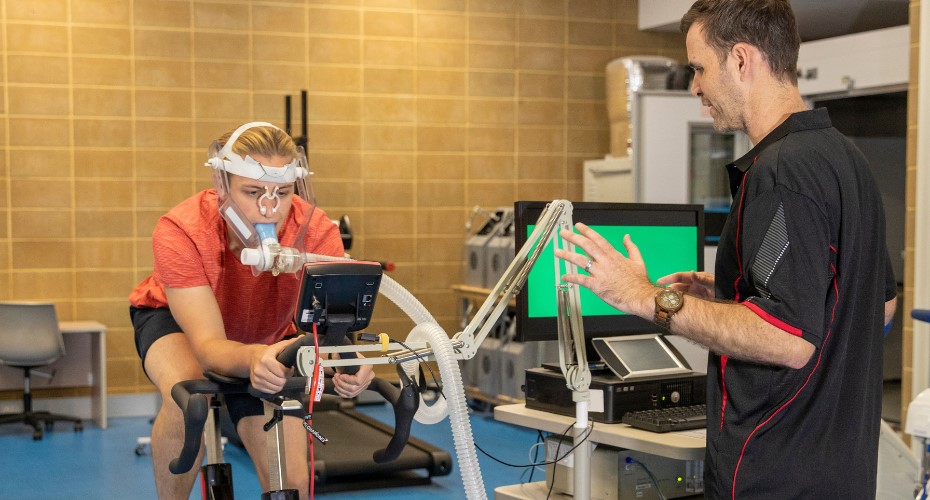
Sport and Exercise Science and Nutrition are dynamic, interdisciplinary fields focused on enhancing physical performance, promoting health, preventing injury, and understanding the impact of nutrition and physical activity on the body. Graduates can apply their expertise across elite and grassroots sport, healthcare, education, research, and the wider health and fitness industry.
Typical career paths include roles such as sport scientists, exercise physiologists, strength and conditioning coaches, nutritionists, health promotion specialists, and performance analysts. Opportunities also exist within the pharmaceutical and medical/sports technology industries, where graduates may contribute to product development, testing, or the communication of scientific knowledge to varied audiences.
There is increasing demand for professionals who can translate scientific evidence into practice, whether through coaching, advising policy, engaging communities, or developing products and services. Many graduates go on to work in multidisciplinary teams within the NHS, local authorities, private healthcare, or professional sports organisations.
Research is another major area, with opportunities available in universities, public health bodies, and commercial settings to explore topics such as metabolism, biomechanics, injury prevention, and behaviour change.
To explore specific roles, check out the following job profiles:
Sport and Performance
- Exercise Physiologist
- Sports Coach
- Strength and Conditioning Coach
- Sport and Exercise Psychologist
- Sports Development Officer
Nutrition and Health
- Nutritionist
- Health Improvement Practitioner
- Health Promotion Specialist
- Personal Trainer
- Clinical Exercise Physiologist
Science, Research and Industry
More role profiles and suggestions can be found here:
- BASES Career Guide - a comprehensive guide to careers in sport and exercise science, including job profiles and advice.
- Association for Nutrition Career Profiles – offers detailed information on various nutrition careers and pathways.
- NHS Health Careers – Explore Roles - in a wide range of healthcare roles within the NHS.
Every employer and role are different, so it’s important to review the job description and person specification carefully. However, there are several skills that are commonly sought across sport, exercise science, nutrition, health, and related fields. The examples below illustrate some of the typical ways these skills might be used in practice:
- Scientific knowledge and application – e.g. applying physiological, biomechanical, or nutritional principles to optimise health, performance, or recovery.
- Data literacy – e.g. analysing lab or field-based data, using software such as Excel, SPSS, or specialist sport science tools to inform decision-making.
- Communication skills – e.g. translating complex scientific information into accessible advice for clients, athletes, patients, or the public.
- Teamwork and collaboration – e.g. working alongside coaches, dietitians, physiotherapists, or healthcare professionals in multidisciplinary teams.
- Critical thinking and problem-solving – e.g. tailoring interventions to individual needs or troubleshooting issues in research, rehabilitation, or training settings.
- Project planning and organisation – e.g. managing time, resources, and deadlines when delivering training programmes, conducting assessments, or contributing to research.
- Ethical awareness and professionalism – e.g. safeguarding participants, managing client confidentiality, or working within scope of practice.
- Digital and technical skills – e.g. using performance analysis software, wearable technology, or lab equipment to collect and interpret data.
- Cultural competence and inclusivity – e.g. adapting advice or communication to meet the needs of individuals from different backgrounds or communities.
- Commercial awareness – e.g. understanding how services or products align with trends and consumer needs in the health, fitness, or sport sectors.
Employers will also want to see evidence of how you’ve developed and demonstrated these skills, whether through academic work, placements, volunteering, part-time jobs, or extracurricular activities. Remember Career Zone also offers a range of Personal and Professional Development sessions which are available to book on Handshake and run at least once per term. Please also read through the sections about Gaining Experience and Further Study and Professional Development to discover how you can develop your skills through experience and by gaining further knowledge or qualifications.
Those wanting a career in sport and exercise science or nutrition should look at information relating to specific roles to identify the qualifications, skills and experience they will need. See, for example, job profiles listed under the overview section above. Staying informed about developments in the sector is also useful — explore organisations such as:
- The Chartered Association of Sport and Exercise Sciences (CASES)
- Association for Nutrition (AfN), UK Coaching
- The Association of the British Pharmaceutical Industry (ABPI)
- NHS Careers
- Chartered Institute for the Management of Sport and Physical Activity (CIMSPA).
All types of experience — including volunteering, part-time work, shadowing, and involvement in societies — can help you develop relevant and transferable skills. You may wish to consider:
Volunteering
Volunteering is a great way to gain sector-relevant experience, apply your skills in real settings, and strengthen your CV.
- Community and health promotion: Support initiatives like Parkrun, FoodCycle, or Change4Life, helping promote physical activity and nutrition.
- Rehabilitation and clinical support: Volunteer with health charities such as Exeter City Community Trust, Westbank, Devon Mind and the Royal Devon Hospitals Charity.
- Performance sport: Gain experience with university, semi-professional, or local clubs through roles in coaching, injury prevention, performance analysis, or match-day support. Speculative applications are often key here.
For other opportunities, check out the Students’ Guild volunteering pages.
University of Exeter Employability Schemes
- Grand Challenges | Grand Challenges | University of Exeter a project week in which you work in interdisciplinary groups with other like-minded students to design innovative solutions to real world challenges e.g. Mental Health, Food Security and Social Inequality.
- Career Zone Internship schemes: Internships can be extremely useful, so try and get relevant vacation work or placements.
- Exeter Award: The Exeter Award will help you stand out from the crowd and give you the confidence to shout about the experiences you've had at university.
- The Global Leaders Experience is a unique opportunity to develop your intercultural skills as part of a short, outbound mobility experience.
Events and Employer Engagement
Making contacts is essential for success in this and other sectors. Many jobs in this field come through your networks and contacts and speculative applications since many of the skills are in high demand, a network can be a useful way to uncover hidden opportunities which have not yet been advertised. You could start by speaking with the experts – find out what they did after graduation and contact them for advice. Consider attending events and careers fairs such as:
- CASES Student Conference – Annual event offering networking and career insight from across sport and exercise science.
- AfN Events –The Association for Nutrition delivers webinars and Q&A sessions covering routes into nutrition and professional registration.
- University of Exeter Career Events – Search for sector-specific careers fairs, employer panels, and alumni insight sessions using the Handshake platform.
Before visiting the sites below you may find it useful to read our Researching employers page.
Competition can be strong, especially for entry-level positions. Use the following resources to find advertised vacancies and research employers.
- CASES Jobs – Opportunities in sport and exercise science, often related to research, coaching or performance analysis.
- NHS Jobs – Search for roles such as physiotherapy assistant, health trainer, exercise specialist, and clinical nutrition support.
- Association for Nutrition Jobs – Paid and voluntary roles for aspiring registered nutritionists.
- Public Health Jobs – Graduate entry and early career roles within public health and nutrition.
- BUPA Careers.
- Association of the British Pharmaceutical Industry (ABPI).
- Jobs.ac.uk - vacancies in universities and academia.
Placements
If you are interested in finding out more about work placements, you can also access the Work Placements SharePoint via Single Sign-On. This resource covers all aspects of credit-bearing work experiences as part of your degree, including what a placement is, how to apply for them, and bespoke information for international students or those interested in working abroad.
Graduate schemes and internships
- The NHS offers several graduate science programmes as well as graduate roles in Clinical Exercise Physiology.
- BUPA and Nuffield Health offer many early career roles.
- CASES jobs advertise graduate and internship roles within grassroot and professional sport.
- UK Sport Institute advertise graduate and internship roles in all levels of sport.
For general information about finding graduate opportunities, please visit our Graduate Jobs page.
Speculative applications and where to find opportunities
As jobs and opportunities are not always advertised, it can be useful to develop your networking skills and apply speculatively. Professional bodies often run networking events, post vacancies on behalf of their members and have member directories, useful for speculative applications.
To find opportunities outside the UK use GoinGlobal.
Some decide to undertake further study to develop their skills and knowledge of the sector and related occupations. Not all roles or employers will require this, so it is important to research entry requirements and employer preferences before committing to additional training or qualifications. Use the sites below to research your further study options.
- NHS offers a course finder to search for university postgraduate courses leading to clinical careers.
- Use the Prospects Postgraduate Course Search feature to find university courses related to sport, health and nutrition.
Note it is important that if you pursue a health-related postgraduate course e.g. MSc Physiotherapy, verify if the programme is accredited by the appropriate professional bodies. This will significantly enhance your career prospects in the
Information and links from professional bodies
Being a member of a professional body is voluntary; however, it can be valuable for developing networks, continuing your professional development, and generally keeping up to date with what's happening in the sector.
Key professional bodies include:
- The Chartered Association of Sport and Exercise Sciences (CASES), offers a comprehensive Careers Guide details various career paths within sport and exercise science. They also provide information on the Supervised Experience (SE) Programme, which is a structured pathway towards accreditation for sport and exercise scientists.
- Association for Nutrition (AfN) provides a list of accredited postgraduate programmes that meet their standards.
- UK Coaching.
- The Association of the British Pharmaceutical Industry (ABPI).
- Chartered Institute for the Management of Sport and Physical Activity (CIMSPA).
- Royal Society for Public Health (RSPH) – offers e-learning and qualifications in health improvement and wellbeing.
- Association of British HealthTech Industries (ABHI).
Advice
If you are considering postgraduate or doctoral level study before entering your chosen sector, please visit our Postgraduate Study page for more information about choosing further study.