Archaeology
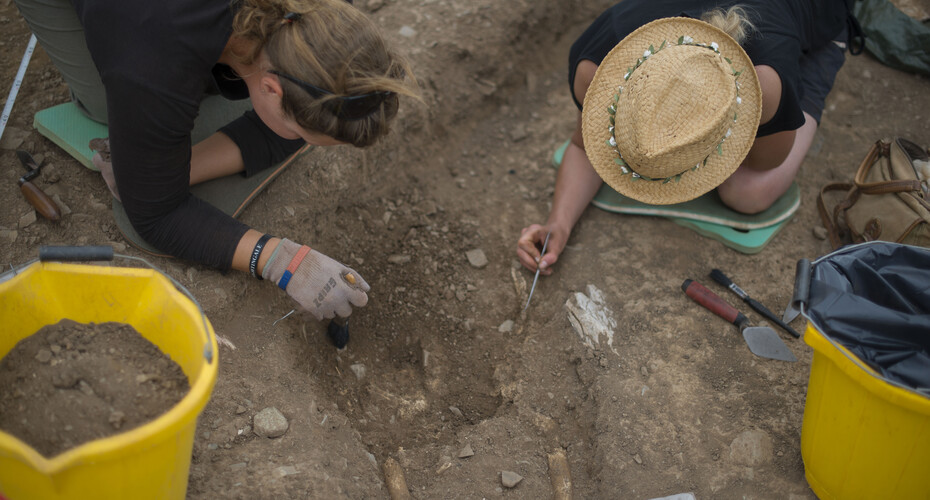
Careers in archaeology provide the chance to investigate and interpret the past by examining material remains, contributing to a deeper understanding of human history. Some of these job roles involve surveying land for potential sites, excavating ancient structures or artifacts and analysing findings in the lab. Archaeologists play a vital role in heritage management working across sectors such as academia, museums, government bodies, and private consultancy. Their expertise is also in demand during construction and development projects, where assessments are needed to protect historical sites.
Graduate roles, field assistant positions, and internships are available across the UK, particularly in regions rich in historical significance such as Yorkshire, Scotland, and the South West. While many positions are offered through universities or research institutions, commercial archaeology firms also provide entry-level opportunities, often offering hands-on fieldwork experience. These roles can be physically demanding and may involve travel or working in varied outdoor conditions, making them well-suited to those who enjoy practical, dynamic work environments.
Jobs in this area could include Field Archaeologist, Finds Specialist, Heritage Consultant, or Museum Educator. Increasingly, roles are incorporating digital tools such as GIS, 3D scanning, and remote sensing, creating opportunities for those with skills in digital mapping and data analysis. A background in archaeology is typically expected, but transferable skills in research, critical thinking, and environmental science can also be valuable, particularly as interdisciplinary approaches become more common in archaeological work.
The following role profiles on the Prospects website will help inform you of the day-to-day responsibilities in graduate level roles and will help inform the kinds of skills, experience and knowledge needed:
- Archaeologist: Investigating and interpreting the past through the study of material remains.
- Conservator: Responsible for the physical preservation and restoration of cultural artefacts.
- Historic inspector/conservation officer: Advise on and promote the conservation of historic buildings, structures and areas of special historic, architectural, or artistic interest.
Every employer is different so there are no definitive lists In order to develop these skills here. These are meant as a guide and should be considered in addition to fully exploring role requirements outlined in person specification, job description and advert for each role you consider applying for.
Graduates will be expected to have a strong foundation in the core principles and practical techniques of archaeology, along with hands-on experience relevant to the role you're applying for. Each job may vary in focus, some may be excavation-heavy, while others lean towards lab analysis or heritage management. However, the following skills and knowledge areas are commonly sought after in the field:
- Adaptability: Flexibility to work in varied locations, weather, and project types.
- Artefact Handling & Processing: Knowledge of cleaning, cataloguing, and storing finds accurately.
- Attention to Detail: Recording context, measurements, and observations with precision.
- Conservation Awareness: Understanding of basic preservation techniques and ethical considerations.
- Critical Thinking: Evaluating evidence and forming reasoned interpretations.
- Fieldwork Techniques: Proficiency in surveying, excavation, recording, and analysis.
- GIS & Mapping Tools: Familiarity with digital mapping software, GPS devices, and remote sensing data.
- Interpersonal Skills: strong interpersonal skills for building relationships with stakeholders, volunteers, and the public.
- Interpretation: Translating complex information into accessible and engaging formats.
- Lab Analysis Techniques: Experience in material analysis, environmental sampling, or bioarchaeology.
- Organisation: Managing field notes, samples, and project timelines effectively.
- Problem-solving and Decision-making: Ability to identify and resolve challenges, often under pressure.
- Project Management: Strong organisational and time management skills to manage projects effectively.
- Regulatory Knowledge: Awareness of heritage legislation and planning frameworks.
- Research & Report Writing: Ability to interpret data and contribute to reports.
- Teamwork: Ability to collaborate effectively with colleagues from diverse backgrounds.
Remember Career Zone also offers a range of Personal and Professional Development sessions which are available to book on Handshake and run at least once per term. Please also read through the sections about Gaining Experience and Further Study and Professional Development to discover how you can develop your skills through experience and by gaining further knowledge or qualifications.
All experiences ranging from volunteering, active involvement in clubs/societies can help you to build relevant and transferable skills. You may wish to consider involvement in:
Societies
You might want to consider joining these Exeter Students’ Guild societies on Exeter campuses
There are currently no relevant SU societies in Cornwall, but you could create one!
Practical experience
- Gain hands-on fieldwork experience with local archaeological groups such as Devon Archaeological Society or Tiverton Archaeology Group or Cornwall Archaeological Society
- Explore work experience opportunities with commercial organisations such as South West Archaeology Ltd (SWARCH), AC Archaeology or Wessex Archaeology (Bristol)
- Volunteer with local community groups, such as Exeter Local History Society
- English Heritage occasionally offer opportunities for volunteers in heritage management on their sites across the South West, as do the National Trust
- The Council for British Archaeology (CBA) lists excavations and opportunities open to volunteers
- PAS (Portable Antiquities Scheme) allows you to volunteer and help record finds with the local Finds Liaison Officer (often based in local museums)
- DigVentures has a range of events, digs and other opportunities you can get involved in throughout the UK
- The Chartered Institute for Archaeologists (CIFA) provide a wide range training and CPD opportunities, from conferences to online short courses
- Society for Museum Archaeology offers various training opportunities.
University of Exeter Employability Schemes
- Career Zone Internship schemes: Internships can be extremely useful, so try and get relevant vacation work or placements
- Exeter Award: The Exeter Award will help you stand out from the crowd and give you the confidence to shout about the experiences you've had at university.
Speculative applications and where to find opportunities
Undertaking relevant work experience will also allow you to develop new skills and gain a valuable insight into the sector. As jobs and opportunities are not always advertised, it can be useful to develop your networking skills and apply speculatively.
Finding part time work
You could also have a look at Handshake, our vacancy database with employers who are targeting University of Exeter students.
Competition can be strong, especially for entry-level positions. Use the following resources to find advertised vacancies and research employers.
- Chartered Institute for Archaeologists (CIFA) host a job board with a wide range of opportunities from different employers
- British Archaeology Jobs and Resources is a leading resource for archaeology job roles
- Historic England offers a variety of roles within the heritage sector, as do English Heritage, National Trust and Historic Environment Scotland
- Institute of Historic Building Conservation lists Heritage related roles
- Many archaeology roles can be found within Museums. Museum Jobs lists roles available across the UK
- A list of graduate jobs on offer via Bright Network
- Total Jobs offers a range of Archaeology related roles
- Reed.co.uk offer a range of graduate roles, some of which will include experienced hires, so you can explore development opportunities
- Student Circus – a jobs platform specifically for pre-filtered visa-sponsored jobs for international students
- Collection on Handshake for internships
- Indeed – worldwide jobs platform, can search for part-time or full-time jobs in any sector. Large companies as well as small and medium-sized enterprises (SMEs) advertise vacancies on this platform.
For general information about finding graduate opportunities, please visit our Graduate Jobs page. Y
Placements
If you are interested in finding out more about work placements, you can also access the Work Placements SharePoint via Single Sign-On. This resource covers all aspects of credit-bearing work experiences as part of your degree, including what a placement is, how to apply for them, and bespoke information for international students or those interested in working abroad.
Further sources of support
If you are an international student, visit our international webpages for help finding opportunities both in the UK and globally.
To find opportunities outside the UK use GoinGlobal.
For help with making speculative applications you may find it useful to read our Researching employers page.
Some individuals decide to undertake further study to develop their skills and knowledge of the sector and related occupations. Not all roles or employers will require this, so it is important to research entry requirements and employer preferences before committing to additional training or qualifications. Use the sites below to research your further study options.
- Here is a list of UK universities’ Archaeology related Masters courses on Find a Masters.com and here is a list of heritage courses in UK universities on the same website
- If you prefer to stay at the University of Exeter, here is a list of Masters courses, focused on different applications of archaeology
- Archaeology Data Service offer a range of CPD courses
- A wide selection of related courses can be found on Reed
- University of Oxford offer some Heritage short courses.
Advice
If you would like to pursue postgraduate study before entering your chosen sector, please visit our Postgraduate Study page for more information about choosing further study.
Information and links from professional bodies
If you have studied a related degree, check if your course is accredited by one of the professional bodies. Being a member of a professional body is voluntary; however, it can be valuable for developing networks, continuing your professional development, and generally keeping up to date with what's happening in the sector. The following professional bodies offer various development courses. It’s important to check carefully with target employers as to whether these are requirements for roles since they may well be paid for as part of a development package when you start work.
- Chartered Institute for Archaeologists (CIfA) The UK's leading professional body setting standards and offering accreditation for archaeologists.
- Council for British Archaeology (CBA) Charity promoting public archaeology and community engagement across the UK.
- Historic England Public body responsible for protecting England’s historic environment.
- Association for Environmental Archaeology (AEA) Specialist organisation focused on bioarchaeology and environmental aspects of archaeology.
- Institute of Conservation (Icon) Supports conservation professionals.
- Society of Antiquaries of London Supporting research in archaeology, history, and heritage.
- European Association of Archaeologists (EAA) The largest community for archaeology and cultural heritage in Europe.