At the University of Exeter, we don’t just teach you how to write to get published. Our team of internationally acclaimed authors understand that your ambitions, and powers of creative writing, are far greater than that
Our modules are designed to enable you to write for better futures, to: promote social justice, protect our planet, support child wellbeing, comfort and entertain, and inspire others to action
Experiment in new literary genres, and study and respond to diverse contemporary writers
Excellent links with the worlds of publishing, literary journalism and broadcasting, book festivals and prizes providing insights into the workings of the literary marketplace
Establish the contacts necessary for successful publication
Whether you like writing poetry, prose fiction, short stories, film scripts, game narratives, children’s books or young adult (YA) novels, we invite you to join us on our mission to write to make a difference
Top 50 in the world for English Language and Literature
QS World University Subject Rankings 2026
A thriving and supportive writing community - our team of prize-winning and best-selling authors will help you develop your creative writing skills
Entry requirements for 2027 entry
We will consider applicants with a 2:2 Honours degree or above in their first degree in a relevant subject area, such as English Literature, American Studies, Creative Writing, Film Studies, Television and Media, Drama, History, Classics and Ancient History, Cultural Studies and Postcolonial Literatures.
Applicants coming from a non-related background will be asked to provide a sample of written work (2-3,000 words of academic or creative prose or three to four poems). This is not mandatory for your initial application, but you are welcome to include a writing sample if you wish. Please also include in your personal statement why you want to study the MA in Creative Writing and why you believe you’re a good fit for the course.
The MA in Creative Writing is designed for students to develop a longer piece of work during the MA, or find out what their strengths are in the different forms. It is for people, of any age, whether recent graduates or older, who wish to grow their talent quickly by acquiring knowledge and practice in the art of fiction, poetry, life-writing, nature writing or the writing of screenplays.
Our Creative Writing staff are well-published, practicing writers who take great pride in designing and delivering modules in their specialist areas.
Full time students take two modules in term 1, two modules in term 2, and write their dissertations in term 3. Each module has one two-hour seminar per week, with homework set that involves intensive, self-motivated practice and research.
The modules below provide examples of what you can expect to learn on this degree course based on recent academic teaching. The precise modules available to you in future years may vary depending on staff availability and research interests, new topics of study, timetabling and student demand.
Please note that the module information displayed here is subject to change.
120 credits of compulsory modules and 60 credits of optional modules (you may take a maximum of 30 credits from English Literary Studies options across your studies).
Code
Module
Credits
Compulsory 1
Creative Writing Dissertation
60
Writing Prose I
30
Writing Prose II
30
EASM123: Creative Writing Dissertation
This module provides the opportunity for you to pursue a sustained piece of independent writing and research at the end of your MA programme.
The dissertation is an opportunity for you to pursue a sustained piece of independent writing and research at the end of your MA programme. It consists of one long-form creative writing component (prose or poetry) and one shorter critical component (which may be analytical, historical, or another form of critical work that reflects upon or considers an aspect of creative writing with academic rigour).
After three lectures introducing the process of writing a dissertation and guiding you through the components, you will work in consultation with an academic member of staff, electing either to write an entirely new piece of creative writing, or to continue a longer piece of work that has already been started in previous modules -- for example an ongoing novel-in-progress, a screenplay, or a book-length collection of verse. Thereafter you research and write the dissertation, under appropriate academic supervision. Towards the end of the summer term you will participate in a symposium at which all students will read a brief extract from their ongoing creative work in front of the group (approximately 10-15 mins), then break into small groups to discuss and workshop their disseratations.
The module develops advanced research and writing skills and qualities of independence and active learning.
The aim of this module is to familiarise you with the techniques of contemporary fiction and creative non-fiction, whilst enabling you to develop your own piece of prose fiction in a workshop setting. Draft work may include fiction and non-fiction, both in the short form (e.g. short story, creative essay) and in the long form: book-length fiction (literary and genre novels); non-fiction (biography, autobiography, memoir, travel writing, etc.); and cross-genre forms such as autobiografiction and the non-fiction novel.
You will be encouraged to examine particular aspects of contemporary fiction and creative non-fiction, to enlarge your own technical capacities, and to create original, imitative and innovative work through an understanding of a variety of literary approaches. The module is intended for these committed to developing their own writing and you will be encouraged to read extensively, following your own interests and exploring well beyond the set texts. Analysis of the set texts will take the form of technical analyses of the craft of writing as well as critical response. It is intended that the module will provide you with an environment of reading and response in which existing writing skills may be developed towards a professional standard. Intensive weekly writing workshops will be established to discuss your own prose writing alongside a developing understanding of the literary techniques available.
Following on from Writing Prose I, this module offers you further opportunity to present and discuss your own prose writing in a weekly two-hour workshop. (It may be a continuation of a project you've worked on in 'Writing Prose I' or a completely new piece). The draft work may include fiction and non-fiction, both in the short form (e.g. short story, creative essay) and in the long form: book-length fiction (literary and genre novels); non-fiction (biography, autobiography, memoir, travel writing, etc.); and cross-genre forms such as autobiografiction and the non-fiction novel.
You will develop your ability to write creatively and extensively in your chosen prose form. The module is designed to deepen your critical understanding of prose writing beyond first degree level, and to apply that understanding both to the critique of your peers' work and to the research processes underpinning your own writing. You will be expected to write and present sections of your own work, to read and critique your peers' work in a workshop format, and to conduct research relevant to your writing process, evidence of which will be presented in the form of an annotated bibliography.
The workshop format of practical criticism will be alert to the formal requirements and structural challenges of different genres. Secondary reading tailored to each project, as well as appropriate works of criticism and theory, will widen conceptual understanding and feed into workshop discussion.
Criticism and Theory: Critical and Literary Theory in a Global Context
30
World Cinema / World Literature
30
Expanding Queerness: Critical Debates in Theory, Literature, Film and Television
30
Writing Women in the English Middle Ages
30
Environments of Early Modern Drama
30
Global Voices: Shakespeare and the Early Modern World
30
Global Romanticisms
30
Disunited States: Contemporary American Literature, 1970s-Present
30
Global Victorians: Making the Modern World, 1837-1914
30
Writing Women in the English Middle Ages
15
Aftershocks: World and Postcolonial Literatures
30
Global Classrooms: Health Humanities and Geographies
30
Optional
Editorial Processes and Practices: Creating Products
30
Text and Image: Creative Writing
30
Writing Interactively
30
Writing Poetry
30
Writing Scripts: Stage and Screen(s)
30
EASM176: Editorial Processes and Practices: Creating Products
What are the editorial processes involved in moving from initial idea, proposal or submission to publication? What editorial practices enable a book to find its final form? What impact do interlinked questions of technology, social justice, sustainability and value have on the selection and shaping of texts? In this module you will explore the multiple roles of an editor from commissioning to project management, structural editing to copyediting, and multimedia content creation to list building.
Through assigned readings, seminars and practical workshops, this module will build a critical understanding of, alongside the practical skills needed for, the role of an editor in the contemporary publishing industry. Through developing your own editorial project, you will build strategies for assessing, project managing and responding to ideas and texts. Through practical workshops you will develop and reflect on your own editorial practice at a macro and micro level. Across the module you will consider the ways in which editorial decisions shape both the production and marketing of books, and build an approach to editorial processes that is consistently grounded in historical context and critical debates. The module has been designed to develop fundamental skills for working in the publishing sector today.
This module explores the interplay of Text & Image in various genres, from visual and concrete poetry, to asemic writing, altered books, collage, photopoems and photodocumentary, graphic novels, cartoneras, and interactive digital works. You will study the writing of hybrid Text & Image works in their historical and critical contexts and develop a portfolio that allows you to experiment. Team taught by experts in creative and graphic writing, you will experiment with a range of different written/graphic forms in conjunction with image making, exploring the ways in which Text & Image can work together on the page and in exhibition (physical or digital) in ways that go beyond the merely illustrative.
Despite its reputation for multimedia spectacle and computational complexity, written language remains central to interactive story design. In this module you will practice writing in a wide range of different contexts connected to interactive storytelling, developing a diverse skillset and professional portfolio of samples that will demonstrate the power of language to communicate with audiences, team members, employers, funders and more.
Using a range of simple software tools and creative techniques, you will not only explore the unique nature of writing for interaction, but its continuities and similarities with good writing in any form.
The module aims to introduce you to the wide range of contexts within which writing is used for interactive narrative design, beyond the simplistic stereotypes of 'writing dialogue for video games'. The module centres on the principle that even in an age defined by multimedia production and generative AI, written language produced intentionally by a human being remains one of the most effective communicative tools for creative design. Indeed, writing in this form is considered as design practice, interpenetrated with the other design practices on such interdisciplinary projects.
The module aims to introduce you to the art of writing poetry and will appeal to creative writers from a range of backgrounds, as well as to dedicated poets. You will explore a wide range of approaches to contemporary poetry, and poetic techniques, including free verse and some stanzaic arrangements, as well as other common poetic techniques such as: estrangement, personification, beginnings/endings, 'slow reveals', and the use of controlled energy and direction in a poem. You will explore rhythm and measure, and the musical world of the poem's language.
The module aims to foster the notion of literary poetry as a vehicle of imaginative, personal and cultural expression, and to develop and sustain features which are important to ALL writers - individual figurative language, tone and musicality, and overall shape and direction of our works.
You will work in a stimulating environment in which existing writing skills can be developed to a professional standard. You will produce a portfolio of original poetry (250 lines) [5,000 word equivalent], alongside some critical self-reflection. You will explore your responses to aspects of poetry, discussing your own work alongside the work of your peers and the work of other published poets.
The aim of the module is to educate you in the art of writing scripts for a variety of contexts. These may include television, theatre, gaming and cinema industries. This module aims to give you the ability to create scripts to a professional standard, as well as to effectively analyse a range of scripts such as stage plays, teleplays, screenplays, game narratives, and completed films.
You will need effective writing and communication skills in order to obtain work after you graduate. This module aims to give you an effective grounding in both writing fiction for stage and screen(s) and the interpersonal skills necessary to present your work to the relevant commissioning bodies.
The module will be taught through a once-weekly, 2-hour writing, reading/watching and discussion seminar. Student participation and peer commentary on individual scripts constitutes an integral part of teaching and
learning - there will be work-shopping of screenwriting techniques, group discussion and critical feedback. This will also take the shape of a writers' room where you can work collaboratively and learn from peers.
Research methodologies will be introduced to allow you to pursue your aims independently. Seminars will also include the critiquing of a range of films and screenplays. Preparation for seminars will include completion of
The University of Exeter offers a wide range of scholarships to support your education, with £8 million available for international students applying to study with us in the 2027/28 academic year, including our prestigious Exeter Excellence Scholarships. We also provide awards for sport, music and other achievements, as well as regional and partner scholarships with organisations such as Chevening, the Commonwealth Scholarship Commission and the British Council. For more information on scholarships and other financial support, please visit our scholarships and bursaries page.
University of Exeter Alumni Scholarship
We are pleased to offer the University of Exeter Alumni Scholarship, a scholarship for University of Exeter alumni beginning a standalone postgraduate programme in 2027/28 with us a scholarship worth 20% of the cost of your first year tuition fees.
Whether you already know what kind of books or screenplays you wish to write or are still searching for the best form in which to express your creativity, we offer the chance to try your hand in a range of genres, and to benefit from feedback tailored to your writing needs.
A programme of visiting speakers takes place throughout the academic year with writers, publishers and agents coming to talk to students about the next steps in their careers. The roll call changes every year to reflect both our students’ interests and new trends. Recent guest lecturers have included the Booker prize winning novelist Hilary Mantel; the Commonwealth Writers’ Prize-winning novelist Hisham Matar; the Pulitzer Prize winning US Poet Laureate Natasha Trethewey; the writer, editor and publisher Richard Cohen, and many others.
Portfolio
Our MA can be taken over one-year full time, or two years part time. During your study, you will build a portfolio of creative work for possible publication, including a dissertation in your chosen genre. You will also be able to take a range of optional modules and explore literary genres and forms with a mutually supportive, like-minded group of fellow writers.
Research areas
Exeter’s creative writing staff practise and publish in a range of literary genres. Their experience of the literary world is not limited to writing and teaching. They also worked – and continue to work - as editors, publishers, agents, radio producers, and journalists. This wealth of experience is reflected in the vibrancy and diversity of our workshops and tutorials.
As a creative writing student, you will also benefit from the academic expertise of the many world-leading scholars working in the English Department at our Exeter Campus, a lively community of doctoral students, and the activities of four dedicated research centres: the Medieval and Renaissance Research Group; the 18th-Century Narrative Consortium; the Victorian Studies Research Group; and the 20th and 21st Century Literature, Creative Writing and Film Research Group.
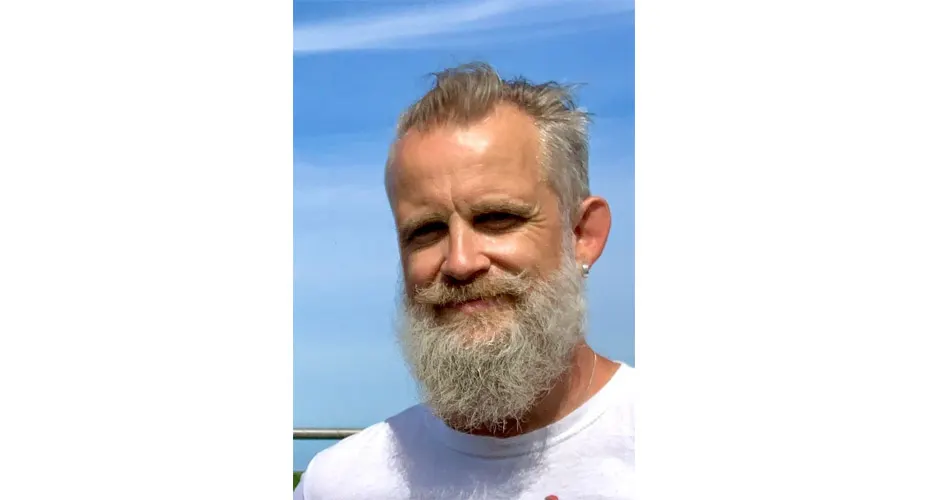
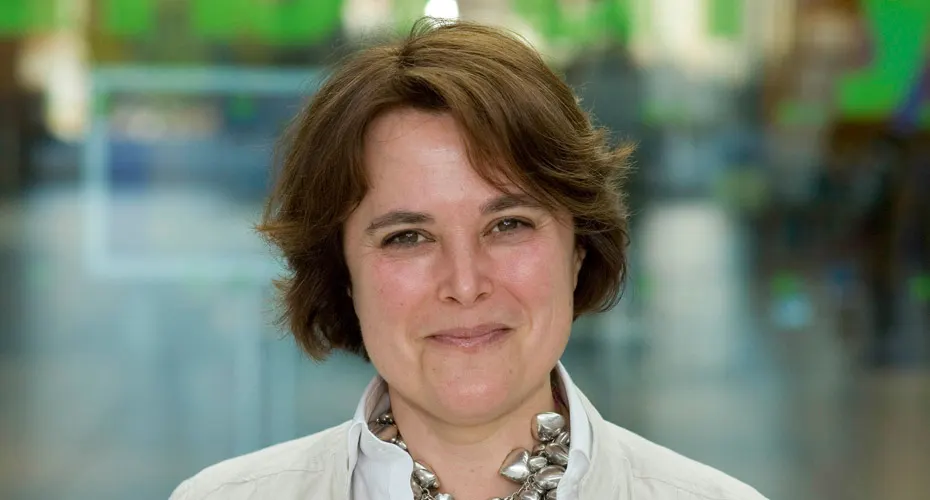
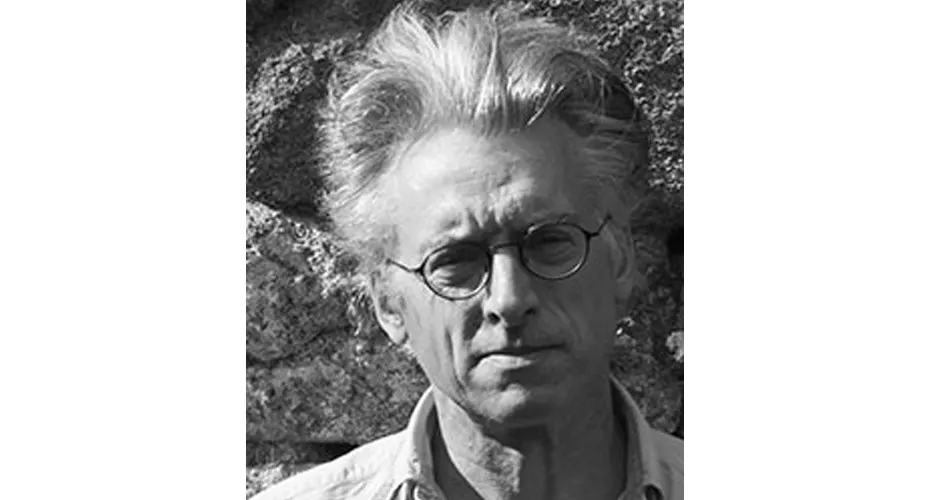
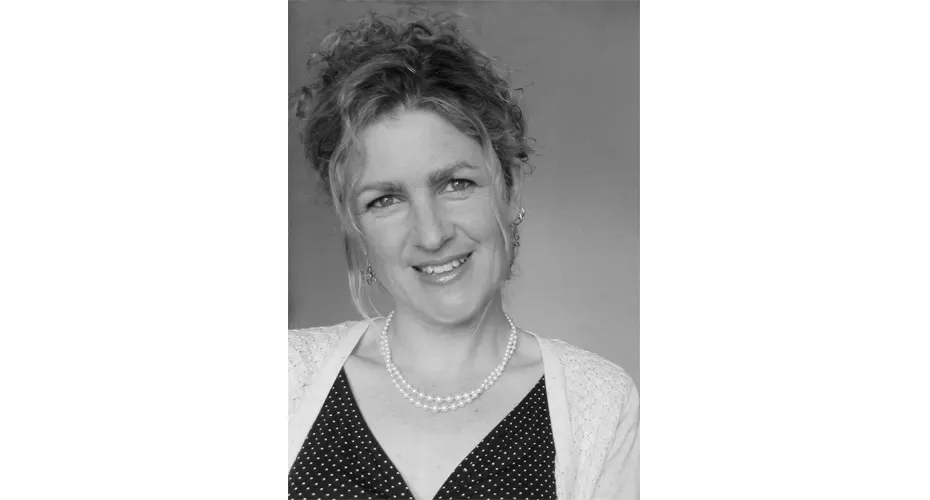
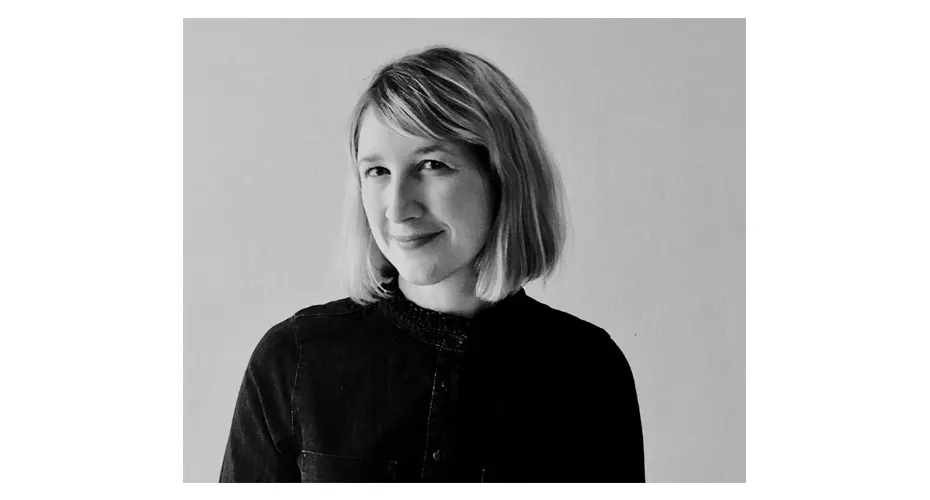
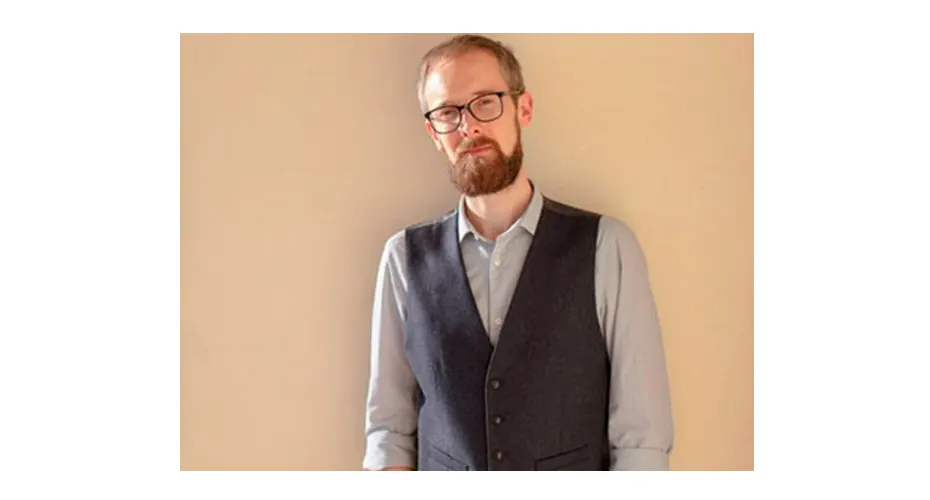
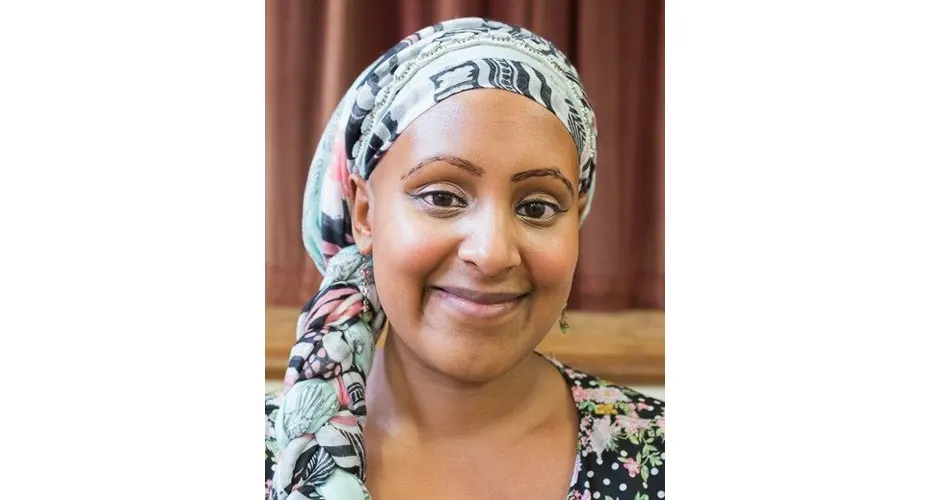
Andy has a notable national reputation as a poet, poetry commentator and poetry tutor. He is the author of 10 poetry collections and editor of several anthologies, including A Body of Work: Poetry & Medical Writing, for Bloomsbury. He has interests in Ecopoetics, and the Medical Humanities, and often collaborates with scientists. He is also a musician who performs regularly around the region.
John is an award-winning poet, prose nonfiction writer and broadcaster. His full poetry collections include Ghost Pot (2013) and Landfill (2017) both of which explore place, ecology and the relationship between science and poetry. He regularly works across disciplines and has led major Arts Council-funded arts projects including Dictionary of Stone and Sea Swim. He presented The Books that Made Britain (2016) & Through the Lens of Larkin (2017), both for BBC4.
A prize-winning poet, memoirist, novelist and broadcaster. Vensa’s books have been translated into twenty languages and serialised by the BBC. Before becoming an academic in English Literature and Creative Writing, Vesna spent fifteen years in publishing and as a producer at the BBC.
Sam has written eight novels, two books on the craft of writing, and two films. In 2010 he won an Eric Gregory Award; in 2004 his novel The Unnumbered was long-listed for the Man-Booker prize. His first novel won the Somerset Maugham Award.
An internationally successful children’s writer, as well as an academic with nearly twenty years lecturing experience. Since her debut in 2012, Wendy has published 15 children’s books and her work has been translated into 16 languages. Award-winning titles include: A Hen in the Wardrobe (2012), the Wendy Quill series (2013-2015), and How the Library (not the Prince) Saved Rapunzel (2015).
Ellen Wiles
Ellen’s first novel, The Invisible Crowd (Harper Collins, 2017) was awarded a Victor Turner Prize. Her first book, Saffron Shadows and Salvaged Scripts: Literary Life in Myanmar Under Censorship and in Transition (Columbia University Press, 2015) was the first to explore this literary culture through interviews and translations. Her new book, Live Literature: The Experience and Cultural Value of Literary Performance Events from Salons to Festivals (Palgrave, 2021), uses literary ethnography to explore participant experience, and has been described as ‘groundbreaking’, ‘stylish’, and ‘compelling’.
Ben’s debut novel Doggerland uses the lens of speculative fiction to engage with pressing contemporary issues such as renewable energy, ocean waste, climate change and the scale-effects of the Anthropocene. It was selected as a Guardian Book of the Year 2019.
Nazneen writes fiction for children and poetry for adults. Her first book, City of Stolen Magic, a historical fantasy for middle-grade readers, comes out with Puffin in summer 2023. She is represented by Louise Lamont at LBA Books, and currently holds the post of Hampshire Poet for 2022-23.
Careers
Whether your ambition is to become a full-time writer, a teacher of writing, or to develop a creative career which includes writing in one of its many forms, we have a strong track record of supporting our students through to publication and doctoral level work.
While at Exeter, our MA students publish their creative work inENIGMAand in the new postgraduate journalEXCLAMATION.
Alumni
Former University of Exeter students who have gone on to develop a writing career include poets such as Luke Kennard, Abi Curtis, Eleanor Rees, Izzy Galleymore, Jaime Robles, Jos Smith, Sally Flint, and Samuel Tongue; novelists Virginia Baily, Lucy Wood, and Ruth Gilligan; and non-fiction writers such as Miriam Darlington.
Many of our former students now work in film, broadcasting, advertising, journalism, PR, publishing, teaching – including the teaching of creative writing – as well as other careers in the growing number of fields where good writing is an asset.
Careers and employment support
While studying at Exeter you can also access a range of activities, advice and practical help to give you the best chance of following your chosen career path. For more information visit Careers pages.
Sign-up for more information about studying with us
If you're thinking about studying MA Creative Writing with us, signing up to our emails is the best way to discover if we’re the right university for you.
Streatham Campus in Exeter
The majority of students are based at our Streatham Campus in Exeter. The campus is one of the most beautiful in the country and offers a unique environment in which to study, with lakes, parkland, woodland and gardens as well as modern and historical buildings.
Located on the eastern edge of the city centre, St Luke's is home to Sport and Health Sciences, the Medical School, the Academy of Nursing, the Department of Allied Health Professions, and PGCE students.
Our Penryn Campus is located near Falmouth in Cornwall. It is consistently ranked highly for satisfaction: students report having a highly personal experience that is intellectually stretching but great fun, providing plenty of opportunities to quickly get to know everyone.