| UCAS code |
|
| Duration |
1 year full time
2 years part time |
| Entry year |
2027 |
| Campus |
Streatham Campus
|
Why study MSc Psychedelics: Mind, Medicine, and Culture at Exeter?
- The first academically certified on-campus MSc Psychedelics programme in the world.
- Transdisciplinary programme covering science, philosophy, history, and anthropology.
- Taught by world-leading academics at the forefront of psychedelic research.
- Enhance your knowledge and understanding of key theories and approaches to psychedelics.
- Develop a unique and diverse skillset in psychological therapy, neuroscience, ethics, metaphysics, and research methods.
Top 100 in the world for Psychology
Top 10 for Psychology in 3 major UK league tables
Top 10 in the UK for Philosophy
11th in the UK for internationally excellent research in Psychology
Entry requirements for 2027 entry
2:1 degree in any subject. Candidates with relevant professional or practical experience will be considered.
Please also see our guidance on essential documentation required for an initial decision on taught programme applications.
Entry requirements for international students
English language requirements
International students need to show they have the required level of English language to study this course.
The required IELTS test scores for this course fall under Profile B2.
Please visit our English language requirements page to view the required test scores and equivalencies from your country.
Course content and modules
This programme has been developed not only for therapists, counsellors and psychiatrists who are interested in branching out into the psychedelic sphere, but also for those with a growing interest in psychedelic research who want to continue their studies in this space. We have a global reputation as leaders in psychedelic healthcare and you will be taught by academics at the forefront of research.
Our MSc programme offers a combination of key theories and approaches in psychedelics involving both science (medicine, psychological therapy, neuroscience and research methods) and philosophy (ethics, metaphysics, aesthetics, and cultural contexts), history and anthropology. During the course you will be introduced to both practical and theoretical sides of contemporary psychedelic research.
Compulsory modules include: ‘Psychedelics – Mind: Metaphysics and Neuroscience’, ‘Psychedelics – Medicine: Clinical Application and Evaluation’, ‘Psychedelics – Culture: History, Anthropology, Ethics’, and a ‘Psychedelic Project’, which offers students the opportunity to explore in depth a particular topic of personal interest.
You’ll also choose from a diverse range of optional modules, which might include ‘Magic and Ritual’, ‘Nature, Health and Wellbeing’, and ‘Current Issues in Mind and Cognition’.
The modules below provide examples of what you can expect to learn on this degree course based on recent academic teaching. The precise modules available to you in future years may vary depending on staff availability and research interests, new topics of study, timetabling and student demand.
Please note that the module information displayed here is subject to change.
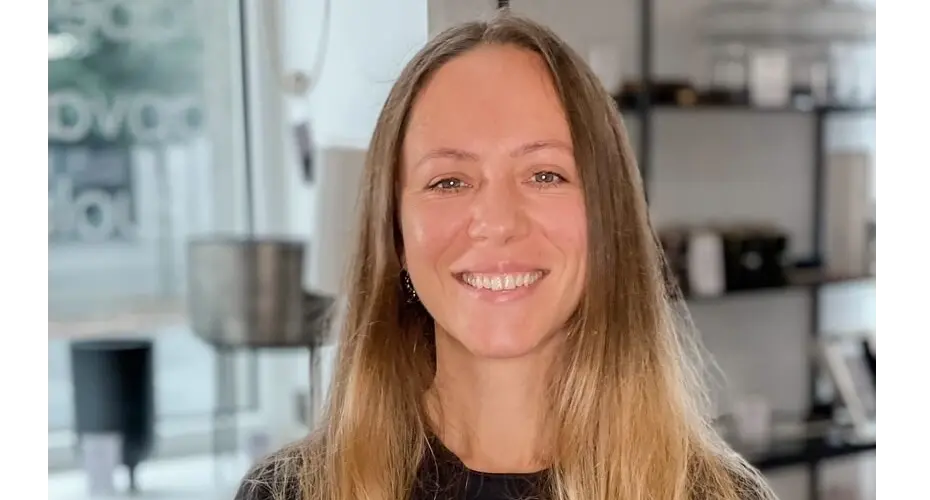
From day one, my mind was blown. In the context of psychedelics, ‘expanded’ would maybe be a more fitting word. From metaphysics, history, ethical conundrums – from PAT to appropriation of indigenous peoples’ knowledge and tradition – and anthropology to clinical stuff, neuroscience, and policy issues, combined, it gave me a very broad, rich understanding of the world I never knew existed.
Lina
Studying MSc Psychedelics: Mind, Medicine, and Culture
Fees
UK fees per year:
£15,000 full-time; £7,500 part-time
International fees per year:
£31,850 full-time; £15,950 part-time
Scholarships
The University of Exeter offers a wide range of scholarships to support your education, with £8 million available for international students applying to study with us in the 2027/28 academic year, including our prestigious Exeter Excellence Scholarships. We also provide awards for sport, music and other achievements, as well as regional and partner scholarships with organisations such as Chevening, the Commonwealth Scholarship Commission and the British Council. For more information on scholarships and other financial support, please visit our scholarships and bursaries page.
University of Exeter Alumni Scholarship
We are pleased to offer the University of Exeter Alumni Scholarship, a scholarship for University of Exeter alumni beginning a standalone postgraduate programme in 2027/28 with us a scholarship worth 20% of the cost of your first year tuition fees.
Terms and conditions, including deadlines, apply.
Teaching and research
How you'll learn
- Lectures
- Practical classes
- Seminars
- Tutorials
- Research project
- Convenor-led discussions
- Talks from external speaker
- Student presentations
- Group discussions
Learning from experts
Our staff are recognised internationally for their academic excellence, high-quality research and applied output. They actively research the areas of psychology they teach, so their expertise feeds directly into our research-led courses.
Contact hours
10 -12 hours per week on average.
Tutorial support
You will be allocated a personal tutor who is available for advice and support throughout your studies. You will also have access to specialist helpdesks for statistics and assessment feedback which are run by postgraduate tutors.
Assessment
Assessments will comprise examinations, essays, critical reviews, reports, posters and oral presentations.
Psychedelics research at Exeter
The programme is led by a group of world-leading experts in psychedelics, covering a wide array of disciplinary orientations. Exeter is at the forefront of psychedelics research:
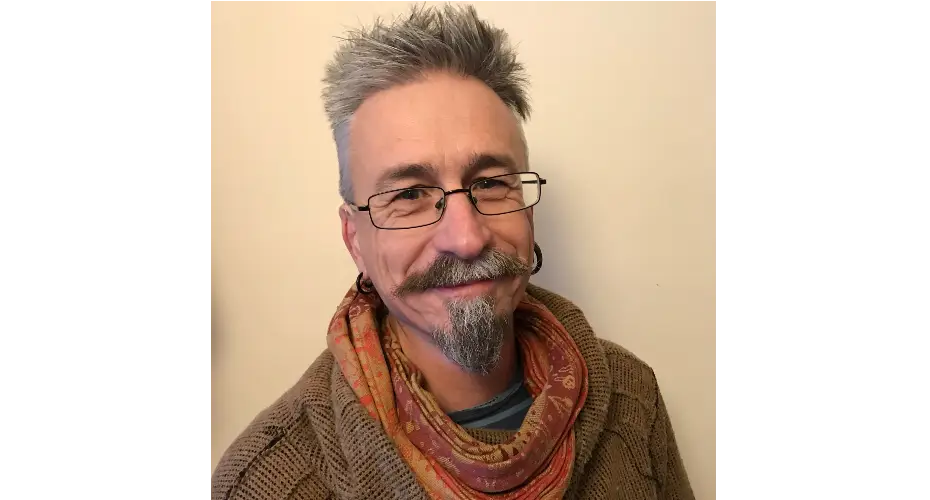
Dr Andy Letcher is an Ecologist and Religious Studies scholar with expertise in the critical study of neopaganism, shamanism, animism and psychedelic spiritualities.
Professor Celia Morgan is a psychopharmacologist and a leading researcher on psychedelics as a treatment for addiction. She has been listed as one of the most influential women in the psychedelics field (Insider 2022).
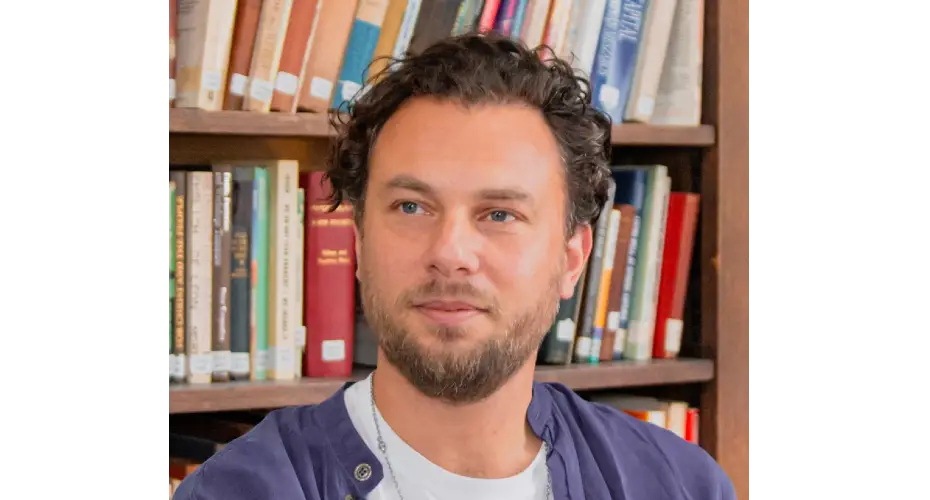
Dr Leor Roseman is an interdisciplinary psychedelic researcher with a background in neuroscience, psychology, phenomenology, anthropology and peacebuilding.
Dr Peter Sjöstedt-Hughes is a Philosopher of Mind and Metaphysics who specialises in altered states of consciousness. He has a reputation as the leading philosopher of psychedelics in the world, having given numerous talks on the subject.
Professor Christine Hauskeller is an expert in philosophy of medicine, sociology and the ethics of emerging healthcare technologies and is examining clinical trial methodology in psychedelic research through this lens.
Read more

Professor Celia Morgan

Dr Peter Sjöstedt-Hughes
Dr Andy Letcher
Dr Leor Roseman
Professor Celia Morgan
I am interested in the effects of drugs and alcohol on the brain and behaviour. My research has concentrated on examining both the benefits and side effects of recreational drugs on cognition, mental health and neurobiology. Through behavioural, neuroimaging studies and clinical trials, I have investigated the potentially therapeutic sides of controlled substances in clinical trials aimed at the treatment of addiction and in particularly looking at drugs such as ketamine and MDMA in combination with psychological therapies.
Profile page
Dr Peter Sjöstedt-Hughes
Dr Peter Sjöstedt-Hughes is a Philosopher of Mind and Metaphysics who specializes in the thought of Whitehead, Spinoza, Nietzsche, and Bergson—and in fields pertaining to panpsychism, pantheism, mental causation, and altered states of consciousness. Peter is co-director of Europe’s largest psychedelics conference, Breaking Convention, and is on the board of breathwork charity Dreamshadow. He is a member of the drugs advisory committee group, DrugScience, he is on the advisory board of the Tyringham Institute, and is on the team of the established UK independent publisher, Psychedelic Press.
Profile page
Dr Andy Letcher
I specialise in the critical and psychological study of what have been called 'dark green' religions: that is, religions that centralise their relationship to the nonhuman, such as Paganism, shamanism, animism and especially psychedelic spiritualities. I remain fascinated by the ways in which psychedelic experiences become interpreted through the language of religiosity and spirituality, but also by the hidden theological assumptions that sometimes lie behind psychedelic research, especially that regarding the psychology of mysticism.
I am the author of Shroom. A Cultural History of the Magic Mushroom (Faber &Faber 2006), numerous papers on psychedelics, and have most recently studied the use of psychedelics amongst contemporary Druids.
Profile page
Dr Leor Roseman
I am fascinated by the ways psychedelics modify consciousness from a biopsychosocial perspective. I have previously worked at the Centre for Psychedelic Research, Imperial College London, 2013-2023, under the mentorship of Prof. Robin Carhart-Harris and Prof. David Nutt. I have been in the midst of a so-called psychedelic revolution, supporting the foundational work of a re-emerging research field.
My interdisciplinary research covers neuroscience, psychology, phenomenology, anthropology and conflict resolution, using a wide array of research methods such as fMRI, quantitative, qualitative, microphenomenology, ethnographic, and participatory research
Profile page
Careers
This programme has been developed not only for therapists, counsellors and psychiatrists who are interested in branching out into the psychedelic sphere, but also for those with a growing interest in psychedelic research who want to continue their studies in this space.
Our MSc degree will provide you with one of the most institutionally-accredited certificates available globally for this type of employment within a rapidly-growing sector. It can either be used as a starting point for such work, or it can be used to upskill and up-qualify practitioners with experience.
Careers services
Our careers teams at the Career Zone can help guide you through a wealth of information to match your skills and interests to a career that will suit you. Our staff work with regional, national and international employers to develop new work placement, project and graduate opportunities.
Find out more about studying at Exeter
Sign-up for more information about studying with us
If you're thinking about studying MSc Psychedelics: Mind, Medicine, and Culture with us, signing up to our emails is the best way to discover if we’re the right university for you.