Education
Writing for Better Futures
We are now closed for applications. Our next start date for this course is TBC. Please enquire for more information and to register your interest.
EASM218Z
This course explores how literature can inspire change - from climate fiction to writing as activism. Through prompts or a self-directed project, you’ll create a portfolio of fiction, poetry or life writing with a reflective commentary that links it to the most pressing issues of our time.
This course is suited to:
This course is suited to writers who are eager to explore creative work grounded in social, political and environmental concerns - whether you’re writing fiction, poetry or life-writing. It also suits those looking to develop professional-level creative and critical skills with an eye toward publication, cultural relevance and socially-engaged readerships.
What will I learn?
You will engage with literature that seeks to make change - exploring how writing can respond to and influence contemporary issues such as climate crisis, identity, activism and representation. You’ll learn to understand and deploy writing as a socially engaged practice, gaining insight into how creative work (fiction, poetry or life writing) connects with cultural contexts, public discourse and audiences.
Alongside your creative work, you’ll develop critical skills by crafting a commentary that links your writing to broader debates and publication-potential. You’ll build your capacity for independent project work, structured by prompts or self-directed research, preparing you for careers and creative pathways where both cultural relevance and professional readiness matter.
Learning outcomes
- Develop a substantial and distinctive original portfolio of creative writing that aims to make an active, positive difference to the author, the reader, and / or society at large.
- Analyse, at an advanced level, how literature engages with social, political, and environmental challenges.
- Reflect critically on the relation between your own writing and the debates and issues that affect readers' lives.
- Situate your own creative practice within wider literary, cultural and critical contexts, articulating how your work engages with other writers, traditions and movements.
- Reflect critically on your creative process, including editorial decisions, influences, and development.
- Produce original creative work to a professional or near-professional standard, informed by in-depth knowledge of literary techniques and genre conventions.
- Plan and manage, independently and at an advanced level, a sustained creative project.
- Communicate, clearly and persuasively, complex ideas in both creative and critical writing, demonstrating an awareness of individual, social and corporate responsibility.
- Collaborate effectively and professionally in discussions and workshops, giving and receiving constructive criticism.
How is the module assessed?
| Assessments | % | Length/Duration |
|---|---|---|
| Creative Portfolio plan and extract of creative work | 0 | 1,000 words or equivalent |
| Portfolio of Creative Writing | 75 | 4,000 words prose OR 160 lines of poetry OR a hybrid work agreed in advance with your tutor. |
| Reflective commentary connecting your creative writing to an issue or issues discussed on the course. | 25 | 2,000 words prose. |
For this course, you should expect to engage in structured learning activities for 10-15 hours per week on average, plus additional time spent on self-directed learning (such as further reading or preparing for assessments).
The taught course can be completed in 12 weeks, with the final submission in week 11. Marking and feedback are provided after this, in line with University policy.
Module staff
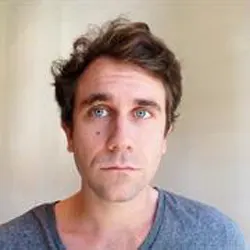
Dr Ali Lewis
Course convenor; Lecturer in Creative Writing
Entry Requirements
There are no academic entry requirements for our online short courses. We will, however, consider all applications individually on merit, and will in particular consider applications where there is evidence of significant relevant work experience or professional qualification.
English language requirements
International students need to show they have the required level of English language to study this course.
The required test scores for this course fall under Profile B2.
- 12 weeks (plus assessment and feedback)
- 10-15 hours per week on average
- 30 Masters level credits