Colloquium
The Exeter Transdisciplinary Psychedelic Colloquium meets (hybridly) during term time every other Friday at 3.30pm [and some special occasions out of term] on Streatham Campus.
To keep up-to-date on upcoming colloquium meetings and to receive calendar invites with joining details please use this contact form to sign up.
Lists of speakers and links to abstracts and recordings can be found below.
Y5 Colloquium Meetings 2025-2026
Henry Fisher (3rd October 2025)
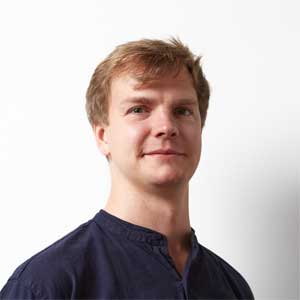
Dr Henry Fisher is the Chief Scientific Officer and Co-founder of Clerkenwell Health, a CRO and clinical research site network specialising in psychiatry and CNS research, with a core focus on clinical trials with psychedelics. He leads on trial design, regulator engagement, clinical development advisory services and controlled drug licensing compliance. He holds a DPhil from Oxford in Pharmaceutical Chemistry. Formerly, he has worked for Volteface drug policy think tank, The Beckley Foundation and The Loop. Since then Henry has founded three companies in the psychedelics and cannabis sectors and advised clients on R&D strategies, IP generation and research operations.
Colloquium Presentation: 03 October 2025 (Sir Henry Wellcome Building, G17 3.30-5pm)
From Clinical Trials to Clinical Practice: Mapping the Next Steps for Psychedelic Research and Development
Abstract
Psychedelic research is at a critical inflection point, with multiple Phase II and III trials demonstrating clinically meaningful effects of these treatments across a range psychiatric disorders, and several more Phase III trials underway or planned in the near future. As these interventions near regulatory review by the FDA and MHRA, the field must address the translation of highly controlled trial protocols into scalable, evidence-based clinical practice. A major priority is clarifying the many variables in the psychotherapeutic component of psychedelic-assisted therapy, which likely key drivers of treatment outcomes. Meanwhile, a robust regulatory framework has yet to be established to ensure therapist credentialing, fidelity monitoring, and patient safety while promoting equitable access. Additionally, moves to understand the application and any necessary adaptions of these interventions to real-world populations is vital: from understanding the impact of menstrual cycles on treatment scheduling, through to expansion into more complex treatment populations including dual diagnosis populations, vulnerable adults, adolescents and severe presentations requiring prolonged in-patient care. This talk will discuss some of the initiatives and research collaborations Clerkenwell Heath is undertaking to address this research gap, discuss the many areas where more needs to be done before the full potential of these interventions can be realised, and ask where this research might come from.
Rebecca Harding (17th October 2025)
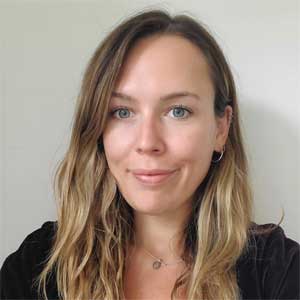
Rebecca Harding is a 4th-year PhD student at the Clinical Psychopharmacology Unit, University College London, where she works on the UNITy project. Prior to her PhD, she was a Research Scientist at Clerkenwell Health, working in the psychedelic pharmaceutical industry. She completed her MSc in Translational Neuroscience at the Centre for Psychedelic Research, Imperial College London, where her research used fMRI to investigate the differential effects of SSRIs and psilocybin in treating Major Depressive Disorder. Her current research focuses on how psychedelics alter neural function to drive therapeutic effects, with a particular emphasis on mechanisms underlying addiction. She applies naturalistic paradigms and network neuroscience methods in fMRI to elucidate the neurobiological changes that underpin lasting clinical outcomes.
Colloquium Presentation: 17 October 2025, 3:30-5pm (Room G17, Mood Disorder Centre, Sir Henry Wellcome Building)
Neural correlates of the therapeutic effects of psychedelics
Abstract
Psychedelics have demonstrated significant therapeutic potential across a range of psychiatric disorders, including depression, anxiety and addiction. Functional neuroimaging provides a unique window into the neural mechanisms underlying these clinical effects, revealing how psychedelics alter brain function both acutely and over the longer term to mediate lasting therapeutic change. Using resting-state and task-based fMRI paradigms, studies have identified consistent patterns of altered connectivity and activity that may reflect transdiagnostic mechanisms of symptom relief and recovery. This talk will review the current evidence on the neurobiological basis of psychedelics’ clinical efficacy, highlight key challenges in neuroimaging research, and discuss the critical questions that remain unanswered.
Yogi Hale Hendlin
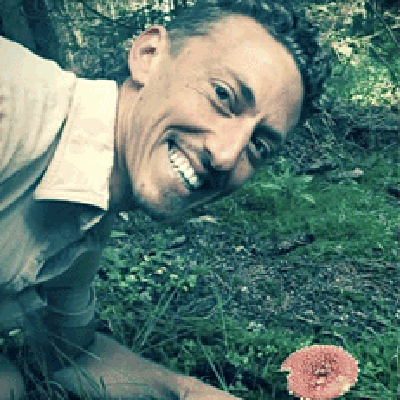
Yogi Hale Hendlin is an environmental philosopher and public health scientist. Currently Assistant Professor of Philosophy and member of the Dynamics of Inclusive Prosperity Initiative at Erasmus University Rotterdam, Hendlin is also a member of the The Center to End Corporate Harm at the University of California, San Francisco, and Principal of the Feral Ecologies Lab. Editor-in-Chief of the journal Biosemiotics, Hendlin is also editor of two books (Food and Medicine: A Biosemiotic Perspective and Being Algae: Transformations in Water, Plants). Hendlin’s work investigates ecologies of meaning, and takes seriously the implications of 5EA cognitive science that experience is distributed throughout many dimensions and emerges ecologically as an outside-in affair.
Colloquium Presentation: 24 October 2025, 3:30-5pm (Room G17, Mood Disorder Centre, Sir Henry Wellcome Building)
Fractal Ecologies and Ecodelics
Abstract
Richard Doyle’s conceptualization of entheogens not as psychedelics (mind- or soul-manifesting) but ecodelics (ecology-manifesting) repositions Osmond’s 1956 definition of substances “producing expanded consciousness through heightened awareness and feeling” to locating the relationship of psychedelics as one from the outside-in. Rather than thinking of set, setting, and matrix as afterthoughts, the pharmakon of traditionally contextualized psychedelics was precisely their ecodelic nature. This relationship between non-local, symbiotic logics and non-local, symbiotic ecologies understands ‘eco’ not just as a material substrate, but acknowledges that the web of life exists with its bacteria, viruses, plants, fungi, animals, and other analogues, mutualistic, commensal, and parasitic, in equal abundance in the non-material realms. This ecological theology then, understands ecodelics as the opening to other ecologies — with their beauty and their dangers, no different than we find in the physical lush yet potentially deadly ecosystems on this planet. This talk will explore the potential nature of these fractal ecologies and the various posited ecodelic approaches by Doyle and others, as well as the implications and ethics surrounding creating structures (such as machines and AI) which may give ‘body’ in this realm willy-nilly to creatures not normally embodied in our realm.
Keith Williams, Laura Pustafi, Andrée-Anne Bédard (Online: 7th November 2025)
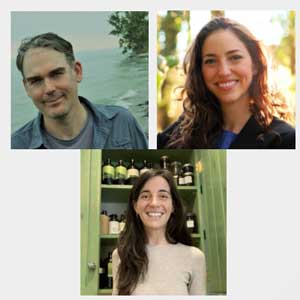
Watch Keith, Laura, and Andrée-Anne's Talk
Keith Williams is an Assistant Professor in the Centre for Interdisciplinary Studies at Athabasca University. Keith gardens and swims in the powerful tidal environment of the Bay of Fundy in Mi’kma’ki, Nova Scotia. His work focuses on better understanding how to be good relations with our more-than-human kin. Keith draws heavily on posthuman and Indigenous thought as well as lived experiences with family members—human and otherwise.
Laura Pustarfi is a lecturer in Philosophy and Religion and Director of the Psychedelic Certificate Program at CIIS. She teaches in both the Ecology, Spirituality, and Religion program as well as in the Philosophy, Cosmology, and Consciousness program. Her scholarly work examines trees and plants in Western thought with particular focus on an arboreal and vegetal ontology and ethics that respects plants themselves.
Andrée-Anne lives with her family in beautiful Mi’kma’ki, by the Northumberland Strait, in Nova Scotia. She is a traditional Western herbalist, clinician by training, and educator at heart. For several years, she operated a small herbal clinic within a doctor’s office, and has recently shifted her focus to managing the Indigenous midwifery program in development at FNTI, an Indigenous Institute located in Tyendinaga, Mohawk Territory.
Colloquium Presentation: 7 November 2025, 3:30-5pm (Room G17, Mood Disorder Centre, Sir Henry Wellcome Building)
“Skin contains land and birds”: Understanding inner healing intelligence through critical vitalism and Indigenous thought
Abstract
Inner healing intelligence (IHI) is a foundational orienting concept in the psychedelic-assisted therapy (PAT) field that refers to the innate tendency of living beings to move towards healing. In this paper, we introduce an expanded articulation of IHI, drawing largely on vitalism and Indigenous philosophy from the Americas. We conceptualize IHI as the innate capacity of an individual to move towards healing by engaging with the vital life force of existence specific to place and intrinsic to the myriad more-than- human relationships that constitute the extended self. Rather than presenting a prescriptive framework, our aim is to invite the PAT community to take IHI seriously and to imaginatively explore the im- plications of this expanded view. We offer this articulation not to define or delimit the concept, but to contribute to a broader, ongoing conversation about the relational and ecological dimensions of healing. By foregrounding the ontological and ethical consequences of IHI, we suggest that this perspective can enrich therapeutic practice and support the collective aspirations of the psychedelic renaissance. To this end, we propose several recommendations for how a more emplaced, embodied, and relational enactment of IHI might unfold in practice, while pointing to future directions for inquiry that resists closure.
Soraida Chindoy and Helen Knowles
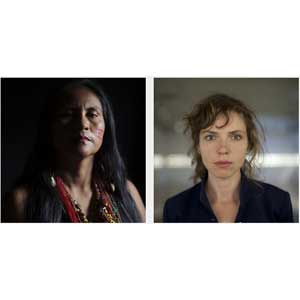
Soraida Chindoy is an indigenous guardian, mother and activist who is working to defend the sacred Putumayo mountains. The territory is also home to 56 lagoons considered sacred by the Indigenous people and represents the meeting point between the Amazon rainforest and the Andes. This area is currently endangered by the establishment of a copper mine.
Helen Knowles is an artist working with expanded forms of moving image. Her practice examines the intersection of immateriality and life, focusing on responsibility, autonomy, and ethics in relation to technology, AI, and the non or more-than-human. Knowles explores the digital world through a planetary lens. Working collaboratively with indigenous communities, medics, scientists, lawyers, crypto specialists, midwives, childbirth professionals and inmates.
Colloquium Presentation: 14 November 2025, 3:30-5pm (Room G17, Mood Disorder Centre, Sir Henry Wellcome Building)
Indexed Beings – Film Showing
Indexed Beings is the second in a trilogy of artist films by Helen Knowles, developed through her practice-based PhD at Northumbria University. Filmed in Mocoa, Putumayo, Colombia, the work was made in partnership with members of the indigenous Kamëntsá, Inga, Cofan and Siona communities and the Herbario Etnobotánico del Piedemonte.
The 42-minute film centres on the re-enactment of a dispute that took place in the Herbarium of Piedemonte, Mocoa, in the Colombian Amazon, between a scientist and a local taita (shaman) over the role of the herbarium. For the scientist, it is a vital tool to defend territory from exploitation and protect its biodiversity; for the taita, plants are autonomous, intelligent beings that cannot be catalogued. Through performance, collaboration and dialogue, Indexed Beings explores plant sentience and asks how knowledge shifts when we recognise more-than-human intelligence, asking whose knowledge really counts?
The screening will be followed by a conversation with artist, Helen Knowles and collaborator and participant in the film Soraida Chindoy Buesaquillo, an indigenous guardian, mother and activist who is working to defend the sacred Putumayo mountains.
Mourad Wahba
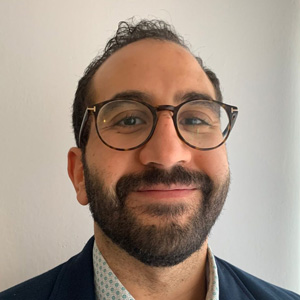
Mourad is a Consultant Psychiatrist and Lead Clinician for the Care Pathway Enhancement (CaPE) Clinic, a specialist mood disorder research clinic within the Cumbria, Northumberland, Tyne and Wear NHS Foundation Trust. Clinically, he works in the space between primary and secondary care, supporting people with mood disorders across a wide range of complexity. Academically, his focus is on novel and emerging treatments, with a particular interest in psychedelic therapy.
He has long been fascinated by the synergy between pharmacology and psychotherapy—something he believes psychedelic therapy captures beautifully—which brought him to the UK in 2014 to pursue this interest. In recent years, he has overseen the delivery of psilocybin trials in Newcastle and now leads the local delivery of psychedelic research, alongside other studies investigating treatments such as neurostimulation. He also holds an honorary clinical lectureship at Newcastle University, where he occasionally teaches and supervises medical students.
Outside of clinical work, Mourad enjoys sharing developments in the field of psychedelic psychiatry with both clinical and public audiences, and has delivered talks and educational sessions on this topic at events across the UK.
Colloquium Presentation: 21 November 2025, 3:30-5pm (Room G17, Mood Disorder Centre, Sir Henry Wellcome Building)
Mood disorder research clinics in the UK: A game changer for novel therapies?
Abstract
Specialist mood disorder research clinics are popping up across the country and are revolutionising how patients access novel treatments. Forming the Mental Health Translational Research Collaboration Mood Disorder Network, these clinics link experts and mood disorder enthusiasts across the country and deliver high-quality research trials, bringing promising new therapies to those within the care system.
The Care Pathway Enhancement Clinic in Newcastle was one of the first such clinics to develop and has been running for the past three years. This talk will explore its structure, its role within the national network, and how it contributes to delivering innovative treatments to patients who need them most.
Hannah Farrimond
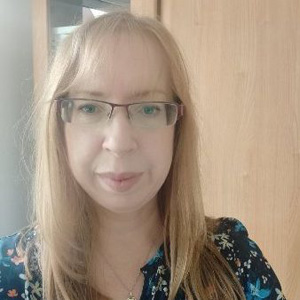
Hannah Farrimond is an Associate Professor in Medical Sociology at the University of Exeter, UK. She analyses the socio-cultural shifts in meanings concerning drugs and pharmaceuticals (e.g. alcohol, smoking/vaping, cannabis, psychedelics, sleeping medications). She focuses particularly on stigma change over time, so that we can better understand stigma, then challenge it through public health policy.
Colloquium Presentation: 5 December 2025, 3:30-5pm (Room G17, Mood Disorder Centre, Sir Henry Wellcome Building)
What is psychedelic stigma and why should we care about it?
Abstract
In psychedelic communities of practice, psychedelic use is usually socially valued. However, for psychedelic use and therapy to go mainstream, stigma (as a form of social devaluation) and lack of acceptability remain a barrier to widespread uptake. Beliefs such as psychedelic therapies are ‘not for people like me’ or fears about disclosure deter use. In this talk I will outline a novel theory of social mutation, or stigma change over time, which has three dimensions; a) stigma lineage or history b) stigma variability in different contexts and c) stigma strength. I will examine the dynamism of psychedelic stigma, identifying established and novel connections that are occurring both locally and globally, within and beyond traditional group boundaries. I will argue that although psychedelic stigma is being revalued in the psychedelic renaissance, other forces continue to maintain stigma; both stigmatising and counter-stigmatising narratives can exist simultaneously. I invite discussion of the implications for practice and policy.
Tony Barnett
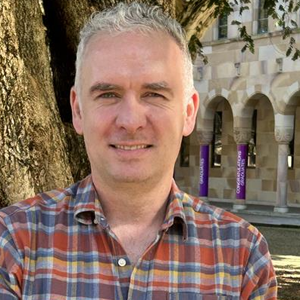
Dr Tony Barnett is a Research Fellow in the School of Psychology at The University of Queensland in Brisbane, Australia. Tony’s work explores the social and cultural contexts of alcohol and other drug use, treatment (including novel therapeutic interventions) and policy change. His work draws on critical social science methods to provide in-depth accounts of consumers, carers and clinicians’ experiences of addiction treatment, care and recovery. He is currently focussing on a new program of work entitled “The psychedelic revival in addiction research and practice: A social and policy analysis in Australia and the UK” (funded by an Australian Research Council, Discovery Early Career Researcher Award 2025 to 2028). His trip to the University of Exeter is supported by a “QUEX Workshop Grant” (with Associate Prof. Farrimond and Prof. Hauskeller), which opens the opportunity for discussions and collaborations between The University of Queensland and Exeter on psychedelic topics. On that note, he would love to hear about any research people at Exeter are conducting on psychedelics, hence please feel free to get in touch with him before or after the talk!
Colloquium Presentation: 16 January 2026, 3:30-5pm (Room G17, Mood Disorder Centre, Sir Henry Wellcome Building)
Psychedelics in addiction research and treatment: Social and policy implications in the Australian context
Abstract
Addiction researchers have long been searching for biomedical treatments to address difficult to treat addiction problems. Psychedelic therapies have been labelled as a potential breakthrough treatment for alcohol and other drug addiction. Contemporary clinical trials aim to extend a historical, scientific focus on psychedelics to treat what are framed as treatment refractory addictions (e.g., psilocybin for alcohol use disorder). Although Australia has (controversially) moved to fast track the translation of psychedelics to clinical practice for depression and PTSD, concerns have been raised about how psychedelic treatments might be translated to treat addiction, with resultant benefits or harms impacting different groups in society affected by addiction. People seeking addiction treatment have been targeted by dubious for profit clinics promoting psychedelic “cures” to their addictions at significant personal costs and harm with little evidence of their efficacy and limited regulatory oversight. Addressing these concerns, Tony’s work explores the policy and social implications of psychedelics in addiction research and treatment, including equitable access to clinical trials and treatment in contemporary society. Guided by a responsible research and innovation framework, he argues that there is an urgent need to ensure that the translation of psychedelics to practice is conducted in an ethical way, that promotes the wellbeing of a large cohort of Australians seeking addiction treatment. Discussion will be invited from attendees to unpack these concepts further.
Rob Taylor
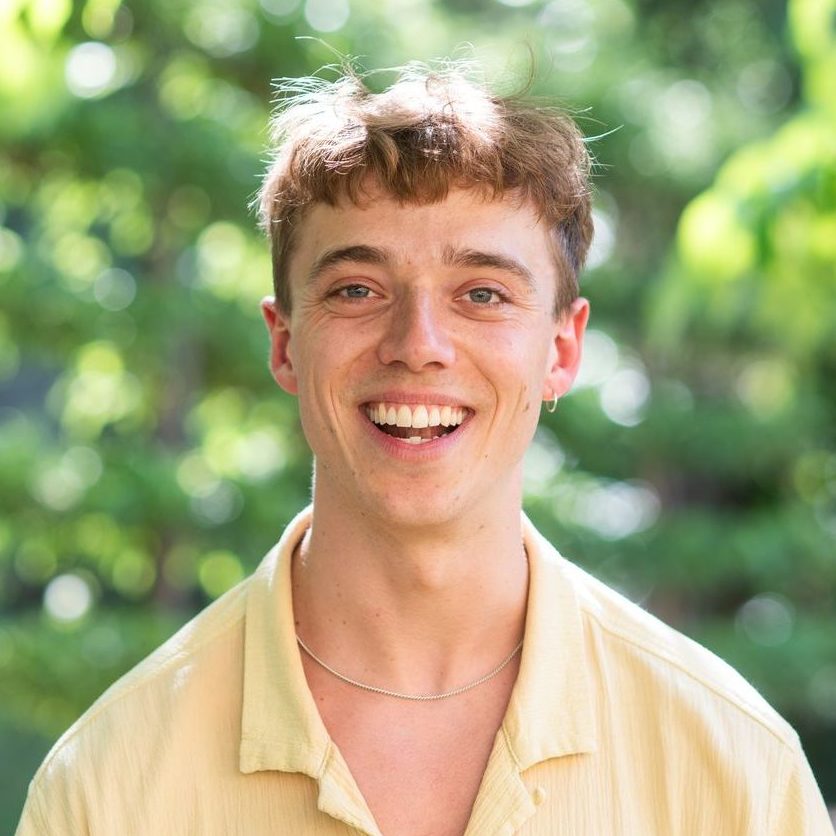
Robert is a DPhil research student and Senior Scholar at New College, University of Oxford. He received his Double First Class MA in History from New College and MPhil in American History from Cambridge, before working in education and social outreach in London. He is interested in the British counterculture of the 1960s and early 1970s, and specifically its fascination with Indian music and spirituality. His research asks how Indian cultural forms became so prominent a mere generation after Indian independence from Britain and partition in 1947. The project was inspired by his own experiences of playing psychedelic music and numerous travels through India.
Colloquium Presentation: 30 January 2026 (Sir Henry Wellcome Building, G17 3.30-5pm)
A Trip to India: Countercultural Indophilia and Post-Imperial Memory, c. 1965-1973
Abstract
This paper explores British countercultural thinking between the mid-1960s and early 1970s. It focuses on contemporary written sources to investigate the fascination of so-called ‘hippies’ with a culturally contingent and philosophically unifying idea of India. Engaging with recent historiography, it argues that the importance of India to British culture, following Indian independence and partition in 1947, has been significantly underplayed. It will be demonstrated that the psychedelic experience was central to such shifting perceptions. How did these people understand themselves and their worlds? And how does this specifically relate to enduring colonial ideas of India? Taking ‘hippie thought’ seriously from an intellectual history perspective also raises questions about how we should live our lives and implement our values in the West, as well as the importance of respectfully learning from other cultures around the world.
Bruce Parry (13th February 2026)
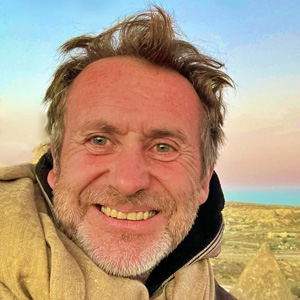
Bruce Parry is a British filmmaker and author best known for the BBC series Tribe, Amazon, and Arctic. His work has involved living for extended periods with Indigenous communities around the world, exploring culture, ecology, ritual, and different ways of understanding mind and self. In recent years his focus has turned toward consciousness, animism, and the relationship between human attention, landscape, and responsibility. He is currently writing a book exploring power and equality through the lens of his experiences with Indigenous societies.
Colloquium Presentation: 13 February 2026 (Peter Chalk Centre, Newman Purple 3.30-5pm)
A Life of Exploration: Inside and Out
Abstract
Drawing on experiences from a life spent travelling and living with Indigenous societies, Bruce Parry reflects on encounters that shaped his understanding of life, society, and consciousness. These include time in remote landscapes, participation in ritual, moments of disorientation and belonging, and encounters with plant medicines, all considered as part of a wider exploration of attention, relationship, and what it means to be human.
Background Materials
Tawai – A Voice From the Forest (Film)
Look for:
Tribe Babongo (Iboga)
Amazon with Bruce Parry – Episodes 1-3 (Ayahuasca)
Tribe Sanema (Ebene)
Rob Edwards (27th February 2026)
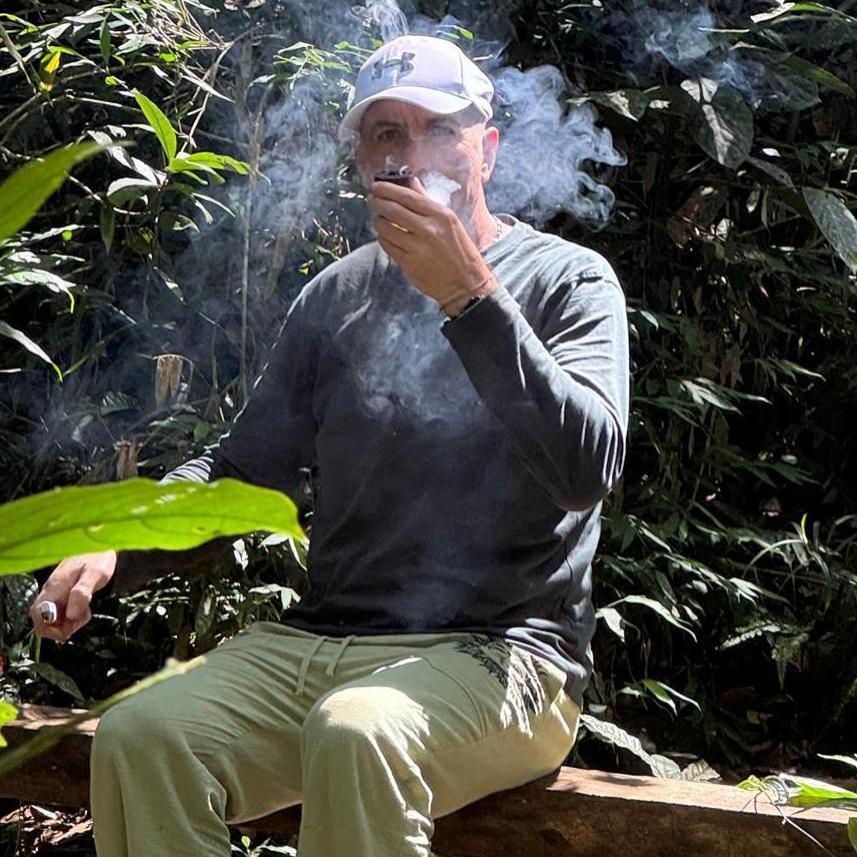
In his talk Rob will describe his personal journey, working with indigenous wisdom he has received from the Shipibo and the Mamos. And how this has helped him heal from his traumas.
He will then go onto how to describe the work of, The Way of the Warriors.
Harm reduction panel
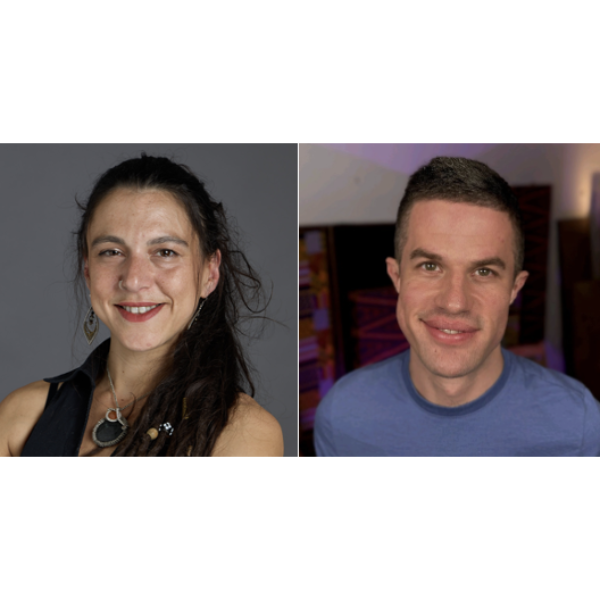
Dr Josh Torrance is an innovation officer at Cranstoun. He does a mixture of harm reduction, drug policy, training delivery, drug market monitoring, social media content and various projects that aim to reshape drug treatment. One of these projects over the last year has been drugbot, a curated AI tool that can provide a practically useful answer to (almost) any questions about drugs. In his spare time he runs Rave Aid Crew, a welfare organisation that operates at illegal raves.
Amanda Guzinska has long been driven by curiosity about human behaviour and a passion for helping others. In 2011, she found her calling with PsyCare UK, starting as a volunteer and progressing to administrator, trustee, and ultimately Director in 2025. Since joining, she has helped support the organisation’s growth from a grassroots initiative into a thriving therapeutic community serving hundreds each year. Amanda’s vision is to expand PsyCare UK beyond festivals by creating local community hubs nationwide, increasing access to compassionate, immediate mental health support.
David Nutt
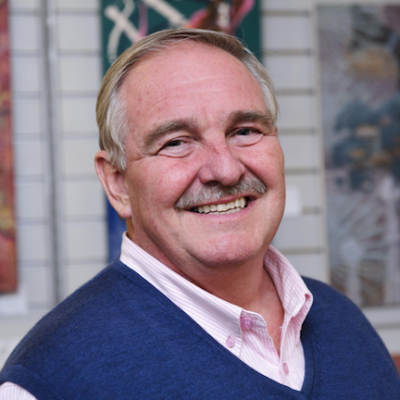
David Nutt is a psychiatrist and the Edmond J. Safra Professor of Neuropsychopharmacology in Imperial College London and Chief Research Officer of Awaknlifesciences. He is currently Founding Chair of the charity DrugScience.org.uk and has been president of the European Brain Council, the BAP, BNA, and ECNP. David has published 35 books and over 1000 research papers that define his many landmark contributions to psychopharmacology including GABA and noradrenaline receptor function in anxiety disorders, serotonin function in depression, endorphin and dopamine function in addiction and the neuroscience and clinical utility of psychedelics.
20 Years of Psychedelic Research – and 21 Learnings
Abstract:
Its 20 years since I began to research psychedelics at Bristol University with Robin Carhart-Harris with our conducting the first fMRI studies of psilocybin. The field has massively expanded since then into more drugs, more measures and much more clinical work. My talk will cover what are the 20 most important learnings for me in that period.
Roei Zerahia
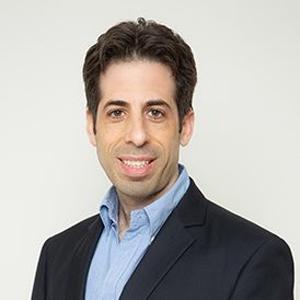
Senior Faculty Member at the faculty of Engineering & the Co-Founder of MSICS Pharma – a pioneering company which produces innovative pharmaceutical naturally sourced GMP Psilocybin products.
Colloquium Presentation: 27 March 2026 (Sir Henry Wellcome Building, G17 3.30-5pm)
Abstract
The lecture will provide an overview of the regulatory status of the psilocybin field, and will go over the various processes in the value chain of growing and manufacturing a psilocybin-based medical product for human use, from the regulatory process phase, starting from the genetics, the stages of growing and processing, registration, manufacturing of the various products, and the connection to hospitals to promote clinical trials for the development of the industry to bring innovative solution for the unmet medical needs in the mental health industry around the world.
Adana Omágua Kambeba
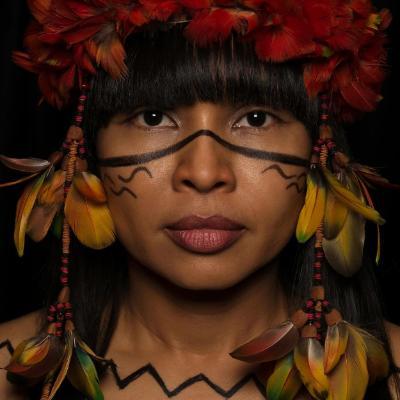
Adana Omágua Kambeba is an Indigenous physician from the Omágua/Kambeba people, known as the “People of the Waters,” whose presence extends across the Brazilian, Peruvian, Colombian, and Ecuadorian Amazon. Born in the state of Amazonas, Brazil, and raised between Indigenous and non-Indigenous worlds, she dedicates her work to building bridges between Indigenous traditional medicine and contemporary biomedical science. As a spiritual leader in formation, she is currently carrying out a social, cultural, identity-based, and spiritual initiative together with her people in Omágua/Kambeba communities in the Amazon. She is the first woman physician of her people in Brazil and the first physician in the country authorized to officially register both of her names (Indigenous and Portuguese) with the Brazilian Federal Council of Medicine (CFM). She also served on the CFM Commission for the Integration of Frontier Physicians, seeking to promote dialogue between ancestral knowledge and institutional medicine. She currently works as a cannabis-prescribing physicin, serves as Director of Community Health at the Psychedelic Parenthood Community (PPC), and participates in national and international initiatives to protect the cultural heritage of forest medicines and advance Indigenous leadership in global discussions on ayahuasca and Indigenous biocultural knowledge.
Psychedelic Parenthood: Intergenerational Healing, Harm Reduction, and Psychedelic Justice
Abstract:
What does it mean to care in times of psychedelic expansion?
This talk offers a reflection on the role of parenthood in psychedelic contexts, exploring how these experiences affect not only individuals, but also families and generations. It invites us to see parenthood as a space for the transmission of healing, memory, and responsibility.
Drawing from a dialogue between ancestral knowledge and contemporary practices, the talk will address themes such as intergenerational healing, responsibility in care, harm reduction, and the need for psychedelic justice—one that recognizes the importance of building ethical pathways that consider not only the individual, but also families and future generations within their cultural, territorial, and historical contexts.
More than a discussion about substances, this is an invitation to rethink care, family, and the future.
Archive
For a list of speakers and links to abstracts and recordings from previous colloquium see: