Colloquium Meetings 2026-2027
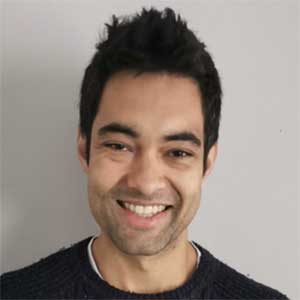
Ravi Das
3 December 2026
Applying the Neuropsychopharmacology of Memory to Understand and Treat Mental Health Disorders
Abstract: A number of mental health disorders, including addiction, anxiety disorders and PTSD can be understood as the result of neuroplastic adaptations to an individual’s environment, leading to ‘fixed’ maladaptive brain network states that are easily activated but resistant to subsequent change. These maladaptations may manifest as repetitive negative thoughts in depression, compulsive drug use in addiction, avoidant behaviours in phobia, or intrusive re-experiencing of trauma in PTSD. Learning and memory research has made substantial progress in identifying the primary mechanisms via which these neurobehavioural adaptations occur and, more importantly, may be reversed. As such, the neuroscience of memory plasticity may be key to understanding the pathoetiology of the above disorders and their effective treatment.
In this talk, I will overview a decade of translational research attempting to leverage the neuroscience of memory plasticity to better understand substance use, eating and stress disorders and identify promising new modalities for their treatment. This will focus on the processes of memory consolidation and reconsolidation and how they may be targeted by drugs, including ketamine, nitrous oxide and cannabinoids, or purely behavioural interventions, to produce lasting changes in behaviour. I will present new findings from research using neurostimulation approaches (TMS and TIS) to dissect the circuits underlying threat memory and its suppression. I will also overview the UNITy study - the first ever study applying a memory plasticity framework to understand the mechanisms of psychedelic drugs in alcohol use disorder.
Bio: Professor Das is a Clinical Pyschopharmacologist at University College London whose research interests revolve around developing new, more effective interventions for reward and fear-related mental health conditions like substance and alcohol use disorders, binge eating disorders and post-traumatic stress disorder. His work aims to better understand the maladaptive brain, psychological and pharmacological mechanisms that underpin these disorders, in order to inform how we can make treatments better.