Colloquium Meetings 2026-2027

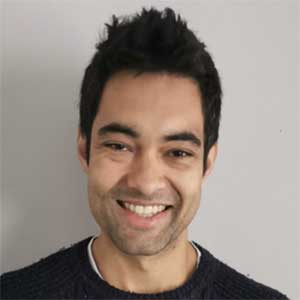
Torsten Passie
A Model Training Curriculum for Psychedelic, Psycholytic, and Entactogen-Assisted Psychotherapy
2 October 2026
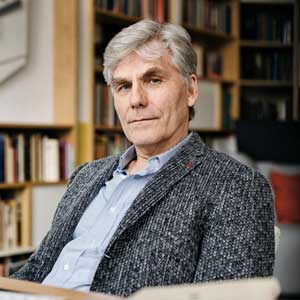
Torsten Passie MD, MA is Professor of Psychiatry and Psychotherapy at Hannover Medical School (Germany). He studied philosophy, sociology (M.A.) at Leibniz-University, Hannover and medicine at Hannover Medical School. His medical dissertation was on existential psychiatry. He worked at the Psychiatric University Clinic in Zürich (Switzerland) and with Professor Hanscarl Leuner (Göttingen), the leading European authority on hallucinogenic drugs. His research covers the psychophysiology of altered states of consciousness and their healing potential, including clinical research with cannabis, ketamine, nitrous oxide, MDMA, LSD and psilocybin. He is an expert on the pharmacology of hallucinogenic drugs and their psychotherapeutic use. He was Visiting Professor at Harvard Medical School in Boston (USA) 2012-2015. He works as a scientists and as a head of a large psychotherapeutic clinic in Germany. His books include The Pharmacology of LSD, Healing with Entactogens, and The History of MDMA.
Colloquium Presentation: 2 October 2026
Abstract
Origins – Development Process – Specific Features
Following several years of work by an international team of authors, a model curriculum for psychedelic, psycholytic, and entactogen-assisted psychotherapy was recently published. The presented model was developed entirely independently of the constraints of clinical research studies, commercial interests, and national professional associations, through an international, non-schematic process. Its goal was to demonstrate what a training curriculum for these new forms of therapy—based purely on factual and pedagogical considerations—should look like.
The presentation will outline the origins, the various steps involved, and the discussions that took place leading up to its completion. In particular, it will address sensitive issues such as questions regarding program content, self-experience, supervised learning, and intercultural sensitivity. The presentation will also explore the potential applications of the model.