Centre for Human-Animal-Environment Bioarchaeology (HumAnE)
Our mission is to explore human-animal-environment interactions though time, using techniques from across the Arts-Science spectrum. By so doing we increase the power of our results to contextualise present day bio-cultural problems and inform mitigation strategies.
We address both scientific and socio-cultural aspects of human-animal-environment interactions, uniting ancient and modern datasets to transform standards of research practice, increase the power of our results and effect culturally specific, positive, impact.
In this section
Centre staff
Our research involves staff and postgraduate students within the department, as well as academic staff from other institutions. More information about the research specialisms, publications and projects of our staff can be found within their individual profile pages.
Centre staff list


Advisory board
- Dr Poly Baker, Historic England, UK
- Prof. Amy Bogaard, University of Oxford, UK
- Dr Gill Campbell, Historic England, UK
- Prof. Matthew Collins, University of Cambridge, UK
- Prof. Jane Evans, British Geological Survey, UK
- Dr Allowen Evin, CNRS, Institut des Sciences de l’Evolution, Montpellier, France
- Dr Andy Fairbairn, University of Queensland, Australia
- Dr Melanie Filios, University of New England, Australia
- Alexandra Jamieson, PalaeoBARN, University of Oxford
- Dr Richard Jones, Centre for English Local History
- Prof. Ludovic Orlando, (CNRS AMIS, University of Toulouse)
- Dr Ruth Pelling, Historic England, UK
- Prof. Joris Peters, Ludwig-Maximilians-University of Munich, Germany
- Dr Rob Symmons, Fishbourne Roman Palace, UK
- Mike Moulden (Indica Forensic and University of Exeter)
- Dr Fay Worley, Historic England, UK
About the Centre for Human-Animal-Environment Bioarchaeology
Our planet is under growing pressure from an increasing human population and the associated intensification of food production, urbanisation, globalisation, inequality, conflict, environmental degradation and climate change. These global challenges are neither independent of each other nor exclusively modern phenomena. They are critically entangled together, with deep bio-cultural histories.
Bioarchaeologists are well placed to explore the rise and impact of global challenges, having at our disposal millennia of bio-cultural material (e.g. human, animal and plant remains). These ancient datasets can be analysed, using techniques from across the Arts-Science spectrum, to model human-animal-environment dynamics through time, contextualise present day problems and inform mitigation strategies.
The mission of the HumAnE Bioarchaeology Centre is to do precisely this. We address both scientific and socio-cultural aspects of human-animal-environment interactions, uniting ancient and modern datasets to transform standards of research practice, increase the power of our results and effect culturally specific, positive, impact.
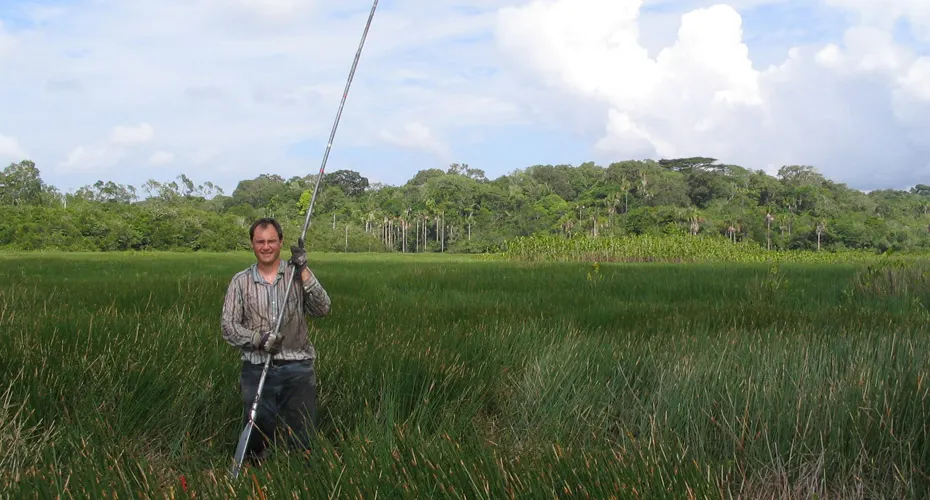
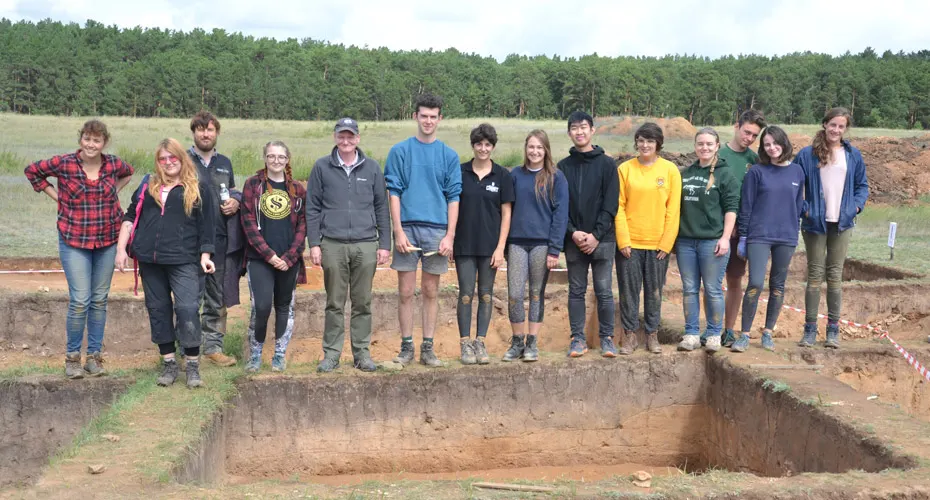
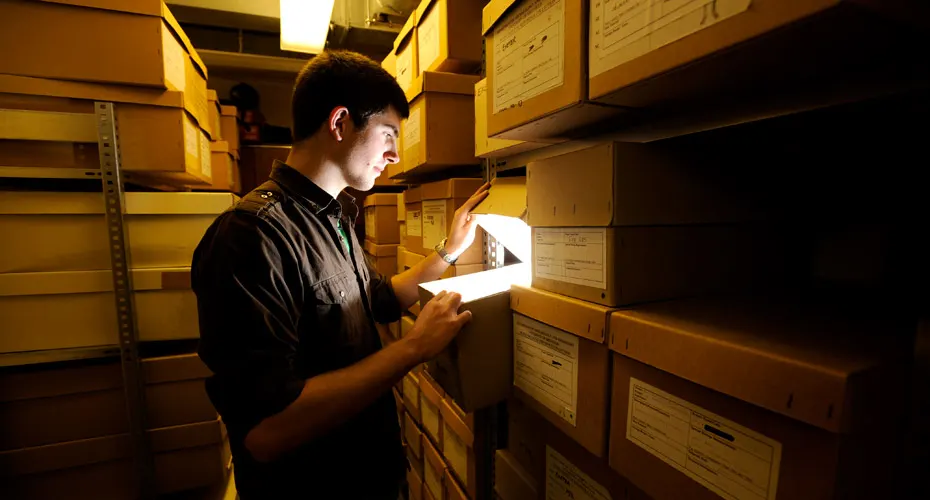
Resources
The Centre possesses a range of physical, virtual and intellectual resources.
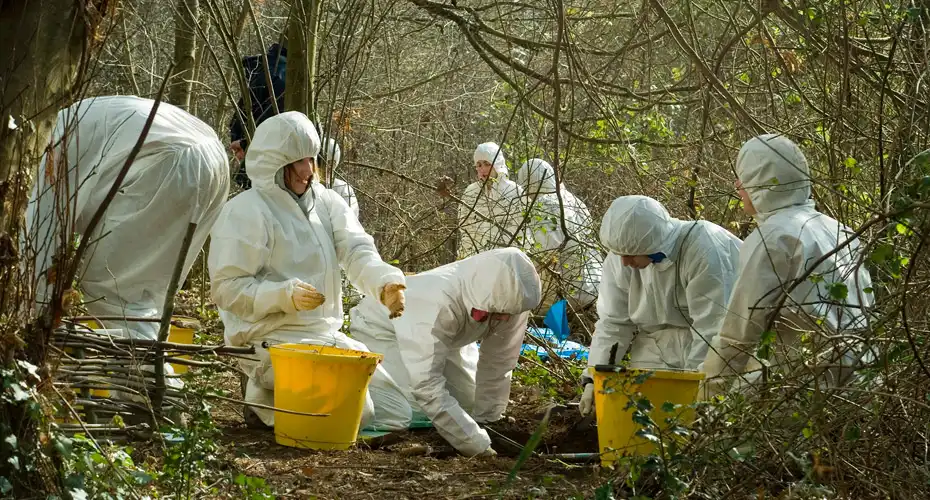
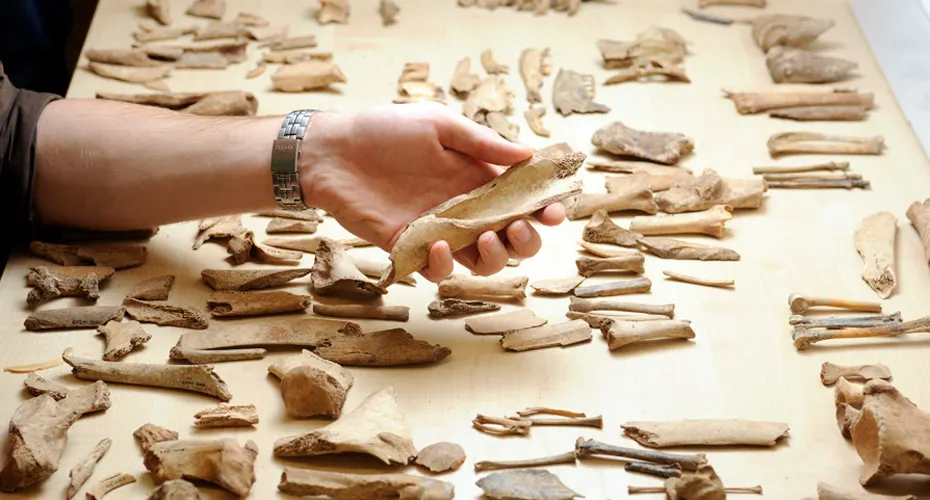
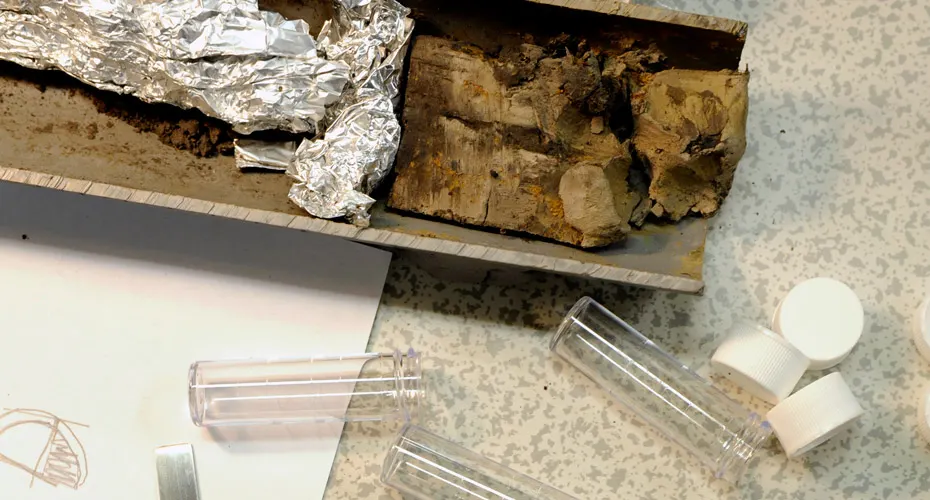
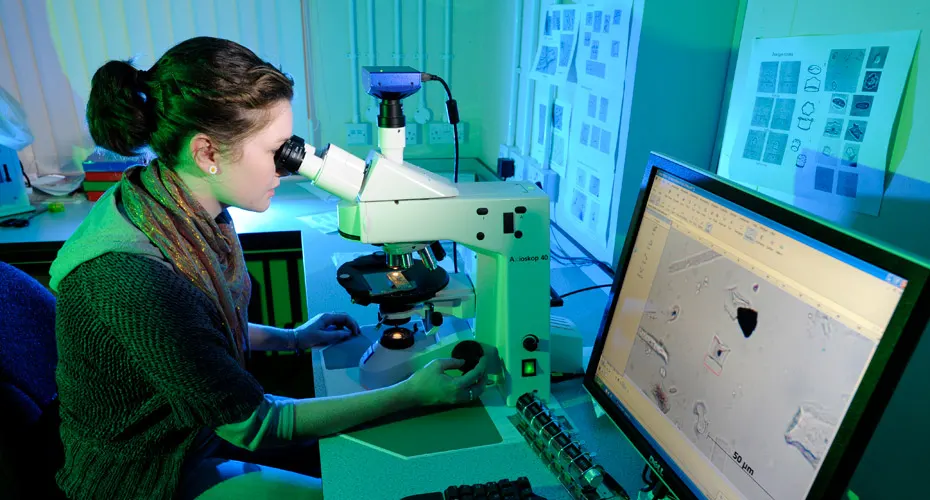
Our in-house specialist skills, each supported by dedicated laboratories, include: zooarchaeology, palaeobotany, human osteoarchaeology, palaeopathology, forensic anthropology, environmental reconstruction, anthrozoology, stable isotope analysis, geometric morphometric analysis, ecology, experimental archaeology and landscape archaeology. Beyond our in-house skills, we have strong collaborations with specialists in other fields, from genetics and proteomics to linguistics and cultural heritage.
Our approach to scientific analysis is to undertake full-suite analysis (e.g. traditional zooarchaeology combined with morphometrics, genetics and isotope analysis) on single specimens and make all results available via our Open Access data repository. Our rationale and approach for using humanities-led science to address present day global challenges is set out in this co-created document - Community guide to Arts and Humanities-led GCRF research.
You can find more details about our analysis methods below.
Methods Statement: Human-Animal-Environment Bioarchaeology
Bioarchaeological evidence is a rich but precious source of information about human-animal-environment relationships. We are conscious of the non-renewable nature of the materials that we examine and therefore our policy is to ensure that the maximum amount of data is obtained from any archaeological assemblages that we analyse. This is particularly the case when we are deploying destructive analysis, which is necessary for DNA and isotope analysis.
Full-suite analysis
When specimens have been selected for destructive sampling, our approach is to conduct full-suite analysis. Unlike many labs, which conduct individual analyses on different specimens, we conduct all our analyses on the same specimens, thereby increasing the power of our results.
- Contextual analysis: Central to interpreting the scientific results of our analysis is understanding the physical and cultural context from which the bioarchaeological remains derived.
- Osteological analysis: We employ all the traditional techniques of osteological analysis – speciation, skeletal patterning, ageing, sexing, osteometrics and studies of palaeopathology and taphonomy. Having recorded all metrics and zooarchaeological data, we will then adopt a selective sampling technique for the following analyses.
- Geometric Morphometrics (GMM): This is a non-destructive technique that involves the analysis of bone shape in 2D and 3D using photographs. It provides even more detailed information than standard measurements. We will focus on the astragalus, calcaneus and tibia but would need to take these specimens off site for analysis in our GMM lab at the University of Exeter.
- DNA: Genetic analysis provides valuable information regarding the development of particular traits and answer questions about the introduction of different species and interactions between them. It will also allow us to test species designations made using the zooarchaeological and morphometric techniques discussed above. DNA analysis requires around 0.5g of bone and we seek to use specimens that have been 3-D scanned for GMM. Our DNA research is carried out in collaboration with Prof. Greger Larson, the University of Oxford.
- Isotopes analysis: Carbon and nitrogen isotopes are well-known tools for identifying the varying proportions of different sources of protein consumed by individuals. They can be used to detect aspects such as the ratios of marine and terrestrial food eaten, as well as the balance of plant and animal foods ingested. Oxygen and strontium isotopes, meanwhile, can be used to investigate patterns of migration and movements. For these techniques we propose to take samples of around 0.5g. Any bones may be used for this, although those with the greater density are more likely to produce successful results. Carbon and nitrogen analyses are undertaken at the University of Exeter, with our strontium and carbon work being carried out in collaboration with the University of Southampton.
Data Repository
We are committed to making all our data open access and, as part of our previous research, have developed a prototype database that is currently being migrated to the Archaeology Data Service. We are now developing a larger scale repository in collaboration with Exeter’s Digital Humanities Service which will allow all of our data, including our integrated full-suite analysis, to be stored and made publicly available.
Collaboration and Publication Strategy
The success of our research depends on collaboration with numerous colleagues across multiple disciplines. We are actively seeking new collaborators who share our research goals and values. Our approach to collaboration is to offer authorship on our papers to everyone who has assisted in the generation of ideas and data, unless you opt for an acknowledgement instead. We have found that this inclusive approach to interpretation and presentation of data aids the production of better papers, with friendly communication before, during and after publication.