Critical Minerals:
Securing the Future of Clean Energy
Critical minerals are vital for the global energy transition and the advancement of digital technologies. As the world faces an urgent need to responsibly scale supply, the University of Exeter is leading the charge, tackling the core challenges of this sector:
- Supply Security and Diversification: Reducing reliance on limited global sources.
- Sustainable Development: Mitigating environmental and social impacts of extraction.
- Resource Stewardship: Promoting circular economy models to enhance reuse and efficiency.
The University of Exeter unites a multidisciplinary team of world-leading researchers with a critical mass of expertise to address the environmental, geopolitical, and economic challenges associated with these vital resources. Rooted in the Camborne School of Mines (CSM), the UK’s multidisciplinary mining institution, with interdisciplinary links across social sciences, circular economy, green finance, ecology, biodiversity and beyond, we are home to one of the largest teams of specialists in the field.
What are Critical Minerals?
Critical minerals- including lithium, cobalt, and rare earth elements- are crucial components in the modern technologies shaping our world, including batteries, wind turbines, and electric vehicle motors. Unlike abundant metals like iron or copper, these elements are often sourced from a limited number of locations worldwide, making their supply chains vulnerable to geopolitical and economic disruptions. As demand for clean energy technologies soars, there is an urgent need to increase production to meet climate change goals and unlock opportunities in high-value sectors such as electronics manufacturing and renewable energy. To ensure a sustainable and resilient supply, innovation in mineral extraction, responsible sourcing, and circular economy solutions is critical.
At the University of Exeter, our experts lead pioneering research into securing sustainable, ethical supply chains, advancing mineral extraction techniques, and driving the circular economy to ensure a resilient future for these vital resources.
The Challenge and the Opportunity
As the demand for critical minerals grows, so does the scope of what is considered "critical." In recent years, the number of minerals classified as essential to economic security, clean energy, and advanced technologies has expanded significantly. Today, most elements in the Periodic Table are deemed critical by at least one major economy, including traditionally abundant metals like copper, aluminium, and iron.
This evolving landscape presents both risks and opportunities:
- Manufacturers face growing concerns over supply chain security, price volatility, and ethical sourcing.
- Governments are developing policy frameworks to reduce dependence on geopolitically sensitive supply chains and ensure long-term resource resilience.
- Resource-rich nations are leveraging their mineral wealth to drive local refining, processing, and circular economy solutions, creating new economic opportunities.
- Communities and ecosystems in mining regions face complex challenges, from environmental sustainability to social justice, requiring responsible governance and decision-making.
Our research tackles these challenges head-on, advancing critical mineral exploration, responsible extraction, and innovative processing technologies. We also examine the social, environmental, and geopolitical dimensions of mineral supply chains, ensuring that future solutions are not only technically and economically viable but more socially just and environmentally sustainable. Through interdisciplinary collaboration, we provide evidence-based insights to help industry, policymakers, and investors navigate the complex global mineral supply landscape.
Whether you’re in industry, government, or academia,
partner with us to shape the future of critical minerals - criticalminerals@exeter.ac.uk
The Critical Minerals Challenge Centre: Accelerating the Green Economy
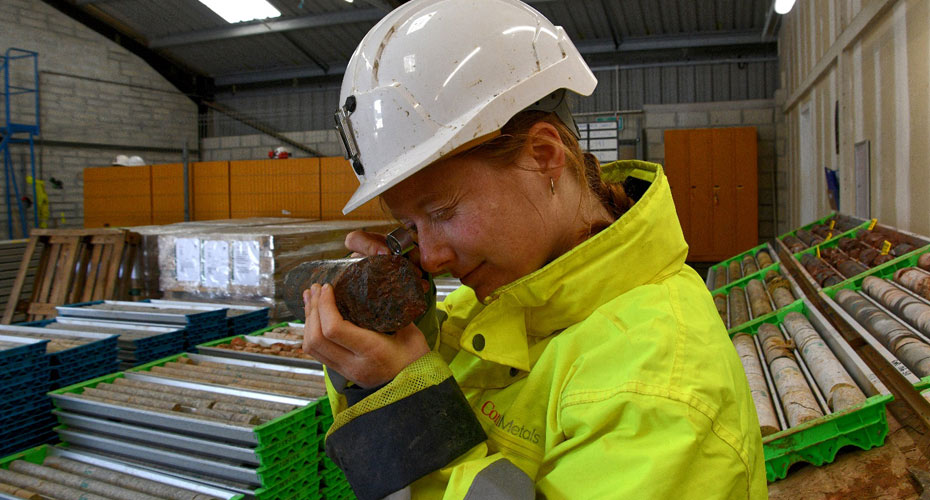
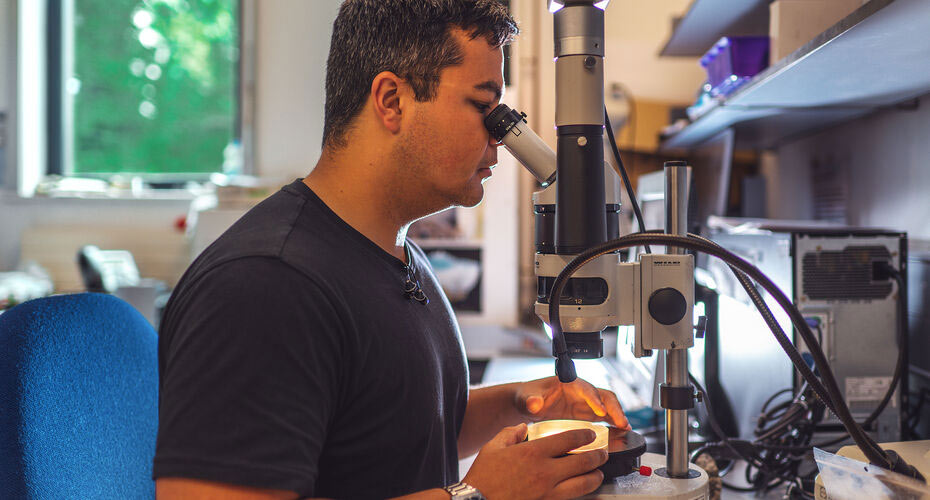
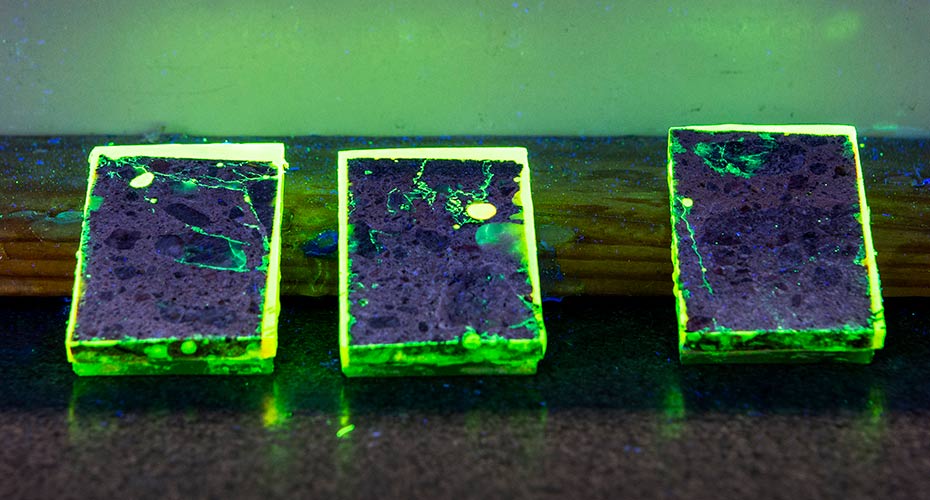
The University of Exeter is at the forefront of critical minerals research, hosting one of the UK’s largest and most technically advanced teams dedicated to understanding and advancing the supply of vital minerals, including lithium, tin, tungsten, rare earths, nickel, and cobalt. Our interdisciplinary expertise combines the best minds and most advanced technical solutions in mineral geology, processing, extractive metallurgy, ecology, finance, policy, business, social sciences and beyond. This unique access to both technical and interdisciplinary knowledge enables us to address the most pressing challenges in critical mineral supply, including sustainability, responsible extraction, and secure supply chains.
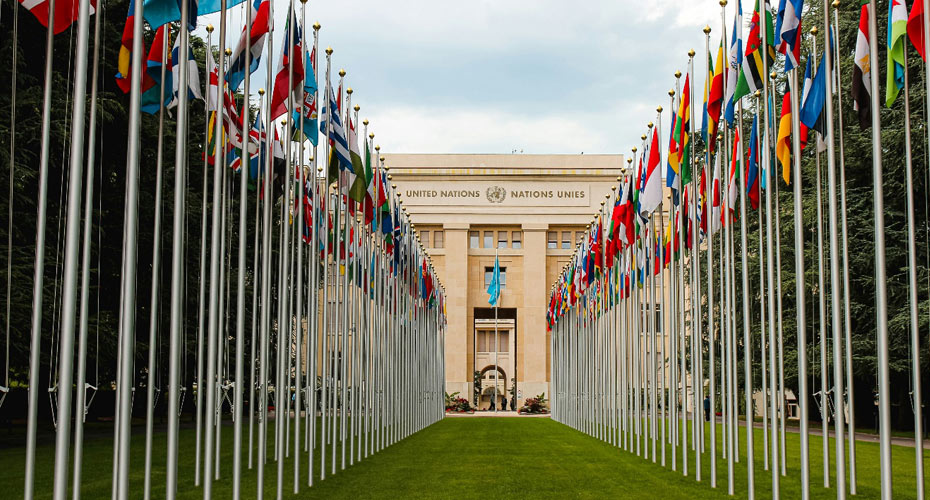
Backed by over £15.5 million in funding, including a £4.5 million UKRI grant, the Centre works closely with industry, government, and international partners to ensure our research drives real-world solutions, helping the UNECE foster sustainable development of resources and contributing to global climate goals.

Partner with us
Explore opportunities for collaboration and innovation with the Critical Minerals Challenge Centre: Accelerating the Green Economy.