Living Systems Institute

Meet the new researchers joining LSI

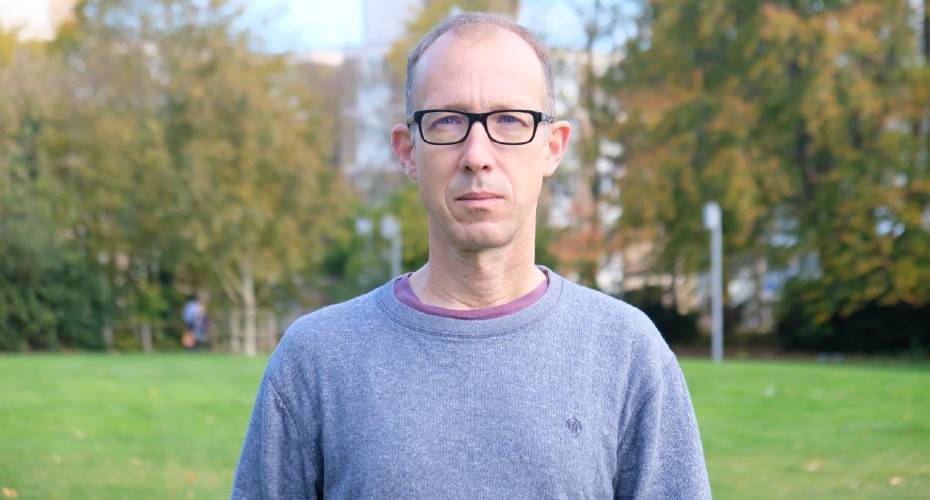
Prof Brian Hendrich

I received my PhD from Stanford University in 1995 working on X chromosome inactivation with Huntington Willard. In 1995 I joined the lab of Adrian Bird at the University of Edinburgh and participated in the discovery and characterisation of a family of methyl-CpG binding proteins in mammals. In 2001 I started my own laboratory in the Centre for Genome Research at the University of Edinburgh where we investigated how control of chromatin and transcription is important in mammalian stem cells. I was then a group leader at the Cambridge Stem Cell Institute from 2008-2025, still focussed on control of transcription in stem cells, but also how mutations in genes encoding chromatin remodelling proteins leads to human genetic disease. This will continue to be our focus in Exeter from September 2025.

We will continue our collaborations with existing LSI groups to better understand how chromatin remodelling is used by human pluripotent stem cells to facilitate cell fate decisions. In addition, we are excited to expand our research in a number of areas in collaboration with other LSI and UoE groups. We will use advanced structural methods to understand how the activity of chromatin remodellers is influenced by protein interactions. We will continue to investigate how mutations in chromatin remodelling protein genes give rise to human genetic disease, and we will adopt and advance the latest methods used to dissect chromatin biology, gene expression and nuclear structure together with the wider University of Exeter chromatin community.

I chose to move my lab to the LSI because of the breadth of excellent research happening both in the LSI and across the University. I was struck by the very collaborative environment, and the ease with which one can pursue highly interdisciplinary collaborations and joint projects. All of this can be achieved in a beautiful setting with easy access to the natural beauty of Devon.

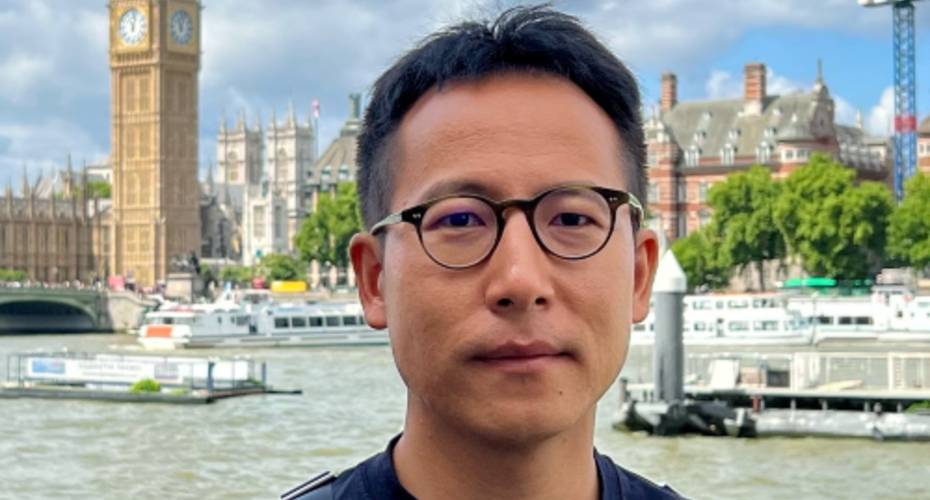
Dr Yu Hsuan Carol Yang

I developed an interest in understanding the mechanisms controlling pancreas development and maintenance during my PhD with Jim Johnson at the University of British Columbia (Vancouver, Canada). My postdoc at the Max Planck Institute, in the lab of Didier Stainier (Bad Nauheim, Germany), allowed me to further dive into this field as I investigated the in vivo interplay between the autonomic nervous system and pancreatic endocrine cells. I took advantage of the zebrafish model to conduct live imaging, targeted-cell ablation, optogenetic-mediated neuromodulation and genetic analyses and uncovered insights into pancreatic nerve-endocrine interactions during development and physiological adaptations. I joined the University of Exeter in 2020, during the expansion of the Exeter Centre of Excellence for Diabetes Research, to continue my research on the interplay between the nervous system and the endocrine pancreas during development and maintenance of metabolic homeostasis. 

I am interested in investigating the mechanisms underlying neural control of organ formation and healthy maintenance. My current focus is on investigating how neural-pancreas interplay regulates pancreas development and physiology to support glucose homeostasis. We will be conducting mechanistic studies in normal and diseased contexts to identify changes in molecular output from nerve endings, map dynamics of neural and endocrine cell behaviour and intercellular communications, and understand how these dynamics  drive whole organ function and impact on whole animal physiology. We will be using a combination of in vivo zebrafish models, in vitro co-cultures, and computational approaches. These studies will advance our understanding of the neural feedback loops required for pancreas function and adaptation to metabolic demand and age.

I chose the LSI because it offers fantastic opportunities to develop interdisciplinary collaborations with mathematical modellers, cell biologists, biophysicists and optical engineers to accelerate our research goals. Having recently been awarded MRC and Wellcome funding, I am excited to expand my team in an environment that supports interdisciplinary research to understand the fundamental mechanisms governing organ formation and maintenance. I look forward to strengthening existing collaborations with LSI teams and establishing new collaborations that would advance our knowledge of the role of neural-pancreas interplay in development, the maintenance of glucose homeostasis, and disease.