Exeter Zebrafish Hub
Advancing disease research with zebrafish models
Understanding biological processes in health and disease necessitates animal models to capture the interactions between cells, tissues, and organs. While “cells-in-a-dish” studies offer initial insights, they lack the complete physiological context, making animal models essential for observing disease progression, treatment effects, and inter-system communication to achieve a comprehensive understanding of biological processes.
In the LSI, we utilise the zebrafish (Danio rerio) as an excellent model for biomedical research due to its small size, cost-effectiveness, and high offspring production, which facilitates large-scale experiments. Its transparent, externally developing larvae allow for real-time observation of development and disease without invasive procedures, simplifying genetic manipulation and imaging. Furthermore, the significant genetic and physiological similarities between humans and zebrafish make the findings highly relevant, while their rapid development accelerates discovery.
Welcome to the LSI Zebrafish Hub - a central resource hub for interest groups in zebrafish within Exeter university and beyond. This hub is designed to be publicly accessible and act as a resource hub for Zebrafish related information, events, and opportunities.
Our vision:
We envision the LSI Zebrafish Hub as a community platform for everyone using zebrafish as a model organism - from researchers and students to technical specialists and industry partners with an aim is to make zebrafish research more visible, connected and accessible.
The Hub provides a starting point for those interested in developmental biology, disease modelling, toxicology, behaviour, physiology, genetics, imaging and drug discovery. It links users to zebrafish laboratories, specialist facilities, conferences, training opportunities, jobs, funding calls and community news.
For academic researchers, the Hub supports collaboration and knowledge exchange across the zebrafish community. For industrial partners, it provides a first point of contact to explore how zebrafish models can support contract research, pilot studies and collaborative projects.
By bringing together expertise, infrastructure and opportunities, the Zebrafish Hub helps users find the right people, technologies and model systems for their scientific questions.
Scholpp Lab
How cells talk to each other
Steffen Scholpp is a Professor and Personal Chair of Cell and Developmental Biology at the University of Exeter's Living Systems Institute, where he also serves as the Director of Research and Innovation. Professor Scholpp’s research focus centers on cell-to-cell communication driven by the highly conserved Wnt protein family to understand development and His pioneering work discovered that hydrophobic Wnt molecules travel long distances via cytonemes—dynamic, actin-based signaling filopodia that establish direct physical contact between cells to control ligand distribution.
Cells in our body communicate to grow and heal. The Scholpp team studies how cells exchange vital messages, known as “Wnt proteins”. We have discovered that cells use tiny extensions, called cytonemes, to transport packages of Wnts from one cell to another. By employing special imaging techniques on live, transparent zebrafish eggs, we can now see precisely how these signals are transmitted and activated between cells. This will help us in understanding multicellular life and developing new methods to regulate Wnt signalling for disease treatment and tissue recovery.
Yang Lab
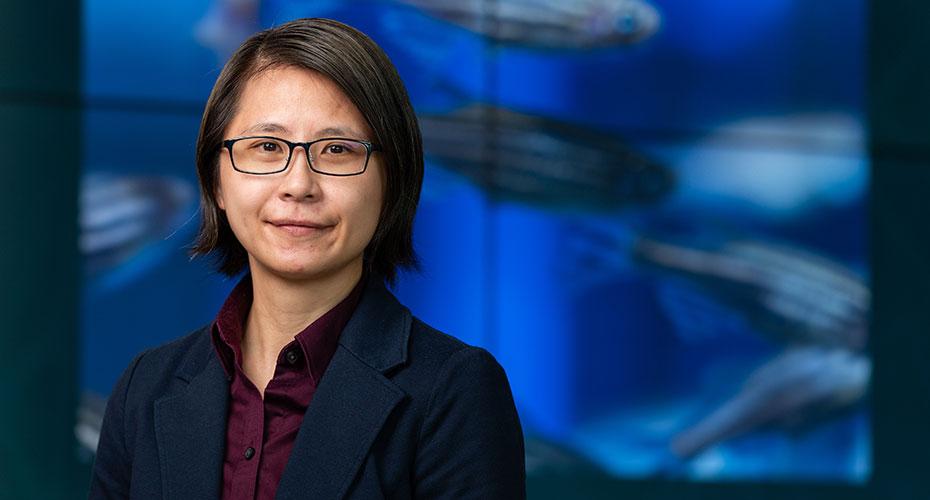
How organs work together in health and disease
Yu Hsuan Carol Yang is a Senior Lecturer in Cell Biology at the University of Exeter's Living Systems Institute (LSI) and the Exeter Centre of Excellence for Diabetes Research. Her current research tracks how neural signals fine-tune coordinated insulin and glucagon secretion, test novel biologics designed to manipulate these pathways to promote pancreatic beta-cell survival and regeneration.
Our bodies rely on constant communication between organs to stay healthy. The Yang lab studies how the brain and body work together to manage metabolic health, and what happens when the communication breaks down. Using cutting-edge imaging in live zebrafish, we watch this organ conversation in real-time to understand how the nervous system helps build and control organs. Currently, we are focusing on how the brain and pancreas work together to control blood sugar, and investigating the disruptions to this system in diabetes. By understanding these complex connections and their involvement in disease, we aim to discover new ways to treat these
disruptions for disease prevention or even reversal.
Ryu Lab
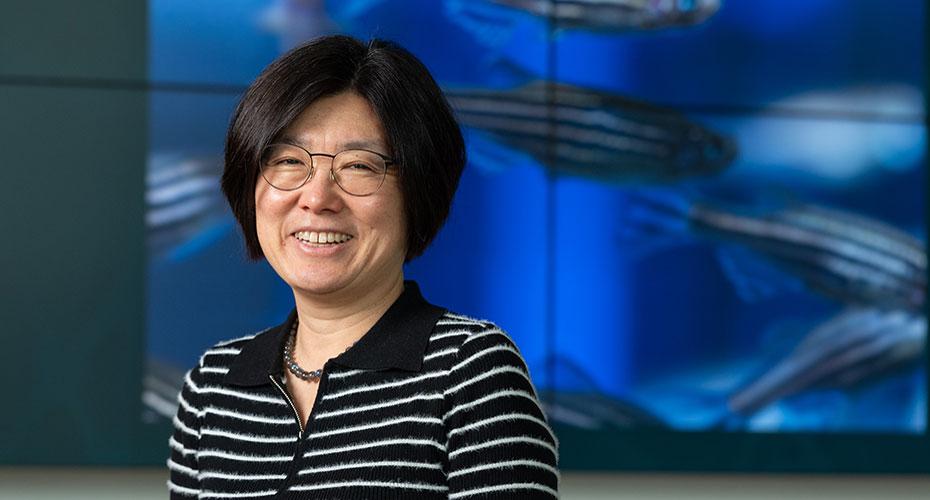
How to regulate stress
Soojin Ryu is a Professor of Neurobiology at the University of Exeter's Living Systems Institute. Professor Ryu’s research focus centers on the neurobiology of stress, specifically investigating how the Hypothalamo-Pituitary-Adrenal (HPA) axis and its highly conserved hormones modulate behavior. Utilizing advanced optogenetic and imaging methodologies in transparent zebrafish larvae to non-invasively manipulate and monitor HPA axis activity in a living vertebrate system.
When faced with a real or perceived threat, all animals— including humans—activate an adaptive process known as the stress response. While critical for survival of all animals, excess or prolonged stress is detrimental to health and is a strong risk factor for many human diseases. Due to its complexity, stress response is difficult to study. The Ryu lab uses zebrafish as a small and simpler vertebrate system
to understand how to regulate stress. We are particularly interested in deciphering the link between early life stress and adulthood disease susceptibility. By understanding how to regulate stress and what happens under chronic or early life stress, our goal is to find new therapeutic targets for stress-induced disorders.
Nikolaou Lab
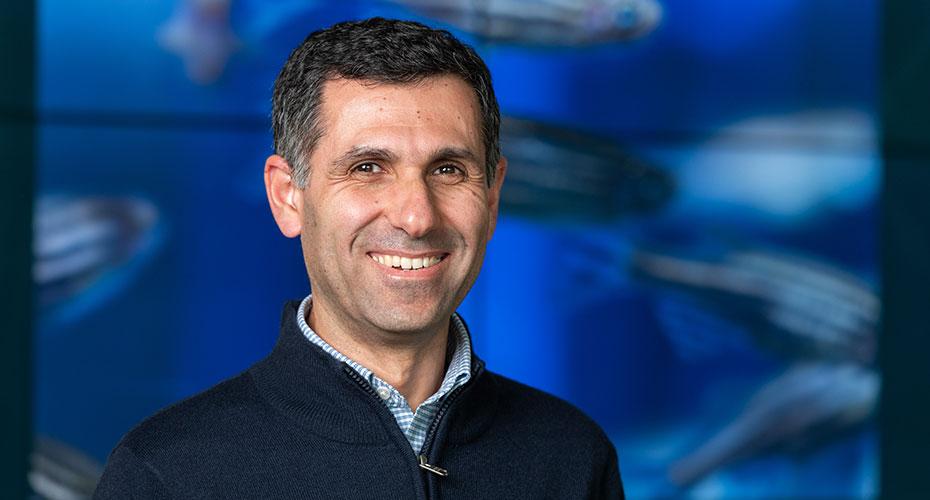
How the brain wires itself
Nikolas Nikolaou is a Senior Lecturer in the Department of Clinical and Biomedical Sciences and a Principal Investigator at the University of Exeter's Living Systems Institute. His research focus centers around understanding the molecular and cellular mechanisms that drive the precise wiring of functional neural circuits in the vertebrate brain - utilizing larval zebrafish as an optically transparent, non-invasive model organism.
The main goal of research in the Nikolaou group is to understand how neural connections are made in the brain. We want to learn about the molecular and cellular processes that guide these important choices and how changes in the normal wiring can cause brain dysfunction. His team utlizes advanced genetic tools, and high-resolution functional imaging, his team maps real-time neural circuit assembly and investigates how structural miswiring alters brain computation and animal behavior.
Winter Lab
How zebrafish help to develop safer medicines
Matthew Winter is an Associate Professor of Translational Toxicology and Pharmacology and Royal Society Industry Fellow based in Biosciences at the University of Exeter. Before joining Exeter, he served as a technical lead at AstraZeneca, where he headed an international pharmaceutical consortium to standardize developmental toxicity assays. His research focus centers around development and application of zebrafish-based approaches in drug discovery, and studies on the effects of human pharmaceuticals in the environment using zebrafish as a model.
Championing the 3Rs, Dr. Winter is keen on developing non-mammalian alternatives for assessing the impacts of environmental chemicals and contaminants on development, health, and the environment and has worked extensively in generating alternative zebrafish models utilizing CRISPR-Cas9 gene editing technology, generating new models to support new drug target validation/screening. His current research interests include zebrafish models of human heart failure and chronic kidney disease, neurodevelopmental impacts of chemicals in the environment, and modelling seizures and epilepsy using functional brain imaging in zebrafish.
Ingham Lab

How embryos are patterned, and tissues are built
Philip Ingham is a pioneering developmental geneticist whose work has helped define how signalling pathways control embryonic development and disease. His research has been especially influential in elucidating the Hedgehog signalling pathway, a fundamental regulator of tissue patterning and implicated in human disease.
Using zebrafish as a powerful vertebrate model, his work has revealed how genes control the formation of tissues and organs during development. By combining genetics, developmental biology and disease models, his research links fundamental mechanisms of embryogenesis to the causes of developmental disorders and cancer.
Professor Ingham is an Honorary LSI Professor at the University of Exeter. He serves as mentor and senior advisor to the LSI Zebrafish Hub, helping to shape its scientific vision, development and future direction. His work continues to shape how we understand the genetic control of development across animal systems.
Tyler Lab
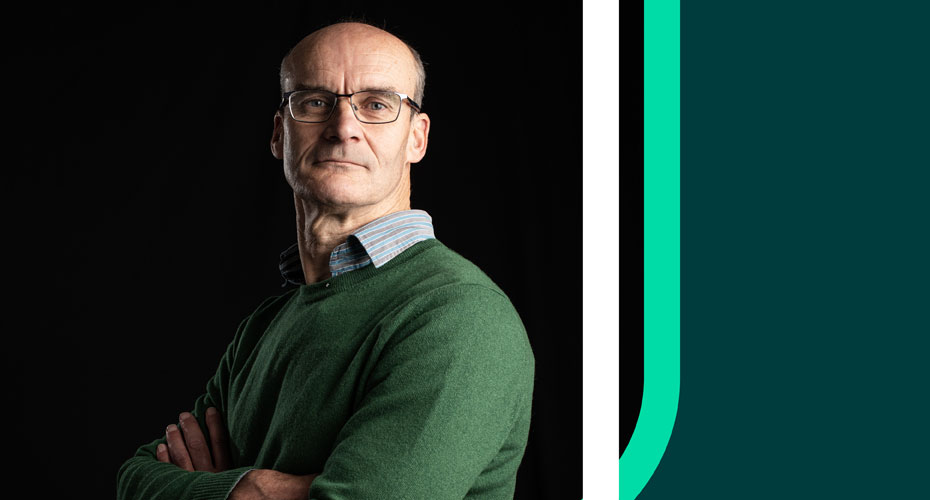
How poultion affects wild life
Charles Tyler, with over 40 years of experience and expertise, is an internationally reknowned environmental biologist and (eco)toxicologist. He co-directs the Centre for Sustainable Aquaculture Futures and for over 15 years, he served as the UK coordinator and the Chief Science Advisor for the UK-Japan partnership for studies on Endocrine Disrupting Chemicals. His team utilizes genetic and genomic techniques to investigate the impact of environmental pollutants on wildlife and ecology, nanoecotoxicology, and mechanisms of endocrine-disrupting chemicals.
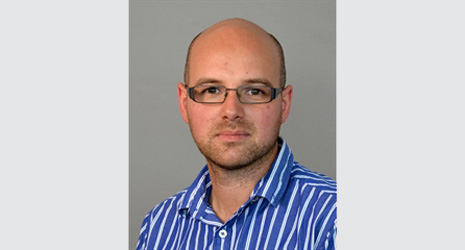
Since joining the University of Exeter in 2014, Jon has leveraged extensive expertise in environmental toxicology and the zebrafish model to advance chemical safety assessment. His background includes doctoral and post-doctoral work on the impacts of pollutants, such as ethinyl oestradiol, on gene expression and
sexual development in fish.
With seven years of commercial industry experience, serving as the technical lead for non-mammalian alternatives in developmental toxicology he has led an international consortium of five major pharmaceutical companies to standardize the zebrafish developmental
toxicity assay.
AI Generated Text
The Aquatic Resource Centre
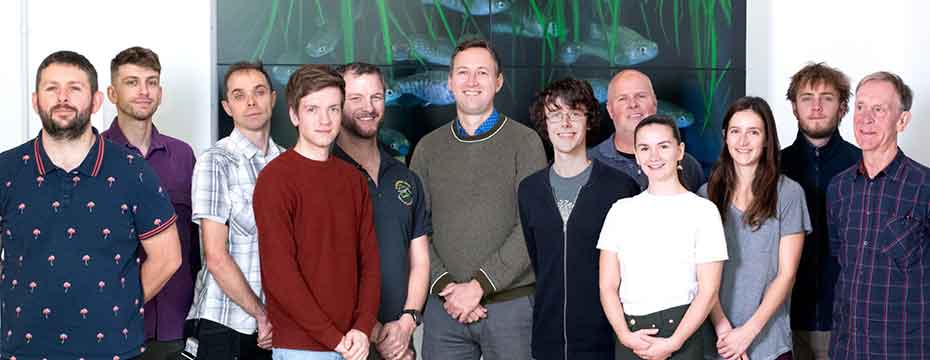
The Aquatic Resource Centre at the University of Exeter is the wolrd-class teaching and research facility featuring fully flexible life support systems for freshwater or marine species. ARC feeatures 14 aquaria with over 2,500 tank zebrafish unit.
Equipped with advanced imaging (Wolfson Imaging Unit), automated respirometry, gas control systems, and computer-controlled water treatment for precision environmental control - we collaborate with our Bioimaging core which is further equipped with advanced microsopy systems including and not limited to a lightsheet microscopes, and cryo-EM.
Our labs are housed in the LSI and each lab is equipped with advanced capabilities for zebrafish research.
Current research supported by the ARC include:
- improving our understanding of how chemicals entering the environment affect aquatic organisms;
- monitoring current and predicting future global impacts of ocean acidification and climate change;
- assessing the impacts of anthropogenic noise pollution on aquatic ecosystems;
working towards sustainable aquaculture; - understanding biological systems including neuroscience;
- studying aspects of human health, from modelling human disease processes through to drug development.