Films
We create short documentaries that bring our research to life, using film to spark public dialogue around emerging technologies. Our goal isn’t to promote acceptance, but to open up debate - amplifying diverse voices and perspectives so that society, not just science, helps shape the direction of technological change.
Our amazing film-maker is Tom Law. He has a range of other films that you can find here. If you’d like to contact Tom about filming, do reach out. He’s great to work with!
You are welcome to use our films for research or teaching. We’ve provided references for citation. In some projects, we have some longer interviews available too which may be useful for teaching.
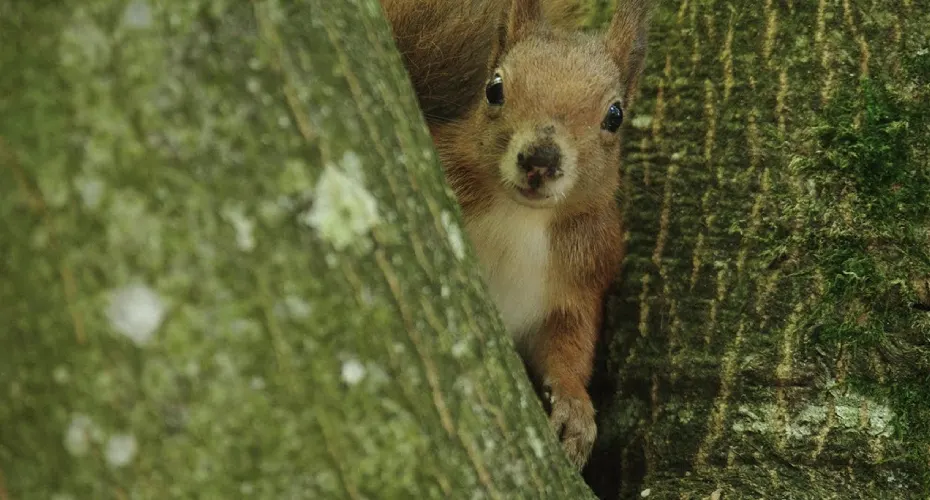
Gene drive is a new and very powerful biotechnology that some scientists hope will help solve some of the biggest biodiversity and conservation challenges facing society. Gene drive has the potential to eliminate a species from the planet. This power is what makes it so attractive and so controversial. UK scientists have proposed gene drive as a management tool to control grey squirrels in the UK. Grey squirrels are popular wild mammals in the UK, but they are labelled an invasive species. We draw on our social science research to show you the complexity of the problem of grey squirrel control and invite you to think about whether scientists should develop gene drive squirrels or not.
Citation: Hartley, S. and Law, T. (2022) Should scientists develop gene drive grey squirrels?
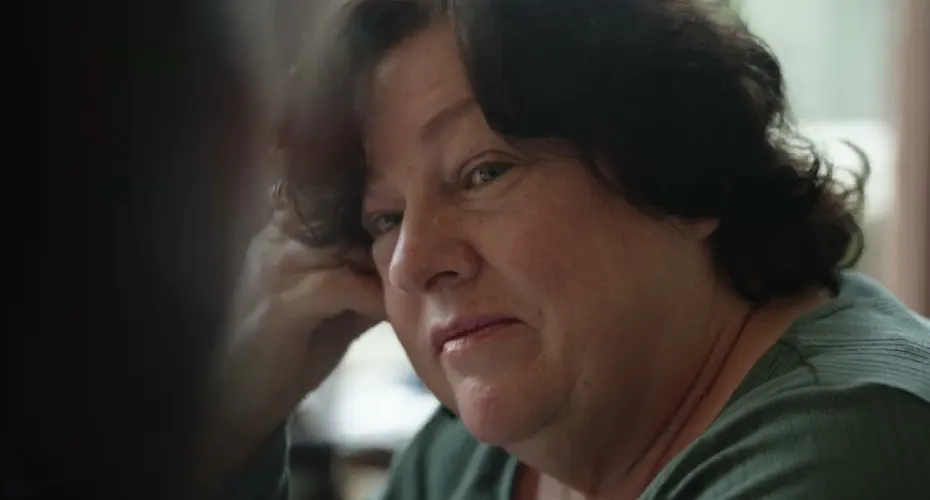
Digital Animals is a short documentary that dives into the fast-changing world of digital technology in UK animal farming. As the government invests heavily in agri-tech, the film asks a timely question: what kind of innovation do we actually want? Through four real-world case studies, the film explores how farmers, tech developers and others understand what’s involved with going digital - from tracking livestock to using sensors and smart systems – in intensive and agroecological contexts. Rather than promoting digital farming, Digital Animals opens up a vital public conversation about its future and invites viewers to reflect, question, and join the debate on how technology is shaping the way we treat animals, grow food, and live together.
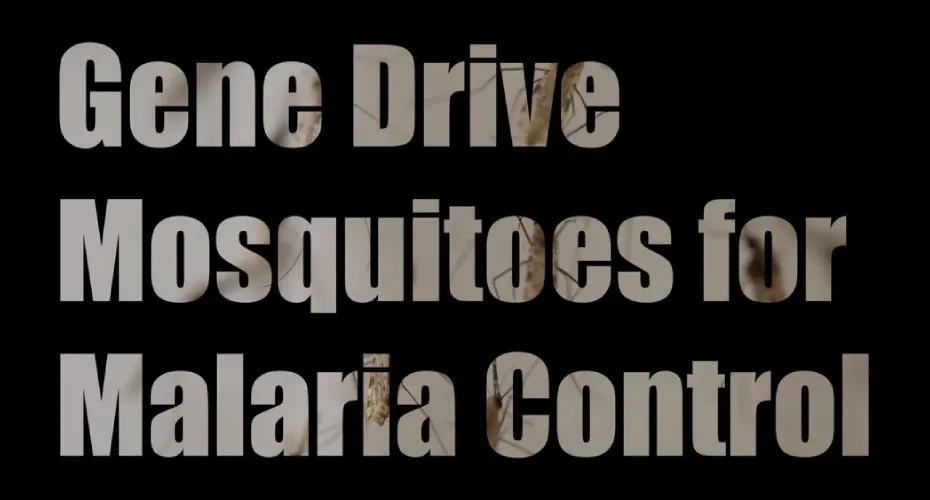
Governing gene drive mosquitoes for malaria control is a short documentary film that is beautifully shot in Uganda and explores Ugandan stakeholders’ hopes for gene drive mosquitoes – a radical new tool that offers a way to eliminate or change the mosquitoes that cause malaria. Uganda is one of the first countries in the world preparing for field trials for gene drive mosquitoes and malaria is the main cause of death in Uganda, so the stakes are high. The film builds on social science research at the University of Exeter in the UK and Makerere University in Uganda and shows how complex this technology is to govern.
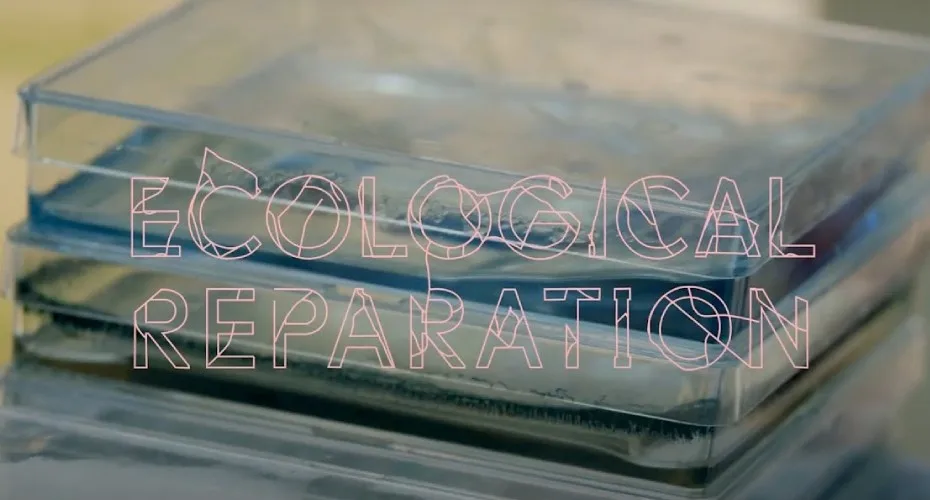
Eleanor Hadley Kershaw in conversation with Maria Puig de la Bellacasa & Dimitris Papadopoulos.
Eleanor Hadley Kershaw is a Senior Research Fellow in the Synthetic Biology Research Centre at the University of Nottingham, where she leads the Interdisciplinary Responsible Research and Innovation Group. She works at the intersection of science and technology studies and the environmental humanities, with current interests in science and innovation governance, sustainability and the circular bioeconomy, and multispecies relations in the Anthropocene.