International Relations, United Nations and the European Union
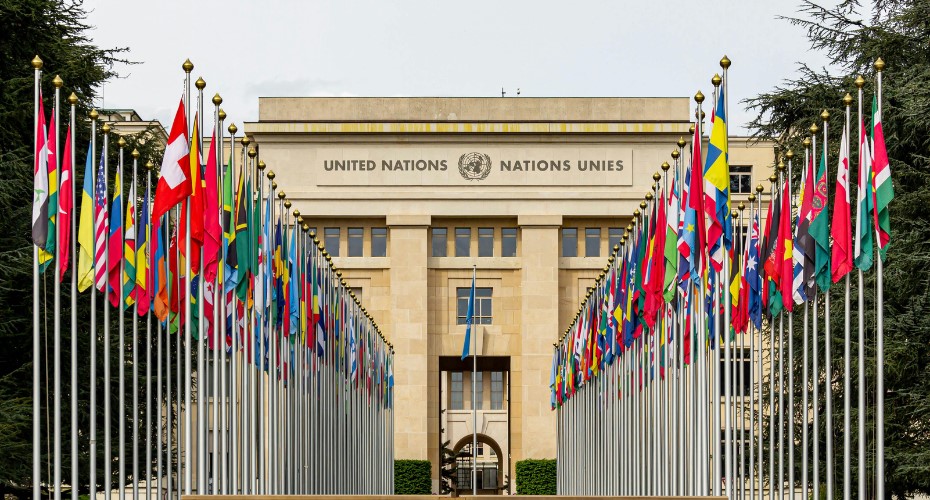
The United Nations (UN) and the European Union (EU) are pivotal institutions in contemporary international relations, shaping global governance and regional cooperation. Careers focus on diplomacy, policy development, international law and conflict resolution. Opportunities exist within national foreign ministries like the UK's Foreign, Commonwealth and Development Office (FCDO), UN agencies, and a variety of international Non-Governmental Organisations (NGOs), think tanks, and consultancies specialising in global affairs.
While highly competitive, there's consistent demand for professionals with expertise in international policy, political economy, human rights, and sustainable development. Success in these roles often requires strong analytical, linguistic, and cross-cultural communication skills, reflecting the complex, interconnected nature of UN and EU-related work.
Key Occupational Roles in International Relations, United Nations, and the European Union
Diplomacy and Government
- Diplomatic Service Officer: Representing the UK abroad, managing international relations, and protecting national interests.
- Civil Service Fast Streamer: Rotational leadership roles in UK government departments, including the Foreign, Commonwealth & Development Office.
Policy, Research, and Analysis
- Policy Officer: Developing, researching, and advising on public policy in government, international bodies, or NGOs.
- Political Risk Analyst: Assessing global risks for governments, international organisations, or private sector clients.
Security and Intelligence
- Intelligence Analyst: Gathering and analysing information to inform security and foreign policy decisions.
International Organisations and Development
- International Aid/Development Worker: Delivering humanitarian and development projects, often with the UN, EU, or major NGOs.
Advocacy, Lobbying, and Public Affairs
- Public Affairs Consultant: Influencing policy and decision-makers on behalf of organisations, NGOs, or think tanks.
Media, Communication, and Research
- Broadcast Journalist: Reporting on international affairs for TV, radio, or digital media.
- Government Social Research Officer: Conducting research to inform policy and practice in government and international institutions.
Every employer is different so there are no definitive lists here. These are meant as a guide and should be considered in addition to fully exploring role requirements outlined in person specification, job description and adverts for each role you consider applying for.
- Adaptability and Resilience – Ability to adjust to challenging situations and remain effective under pressure.
- Advocacy - Promote and protect fundamental human rights through monitoring and campaigning.
- Conflict Resolution - Mediate in conflict zones and create conditions for lasting peace.
- Critical Thinking and Analysis - Analyse complex information and form reasoned judgements.
- Cross-Cultural Communication - Communicate respectfully across different cultural backgrounds.
- Diplomacy and Negotiation - Represent interests abroad and find peaceful solutions to disputes.
- Foreign Language Proficiency - Communicate effectively in foreign languages for diplomacy and cross-cultural understanding.
- International Law - Understanding legal frameworks in different countries and international organisation relationships.
- Leadership and Initiative - Inspire others and proactively identify opportunities.
- Networking and Relationship Development - Develop and maintain strong international networks.
- Policy Analysis and Development - Evaluate international policies and contribute to formulating new approaches.
- Problem Solving - Identify complex problems and develop practical solutions.
- Project Management - Plan, execute and evaluate projects on time and within budget.
- Public Affairs Communication - Communicate complex international issues to public and media.
- Regional Expertise - In-depth knowledge of specific regions' politics, culture, history and economy.
- Report Writing and Presentation - Clearly communicate findings to diverse audiences.
- Research and Information Management - Gather, evaluate and synthesise information from various sources.
- Teamwork and Collaboration - Work effectively in multicultural teams.
- Trade and Economic Analysis - Analyse global economic trends and trade agreements.
In order to develop these skills, remember Career Zone also offers a range of Personal and Professional Development sessions which are available to book on Handshake and run at least once per term. Please also read through the sections about Gaining Experience and Further Study and Professional Development to discover how you can develop your skills through experience and by gaining further knowledge or qualifications.
All experiences ranging from volunteering, active involvement in clubs/societies can help you to develop relevant and transferable skills. You may wish to consider involvement in volunteering, University of Exeter Employability Schemes, Speculative application and part-time work.
Volunteering
- Exeter Students’ Guild - Volunteering and The SU – Volunteering & Fundraising – you can find opportunities to volunteer through the Guild in Exeter and the SU in Penryn.
- Get Volunteering – a website where you can search for local volunteering opportunities in various areas, e.g., emergency response, health and social care, fitness & sport.
- Reach Volunteering – a skills-based volunteering charity.
- Visit your local Volunteering Centre.
- Do It – a database of ways to help and get involved with thousands of UK charities.
- Vinspired shows volunteering opportunities for up to 14 – 30 year olds.
- Volunteering Matters – volunteer to help a local community, reducing isolation, improving mental and physical health, developing essential skills and supporting change.
- NCVO – Ways to get involved in volunteering, but also details about campaigns, events and networking.
- UN Volunteers – volunteer with the United Nations online or in-person.
University of Exeter Employability Schemes
- The Global Leaders Experience is a unique opportunity to develop your intercultural skills as part of a short, outbound mobility experience.
- Future 17.
- Career Zone Internship schemes: Internships can be extremely useful, so try and get relevant vacation work or placements.
- Exeter Award :The Exeter Award will help you stand out from the crowd and give you the confidence to shout about the experiences you've had at university.
- Green Consultants: provides you with additional skills and experience required to work in the highly competitive environmental and sustainability sector.
Speculative applications and where to find opportunities
Undertaking relevant work experience will also allow you to develop new skills and gain a valuable insight into the sector. As jobs and opportunities are not always advertised, it can be useful to develop your networking skills and apply speculatively. Before visiting the sites below you may find it useful to read our Researching employers page.
When approaching organisations for work experience in the International Relations sector, be specific about which area you would like to support (i.e. policy, research, public affairs) so that you can tailor and target your approach appropriately. Speculative applications is likely a route you will take in securing a role in the International Relations sector. Prospects has a helpful guide on how to write a speculative application.
Finding part time work
General job sites such as Indeed and LinkedIn will advertise part-time work. Be sure to use key words in your search to bring up the most appropriate roles.
- Handshake is our vacancy database with employers who are targeting University of Exeter students. You may want to search for SCP (Student Campus Partnership) or SBP (Student Business Partnership) roles – to find out more, please click on the links.
- Employers looking for part-time and casual staff attend events such as careers fairs on campus.
- Attend the ‘Finding a Part-Time Job’ advice session which explores the benefits of gaining part-time work, where you can find these opportunities and top tips for your applications. This session will be listed on Handshake events.
- Listen to this episode of the Career Zone podcast for more advice about finding a part-time job.
Competition can be strong, especially for entry-level positions. Use the following resources to find advertised vacancies and research employers. There are no single job boards for this kind of work so applications mainly need to be made directly to the organisations operating in this sector. As a starting point the following organisations might merit investigation:
International Organisations:
Non-governmental organisations:
Government departments and agencies (some of which may operate graduate schemes)
Think Tanks and Research Institutes specialising in international relations and global governance as well as Business consultancies in the private sector which provide advisory services on international issues, can also be sources of opportunities.
For general information about finding graduate opportunities, please visit our Graduate Jobs page.
Graduate schemes and internships
Some internships carry a pre-requisite for postgraduate qualifications
- Collection for internships in this sector on Handshake
- Amnesty International Internships
- Chatham House Internships
- Development Alternatives Incorporated (DAI)
- European Union Traineeships
Placements
If you are interested in finding out more about work placements, you can also access the Work Placements SharePoint via Single Sign-On. This resource covers all aspects of credit-bearing work experiences as part of your degree, including what a placement is, how to apply for them, and bespoke information for international students or those interested in working abroad.
Internships and placements are possible in International Relations. You need to be aware that when searching for internships and placements, you may find that many are unpaid. If you are interested in an unpaid role, you may find searching for ‘volunteer’ opportunities will bring up more results. Some examples of organisations offering internships and placements can be found below:
International Relations
- Oxfam – a global movement of people working to help end poverty and injustice, providing aid in emergencies. Oxfam have various volunteer opportunities, with some needing more specialist skills.
- Amnesty International – focuses on protecting human rights and offers internships in various fields and countries.
- Save the Children - explore international opportunities, working on international development, international relations and more. Be sure to use ‘intern’ as a key word in your search.
- Liberty Human Rights – become a Liberty Volunteer, working either in administrative support or advice and information.
- Human Rights Watch – find international internships advertised working in an organisation that investigates and reports on human rights abuses around the world.
- UNICEF – apply for a 6-to-26-week internship with an organisation that promotes the right of every child globally.
- The Organisation for Economic Co-operation and Development (OECD) – apply for their 1 – 6 month internships (renewable up to 12 months) and work in an organisation that seeks to improve the economic and social wellbeing of people worldwide.
- NATO internship programme.
United Nations and European Union
- United Nations – an intergovernmental organisation, working to maintain international peace and security
- EU Traineeships
- European Council at the EU
- Opportunities in European Union Affairs in Brussels and Europe
- European Court of Auditors
- NATO internship programme
Internships in the private sector
Some internships and traineeships which help experience towards subsequent work for IGOs and NGOs can occur in the private sector working for multi-national corporations with international services. Examples:
- Booz Allen Hamilton Summer Games Internship
- FTI Consulting Summer Internships and Undergraduate Placements
- Grant Thornton Programmes
- HSBC Student Opportunities
- KPMG Undergraduate Programmes
- NatWest Internships and Insight Weeks
- PwC Undergraduate Work Experience Opportunities
- WSP Early Career Opportunities
Search for vacancies on Handshake and other helpful vacancy sites:
- TARGETjobs
- Rate My Placement
- CharityJob – this platform advertises voluntary and paid roles across the UK, both in-person and remote
- Reliefweb – this is a humanitarian information service and here you can find internships in various global organisations.
Further sources of support
- If you are an international student, visit our international webpages for help finding opportunities both in the UK and globally.
- To find opportunities outside the UK use GoinGlobal.
- For help with making speculative applications you may find it useful to read our Researching employers page.
Some individuals decide to undertake further study to develop their skills and knowledge of the sector and related occupations. Not all roles or employers will require this, so it is important to research entry requirements and employer preferences before committing to additional training or qualifications. Use the sites below to research your further study options.
- Prospects International Relations Careers - Comprehensive guide covering career prospects in international relations, including routes into IGOs and international NGOs, with information on work experience options and further study pathways.
- UN Careers Portal - The official recruitment platform for United Nations system organisations, providing information on entry programmes, internships, and career pathways within IGOs, plus guidance on competencies and qualifications required for international civil service roles.
- Prospects Postgraduate Course Search - Search for relevant Masters degrees including International Relations, International Affairs, Global Governance, Diplomacy, International Security, and European Union Studies offered by UK universities.
- Find a Masters is helpful for exploring Development opportunities around the world.
- If you would prefer to stay at the University of Exeter you can search our Taught Masters courses
Information and links from professional bodies
If you have studied a related degree, check if your course is accredited by one of the professional bodies. Being a member of a professional body is voluntary; however, it can be valuable for developing networks, continuing your professional development, and generally keeping up to date with what's happening in the sector.
- British International Studies Association (BISA) - The UK's leading society promoting the study of international relations and related subjects. With over 2,500 international members from over 80 countries, BISA facilitates networking between scholars and practitioners working in international affairs.
- Chatham House - Royal Institute of International Affairs - One of the world's leading independent policy institutes for international affairs analysis. Founded in 1920, Chatham House provides research, events, and networking opportunities for international relations professionals and offers pathways into policy and diplomatic careers.
- Institute of International and European Affairs (IIEA) - Ireland-based think tank focusing on European and international affairs that provides policy analysis, events, and professional development opportunities for those working in international relations and European governance.
- Political Studies Association (PSA) - The UK's main professional association for political scientists and international relations scholars, offering conferences, professional development, and networking opportunities relevant to those working in international affairs and governance.
Advice
If you are considering postgraduate or doctoral level study before entering your chosen sector, please visit our Postgraduate Study page for more information about choosing further study.