
Theatre, Live Events and Performing Arts
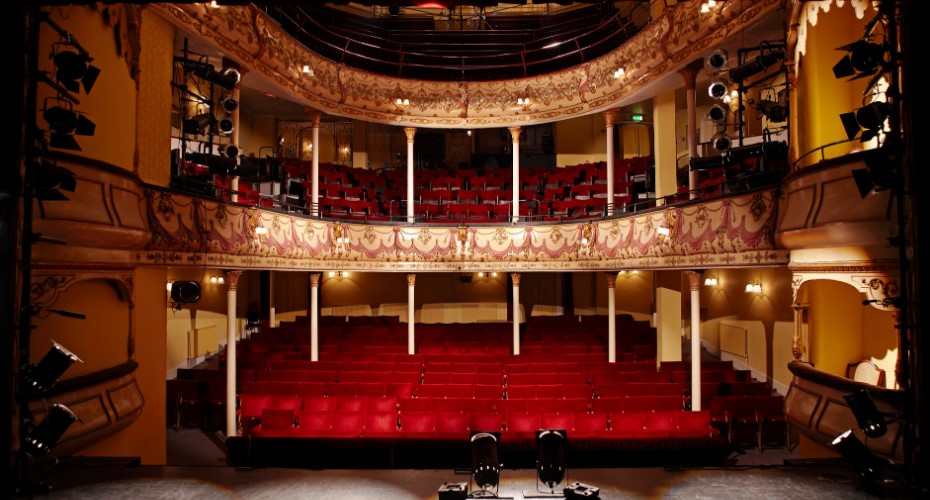
The UK’s theatre, live events and performing arts sector encompass a range of live cultural, entertainment, and creative experiences:
- Theatre: Plays, musicals, immersive productions, fringe performances.
- Live Events: Festivals, concerts, corporate events, ceremonies, and outdoor spectacles.
- Performing Arts: Dance, opera, circus, spoken word, and hybrid arts practices.
These activities take place in traditional venues, public spaces, and digital platforms, contributing significantly to both the UK’s cultural life and its economic growth. For example:
Theatre
- West End & Commercial Touring.
- Subsidised Theatre: Supported by public funding (e.g., National Theatre, RSC, regional venues).
- Fringe and Grassroots: Innovation hubs for new work and emerging talent.
Live Events
- Major Festivals: Glastonbury, Edinburgh Fringe, WOMAD, Boomtown.
- Smaller regional Festivals, across the country, mainly in summer.
- Concerts & Tours: Operated by large promoters (e.g., Live Nation, AEG).
- Corporate & Cultural Events: Product launches, exhibitions, opening ceremonies.
- Key Bodies: Association of Independent Festivals (AIF), LIVE, UK Live Event Freelancers Forum.
- Independent artists.
Performing Arts
- Dance & Ballet: English National Ballet, Akram Khan Company, Sadler’s Wells.
- Opera: Royal Opera House, Scottish Opera, Welsh National Opera.
- Outdoor Arts: NoFit State Circus, Walk the Plank, Without Walls.
- Spoken Word & Interdisciplinary Work: Apples and Snakes, Roundhouse, BAC.
The clips on this page feature interviews with recent graduates, all who have stayed in the region to build creative careers in the Southwest. Listen to their brilliant insight into different areas of the creative arts from theatre to writing, each film touches on their experiences as students and how they have developed their career path since graduating.
Every employer is different so there are no definitive lists here. These are meant as a guide and should be considered in addition to fully exploring role requirements outlined in the person specification, job description and advert for each role you consider applying for.
Entering the theatre, live events, and performing arts sector requires a blend of talent, technical, creative, interpersonal, networking and organisational skills. The specific skills needed depends on the role you're aiming for (e.g., actor, stage manager, lighting technician, production designer), but here’s a breakdown of core skills that are valuable across the industry:
Creative & Performance Skills
Essential for actors, dancers, musicians, directors, choreographers, and designers.
- Acting, voice, or movement training (depending on discipline)
- Musical or vocal ability (for musical theatre or concerts)
- Script analysis and interpretation
- Improvisation and creativity
- Stage presence and confidence
- Collaboration with creative teams.
Technical & Production Skills
Key for lighting, sound, set design, rigging, and stage management.
- Lighting, sound, and AV operation
- Stagecraft and set construction
- Rigging and safety knowledge
- Understanding of health & safety regulations
- Software familiarity (e.g. QLab, AutoCAD, Capture and WYSIWYG)
- Technical troubleshooting.
Organisational & Management Skills
Important for producers, stage managers, company managers, and event coordinators.
- Project and time management
- Budgeting and finance tracking
- Scheduling and logistics
- Team leadership and delegation
- Communication and coordination
- Problem-solving under pressure
- Crew Wellbeing
Qualities & Strengths
Critical across all roles for working in high-pressure, collaborative environments.
- Teamwork and collaboration
- Strong communication
- Adaptability and resilience
- Attention to detail
- Customer service (especially for front-of-house roles)
- Networking and relationship development.
Knowledge & Awareness - Helps you navigate the industry effectively.
- Awareness of the industry landscape
- Understanding of artistic and cultural trends
- Familiarity with union rules and legal issues (e.g., Equity, Musicians’ Union, Bectu, Production Services Association)
- Marketing and promotion (esp. for freelancers)
- Understanding Personal Liability Insurance (PLI).
Optional: Digital & Business Skills- Increasingly important with the rise of digital performance and arts entrepreneurship.
- Social media and digital marketing
- Content creation (video, audio editing)
- Website management
- Fundraising and grant writing
- Arts administration and business planning
- Understanding of self-employment rules and processes and insurance requirements, (for freelancers).
In order to develop these skills, remember Career Zone also offers a range of Personal and Professional Development sessions which are available to book on Handshake and run at least once per term. Please also read through the sections about Gaining Experience and Further Study and Professional Development to discover how you can develop your skills through experience and by gaining further knowledge or qualifications.
All experiences ranging from volunteering, active involvement in clubs/societies can help you to develop relevant and transferable skills. Many paid opportunities come from developing a network of contacts through volunteering. You may wish to consider involvement in:
Volunteering and entry level work
Follow theatres, companies, and creatives on Instagram/X/Facebook for open calls and networking.
Theatre and performance:
- Exeter Northcott Theatre
- ATG Entertainment offers work experience and volunteering opportunities
- Exeter Phoenix
- Theatre Royal Plymouth
- South Devon Players
- Will Wild Theatre Company – outdoor theatre and education outreach
- Get Changed Theatre Company – specialising developing opportunities within theatre for people with disabilities
- AMATA Falmouth University Arts
- Minack Theatre in Cornwall
- Hall for Cornwall
- Open mic events – check local venues and social media for opportunities
- Charity Choice - search for charities in your local area by cause (there is a culture and heritage filter and once you select this, you can then select 'the arts'). You may also find information on advocacy, advice and financial support on this site.
Live Events
- Search for local music, comedy, and arts festivals as they often need volunteers (e.g., runners, stewarding, box office, backstage).
- Oxfam Festivals for Life links with numerous festivals including Glastonbury and Boardmasters.
- Quick Panda Productions – produces festival across Cornwall.
- Ask about freelancing or shadowing opportunities during events.
- Explore entry level work and work experience opportunities with hire companies for hands-on experience with equipment.
University of Exeter Employability Schemes
- Pathways to Arts, Culture and Heritage allow you to develop skills and experience most relevant to your area of interest.
- Ask An Alum and Career Mentor Scheme - connecting with someone who already has experience in your sector of interest is a great way to get insight into early-stage career development opportunities.
- Career Zone Internship schemes: Internships can be extremely useful, so try and get relevant vacation work or placements – these opportunities will allow you to develop and enhance several of the transferrable skills outlined above, giving you real world experiences which you can use in applications and interviews.
- Exeter Award :The Exeter Award will help you stand out from the crowd and give you the confidence to shout about the experiences you've had at university.
Speculative applications and where to find opportunities
Undertaking relevant work experience will also allow you to develop new skills and gain a valuable insight into the sector. As jobs and opportunities are not always advertised, it can be useful to develop your networking skills and apply speculatively. This approach is of particular importance in this sector.
Performing Arts Specific CV and Interviews
If you're looking to break into the performing arts or film, having the right CV and interview skills is essential. The resources below will guide you on how to stand out:
Finding part time work
Sites which advertise opportunities include-
- The Stage Jobs, The biggest selection of jobs in theatre and the entertainment industry.
- Arts Jobs, find jobs across theatre from lighting to directing, marketing and customer service.
- Backstage.com where talent scouts are advertising.
- Mandy Network Get access to the latest Acting auditions, Film jobs, TV Production and Stage jobs, Voiceover work, Auditions for dancers & singers, jobs in Music.
- UK Theatre.org.
- Indeed use the filterable database to search for opportunities by location
You could also have a look at Handshake, our vacancy database with employers who are targeting University of Exeter students
Competition can be strong, especially for those who are being scouted for talent. Use the following resources like those looking for entry and part-time opportunity.
- PRG Internships – Live Event Lighting
- ATG entertainment – sign up for notifications on live opportunities
- The Stage Jobs
- Backstage.com
- Mandy Network
- UK Theatre.org
- ArtsJobs (by Arts Council England)
For students and graduates from ethnic minority groups, Creative Access provides internship opportunities across advertising, publishing, film, museums, music, television and theatre.
To find work placements and internships, search for creative arts and design work experience
For general information about finding graduate opportunities, please visit our Graduate Jobs page.
- Collection for Handshake internships
Placements
If you are interested in finding out more about work placements, you can also access the Work Placements SharePoint via Single Sign-On. This resource covers all aspects of credit-bearing work experiences as part of your degree, including what a placement is, how to apply for them, and bespoke information for international students or those interested in working abroad.
Further sources of support
If you are an international student, visit our international webpages for help finding opportunities both in the UK and globally.
To find opportunities outside the UK use GoinGlobal.
Some individuals decide to undertake further study to develop their skills and knowledge of the sector and related occupations. Not all roles or employers will require this, so it is important to research entry requirements and employer preferences before committing to additional training or qualifications. Use the sites below to research your further study options.
- RADA offers undergraduate & postgraduate degrees, short courses.
- UK Theatre.org – offers a range of sector relevant training opportunities.
- Britannia Row Productions Live Sound Training including apprenticeships.
- The Academy of Live Technology offers undergraduate & postgraduate degrees, short courses and bespoke training programmes for individuals who want to create the world's greatest entertainment experiences.
- In partnership with Falmouth University WaterBear offers BA (Hons) degree and master’s courses made for today’s musicians, artists and industry professionals.
Information and links from professional bodies
If you have studied a related degree, check if your course is accredited by one of the professional bodies. Being a member of a professional body is voluntary; however, it can be valuable for developing networks, continuing your professional development, and generally keeping up to date with what's happening in the sector.
- Production Services Association -The PSA is the largest trade association for people and companies involved in live production.
- EQUITY - The performing arts and entertainment trade union.
Advice
If you would like to pursue postgraduate study before entering your chosen sector, please visit our Postgraduate Study page for more information about choosing further study. If you are unsure whether further study is for you, you may wish to attend our ‘Postgraduate study: is it right for me?’ session which runs termly. Find these advertised on Handshake.