Biomedical Sciences vs Medical Sciences: What's The Difference?
Biomedical Sciences and Medical Sciences degrees are closely linked. Both study human health and disease through science. Students often ask about the differences between these degrees and how each can shape their studies and careers. Universities across the UK offer both, and this page explains how Biomedical Sciences compares to Medical Sciences at Exeter.
From September 2025, BSc Biomedical Sciences replaced our long-standing BSc Medical Sciences degree. The new programme keeps the same academic rigour and teaching quality while offering a simpler course structure with more flexibility and choice for students.
Shared foundations in Biomedical Sciences and Medical Sciences
Biomedical Sciences, like Medical Sciences before it, is taught within our Department of Clinical and Biomedical Sciences at the University of Exeter Medical School. You’ll gain a solid understanding of how the body works and the science behind healthcare. The course is interdisciplinary, covering subjects like biochemistry, genetics, cell biology, physiology, immunology, neuroscience and diabetes.
Building on the strengths of our Medical Sciences course, Biomedical Sciences will:
- take a human-focused approach to biological science
- emphasise the relevance of science to medicine and health
- develop analytical, problem-solving and scientific communication skills
- provide a strong academic foundation for healthcare, research and further study
How Biomedical Sciences develops our approach further
While the core academic focus remains the same, the Biomedical Sciences degree introduces several adjustments to the course delivery. This aligns it more closely with established Biomedical Sciences degrees across the UK and supports strong learning outcomes and graduate employability.
Clearer scientific identity
The course emphasises the science behind health and disease, keeping it at the heart of your studies. This Biomedical Sciences approach reflects research in our Medical School and aligns the degree with recognised disciplines valued by employers and postgraduate programmes.
Research and lab experience
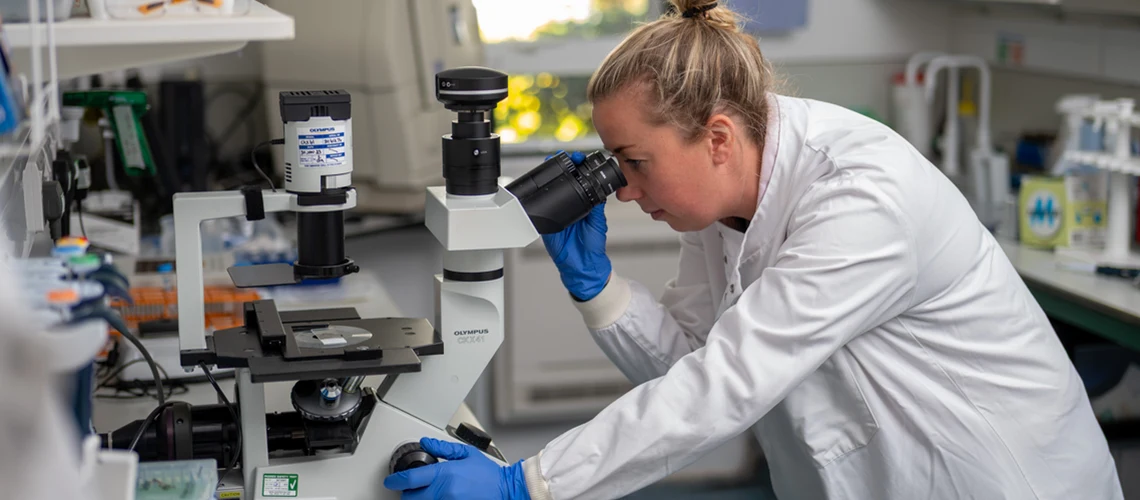
Biomedical Sciences gives you hands-on experience in experiments, lab techniques and data analysis. These practical skills, expected in Biomedical Sciences degrees, are valued in research, diagnostics, industry and postgraduate study.
Flexible career positioning
Biomedical Sciences prepares you for careers in research, diagnostics, pharmaceuticals, biotechnology, healthcare and related industries. Graduates gain the skills needed for a wide range of competitive roles.
Are both degree titles recognised domestically and globally?
Yes. Both Medical Sciences and Biomedical Sciences degrees from the University of Exeter are widely recognised in the UK and around the world. Biomedical Sciences is a well-established life sciences degree, clearly understood by employers, professional bodies and postgraduate admissions teams, making it valuable for international careers and further study.
In summary
The change from Medical Sciences to Biomedical Sciences is a refinement, not a replacement. It keeps the strengths of the previous programme while giving a clearer degree title, improving learning outcomes and opening a wider range of career and postgraduate opportunities in the UK and abroad.