Managing Resources
Laboratories generate significant waste and consume large volumes of water, chemicals, and single-use plastics. Poorly organised consumables, inefficient water use and hazardous chemical practices, can lead to poor sustainability and could possibly compromising research quality.
This section explores how better lab organisation, responsible use of consumables, water conservation, and green chemistry principles can help reduce environmental impact. Simple actions—like clearly labelling samples and chemicals, planning experiments to minimise waste, or switching to less hazardous reagents—can make a big difference.
These efforts directly contribute to several UN Sustainable Development Goals, including:
- SDG 6: Clean Water and Sanitation – through using purified water only when necessary, avoiding taps running and reporting leaks promptly.
- SDG 12: Responsible Consumption and Production – by promoting longer equipment life, reducing waste, and encouraging sustainable purchasing decisions.
Explore the tips and tools below to learn how you can make your lab more resource-efficient, environmentally responsible, and aligned with global sustainability efforts.
Managing Lab Resources
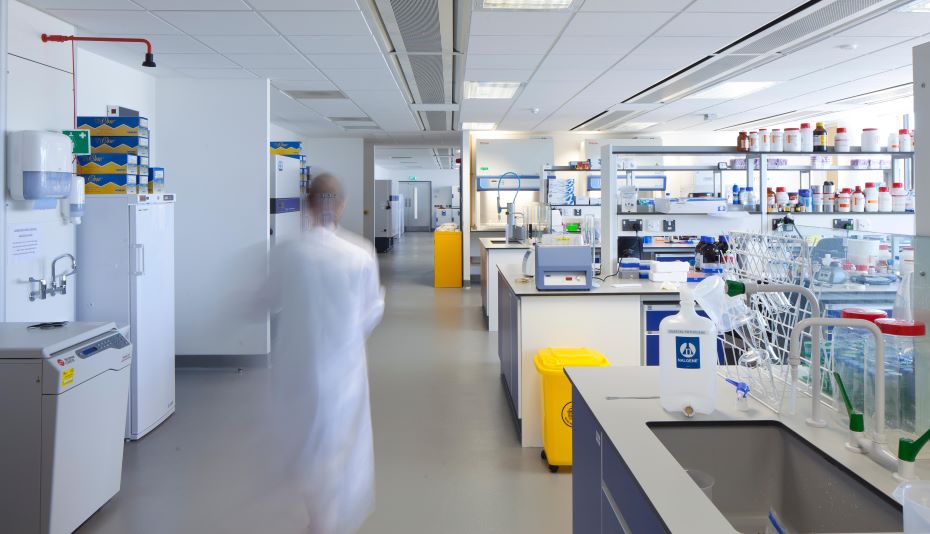
Implementing lab organisation practices not only reduces waste and optimises resources but also enhances safety and efficiency. Lab organisation is referenced within green accreditations and is key to running any lab. The main features of lab organisation that contribute to sustainability include:
Proper Labelling & Storage
- Clearly labelled chemicals and samples, along with appropriate storage solutions, help prevent cross-contamination, reduce waste, and ensure safe handling. A sample labelling policy can ensure clear and consistent labelling across the lab.
Auditing
- Regular inventory checks and audits help identify expired or unused materials, allowing for better stock rotation and minimising unnecessary purchases.
Lab Management Software
- The use of LabCup streamlines inventory tracking, automates reorder alerts, and provides real-time visibility into stock levels that is accessible inside and outside of the lab, supporting more sustainable procurement and usage. It also provides visual hazard maps in the lab help identify high-risk areas and ensure that safety protocols are followed, reducing the likelihood of accidents.
Lab Leavers Checklists
- When researchers leave, structured checklists ensure that samples, reagents, and equipment are properly documented, reassigned, or disposed of responsibly—preventing waste and preserving valuable resources.
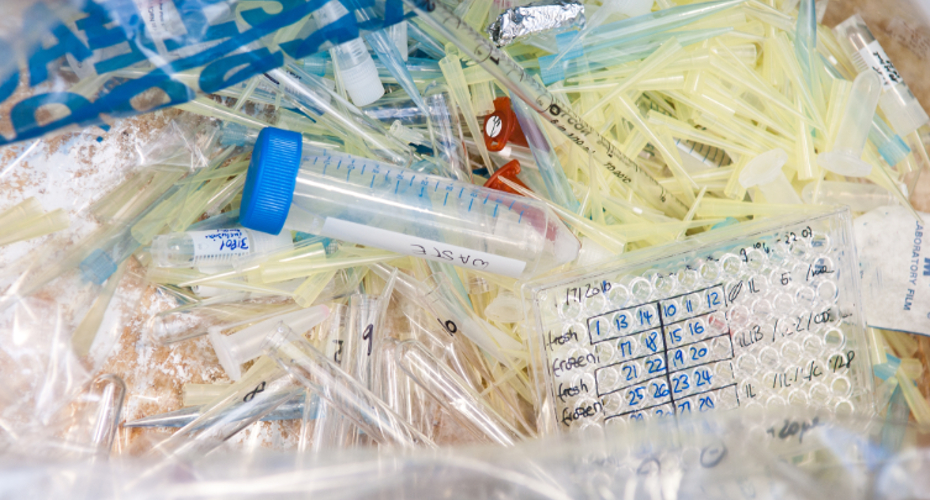
Laboratories rely heavily on consumables—especially single-use plastics like pipette tips, petri dishes, tubes, and vials. While essential for research, these items contribute significantly to environmental waste. In fact, lab-based research was estimated to produce 5.5 million tonnes of plastic waste globally in 2014—equivalent to the weight of 67 cruise ships (Urbina et al., Nature, 2015).
To reduce this impact, labs can adopt more sustainable practices across the lifecycle of consumables:
Reduce Single-Use Plastics (SUPs)
- Plan experiments efficiently to minimise plastic use.
- Use smaller vessels where possible (e.g., 15 mL instead of 50 mL tubes).
- Replace SUPs with reusable alternatives such as glassware, silicone or metal.
Reuse & Repurpose
- Reuse SUPs where possible, such as the same pipette tip or dish for compatible steps.
- Repurpose packaging, including ice packs, polystyrene boxes, and containers.
- Decontaminate and reuse suitable plastics and glassware for repeated use, or for diverting away from clinical waste.
Recycle Responsibly
- Sort waste according to local recycling guidelines.
- Use external recycling schemes for PPE and lab plastics (e.g., ReFactory).
- Decontaminate before recycling - read more in Waste & Recycling.
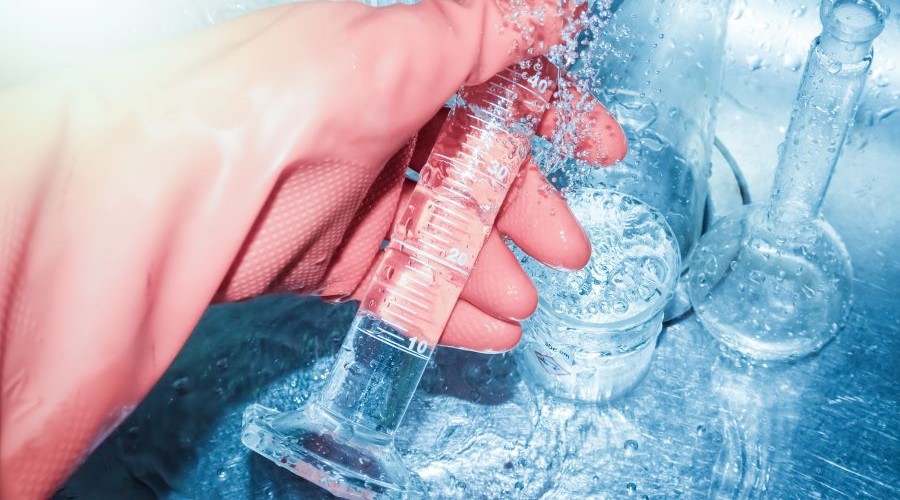
Water is a vital resource—and in laboratories, it’s often used in large volumes for cleaning, cooling, and experimentation. However, much of this use can be significantly reduced through simple behavioural changes, equipment upgrades, and better monitoring.
The University of Exeter is ranked #1 in the world for SDG 6: Clean Water and Sanitation in the 2024 Times Higher Education Impact Rankings. This global recognition reflects our commitment to sustainable water management—both through cutting-edge research and in how we operate our labs. By using water more efficiently, we can reduce our environmental impact, lower operational costs, and contribute to global sustainability goals.
Best Practices for Sustainable Water Use
- Use purified water only when necessary – Producing 1 litre of deionised water requires 3 litres of tap water.
- Rinse with low flow – Use minimal water when cleaning labware.
- Run full loads – Operate autoclaves, glass washers, and other water-intensive equipment only when fully loaded.
- Turn off taps – Never leave water running unattended.
- Install timers – Use timer switches on equipment like ice machines to avoid unnecessary water use.
- Recirculate where possible – Replace single-pass cooling systems with recirculating alternatives and reuse water where safe (e.g., soaking glassware).
Monitor and Audit Water Use
- Report leaks promptly to prevent unnecessary waste.
- Revise SOPs to include water-saving techniques such as low-flow rinsing and efficient equipment use.
- Apply green chemistry principles to reduce reliance on water-intensive or hazardous processes.
- Conduct water audits to monitor usage, identify inefficiencies, and track progress over time.
Sustainable Upgrades
- Water aspirators to vacuum pumps – Water aspirators can waste over 60,000 gallons per year. Vacuum pumps offer better performance with zero water use.
- Water baths with bead baths – Bead baths use significantly less energy and maintain more stable temperatures.
- Water-efficient equipment – Look for autoclaves and dishwashers with water-saving cycles and energy-efficient certifications.
- Install flow restrictors – These simple devices reduce water flow without compromising performance.
By embracing the 12 Principles of Green Chemistry, researchers can design chemical processes and products that are safer, more efficient, and environmentally friendly. These principles encourage the prevention of pollution at its source, the use of renewable materials, and the design of safer chemicals and energy-efficient methods. They also promote reducing waste, maximizing the incorporation of all materials used in the process (atom economy), and minimising the potential for accidents.
Together, these principles provide a framework for making chemistry more sustainable and responsible.
Importance of Green Chemistry
- Protect the environment by reducing harmful emissions and waste.
- Improve safety in the lab by using less toxic substances.
- Enhance efficiency through better resource management.
- Support regulatory compliance and reduce disposal costs.
Applying Green Chemistry in the Lab
Here are some practical ways to integrate Green Chemistry into your daily lab work:
1. Plan Your Experiments Thoughtfully
- Design experiments to use the minimum amount of chemicals necessary.
- Aim to reduce waste at every stage of the process.
- Consider the entire lifecycle of the chemicals and materials you use.
2. Choose Safer Substitutes
- Replace hazardous chemicals with less harmful alternatives whenever possible.
- Use tools like the Greener Solvent Guide or the Green Chemistry and Engineering Learning Platform to identify safer solvents and reagents.
- Evaluate the toxicity, flammability, and environmental impact of all substances.
3. Optimize Reaction Conditions
- Conduct reactions at ambient temperature and pressure when feasible.
- Use catalysts to increase efficiency and reduce energy consumption.
- Avoid unnecessary steps or purification processes.
4. Manage Chemicals Responsibly
- Label and store chemicals properly to prevent accidents and contamination.
- Dispose of waste correctly.
- Keep inventories up-to-date to avoid over-purchasing and reduce expired stock.

Promoting a culture of sharing and reuse in research labs is essential for reducing waste, conserving resources, and supporting sustainable research practices. The University provides systems and guidance to help lab users share equipment, chemicals, and space efficiently and responsibly.
Sharing equipment and resources fosters collaboration across research groups and can generate financial returns reinvested into sustainability initiatives. For example, surplus items donated to UniGreenScheme are reused responsibly, with proceeds funding projects supporting sustainability initiatives, embedding sustainability into Exeter’s research culture.
Sourcing Equipment & Resources
- Check Existing Supply, Internally: Use systems like LabCup and lab booking software to find available equipment or chemicals. Check with the University’s Research Facilities for accessible instruments. Refer to the Engaging with our Research Facilities flow chart for available resources within the institution.
- Check Existing Supply, Externally: If UoE does not have the equipment and/or resources you require, see what is available to share from other universities. This can also include leasing equipment from suppliers. Search the GW4 Equipment Database for over 1,700 shared instruments. Apply to share equipment from another institution from the ITSS Equipment Sharing Fund.
- Seek Advice: Contact your Technical Strategy & Operations Business Partner or the Sustainable Labs team for help locating existing resources or making sustainable purchasing decisions.
- Consider Second-Hand Options: Explore UniGreenScheme for surplus lab equipment or WarpIt for reusable lab and office items.
- Purchase Sustainably: If new equipment is needed, work with your Facility Manager to assess shared use potential. Follow sustainable procurement practices and avoid greenwashing when purchasing new equipment.
For guidance on implementing sustainable practices in your lab, keep in touch with us with the below channels.
Keep in Touch
Contact us: sustainablelabs@exeter.ac.uk
Join our Teams channel
Bookmark our SharePoint site
Instagram: @ExeterTechs Bluesky: @exetertechs.bsky.social LinkedIn: linkedin.com/showcase/exetertechs