Reducing Energy
Laboratories are among the most energy-intensive spaces in any institution—consuming 3 to 10 times more energy per square metre than typical academic or office areas. In wet labs, heating, cooling, and ventilation systems are major energy drivers. Meanwhile, dry labs often face high power demands from data storage and computing equipment.
With such a wide range of equipment in use—especially devices with motors, heating elements, or cooling functions—there are many opportunities to reduce energy consumption. Using lab equipment efficiently not only lowers energy bills and extends equipment lifespan, but also significantly reduces environmental impact.
Sustainable lab practices directly support the UN Sustainable Development Goals (SDGs):
- SDG 7: Affordable and Clean Energy – by reducing energy use through simple actions like switching off unused devices or using timers.
- SDG 12: Responsible Consumption and Production – by promoting longer equipment life, reducing waste, and encouraging sustainable purchasing decisions.
Simple adjustments in how we use lab equipment can lead to significant improvements in both energy efficiency and environmental sustainability. By helping lab users understand where and how energy is most heavily consumed, we empower them to take action with minimal effort.
The table below shows the high energy consumption levels for some common lab equipment (Stefanie Reiss, Oxford Uni, Sep 2020):
| Lab Equipment |
Typical Energy Consumption: Equivalent no. of Households (actual consumption depends on size, age & condition of equipment) |
|---|---|
| Drying Cabinets | 0.5 - 3  |
| Ultra-Low Temperature Freezers | 1 - 3.5  |
| Fume Hoods | 2 - 5  |
Energy Intensive Equipment
Benchtop equipment plays a vital role in research, but it also contributes significantly to a lab’s energy footprint using 20-50% of the lab's total energy use (My Green Lab). By adopting a few simple best practices, labs can operate more efficiently while promoting environmental responsibility. Here's how:
1. Minimise
- Turn off equipment and lights when not in use.
- Use clear signage to remind users to power down devices.
- Implement shared equipment and booking systems to reduce duplication and maximise resource use.
- Promote collective responsibility by making energy-saving expectations visible and easy to follow. Sustainable Labs have a variety of resources, including posters and stickers, available for all technical spaces to use.
2. Optimise
- Use the right equipment for the task and ensure users are properly trained.
- Keep SOPs and training records up to date.
- Run high-energy equipment (e.g. autoclaves, dishwashers) only when full to maximise efficiency.
- Organise storage, such as ULT freezer racks, to reduce the need for additional units.
- Use plug-in timers for equipment that must remain on for extended periods.
- Schedule routine maintenance to extend equipment lifespan and maintain performance.
3. Sustainable Upgrades
- When replacing equipment, choose sustainable models and be mindful of greenwashing.
- Repurpose old equipment through the use of WarpIt or the UniGreenScheme.
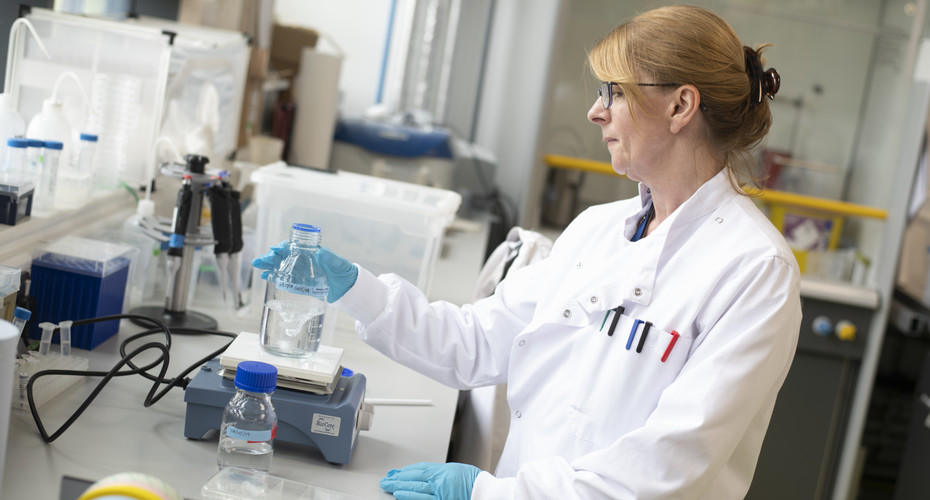
Ventilation systems—like fume hoods, microbiological safety cabinets (MSCs), and other LEV units—are essential for lab safety but also among the most energy-intensive. A single fume hood can use as much energy as 3.5 homes per year if left open continuously. While these systems are essential for protecting researchers from hazardous substances, they must be used efficiently to balance safety with sustainability.
1. Minimise
- Turn off ventilation equipment when not in use and safe to do so.
- Shut the sash on fume hoods when not in use, and raise the sash only as much as needed when operating.
- Use signage to remind users and provide contact info for reporting issues.
- Keep hoods clear of clutter to maintain airflow and reduce energy strain.
2. Optimise
- Keep SOPs and training up to date to ensure safe, efficient use.
- Work at least 15 cm inside the hood.
- Avoid fast movements in front of the sash.
- Position equipment properly: 20 cm behind the sash, 10 cm from sidewalls, and away from the back baffle.
- Report alarms immediately—never use a hood in alarm mode.
3. Sustainable Upgrades
- Add vented storage to reduce clutter and improve airflow.
- Use tools like Flowtilz from Flowzaics to enhance hood efficiency.
- Upgrade controlled air volume (CAV) fume hoods to variable air volume (VAV): These adjust airflow based on sash position and occupancy, cutting energy use and emissions while maintaining safety. VAVs can be retrofitted or installed as new units.
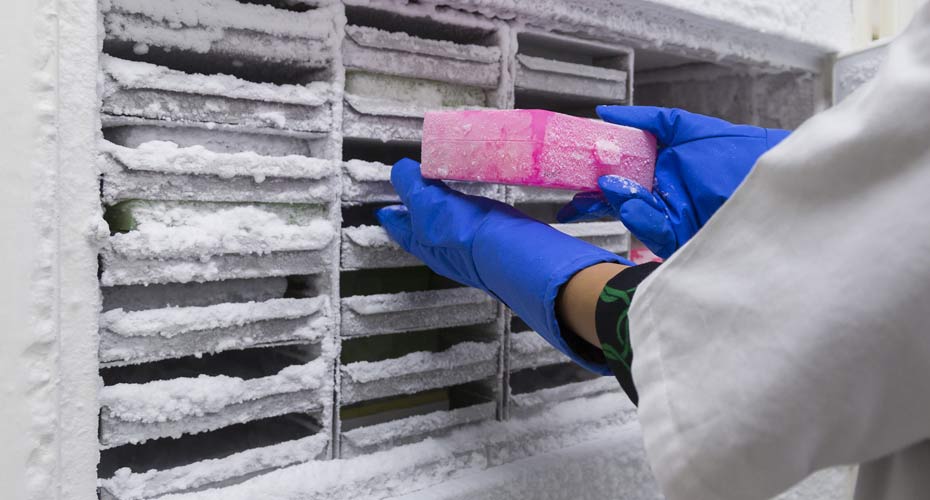
Cold storage units, including Ultra-Low Temperature (ULT) freezers, -20°C freezers, refrigerators, and cold rooms, are essential for preserving samples and reagents in research labs. However, these units are also significant energy consumers, often running 24/7 and contributing substantially to a lab’s carbon footprint. With proper management and maintenance, labs can reduce energy use, extend equipment lifespan, and protect valuable materials—supporting both sustainability goals and research integrity.
1. Minimise
- Raise the temperature: Increase ULT settings from -80°C to -70°C where safe—this can cut energy use by up to 30%.
- Limit door openings: Keep doors closed and minimise time spent searching inside.
- Label samples clearly and maintain an up-to-date inventory to reduce search time and maximise storage.
- Avoid empty space: Fill gaps with ice boxes or share space with other labs to maintain stable internal temperatures.
2. Optimise
- Position units correctly in a cool, well-ventilated areas away from heat sources and direct sunlight. Ensure vents and grills are unobstructed for efficient cooling.
- Defrost and clean regularly: Remove ice build-up and clean filters to maintain performance.
- Monitor performance: Listen for unusual compressor noise and report issues promptly.
- Controlled Temperature Management Policy: All users must comply with the University's policy on cold storage, which outlines best practices for managing ULT freezers, -20°C units, fridges, cold rooms, incubators, and liquid nitrogen storage.
3. Sustainable Upgrades
- Replace old units: To reduce lab safety risks and ensure optimal energy consumption, ULT freezers that are over 10 years should be considered for replacement.
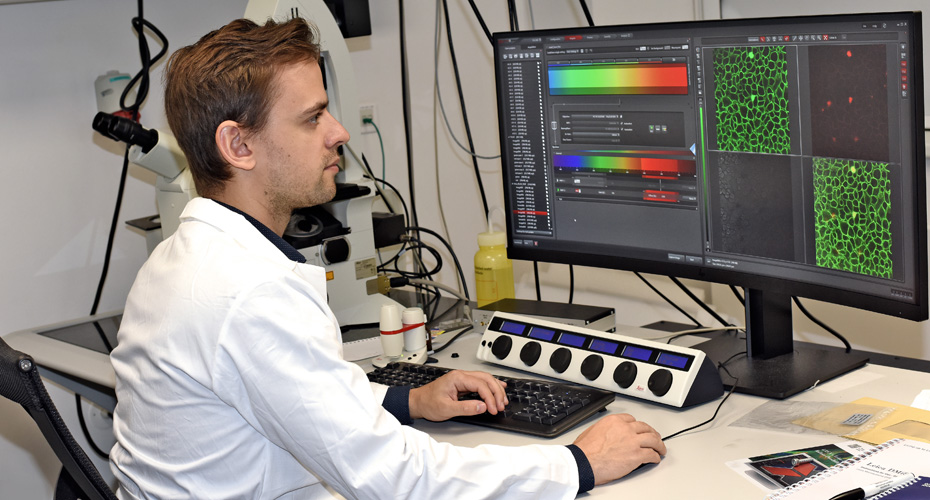
Computing is essential to modern research, but it also contributes significantly to energy use and carbon emissions—especially in data-heavy environments like dry and computational labs. By adopting greener computing practices, labs can reduce their environmental impact while maintaining productivity and performance.
1. Minimise
- Shut down or sleep devices when not in use—avoid leaving computers and monitors running overnight.
- Unplug chargers and peripherals when not needed to prevent vampire energy use.
- Use shared workstations or virtual desktops to reduce the number of active devices.
- Limit unnecessary printing and switch to digital workflows where possible.
2. Optimise
- Enable power-saving settings on all devices (e.g., automatic sleep, screen dimming).
- Store data efficiently— store filed using cloud services, such as SharePoint, and clean up files and datasets regularly.
- Back up critical data to prevent repeat experiments.
3. Sustainable Upgrades
- Consider suitability for Green DiSC certification to improve the sustainability of your digital lab space.
- Recycle or donate old electronics through the universities WEEE waste.
- Always return IT equipment back to the university to prolong it's lifespan when it is no longer required.
For guidance on implementing sustainable practices in your lab, keep in touch with us with the below channels.
Keep in Touch
Contact us: sustainablelabs@exeter.ac.uk
Join our Teams channel
Bookmark our SharePoint site
Instagram: @ExeterTechs Bluesky: @exetertechs.bsky.social LinkedIn: linkedin.com/showcase/exetertechs