MA Curation: Contemporary Art and Cultural Management
| UCAS code | 1234 |
|---|---|
| Duration | 1 year full time |
| Entry year | 2027 |
| Campus | Streatham Campus |
| Typical offer | We will consider applicants with a 2:2 Honours degree or above in a social science* or humanities subject, as well as Archiving, Art Conservation, Art Criticism, Arts and Culture, Heritage or Gallery Management, or Museum Studies. |
|---|---|
Why study MA Curation: Contemporary Art and Cultural Management at Exeter?
- Learn from lecturers at the cutting edge of contemporary art research and curatorial practice, as well as art history and visual culture
- Expand your understanding of the social, cultural and economic issues that surround the international contemporary art world
- Develop a range of subject-specific, academic and transferable skills, including high-order conceptual and visual literacy and communication skills for the arts sector and beyond
- A partnership-based approach to support opportunities for work placements in prestigious museums and galleries (public or commercial)
- Gain knowledge from expert guest lecturers from around the world, including internationally renowned curators, artists and critics.
- Benefit from studying in the beautiful, culturally-rich South West of the UK, and also from regular field trips to London, including visits to leading art world events such as Frieze Art Fair and institutions such as Tate Modern, along with a wide range of artist-led spaces, commercial galleries and museums.

Develop transferable skills and specialist knowledge through interdisciplinary teaching

Focus on professional practice and the cultural management aspects of Creative Industries and Humanities

Opportunities for study in the field

Top 100 in the world for Arts and Humanities
Ranked 95th in the Times Higher Education World University Rankings by Subject 2026
Entry requirements for 2027 entry
We will consider applicants with a 2:2 Honours degree or above in a social science* or humanities subject, as well as Archiving, Art Conservation, Art Criticism, Arts and Culture, Heritage or Gallery Management, or Museum Studies. While we normally only consider applicants who meet this criteria, if you are coming from a different academic background which is equivalent to degree level, or have relevant work experience, we would welcome your application.
*Accepted social science subjects include:
- Anthropology
- Archaeology
- Area and Development Studies
- Criminology
- Demography
- Development Studies
- Economics
- Economic and Social History
- Education
- Environmental Planning
- Human Geography
- International Relations
- Law
- Linguistics
- Management and Business Studies
- Media and Communication Studies
- Philosophy
- Politics and International Studies
- Psychology
- Science and Technology Studies
- Social Policy
- Social Statistics, Methods, and Computing
- Social Work
- Socio Legal Studies
- Sociology
Please also see our guidance on essential documentation required for an initial decision on taught programme applications.
Entry requirements for international students
Please visit our entry requirements section for equivalencies from your country and further information on English language requirements.
Please also see our guidance on essential documentation required for an initial decision on taught programme applications.
Entry requirements for international students
English language requirements
International students need to show they have the required level of English language to study this course.
The required IELTS test scores for this course fall under Profile B1.
Please visit our English language requirements page to view the required test scores and equivalencies from your country.
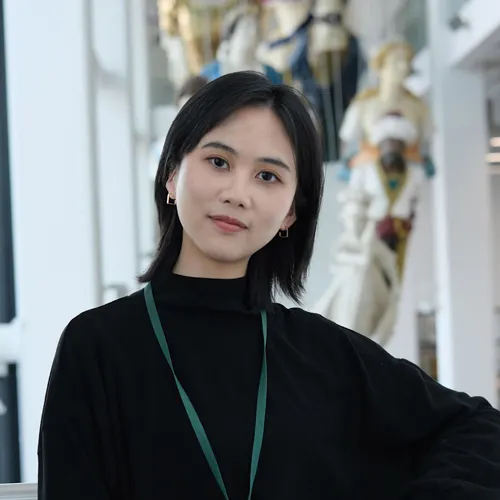
Looking back, my year in the UK was truly one of the most memorable experiences of my life. I learnt so much. I joined the MA Curation programme in 2023 and now work at a curatorial company in Shenzhen, China.
The MA course is very career-focused - our Professor helped us to find meaningful placements based on our interests, in my case at The Box in Plymouth, which really strengthened my CV (please see my Arts and Culture blog).
We also had guest lectures from artists and curators across different fields, giving us insight into the art world. Plus, assignments were designed to be practical - I could refine my portfolio through coursework, which made job hunting much easier. Overall, the programme gave me both industry connections and hands-on experience, making the transition into my career much smoother.
Yingjun
MA Curation student
Course content and modules
The course is divided into units of study called modules which are assigned a number of 'credits'. The credit rating of a module is proportional to the total workload, with 1 credit being nominally equivalent to 10 hours of work.
The modules below provide examples of what you can expect to learn on this degree course based on recent academic teaching. The precise modules available to you in future years may vary depending on staff availability and research interests, new topics of study, timetabling and student demand.
Please note that the module information displayed here is subject to change.
150 credits of compulsory modules
30 credits of optional modules
You may choose either AHVM005 Dissertation or AHVM006 Curatorial Project; you may not choose both. You must take one of AHVM004 Internship or AHVM007 Curating Society and cannot choose from options other than these two.
| Code | Module | Credits |
|---|---|---|
| Compulsory 1 | ||
| Institutions and Agencies: the Business of Contemporary Art | 30 | |
| Arts of the Contemporary World | 30 | |
| Art Writing | 30 | |
| Compulsory Choice 2 | ||
| Dissertation | 60 | |
| Curatorial Project | 60 | |
AHVM001: Institutions and Agencies: the Business of Contemporary Art
This module explores the multifaceted apparatus of the contemporary art world, from public galleries and museums to the commercial sector, from art fairs to international biennials, from collections and collectors to commissioning agencies and socially engaged projects, as well as the critical, institutional and economic structures that support them. It provides you with an overview of the multiple roles of the curator, along with their historical grounding, and is designed to equip you with the understanding and skills necessary to navigate your way through this complex system.
AHVM002: Arts of the Contemporary World
This module equips you with an informed understanding of contemporary art from a transnational perspective. The cultural assumptions identifying contemporary art practice principally with Western initiatives have been challenged and to some extent superseded and new economic realities may see this process accelerate.
In this module you will examine a wide range of critical thinking in relation to contemporary art, with a particular emphasis on counter-hegemonic cultural narratives and emergent (non-Western) centres of art production. You will look at curatorial responses to the global contemporary art phenomenon as reflected in many of the major venues and events where this art is brought to public attention (for example, Documenta, Manifesta, and the many international art biennials held around the world). You will analyse the problems associated with defining contemporary visual culture according to identity, community, national, international or transnational contexts. You will also discuss different critical theories and perspectives on mainstream culture in relation to the notion of 'contemporaneity', in the context of an emerging global network society.
AHVM003: Art Writing
This module is designed to provide you with the expertise to analyse and assess critical and contextual writing and to gain proficiency in producing texts suitable for a variety of different platforms: including art criticism, briefing documents, catalogue essay writing, exhibition texts, interpretation materials, podcasts and online content. It combines the development of the analytical and literary skills suitable for contemporary art criticism with practical instruction in the professional standards required for the varied and distinctive writing tasks associated with the criticism of or support for contemporary art. It also includes instruction in the preparation of documents relevant to arts advocacy (orientated to NGOs and/or civic/government departments) and arts investment (for private or corporate interests). Throughout, attention will be paid to the interplay between content, medium and anticipated audience and the need to modulate writing styles to produce effective communication in a variety of contexts. The module will include seminars and practical workshops, drawing on existing writing protocols and templates. A focus will also continue on professional practice and curatorial methodologies.
There will be a 3-day field trip to visit London museums and galleries during this period.
This module is unsuitable for non-specialist students.
It is not recommended for interdisciplinary pathways.
AHVM005: Dissertation
The dissertation requires you to conceive, plan, research and write-up a research project orientated to the contemporary art world. The dissertation provides you with the opportunity to test your learning, display your subject knowledge and methodological skills, and explore in detail a topic that interests you.
The subject of the dissertation will be negotiated between you and your course tutor. It must be orientated to a subject that falls within the area of study of the Curation: Contemporary Art and Cultural Management MA. It will either take the form of an extended academic essay or a portfolio of texts for a hypothetical exhibition. The portfolio must contain the following three elements:
1) the rationale for the exhibition and its relevance to contemporary curatorial, critical and/or artistic practice;
2) the introductory catalogue essay for the exhibition;
3) catalogue entries for a selection of exhibits.
The general form of the submission in either case must be agreed with the dissertation supervisor well in advance of the project - and will be included as part of your dissertation proposal.
The dissertation is the culmination of the Masters programme. The aims of this module are to provide you with opportunities to:
AHVM006: Curatorial Project
The final curatorial project is an opportunity to put your research into practice, and to set out your stall for a potential future professional career. The module requires you to conceive, plan and deliver a project for a public audience in whatever form is most appropriate to the curatorial concept, within the context of contemporary art. In addition, you will be required to submit a project evaluation, along with documentation of the project, including a synopsis of the curatorial concept, any related artists' texts, publicity and interpretation materials, an appraisal of audience engagement, a budget and project timeline, and a portfolio of the administrative tasks undertaken, such as risk assessments, public liability insurance, transport and key correspondence.
This module builds upon work initiated and developed in earlier modules and as such represents the realisation of an ambitious final curatorial project that is informed by the overarching learning process of the MA as a whole.
| Code | Module | Credits |
|---|---|---|
| Optional 1 | ||
| Internship | 30 | |
| Curating Society | 30 | |
AHVM004: Internship
This practice-based module enables you to arrange a work placement with an external organisation in the museum and gallery sector, or with one of the corporate and institutional bodies that support contemporary art practice. You will be responsible for initiating contact and setting up your internship, with support from the module convenor and employability team in the Faculty of Humanities, Arts and Social Sciences. This opportunity provides you with 'hands on' experiential learning while you benefit the partner's operation in undertaking graduate-level activities on its behalf, enabling you to apply skills learned through the MA programme and build professional experience. Assessed through a placement portfolio and a critical essay, this module allows you to gain significant work-based knowledge and skills in a reflective way.
The general form of the internship must be developed with the MA supervisor well in advance. You may work collectively with other students, as a group, to deliver an internship project, with pre-agreed delegated responsibilities, subject to approval at the outset. However, each student will be required to submit their portfolio of work undertaken and the associated critical essay individually, including a clear outline of their role within the internship team. If you work as a collective, your practical contribution to the internship will still be assessed individually, along with your portfolio and written text.
AHVM007: Curating Society
Mediating between artists and the diverse publics with which they engage, curators are often facilitators to ideas which can be provocative, challenging, and political. This intensive module explores the role of curators in working directly with communities beyond the gallery towards discursive and social justice aims, covering topics such as restitution and decolonisation, archival activism, and the advocation for marginalised groups, including indigenous, queer, racialised and gendered subjects. Exploring an array of contemporary participatory, community engaged and 'live' curatorial practices, this module offers models and approaches for working with and within society. Culminating in a proposal for a socially-engaged project or public programme, the module encourages lateral views of curating including, though not limited to, the production and programming of screenings, talks, symposia, tours, videos and podcasts. Completion of AHVM001, AHVM002 and AHVM003 as pre-requisites is required to undertake this module, and proposals for projects develop directly from previous professional practice workshops.
Fees
UK fees per year:
£13,150 full-time
International fees per year:
£26,750 full-time
Scholarships
The University of Exeter offers a wide range of scholarships to support your education, with £8 million available for international students applying to study with us in the 2027/28 academic year, including our prestigious Exeter Excellence Scholarships. We also provide awards for sport, music and other achievements, as well as regional and partner scholarships with organisations such as Chevening, the Commonwealth Scholarship Commission and the British Council. For more information on scholarships and other financial support, please visit our scholarships and bursaries page.
University of Exeter Alumni Scholarship
We are pleased to offer the University of Exeter Alumni Scholarship, a scholarship for University of Exeter alumni beginning a standalone postgraduate programme in 2027/28 with us a scholarship worth 20% of the cost of your first year tuition fees.
Terms and conditions, including deadlines, apply.
This MA has allowed me to develop and broaden my knowledge of International contemporary art. It has a refreshing and stimulating approach and offers a wide range of modules, talks and lectures by curators, writers and academics.
The academic teaching is excellent and the personal attention given to students is outstanding. I have also learnt so much about the commercial and business side of the international art world.
As a result of the pandemic I followed the course online but I never felt abandoned for one single minute and the feedback and cooperation between staff and students was always fulfilling.
I would most definitely recommend this course to final year undergraduates wishing to follow a career in the art world.
My work placement at Frieze in London gave me a unique experience to be thrown into the deep end of the bustling, vibrant scene that represents the art world of the 21st century.
Arabella
MA Curation: Contemporary Art and Cultural Management

Teaching and research
.webp)
Our lecturers are at the cutting edge of contemporary art research and curatorial practice, as well as art history and visual culture. Key members of staff specialise in contemporary art and curation, as well as the history of art and architecture, from the Renaissance to the present, the history, theory and practice of museums and collections, aspects of performance, installation, photography and video arts and visual culture from antiquity to the present day.
Placement
A partnership-based approach to support opportunities for work placements in prestigious museums and galleries (public or commercial).
Student Exhibitions
In the third and final term, students have the option to either organise a curatorial project or write a research dissertation. You can view the projects our students chose the theme for, designed and completed on our dedicated website.
Teaching
The MA offers a unique combination of academic research-based modules and more practical, hands-on experience.
Distinctive aspects of the MA are:
- A three term MA programme, structured around four taught modules (delivered in terms 1 and 2), including a work placement, in addition to a final dissertation or curatorial project (in Term 3).
- Subsidised field trips and opportunities for students to visit internationally significant collections and exhibitions throughout the course - including visits to leading art venues across the South West of England, as well as two three-day field trips to art fairs, museums and galleries in London.
- Extensive use of invited curators and museum/gallery professionals as guest speakers to contribute lectures to the taught modules as appropriate.
Studying MA Curation: Contemporary Art and Cultural Management has enabled me to delve deeper into the theory of art and practicalities of curation. I enjoy the flexibility of the assignments as I can really focus on the concepts that interest me.
Art Writing has been one of my favourite modules as we were introduced to a range of experts who specialised in all styles of writing.
Overall the MA has been an excellent opportunity to network within the art world and expand upon my own personal interests.
Olivia
MA Curation: Contemporary Art and Cultural Management

Your study environment
Students and staff at the University of Exeter benefit from living in one of the most beautiful parts of the country.
With stunning scenery, outstanding quality of life, low rates of crime and increasingly excellent economic prospects, the South West has cemented its reputation as one of the very best places to live, work, and study in the UK. It’s no wonder our students are consistently amongst the most satisfied in the country.
Arts and Culture, University of Exeter
The University’s Arts and Culture team work across our faculties and campuses, and with creative partners in the South West of the UK and beyond.
Their mission is to activate creativity. They make connections between people, participate in creative networks, share ideas, and support artists and their work. They’re part of the University of Exeter community of staff and students, and part of the community of cultural organisations and creative practitioners working in the South West. They want to encourage more purposeful encounters across both, and support joint creative working.
Learn more about Arts and Culture, University of Exeter
The City of Exeter
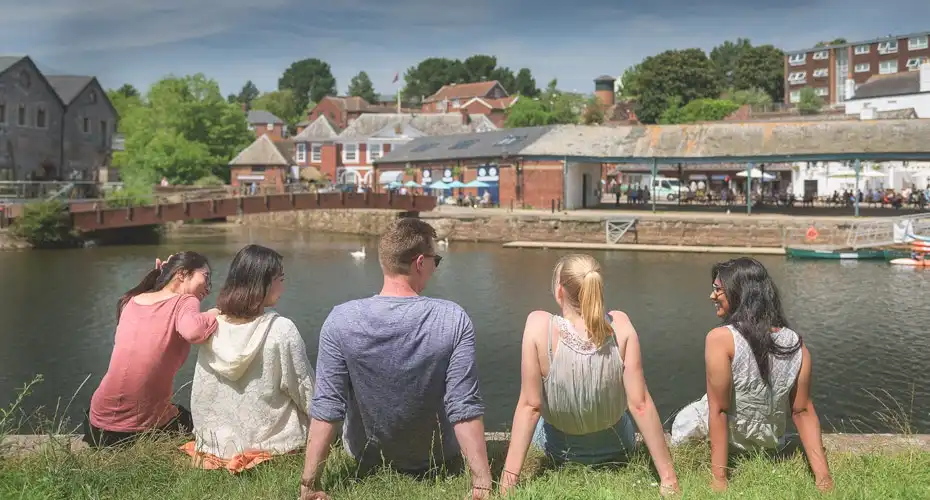
Nestled in the picturesque Devon countryside, Exeter is consistently rated as one of the best places to live, work and study in the UK.
Boasting a high quality of life and low crime rate, over a quarter of Exeter’s population study or work at the University, making the city a welcoming environment for students and academics alike.
Exeter is the administrative and commercial core of Devon. It’s home to a diverse and dynamic arts and culture scene that sets it firmly on the map as a cultural centre of the South West. It also plays a vital role in maintaining Exeter’s reputation as a thriving, flourishing and creative city.
As well as numerous independent theatres, the city centre has multiplex cinemas and smaller independent cinema venues. There's also an award-winning museum, a number of independent galleries, and a sizeable arts centre and creative hub right in the city centre.
We even have a museum on our Streatham Campus. The Bill Douglas Cinema Museum has one of Britain’s largest collections relating to the moving image. Explore their extensive collection of memorabilia, toys, images and artefacts from the 17th century to the present, right on campus.
Learn more about:
The South West
Devon
Beyond Exeter, there are lots of diverse and exciting places to explore. The city is surrounded by award-winning countryside and has a UNESCO World Heritage coastline on its doorstep. It is also the only county in England that has two National Parks and the only county in the UK to have a non-continuous coastline on both the north and south. It is home to three Areas of Outstanding national Beauty - South Devon, East Devon and the Blackdown Hills.
From walking on Dartmoor to trying a new water sport on one of the beautiful beaches, there's more than enough to keep you occupied.
Cornwall
Penryn in Cornwall, where the University has another campus base, is home to a growing community of artists, young professionals, and university students. The nearby town of Falmouth offers a wide variety of boutiques, eateries, and social venues, and hosts a number of annual events such as the Oyster Festival and Sea Shanty Festival.
Truro is a short bus or train ride away. The city boasts stunning views of the impressive Truro Cathedral, as well as many opportunities for shopping, dining, and culture.
Cornwall also offer fantastic surfing on the north coast, art galleries in St. Ives, the beautiful gardens at the Eden Project, and the breathtaking views on The Lizard and Bodmin Moor. All of these and other destinations are easily explored by bus, train, car, and bicycle, or even, via the Coastal Path, on foot.
Thanks to our prestigious Green Flag Award, the scenic beaches and coves, and dramatic clifftop views, Cornwall is one of Britain’s favourite holiday destinations. The county also has a rich history of artistic and scientific innovation, making it a fascinating and stimulating place to live, work and study.
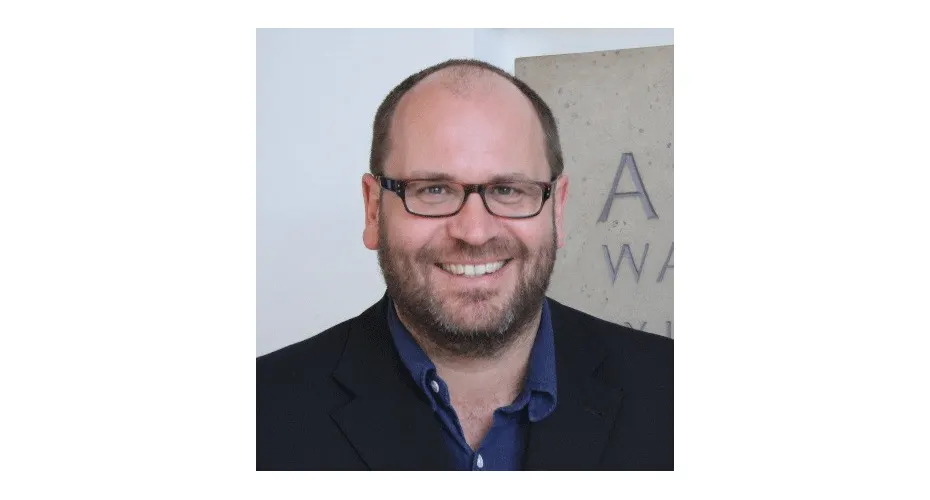
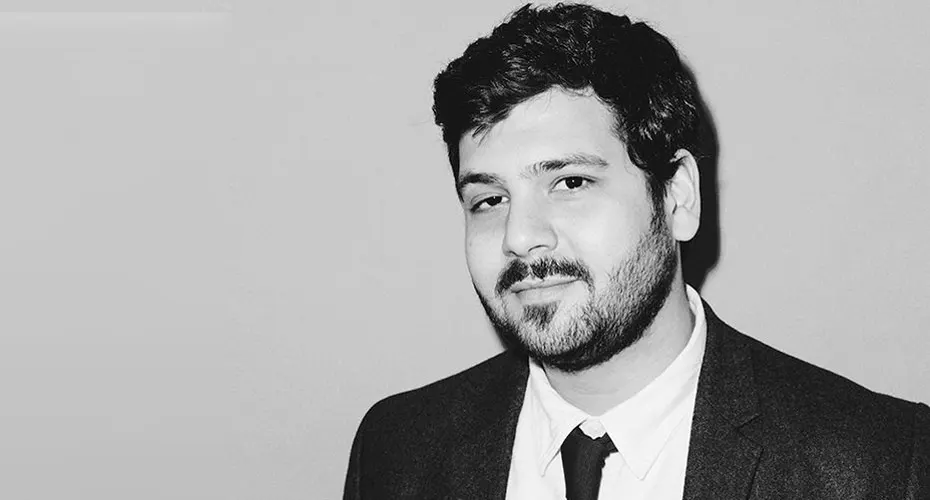
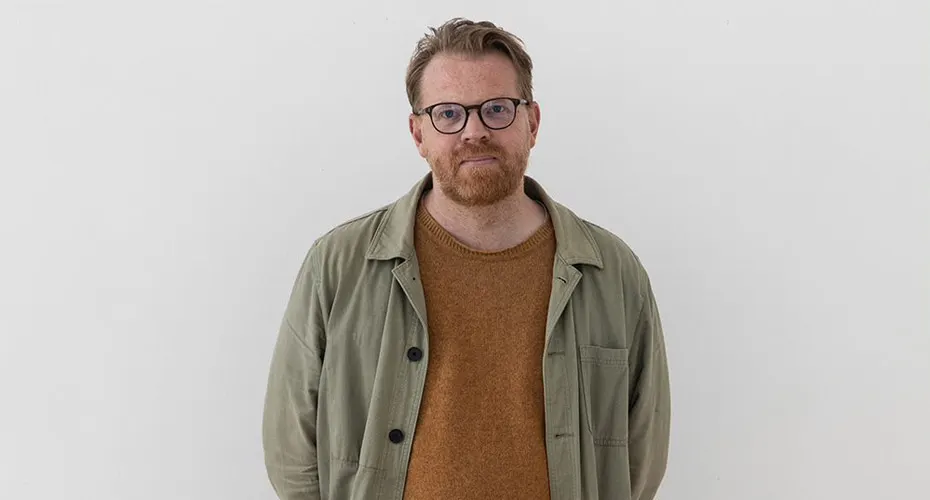
Tom Trevor is the founding Director of the MA Curation: Contemporary Art and Cultural Management, within Art History and Visual Culture. He has twenty-five years’ experience as an international curator and writer on contemporary art, including fourteen as Director of leading UK arts institutions.
During this time he has curated more than 100 exhibitions, placing a particular emphasis upon experimental emerging practice and context-led projects. Since 2013, after eight years as Director of Arnolfini, in Bristol, he has focused on curating international biennials and large-scale visual arts projects, working in India, Korea, Denmark, Japan, UAE and the UK. Over the course of his career, he has produced, edited or contributed texts to over 40 publications, and lectured widely.
Read more from Professor Tom Trevor
Professor Tom Trevor
Programme Director
Guest lecturers
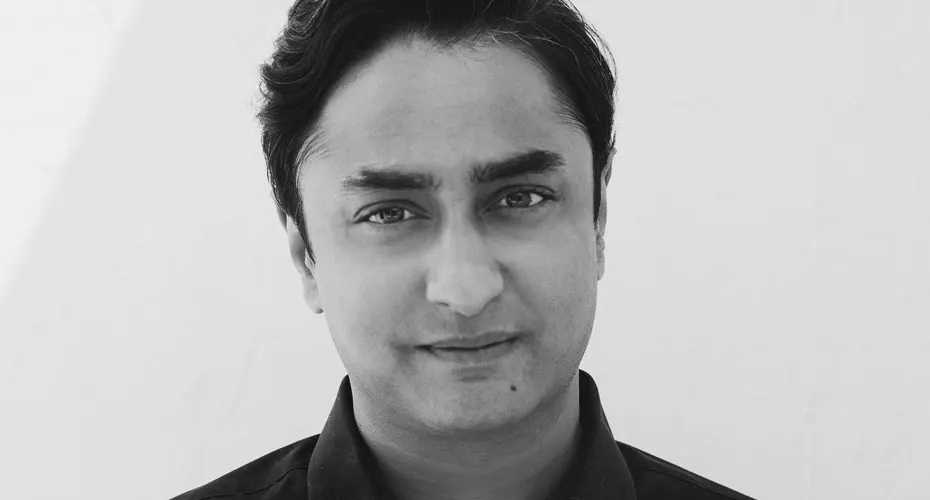
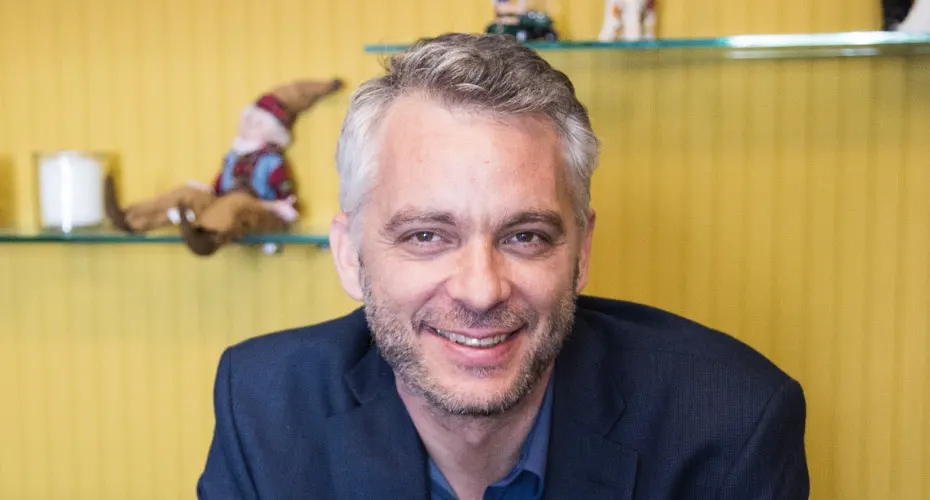
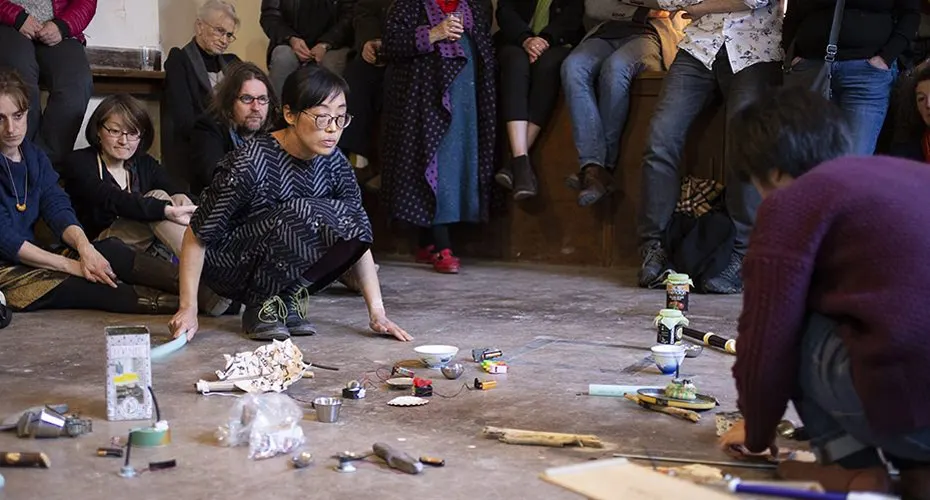
Drawing on expertise from the university’s Art History and Visual Culture team and across the world, lectures and seminars are framed around conversations with internationally recognised curators, artists, researchers and writers.
Follow us on Instagram @uofecuration to find out more about the MA Curation community








Careers
This programme will prepare you for graduate-level employment by developing a number of the skills and attributes that are valued by employers. These include the ability to:
- engage imaginatively in the process of understanding and analysing contemporary international arts, and acquire the analytical tools necessary for an understanding of them.
- promote a sense of the complex social, cultural, and institutional interactions between the production and reception of contemporary art and acquire the critical tools necessary to reflect upon these interactions.
- engage critically with theoretical perspectives, major debates, and intellectual paradigms in the fields of art history, visual culture and arts criticism, and to encourage comparative reflection on the shared and contested knowledge produced therein.
- understand the historical evolution of key concepts and procedures, in arts practice, art criticism and curatorship, and to consider the distinct and shared ways in which these concepts and procedures have developed within and beyond particular national traditions as well as different institutional contexts.
- to develop a comparative understanding of the ways in which aesthetic judgements are constructed and aesthetic processes are experienced with regards to contemporary art.
- acquire a sense of the distinctive social and cultural importance of the contemporary arts through an intellectually stimulating and satisfying experience of learning and studying.
- develop the basis for further study in art history, gallery studies, or related disciplines.
- develop a range of subject-specific, academic and transferable skills, including high-order conceptual and visual literacy and communication skills of value in graduate employment.
Opportunities
The MA will provide you with the opportunity to undertake a placement or research project with an organisation from the sector, enabling students to apply their knowledge in a business setting. A number of the University’s graduate attributes will be developed through study of the programme, including engaging as an active and committed global citizen.
Skills
The programme is international in its focus and encourages you to understand the social, cultural and economic issues that surround the contemporary art world. The skills you develop are therefore transferable into a broad range of employment contexts, both related to the arts sector and beyond. For example, the Art Writing module will equip you to: produce texts suitable for a variety of different platforms: including briefing documents, arts criticism, catalogue writing, exhibition texts, interpretation materials, podcasts and online content.
Potential career paths
- Public galleries / museums
- Curation
- Commercial galleries and dealerships
- Arts Investment and Wealth Management
- Arts and Culture Policy
- Heritage Management
- Academia
- Culture Management: Government Departments / Advisory Boards
- Marketing, PR and Communications
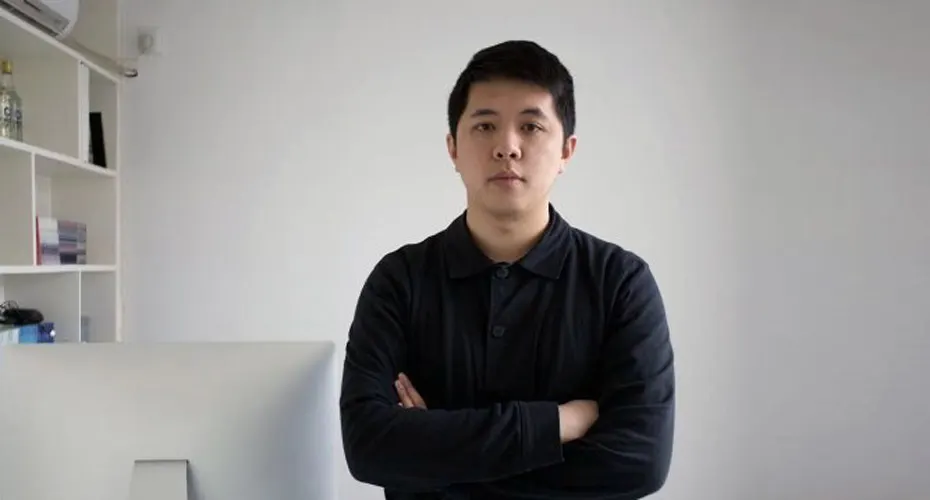
For me, the year in the MA Curation programme was truly incredible. I not only gained theoretical knowledge about the contemporary art world and insights into how different art institutions operate but also had the opportunity to visit museums, galleries, art centres, and even the Frieze Art Fair through field trips.
What impressed me the most about this programme was its strong connection to practice. I interned as an Audience Development and Collections Assistant at RAMM in Exeter and curated an exhibition as my MA final project. These experiences were invaluable in preparing me for my career. After graduation, I became a public programme curator at an art institution in Shanghai.
Siyuan
MA Curation student

Find out more about studying at Exeter






Sign-up for more information about studying with us
If you're thinking about studying MA Curation: Contemporary Art and Cultural Management with us, signing up to our emails is the best way to discover if we’re the right university for you.