Services for industry
Exeter Zebrafish Hub
Advancing disease research with zebrafish models
A first point of contact for zebrafish-based disease modelling, discovery biology and translational research
The LSI Zebrafish Hub provides a gateway for industrial and academic partners who want to use zebrafish as a powerful vertebrate model for biomedical discovery and disease modelling.
The Hub acts as a first contact point for partners interested in contract research, collaborative research projects, pilot studies, model development or access to zebrafish expertise and infrastructure. We work with partners to shape scientifically robust and practically deliverable projects, from early feasibility discussions through to experimental design, execution, analysis and interpretation.
Our expertise spans a wide range of disease and discovery areas, including:
- early developmental phenotypes and developmental toxicity
- pancreas, insulin and diabetes models
- neurodevelopmental and neural connectivity models
- stress, behaviour and anxiety-related phenotypes
- cardiovascular biology
- kidney development and disease
- cell signalling, tissue patterning and regenerative biology
Through the Hub, partners can access expertise in zebrafish husbandry, embryo and larval assays, genome editing, transgenic models, live imaging, phenotypic analysis and disease-relevant readouts. Projects can be developed as fee-for-service contract research, collaborative research programmes, grant-linked partnerships or early-stage feasibility studies.
The LSI Zebrafish Hub has extensive experience working with industrial partners across a wide range of research areas. Examples of past and ongoing industry-linked projects are showcased below, highlighting how zebrafish models and Exeter’s expertise can support contract research, pilot studies and longer-term collaborative programmes.
We welcome enquiries from biotech, pharmaceutical, diagnostics, aquaculture, environmental and technology partners interested in using zebrafish to accelerate discovery and translation. For enquiries, contact Profs Steffen Scholpp (Director of Research & Impact, s.scholpp@exeter.ac.uk ) or Benjamin Housden (Director for Business Engagement; b.housden@exeter.ac.uk ).

Research Success with AstraZeneca: from disease modelling to advanced genome editing
The University of Exeter has a long-standing relationship with the global, science-led biopharmaceutical company, AstraZeneca. This includes BBSRC Industrial Partnership Award funding and AstraZeneca-supported PhD studentships for using zebrafish as a vertebrate in vivo platform to investigate disease mechanisms, test hypotheses to better understand fundamental developmental processes, and develop translational approaches relevant to pharmaceutical research and drug discovery.
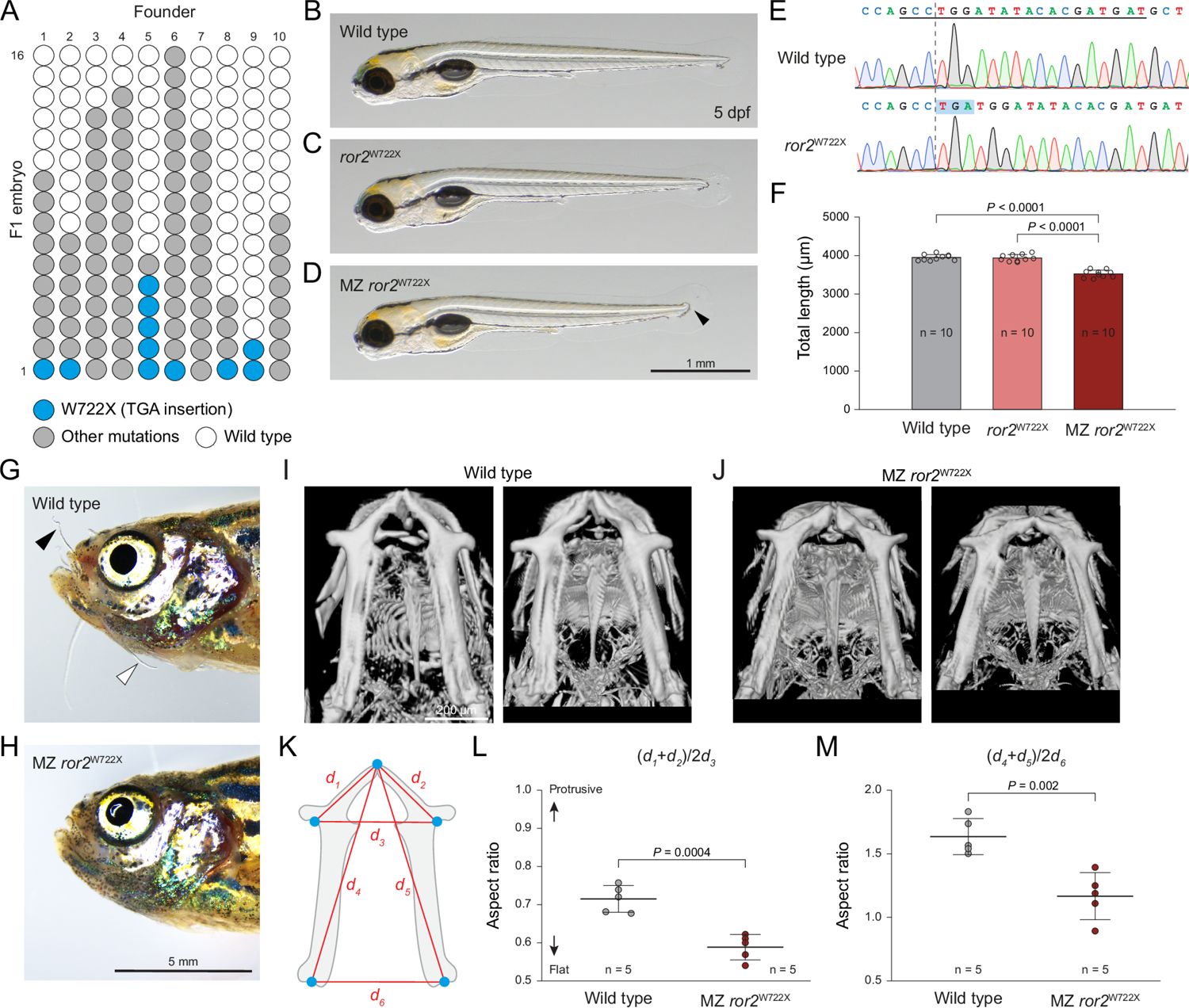
One major strand of this collaboration has been focused on using zebrafish to model human disease-associated genetic variation with greater precision. In particular, precise genome editing was used to introduce a stop codon into the zebrafish ror2 gene at the equivalent position described in patients. This enabled the generation of a disease-relevant zebrafish model for the rare developmental disorder Robinow syndrome.
This work helped establish advanced CRISPR-based and prime-editing workflows at Exeter, strengthening the LSI Hub’s capacity for bespoke disease modelling and functional validation. The resulting methods now allow more precise DNA substitutions and short sequence insertions in the zebrafish genome, supporting the generation of models that better reflect patient-relevant variants. This work was published in eLife as “Optimised genome editing for precise DNA insertion and substitution using prime editors in zebrafish” (Ono et al., 2025).
A second collaboration is a project establishing the roles of oestrogen receptors in the development of smell (olfaction) and that builds on previous work with AstraZeneca developing and applying genetically engineered zebrafish models to understand fundamental biological processes (e.g. Takesono et al., 2022). The development of olfaction during early life can have fundamental, and life-long, influences on the development of social cognition and social behaviour, and disruptions in the associated processes can lead to various neurodevelopmental behavioural disorders, including autism in humans. This project is using novel CRISPR/Cas9-based technologies to manipulate the oestrogen receptor signalling system, which plays a key role in olfactory system development and function, assessing the resultant impact using advanced imaging and behavioural analyses .
These studies provide an important foundation for future collaborative research, where precise zebrafish models can be applied to support fundamental mechanism-of-action studies, target validation, and early translational research.
References:
- Ono Y, Peterka M, Love M, Khan A, Bowers F, Bhandari A, Gordon E, Ball JS, Hammond CL, Tyler CR, Rees S, Bohlooly-Y M, Maresca M, and Scholpp S (2025) Optimised genome editing for precise DNA insertion and substitution using Prime Editors in zebrafish eLife 14 : RP107475. https://doi.org/10.7554/eLife.107475.2
- Takesono, A, Schirrmacher P, Scott A, Green, JM, Lee O, Winter MJ, Kudoh T, and Tyler CR (2022). Estrogen regulates early embryonic development of the olfactory sensory system via estrogen-responsive glia. Development 149, dev199860. doi:10.1242/dev.199860
Research collaborations with AstraZeneca: Protecting the Environment
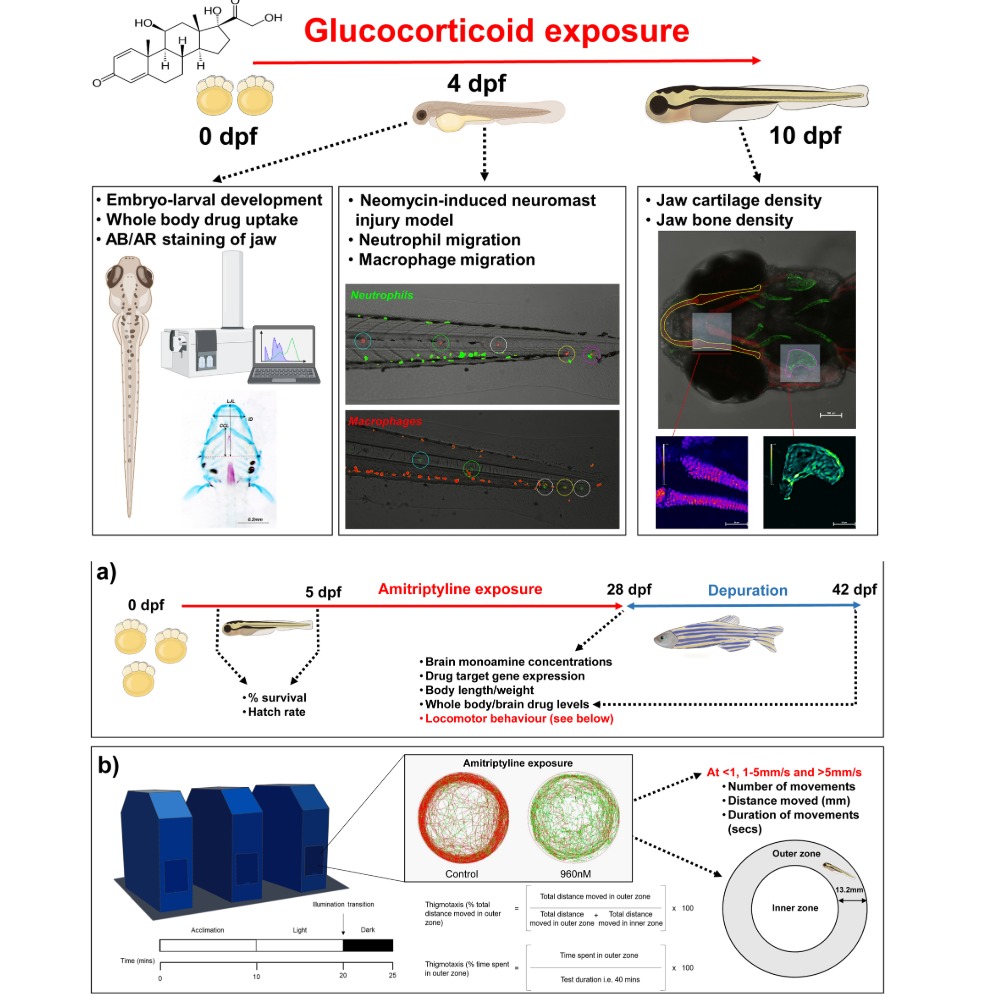
The University of Exeter and AstraZeneca have also collabrated extensively on research into environmental protection against the impacts of chemicals (including for pharmaceuticals) and notably in the development and application of transgenic zebrafish models, including oestrogen and oxidative stress pathways. This work has been facilitated through various projects that have received AstraZeneca funding directly, or indirectly through contributions to European Union projects or UKRI Ph.D. CASE studentships. Collectively, this research has significantly advanced our ability to assess chemical effects in exposed fish, enabling us to better undertand the potential for negative environmental impacts of such chemicals.
Selected papers from these collaborations with AstraZeneca:
- Lee O, Takesono A, Tada M, Tyler CR, Kudoh T. (2012) Biosensor zebrafish provide new insights into potential health effects of environmental estrogens. Environmental Health Perspectives, 120(7):990-6. doi: 10.1289/ehp.1104433.
- Green JM, Metz J, Lee O, Trznadel M, Takesono A, Brown AR, Owen SF, Kudoh T, Tyler CR. (2016) High-Content and Semi-Automated Quantification of Responses to Estrogenic Chemicals Using a Novel Translucent Transgenic Zebrafish. Environmental Science and Technology 50(12):6536-45. doi: 10.1021/acs.est.6b01243.
- Moreman J, Takesono A, Trznadel M, Winter MJ, Perry A, Wood ME, Rogers NJ, Kudoh T, Tyler CR (2018). Estrogenic Mechanisms and Cardiac Responses Following Early Life Exposure to Bisphenol A (BPA) and Its Metabolite 4-Methyl-2,4-bis( p-hydroxyphenyl)pent-1-ene (MBP) in Zebrafish. Environmental Science and Technology 52(11):6656-6665. doi: 10.1021/acs.est.8b0109
- Mourabit S, Fitzgerald JA, Ellis RP, Takesono A, Porteus CS, Trznadel M, Metz J, Winter MJ, Kudoh T, Tyler CR. (2019). New insights into organ-specific oxidative stress mechanisms using a novel biosensor zebrafish. Environment International 133 (Pt A):105138. doi: 10.1016/j.envint.2019.105138.
- Gould SL, Winter MJ, Trznadel M, Lange A, Hamilton CM, Boreham RJ, Hetheridge MJ, Young A, Norton WHJ, Tyler CR. (2024) Exposure Effects of Environmentally Relevant Concentrations of the Tricyclic Antidepressant Amitriptyline in Early Life Stage Zebrafish. Environmental Science and Technology 58(30):13194–204. doi: 10.1021/acs.est.3c08126.
- Hamilton CM, Winter MJ, Ball JS, Trznadel M, Margiotta-Casaluci L, Owen SF, Tyler CR. (2024) Exposure effects of synthetic glucocorticoid drugs on skeletal developmental and immune cell function in zebrafish. Science of the Total Environment 2024 Dec 10;955:176781. doi: 10.1016/j.scitotenv.2024.176781.
Collaborative contract research with AstraZeneca: zebrafish for early target validation
Collaborative contract research with AstraZeneca: zebrafish for early target validation
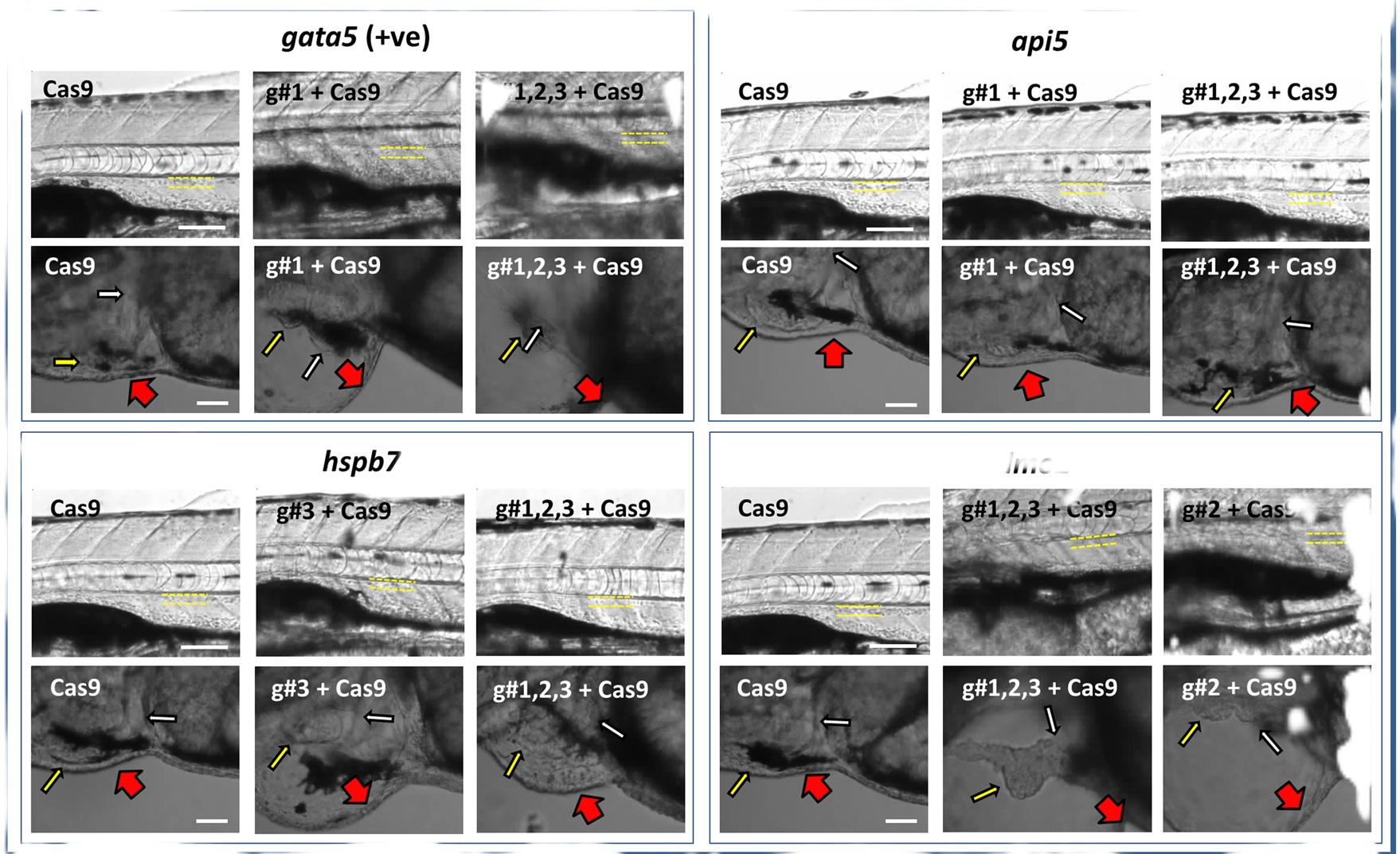
Over a period of almost a decade, The University of Exeter has also delivered collaborative contract research with AstraZeneca, focussed on using zebrafish as a higher throughput in vivo system to support early-stage drug target validation. This work centres on the generation of CRISPR-mediated mutations in zebrafish genes associated with high impact, high incidence human diseases, and subsequent phenotypic assessment of organ system functionality.
This collaboration led to the publication by Winter, Ono et al. in Frontiers in Pharmacology in 2022: “A Combined Human In Silico and CRISPR/Cas9-Mediated In Vivo Zebrafish-Based Approach to Provide Phenotypic Data for Supporting Early Target Validation.” The study combined human genetic and clinical data analysis with CRISPR/Cas9-mediated zebrafish “Crispant” models to assess candidate genes relevant to heart failure.
This work demonstrates how zebrafish can provide rapid, whole-organism phenotypic data to complement human in silico evidence. The study has supported further investigations into several genes, including API5, HSPB7 and LMO2, and highlighted the value of zebrafish as part of an integrated, multi-level target validation strategy.
This project illustrates how the LSI Zebrafish Hub can support early-stage decision-making by linking human genetic evidence to functional in vivo biology. This approach can help de-risk target selection, generate mechanistic insight and provide translational evidence before moving into more complex and costly model systems.
Funding through: MRC Confidence in Concept 2021 & AstraZeneca
Publications to date: Winter MJ, Ono Y, Ball JS, Walentinsson A, Michaelsson E, Tochwin A, Scholpp S, Tyler CR, Rees S, Hetheridge MJ and Bohlooly-Y M (2022) A Combined Human in Silico and CRISPR/Cas9-Mediated in Vivo Zebrafish-Based Approach to Provide Phenotypic Data for Supporting Early Target Validation. Front. Pharmacol. 13:827686. https://doi.org/10.3389/fphar.2022.827686
Research collaborations with the Pharmaceutical industry and Regulators more widely
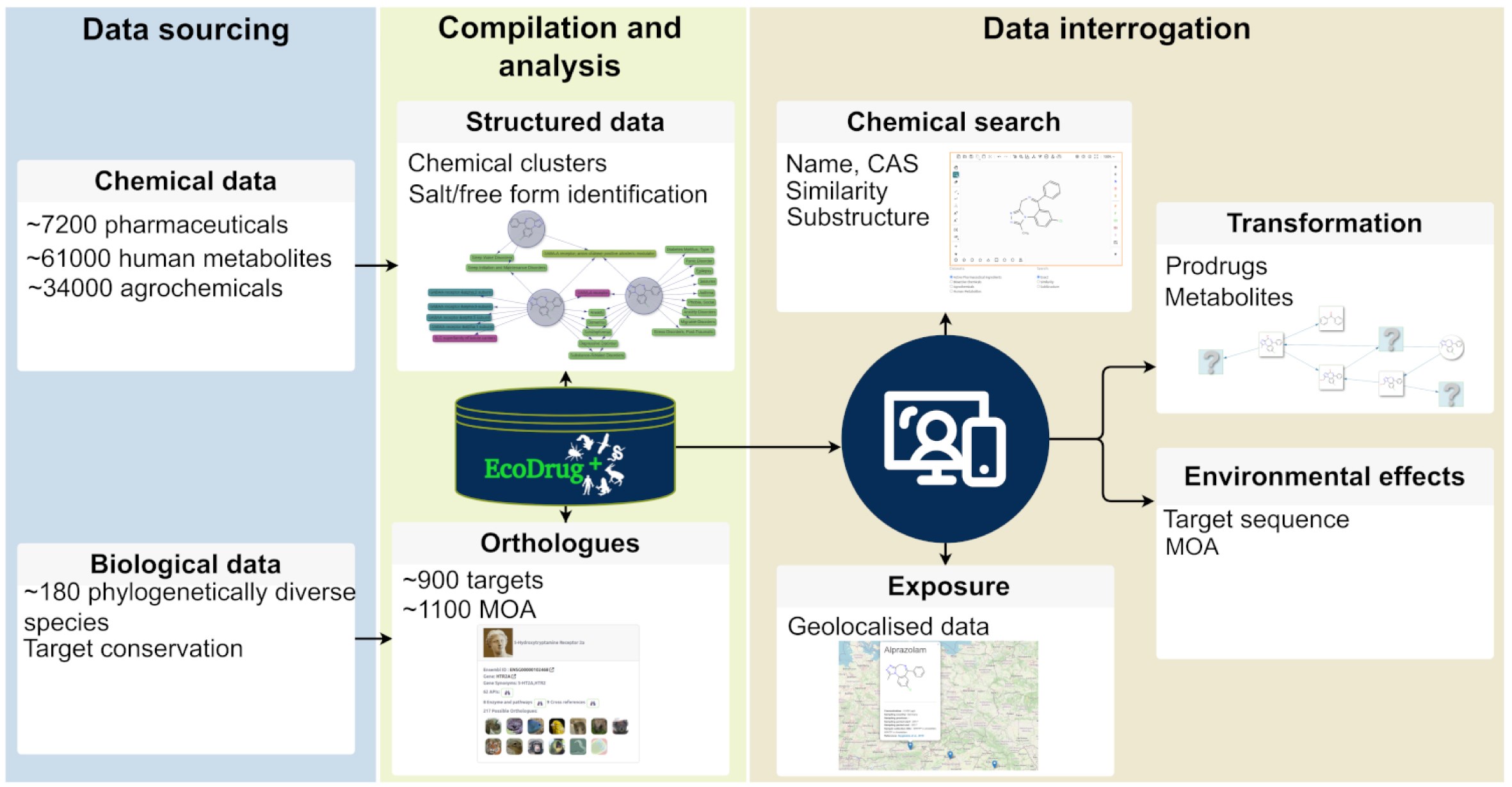
The University of Exeter has well established research collaborations with many of the world’s leading pharmaceutical companies for research into environmental protection. These companies include AstraZeneca, Lilly, Roche, MSD, GSK, Haleon, Johnson and Johnson, Novartis, Servier, and MSD, together also with the European Medical Agency. These projects have applied and further developed various fish models and systems for chemical screening and testing, most notably using the zebrafish. These collaborations have been supported principally through the EU/IMI funded grants and PhD studentships. In the latest collaboration with some of these companies in an EU/IMI funded project - Prioritisation and Risk Evaluation of Medicines in the Environment (Premier: https://imi-premier.eu/), we have developed frameworks for reducing fish testing for legacy pharmaceuticals, reducing this by one third, thus saving huge numbers of fish and resources (Coors et al., 2023); and developed an advanced database for drug target conservation analyses which can be used to support targeted human drug environmental risk assessment to better protect the environment form potential harm (ECODRUG plus, referenced below).
Research papers referencing the two outputs detailed above for the PREMIER project:
- Coors A, Brown AR, Maynard SK, Nimrod Perkins A, Owen S, Tyler CR. Minimizing Experimental Testing on Fish for Legacy Pharmaceuticals. Environ Sci Technol. 2023 Jan 31;57(4):1721-1730. doi: 10.1021/acs.est.2c07222. Epub 2023 Jan 18. PMID: 36653019; PMCID: PMC9893720. https://doi.org/10.1021/acs.est.2c07222
- Legehar A, Monaghan S, Briand M, Niemelä A, Ghemtio L, Tanoli Z, Brown AR, Tyler CR, Xhaard H. EcoDrug PLUS: an advanced database for drug target conservation analysis and environmental risk assessment. Nucleic Acids Res. 2026 Jan 6;54(D1):D1397-D1404. doi: 10.1093/nar/gkaf1251.