
Animal Care
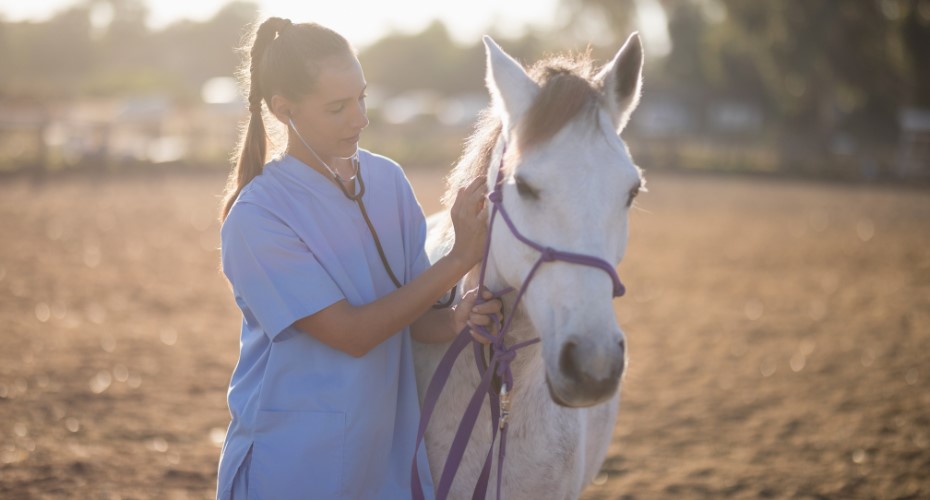
Animal care offers rewarding careers working with animals in a variety of settings. This sector includes work in animal shelters, veterinary practices, wildlife rescue, sanctuaries and voluntary organisations, so it is important to identify which area interests you most.
Practical experience, often through voluntary work or internships, is vital for developing skills and professional contacts. Placements offered by universities, animal welfare organisations, or wildlife centres can provide valuable exposure to different aspects of the sector. Training programmes, such as those offered by specialist animal welfare charities, can also help build experience and improve employability.
It is useful to take a broad view of the sector. Roles in companion animal care, wildlife rehabilitation, or sanctuary work may vary in funding and availability, so gaining experience across multiple areas can enhance job prospects.
Example job roles:
Explore roles in the sector by visiting the links to job profiles below, these are just a small selection of animal care-related roles, there are many more out there.
- Animal Care Worker – National Careers Service
- Animal Physiotherapist - Prospects
- Animal Technician – National Careers Service
- Countryside Ranger – National Careers Service
- Dog Groomer – National Careers Service
- Dog Handler – National Careers Service
- Pet Behaviour Consultant – National Careers Service
- Veterinary Nurse – National Careers Service
- Zookeeper – National Careers Service.
Every employer is different so there are no definitive lists here. These are meant as a guide and should be considered in addition to fully exploring role requirements outlined in the person specification, job description and advert for each role you consider applying for.
The required skills and knowledge will vary depending on the job role and sector, but here are some broad areas to consider when it comes to animal care.
- Adaptability: with a willingness to work irregular hours, weekends, or in changing environments.
- Animal training and enrichment: including skills in positive reinforcement, training for companion or working animals, and environmental enrichment.
- Basic software skills: such as Excel, Word, or other tools for reporting, scheduling, or data collection.
- Clinical skills: such as administering medication, first aid, monitoring vital signs, and assisting in veterinary procedures.
- Communication: explaining animal care needs to owners, colleagues or the public.
- Feeding and enrichment: providing diets and environmental enrichment appropriate to species and individual needs.
- Handling and restraint: safely managing animals of various sizes and temperaments.
- Hygiene and biosecurity: implementing cleaning protocols, disease prevention measures and safe handling practices.
- Licensing and compliance: an understanding of animal welfare legislation, licensing requirements and professional standards.
- Observation and behavioural monitoring: recognising changes in behaviour, health or wellbeing.
- Problem-solving: addressing behavioural issues, health concerns or emergencies.
- Public engagement and outreach: with experience in schools, community events, animal awareness campaigns or volunteer programmes.
- Record keeping and reporting: including maintaining accurate animal care logs, medical records and welfare assessments.
- Record management systems: including databases for tracking animal health, adoptions or breeding programmes.
- Remote monitoring: using cameras or sensors for behavioural observation or habitat monitoring in wildlife care.
- Shelter and rescue operations: with practical skills in kennels, catteries, rescue centres, wildlife sanctuaries or rehabilitation centres.
- Specialist knowledge: such as exotic species care, wildlife rehabilitation or farm animal husbandry.
- Species identification: with familiarity of different companion, farm, or exotic species and their behavioural cues.
- Teamwork and collaboration: working effectively with colleagues, volunteers and external professionals.
- Time management: prioritising care routines and managing multiple animals or tasks.
- Transport and relocation: safely moving animals between sites or for veterinary visits.
- Understanding of animal health and welfare: including understanding of anatomy, physiology, nutrition and general care.
To develop these skills, remember Career Zone also offers a range of Personal and Professional Development sessions which are available to book on Handshake and run at least once per term. Please also read through the sections about Gaining Experience and Further Study and Professional Development to discover how you can develop your skills through experience and by gaining further knowledge or qualifications.
All experiences ranging from volunteering, active involvement in clubs/societies can help you to develop relevant and transferable skills. You may wish to consider involvement in:
Volunteering
- Bat Conservation Trust – volunteer for bat monitoring, surveys, and education projects.
- Blue Cross – volunteer opportunities in animal care, charity shops, and events.
- Cats Protection – support with cat care, socialisation, fostering, and charity events.
- Dogs Trust – help with dog care, socialisation, and kennel maintenance in branches across the UK.
- Guide Dogs breed and train assistance dogs to support people with sight loss.
- In Exeter, the Exeter Students' Guild and in Penryn, the Students' Union have a wide variety of societies and voluntary opportunities for you to get involved with in your local community.
- Local Community Farms or City Farms – many accept volunteers to help with animal husbandry, feeding, and public education.
- RSPB Reserves – practical conservation work, bird surveys, habitat restoration, and visitor engagement.
- RSPCA Branches – volunteer roles in animal welfare, dog walking, cat care, fundraising, and community engagement.
- Wildlife Rescue Centres and Sanctuaries – such as The Donkey Sanctuary (Devon) and Flicka Donkey Sanctuary (Cornwall) for hands-on care, grooming, and enrichment.
- Zoos and Aquariums – research and contact your local zoos, aquariums and sanctuaries to see if they have volunteering opportunities.
University of Exeter Employability Schemes
- Career Zone Internship schemes: Internships can be extremely useful, so try and get relevant vacation work or placements
- Exeter Award: The Exeter Award will help you stand out from the crowd and give you the confidence to shout about the experiences you've had at university
- The Global Leaders Experience: a unique opportunity to develop your intercultural skills as part of a short, outbound mobility experience
- Green Consultants: an award-winning programme designed to provide students with additional skills and experience required to work in the highly competitive environmental and sustainability sector
- Ask an Alum: a fuss-free way to connect with University of Exeter alumni to ask careers questions
- Career Mentor Scheme: a popular employability scheme which matches a student or graduate with an experienced professional, for sector insight and one-to-one careers advice and guidance, over a 6-month period.
- Professional Pathways: a suite of sector specific training courses and paid week-long internships that take place in June.
Speculative applications and where to find opportunities
Undertaking relevant work experience will also allow you to develop new skills and gain a valuable insight into the sector. As jobs and opportunities are not always advertised, it can be useful to develop your networking skills and make a speculative application. Before visiting the sites below you may find it useful to read our Researching employers page
Finding part time work
Competition can be strong, especially for entry-level positions and graduate schemes. Use the following resources to find advertised vacancies and research employers.
Devon and Cornwall-based opportunities:
- Cornish Bird of Prey Centre – sanctuary caring for and rehabilitating injured birds of prey.
- Cornish Seal Sanctuary - based in Gweek, Cornwall. Rescue and rehabilitation centre for seals and marine animals in Gweek, Cornwall.
- Dartmoor Zoo – rescue zoo focused on animal welfare and conservation, offering hands-on volunteer roles in animal husbandry and education.
- Feadon Wildlife Centre – wildlife education and conservation centre offering close encounters with British wildlife.
- Flicka Donkey Sanctuary – sanctuary in Cornwall providing care and shelter for rescued donkeys.
- Little Valley Animal Shelter – independent RSPCA branch in Exeter offering rescue, rehabilitation, and rehoming services for domestic animals, with volunteer roles in animal care and administration.
- Maria's Animal Shelter – animal shelter in Cornwall rehoming and caring for unwanted domestic and farm animals.
- Mousehole Wild Bird Hospital – rescuing and rehabilitating sick and injured wild birds in Cornwall.
- National Marine Aquarium, Plymouth – UK’s largest public aquarium dedicated to marine conservation and education. Often taking on a range of volunteers.
- Newquay Zoo – zoo in Cornwall specialising in endangered species and conservation education.
- Paignton Zoo – zoo in Devon focused on conservation, education and animal care.
- Paradise Park Wildlife Sanctuary – Wildlife park in Cornwall focused on bird conservation and rare species breeding.
- Prickles and Paws Hedgehog Rescue – charity rescuing, rehabilitating and releasing injured or orphaned hedgehogs.
- RSPCA Cornwall Branch – animal welfare charity providing rescue, rehabilitation and rehoming services for animals in Cornwall.
- Screech Owl Sanctuary – sanctuary in Cornwall caring for injured or unwanted owls and birds of prey.
- The Donkey Sanctuary – charity in Sidmouth dedicated to the welfare of donkeys, providing care, education and volunteer opportunities.
- UK Wild Otter Trust – rehabilitation centre in North Devon.
- Wild Futures Monkey Sanctuary – sanctuary providing lifelong care for rescued monkeys and promoting primate welfare.
National Opportunities
- Animal Jobs Direct – covers veterinary, animal care, rescue and training roles.
- Blue Cross Jobs – careers and placements in veterinary support, animal care and charity operations.
- Cats Protection Jobs – paid positions and internships in rescue and shelter work.
- Dogs Trust Careers – animal care, kennel assistant and volunteer roles.
- Environmentjob – environmental jobs board.
- EnvironmentalJobs – environmental jobs board.
- Evergreen - recruitment agency for environmental jobs.
- RSPB Jobs – roles in conservation, reserve management and species monitoring.
- RSPCA Jobs – paid and volunteer roles in animal welfare, rescue and shelter management.
- The GreenJobs Network Of Websites - recruitment in the conservation, ecology, environmental, renewable energy, solar, waste, water and wind industry sectors.
- Zoos & Aquariums - the British and Irish Association of Zoos & Aquariums (BIAZA) advertises jobs in zoos, aquariums and conservation work.
Graduate schemes
Graduate schemes specifically for animal care in the UK are quite rare, because most animal care roles focus on practical experience rather than formal graduate schemes. Unlike corporate or engineering sectors, animal care tends to recruit based on hands-on experience, volunteering, and vocational qualifications. That said, there are pathways that can help you progress into this sector:
If you are interested in a broader range of graduate schemes, then these websites are worth investigating:
- Bright Network
- Civil Service Fast Stream (Science and Engineering)
- Environmentjob
- Gradcracker
- Jobs.ac.uk
- Milkround
- New Scientist Jobs
- Prospects
- STEM Graduates
- TargetJobs
For general information about finding graduate opportunities, please visit our Graduate Jobs page.
Internships and placements
If you are interested in finding out more about work placements, you can also access the Work Placements SharePoint via Single Sign-On. This resource covers all aspects of credit-bearing work experiences as part of your degree, including what a placement is, how to apply for them, and bespoke information for international students or those interested in working abroad.
General websites for internships and placements
Several of the organisations in the sections above may offer placement and internship opportunities, make sure to check their websites first to see if they have any advertised opportunities before reaching out to them directly.
Organisations that have previously offered on taken students on placements include:
- Blue Reef Aquarium – aquarium based in Newquay, Cornwall.
- Chester Zoo – leading UK zoo focused on conservation breeding programmes and wildlife education.
- Cats Protection – support with cat care, socialisation, fostering, and charity events.
- Colchester Zoo – large zoological park with strong involvement in conservation projects and breeding programmes.
- Cornish Seal Sanctuary – rescue and rehabilitation centre for injured and orphaned seals in Cornwall.
- Dartmoor Zoo – zoo in Devon involved in education, conservation and animal care initiatives.
- Devon Bird of Prey Centre – wildlife centre caring for and displaying a range of birds of prey, offering education, conservation awareness and visitor experiences.
- Flicka Donkey Sanctuary – sanctuary in Cornwall providing care and shelter for rescued donkeys.
- Longleat – Safari Park and conservation centre working on endangered species breeding and education.
- National Marine Aquarium – UK’s largest public aquarium in Plymouth, dedicated to marine conservation, research and education.
- Newquay Zoo – Wildlife Park in Cornwall focused on conservation breeding programmes and education.
- Paradise Park Wildlife Sanctuary – Wildlife Park in Cornwall focusing on bird conservation and rare species breeding.
- Shaldon Wildlife Trust – small zoo in Devon specialising in endangered species conservation.
- Wild Futures Monkey Sanctuary – sanctuary providing lifelong care for rescued monkeys and promoting primate welfare.
- Wild Planet Trust, Paignton Zoo – conservation charity managing Paignton Zoo and supporting global wildlife conservation.
Further sources of support
If you are an international student, visit our international webpages for help finding opportunities both in the UK and globally.
To find opportunities outside the UK use GoinGlobal.
Visit this page for help with making speculative applications and you may find it useful to read our Researching employers page.
Some individuals decide to undertake further study to develop their skills and knowledge of the sector and related occupations. Not all roles or employers will require this, so it is important to research entry requirements and employer preferences before committing to additional training or qualifications. Use the sites below to research your further study options.
- If you would like to pursue postgraduate study before entering your chosen sector, please visit our Postgraduate Study information page for more information about choosing further study.
- You can search through our other postgraduate courses on our Postgraduate study pages.
- You can use the following links to search for courses:
- findamasters.com
- prospects.ac.uk
- findaphd.com.
Specialist Training / Short Courses
Sometimes, in this sector, employers will require you to undertake vocational training. For example:
- Wildlife Rehabilitation Courses – Offered by centres like Wild Futures for hands-on wildlife care.
- Canine/Equine Therapy & Training Courses – For those wanting to work in training, behaviour, or therapy roles.
Information and links from professional bodies
If you have studied a related degree, check if your course is accredited by one of the professional bodies. Being a member of a professional body is voluntary; however, it can be valuable for developing networks, continuing your professional development, and generally keeping up to date with what's happening in the sector.
- Association of Zoos and Aquariums – UK-based body supporting zoo and aquarium standards, training and professional development.
- BIAZA (British and Irish Association of Zoos and Aquariums) – professional association for zoos and aquariums in the UK and Ireland, promoting animal welfare, conservation and education.
- British Veterinary Association (BVA) – the leading professional body representing veterinarians in the UK, providing guidance, training, and advocacy for the veterinary profession.
- Royal College of Veterinary Surgeons (RCVS) – the regulatory and professional body for veterinary surgeons and veterinary nurses in the UK, ensuring standards of education, practice and ethics.
- British Veterinary Nursing Association (BVNA) – the professional membership organisation supporting veterinary nurses through training, professional development and advocacy.
- Animal Behaviour and Training Council (ABTC) – a UK-wide professional body that sets standards for animal trainers and behaviourists, accrediting education and practitioners.
- British Small Animal Veterinary Association (BSAVA) – supports veterinary professionals working with companion animals through education, clinical resources and professional networking.
- Pet Industry Federation (PIF) – A UK-based professional body representing businesses and professionals in the companion animal sector, promoting welfare and industry standards.