Postgraduate research pathways at the Business School
Choosing the right postgraduate research path depends on your goals, experience and learning preferences.
Explore the questions below to understand the key differences between each research programme.
Quick links
Academic support
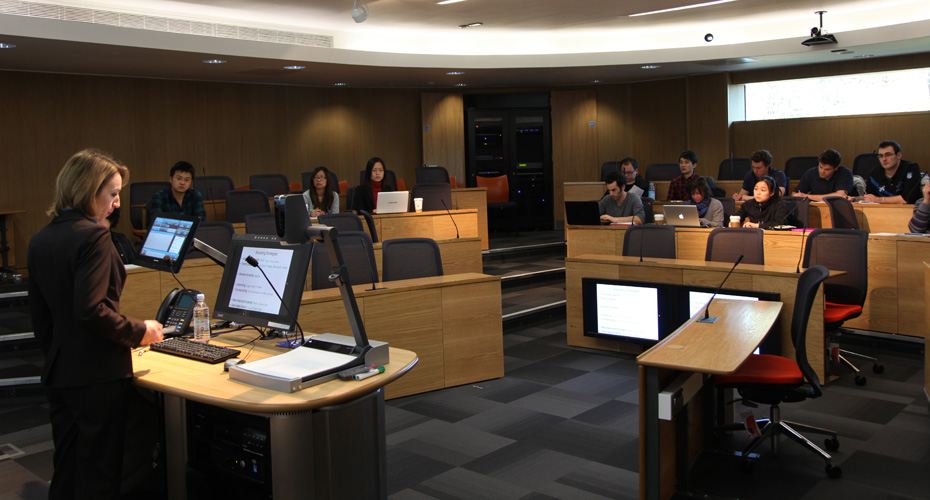
Skills and research training is available to students across all programmes. Students access research talks as members of our vibrant research community.
What are the requirements to start?
MRes
(Master of Research)
A good undergraduate degree (in the UK, at least an Upper Second-class Honours) in a relevant subject.
Note
The MRes is a taught Masters degree and a pathway into the MPhil/PhD. The Business School does not offer an MbyRes.
PhD
(Doctor of Philosophy)
- A good undergraduate degree (in the UK, at least an Upper Second-class Honours) in a relevant subject.
- A taught Masters degree in a relevant subject.
- A 2,000 word research proposal.
- You may need an agreement from a University of Exeter faculty member to supervise your project. You do not need a pre-arranged supervisor agreement if you are applying via the scholarship route.
- An interview.
DBA
(Doctor of Business Administration)
- A Masters degree.
- A minimum of five years' professional or management experience.
- Four statements of research interest.
See our DBA webpage for more information.
What does the curriculum focus on?

MRes
Research methods – research methodology and skills as a pathway into a PhD.
Note
The MRes is a taught Masters rather than a postgraduate research degree.
PhD
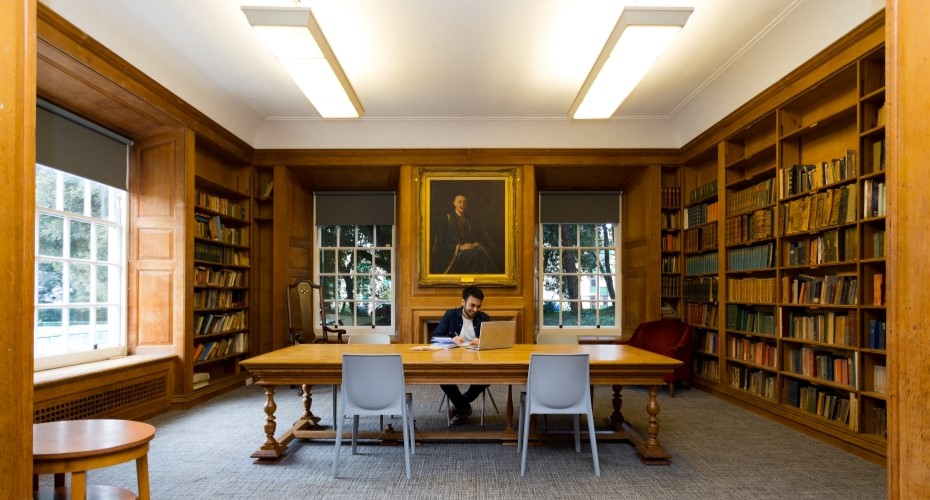
Theory – academic research and developing theoretical knowledge. Some PhDs integrate both theoretical and applied/impact perspectives.

DBA
Pragmatic application – applied academic research to tackle industry-based challenges and improve practices.
How much time is needed?
MRes
1-2 years full time: one year for a management focus, two years for a finance or economics focus.
PhD
3-4 years full time. There may be some flexibility for a longer part-time degree.
DBA
5 years part-time. There will be intensive one-week teaching blocks twice a year during years 1 and 2, which you will need to attend in person.
Where does the teaching and research take place?
PhD
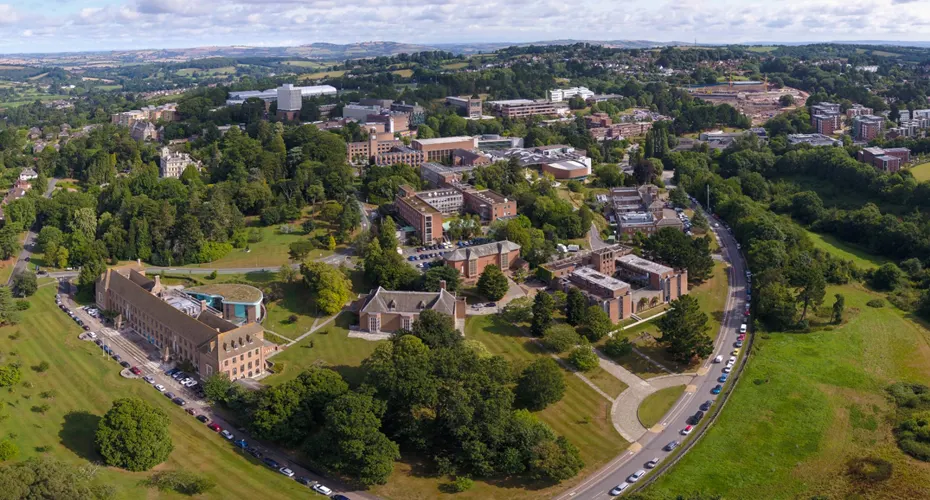
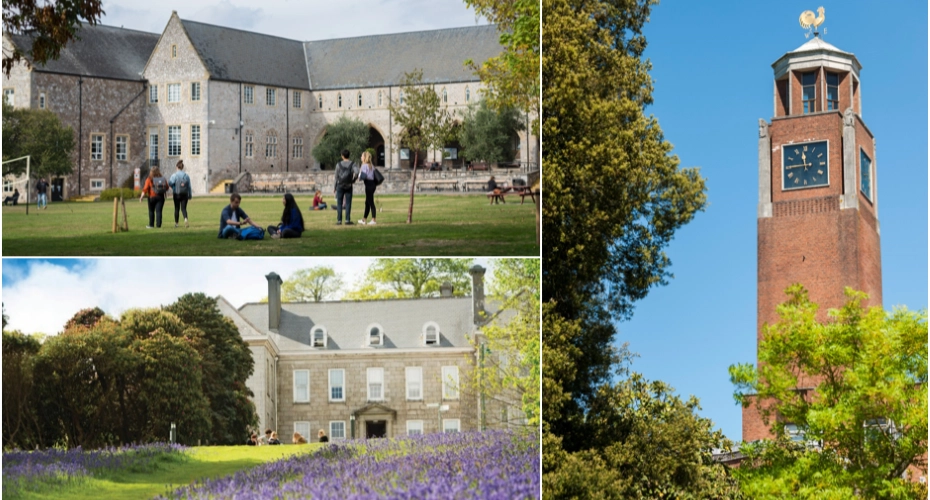
Students are normally based at either our Streatham Campus in Exeter, or our Penryn Campus in Cornwall.

DBA
Mainly online. There will be intensive one-week teaching blocks twice a year during years 1 and 2, which you will need to attend in person.
How do the programmes differ in career outcomes?

MRes
A potential pathway into a PhD. An MRes may also be suitable for those seeking research assistant or industry roles.
PhD
Academic roles. A PhD is generally for those targeting careers in academia or research institutions. Students may also consider industry or teaching-track roles.

DBA
Industry leadership roles. A DBA is designed for experienced professionals seeking senior leadership, consulting or industry innovation roles. It may also be suitable for teaching-track academic roles.
How will my learning be assessed?
MRes
Taught modules, followed by a dissertation. The MRes dissertation is 20,000 words.
PhD
Research thesis. A PhD thesis is up to 100,000 words, which you will then defend though an oral viva.
DBA
Taught modules, followed by a thesis. A DBA thesis is up to 60,000 words, which you will then defend through an oral viva.
What funding options could I consider?
MRes and PhD
Scholarships, bursaries and self-funding. Most MRes and PhD studies are self-funded or externally sponsored. However, there are some competitive funding opportunities available. Scholarships are limited, and applicants should explore a range of funding sources, including research councils, doctoral colleges and external sponsors. More information can be found on the Business research degree webpage.
DBA
DBA studies are usually self-funded, or sponsored by the student's employer.