Undergraduate Degrees

BSc Oceanography

Please note: This page is for 2027 entry. Click here for 2026 entry.

UCAS code CF24
Duration 3 years
Entry year 2027
Campus Penryn Campus
Typical offer

View full entry requirements

A-Level: ABB-BBB
IB: 32/665-30/555
BTEC: DDM

Contextual offers

A-Level: BBC-BCC
IB: 28/554-26/544
BTEC: DMM

Why study BSc Oceanography at Exeter?

  • Study marine science in Cornwall’s distinctive and diverse marine environment
  • Graduate with training in physical, biological, geological and environmental marine science through practical, hands-on modules 
  • Develop a strong core knowledge of oceanography which encompasses mathematical, coding, data analysis, writing, research, and field skills including conducting research at sea
  • Gain access to leading research groups including Exeter Marine as you develop pure and applied oceanography research projects
  • Boost your employability with placement opportunities within the offshore sector and marine and environmental agencies

View 2026 Entry

Request a prospectus

Open Days

How to apply

Contact

Web: Enquire online

Phone: +44 (0)1392 72 72 72

Rosette icon

Top 40 in the world for Geography

QS World University Subject Rankings 2026

Top 15 icon

Top 15 in the UK for Geography and Environmental Science

Trophy icon

Top 30 in the world for Earth and Marine Sciences

28th in the QS World University Subject Rankings 2026

Waves icon

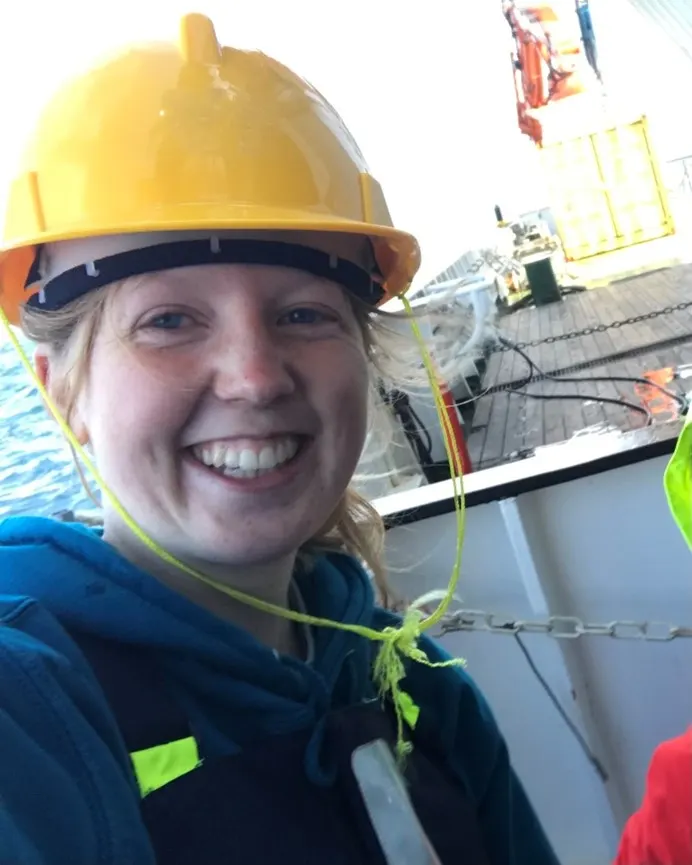
Experience of fieldwork at sea on a research vessel is an integral part of the programme

"The Oban field trip was fantastic, being able to collect the data on the boats then extract, process and analyse samples in the lab added so much context to the fieldwork. It was really great to see the research process from start to finish."

Abi

Recent graduate

Entry requirements (typical offer)

Qualification Typical offer Required subjects
A-Level ABB-BBB B in a science subject*
IB 32/665-30/555 HL5 in a science subject
BTEC DDM Applicants studying one of the following subject areas in either the BTEC Extended Diploma, Diploma or Extended Certificate will be considered without GCE A-Level Science: Applied Science, Applied Human Biology, Applied Psychology
GCSE C or 4 and B or 5 Grade C or 4 in English Language. Plus grade B or 5 in Mathematics.

Applicants who have achieved GCSE Maths one grade below the specified requirement will be considered. These applicants may be invited to complete the Maths Transition Course and receive a conditional offer on the basis of successful course completion.
Access to HE 24 L3 Credits at Distinction Grade and 21 L3 credits at Merit Grade. To include 12 L3 Credits at Merit or higher in a Science subject area
T-Level Distinction - Merit

Distinction (with Study Abroad/Professional Placement)
T-level in Design and Development for Engineering & Manufacturing OR Agriculture, Land Management & Production only.
Contextual Offer

A-Level: BBC-BCC
IB: 28/554-26/544
BTEC: DMM

Specific subject requirements must still be achieved where stated above. Find out more about contextual offers.

Other accepted qualifications

View other accepted qualifications

English language requirements

International students need to show they have the required level of English language to study this course. The required test scores for this course fall under Profile B1. Please visit our English language requirements page to view the required test scores and equivalencies from your country.

NB General Studies is not included in any offer.

Grades advertised on each programme webpage are the typical level at which our offers are made and provide information on any specific subjects an applicant will need to have studied in order to be considered for a place on the programme. However, if we receive a large number of applications for the programme we may not be able to make an offer to all those who are predicted to achieve/have achieved grades which are in line with our typical offer. For more information on how applications are assessed and when decisions are released, please see: After you apply

*Accepted science subjects: Biology/Human Biology; Chemistry; Computing; Design and Technology; Economics; Electronics; Environmental Science; Environmental Studies; Geography; Geology; Life and Health Sciences (Double Award only), Marine Science; Maths/Pure Maths/Further Maths; Physical Education; Physics; Psychology; Science (applied); Sport Science; Statistics. 

Course content

Oceanography is the scientific study of the ocean and its processes. It brings together multiple disciplines to understand how the ocean works, including its physical properties, chemical composition, geological features, and biological life.

By studying these interconnected systems, oceanography helps us understand the role the ocean plays in regulating Earth’s climate, supporting biodiversity, and sustaining human societies.

The BSc Oceanography programme at Exeter covers a broad range of disciplines from physical oceanography, marine biology, marine biogeochemistry, geology, climate science and marine renewable energy, to marine resource governance, oceans and human health, and law.

In this way, you will gain a truly interdisciplinary flavour with modules on offer from several other departments. And what better place to study Oceanography than in Cornwall, with its beautiful coastal and varied marine environment.

You may notice changes to some of our modules over the coming months. This is because we are making space for the following:

  • Minors: Future Skills Pathways - Alongside your main degree you may be eligible (depending on your course) to choose modules from another subject to broaden your skills and interests.
  • Skills to Thrive built into every degree - Essential skills for your future, including communication, problem-solving, teamwork and digital confidence.
  • Increased innovation and wellbeing - More room for creative learning, real-world projects and a healthier study rhythm.

The modules below provide examples of what you can expect to learn on this degree course based on recent academic teaching. The precise modules available to you in future years may vary depending on staff availability and research interests, new topics of study, timetabling and student demand.

Please note that the module information displayed here is subject to change.

105 credits of compulsory modules, 15 credits of optional modules

Compulsory modules

CodeModuleCredits
Compulsory 1
Marine Biology30
Earth System Science15
Introduction to Data Science15
Atmospheric and Oceanic Systems, Their Interactions and Importance15
Marine and Environmental Science Field Course15
Field Course: Environment and Sustainability on the Isles of Scilly15

BIO1433: Marine Biology

Life originated in the sea and therefore the study of marine biology can be viewed as the original bioscience. This module will provide a comprehensive understanding of the diversity of life in the sea, details of the key marine habitats, as well as describe the adaptations and constraints of living in the world's largest ecosystem. You will also be introduced to the myriad techniques for studying marine biology in the field, laboratory and remotely. By the end of the module, you will have developed a deep understanding of the study of life in the seas, which will form the fundamental building blocks for a degree in this subject. Moreover, you will be able to answer the question: what is marine biology?

You will be introduced to a wide range range of principles of marine biology by expert researchers in those fields. This will include training in basic oceanography and water chemistry, while also considering the role that other abiotic conditions have on life in the sea. The module will provide insight into the diversity of marine life and consider the key factors influencing their distribution. Using a range of examples you will be introduced to key marine habitats including intertidal systems, neritic waters, pelagic waters and the deep-sea. Also, a key constraint in the study of marine biology is logistics; studying life in the sea is far from straightforward.

View an example full module specification

CGE1405B: Earth System Science

The Earth consists of a series of interacting natural systems (lithosphere, hydrosphere, cryosphere, biosphere, atmosphere). The interactions between these systems, called feedbacks, are central to analysing the functioning of major aspects of the Earth, such as climate, sea level and biotic evolution. This way of looking at our world is also critical in analysing the human impact on the Earth system and identifying management strategies to mitigate, remediate or predict geological and environmental hazards and impacts, and in identifying resources. This module is therefore about connectedness and the development of an approach to understanding the Earth that emphasises the connections between the components rather than the components themselves. This module requires no prior skills or experience and is particularly suitable for interdisciplinary pathways.

This module aims to:

  • Explore our understanding of Earth origins, the evolution of the solar system, of the ocean, the biosphere and the atmosphere.
  • Introduce natural systems theory.
  • Identify the Earth’s component natural systems and the Earth’s climate system, its forcings and feedbacks.
  • Describe plate tectonics and the role of the internal system in determining or controlling rock formation, the sedimentary cycle, the carbon cycle, Earth surface landforms (geomorphology), oceanic gateways and barriers, biotic evolution.
  • Analyse orbital and gravitational controls on the Earth: tides, days, seasons, years.
  • Explore the influence of tides on the timing and rate of Earth-moon separation.
  • Describe solar variability and its impact on Earth climate.
  • Describe the Earth’s radiation balance, atmospheric and oceanic circulation and their role in redistributing heat around the Earth.
  • Analyse interactions between the hydrosphere and the cryosphere.
  • Identify and describe major biogeochemical cycles, in particular the carbon cycle.
  • Explore the causes of major climatic changes through geological time.
  • Discuss the evolution of hominids and the interactions of humanity with the Earth system.t

The module will involve a fieldwork component involving an investigation of evidence for sea-level change on the Cornish coastline.

This module will help you to develop and extend your awareness of the importance of taught and learnt skills in strengthening employability potential, especially through the application of critical analytical skills (review of scientific literature, simple calculations) to a range of contemporary global challenges, notably climate change and geoengineering. More generally, through attending the fieldwork and weekly lectures, alongside your own independent learning, you will develop the following academic and professional skills:

  • fundamental problem solving (linking theory to practice with academic guidance), collaboration (learning about the views and values of others), and audience awareness (presenting ideas effectively, persuading others of the importance and relevance of your views, responding positively and effectively to questions).

The teaching contributions on this module involve elements of research undertaken by staff, such as work on sea-level change (Scourse). Moreover, you are encouraged to undertake enquiry-led learning, specifically through the field component.

View an example full module specification

CGE1419: Introduction to Data Science

This module provides practical insights into how scientists use data to answer research questions in environmental, marine, and geographical sciences. The module is designed to build skills progressively: starting with foundational maths, moving on to programming in R, and culminating in the analysis of real environmental datasets using a range of statistical techniques.

Through a combination of lectures, practical workshops, and online resources, you will learn to:

  • Handle, clean, and manipulate datasets
  • Explore and visualise data effectively
  • Apply descriptive and inferential statistics
  • Conduct linear and non-linear analyses
  • Integrate these skills to investigate applied environmental science questions

Weekly lectures introduce the theory behind the techniques covered in the practical classes. Practical sessions are supported by academic and teaching staff and focus on applying methods to real-world environmental data, including datasets from field studies, time series, and ecological measurements.

Assessment is through four online quizzes and associated practical exercises that give you hands-on experience of the full data analysis workflow, from messy data to interpreted results.

View an example full module specification

CGE1420: Atmospheric and Oceanic Systems, Their Interactions and Importance

How are atmospheric and oceanic circulation patterns formed, how are these systems interlinked and how do they interact, what drives the weather systems, why is carbon important, and how do we know what our climate and weather was like in the past and what it may look like in the future? This module takes the first steps in answering all of these questions by giving you a solid understanding of the Earth's two major dynamic systems; the oceans and atmosphere. Weekly lectures are supported by seminar sessions where we discuss relevant case studies and group tasks to support the weekly lecture content. Two practical classes involve using interactive iPython/Jupyter notebooks to study the water carbonate system and atmosphere-ocean gas exchange in the North Atlantic and the Fal river. The module teaching includes the use of videos by invited speakers, Technology, Education and Design (TED) talks, journal papers, music, additional online resources, and examples of recent research advances made by staff at the all Exeter campuses.

View an example full module specification

CGE1421: Marine and Environmental Science Field Course

This module provides early career training in fieldwork techniques that are fundamental to your degree in marine and environmental science. Cornwall is a natural laboratory with an incredible diversity of ecological and physical landscapes that you will have an opportunity to explore with academic staff. Specifically, you will receive instruction on marine science and environmental science techniques including, but not limited to, participant observation, recording field data, field sketching, sampling strategies and basic data handling, which is essential for your future career as a marine or environmental scientist.

The location of the fieldtrip will be in Cornwall, which has many areas designated as Areas of Outstanding Natural Beauty (AONB) with a high density of conservation, Sites of Special Scientific Interest (SSSI) and Marine Conservation Zones (MCZs). Cornwall contains some of Britain's finest coastal scenery, including Land's End, the Lizard peninsula and twenty-two MCZs, and provides a perfect setting for marine and environmental exploration.

View an example full module specification

CGE1450: Field Course: Environment and Sustainability on the Isles of Scilly

This module explores questions of environmental change and sustainability by looking at the practicalities of research design and methodology in relation to the Isles of Scilly, UK. The module supports you to develop the conceptual, analytical and practical research skills necessary for you to carry out independent research work. The Isles of Scilly is an ideal location in which you will get to think about a range of methodologies used in environmental science and in physical and human geography. This module has two aims: (1) to highlight processes of climate and environmental change and the ways in which communities (human and natural) respond; (2) to prepare you to complete research projects within your degree programme, introducing you to a range of skills relevant to your chosen discipline by means of enquiry in a particular field environment. Independent research constitutes a central element in your degree programme and is a critical skill in employability. The module will allow you to choose from projects focused on introducing and practicing a range of key research skills, including stratigraphy, social science surveying, landscape observation, policy analysis, marine science sampling, and mapping and monitoring environmental change. The module aims will be achieved via staff-delivered content, supported activities and group and individual projects. The module builds on the introductory fieldwork experiences of Stage 1 and prepares you for your field work and independent dissertation research in Stage 3. This module is compulsory for students on the BA/BSc Geography, BSc Environmental Sciences, BSc Geography and Geology, and BSc Marine Science programmes.

View an example full module specification
Optional modules

CodeModuleCredits
Optional 1
Global Issues in Environmental Science15
Biodiversity and its Conservation15
Earth and Environmental Chemistry15
Quantitative Methods for Geoscientists15
A Legal Foundation for Environmental Protection15

CGE1408B: Global Issues in Environmental Science

This module is designed to give you a clear, two-part journey through critical environmental issues we face today. We spend the first half of the term focused strictly on the science of "Planetary Boundaries"—specifically looking at the current state of our air, oceans, land use, and biodiversity. We zoom in on these areas because they have already crossed into risky, unhealthy territory.

In the second half, we widen the lens to include the human side of the equation further. We explore how those ecological lines we crossed earlier connect to real-world social issues like global health, mining, and natural hazards. The big takeaway is that these aren't separate problems; crashing through an environmental boundary often hurts human health, while trying to fix social problems can put more stress on the planet. Rather than just looking at "trade-offs," we aim to teach you how to navigate toward a "safe and just space" where humanity can thrive without breaking the Earth's life-support systems.

View an example full module specification

CGE1423: Biodiversity and its Conservation

Most people will be aware that the world is considered to be experiencing a biodiversity crisis. You’ll hear or read about it in the media all the time. But what do we actually mean by biodiversity? Where does it come from and how is it maintained in nature? Why is it important to humanity? How do human activities lead to its decline? What can be done to slow or even halt the decline? In this module, we will address all these questions to give students a solid foundation in the science of biodiversity and an understanding of the interdisciplinary nature of biodiversity conservation.

This module will introduce you to the theory and concepts of biodiversity and conservation science. It aims to provide you with a basis on which to build expertise in this area and grow your understanding of how conservation requires input from many disciplines beyond biology.

In addition, you will gain practical experience in some aspects of this field, such as conducting biodiversity surveys, carrying out an IUCN Red List assessment, and planning conservation action.

View an example full module specification

CSM1031: Earth and Environmental Chemistry

A sound appreciation of chemistry is relevant for understanding the environment we live in and the challenges we face. This module starts with an exploration of atomic structure, highlighting how atoms are classified in the Periodic Table of Elements and linking this to fundamental concepts in chemistry, including thermodynamics, kinetics, pH and redox. The distribution of chemicals in natural systems is addressed, emphasising the role and types of chemical reactions in different environments and methods for their detection and analytical characterisation. Aims of the module:

- To gain an understanding of atomic structure;

- To gain an understanding of atoms in materials;

- To gain an understanding of chemical reactions;

- To gain an understanding of chemical analysis;

- To gain an understanding of fundamental principles of thermodynamics;

- To gain an understanding of chemical transformations in aqueous environments;

- To gain an understanding of chemical laboratory and analytical practice;

- To gain an understanding of the major mechanisms which govern the mobility, fate and remediation of environmental chemical pollutants

View an example full module specification

CSM1041: Quantitative Methods for Geoscientists

Mathematics and data are at the heart of all science and engineering subjects: we create mathematical models to understand and predict the behaviour of physical systems and we use mathematics to understand data and make precise, quantitative statements about the world. Provided at least a good grade at GCSE level mathematics, this module takes students of all levels of experience or confidence and brings them up to a level required to use mathematics as a tool in their other chosen pathways and modules.

This module aims to:

  1. provide a solid foundation in key areas of mathematics;
  2. develop your quantitative reasoning skills in the context of the geosciences;
  3. develop your appreciation for the role of mathematical modelling and the complexity of mathematical issues in the geosciences.

View an example full module specification

LAW1016C: A Legal Foundation for Environmental Protection

In this module you will be introduced to law in the context of the environment and how important the legal process is in its protection. The module seeks to provide you with an overview of all the different ways in which law can be used to protect the environment and give you the tools to choose which types of law are most suitable in different environmental contexts.

You will develop empathy for the different stakeholders in environmental issues. We will consider pathways to reconcile competing interests in an attempt to strike a balance between developmental or industrial progress and the need to protect our environment.

You are not expected to have any legal knowledge or experience and the module is therefore ideal for students on an interdisciplinary pathway, as well as being a compulsory element of the Environmental Science degree.

The module is designed as an essential foundation for those seeking employment following graduation in an environmental field where a working knowledge of law and policy will be assumed. It also provides an excellent foundation for further legal study.

View an example full module specification

Please note that the module information displayed here is subject to change.


75 credits of compulsory modules, 45 credits of optional modules

Compulsory modules

CodeModuleCredits
Compulsory 1
Remote Sensing for Environmental Management15
Physical Ocean Processes15
Research Design and Methods30
Research Cruise15

CGE2441: Remote Sensing for Environmental Management

Spatial data acquired by satellites, and other flying platforms are increasingly used in decision-making processes about the natural environment. These ‘remotely sensed’ data are fundamentally measurements describing the way that electromagnetic radiation interacts with materials and substances on the Earth’s surface and scientists can use these to create dynamic maps and build models describing Earth system processes through space and time. In this module you will learn about the different ways that we can use remote sensing to monitor the Earth, starting from the ground and working upwards into space where Earth observation satellites are in orbit. In this module we cover the theory and applications of remote sensing drawing on examples from terrestrial and marine applications.

View an example full module specification

CGE2457: Physical Ocean Processes

This module will provide core knowledge of the physical processes than govern our oceans. The module will describe and explain both the distribution of different water masses present in the oceans and the movement of water by phenomena such as tides, waves, ocean currents and turbulent mixing. The important role that these phenomena play in both the global climate system and ocean biogeochemistry will be highlighted. Instrumental platforms from which we make physical measurements in the ocean will also be introduced covering both traditional shipboard measurements and remote sensing techniques to state-of-the-art autonomous vehicles and acoustic mapping.

The module introduces physical concepts from a largely descriptive approach, with practical tank experiments/demonstrations to aid understanding and promote inquiry -led learning. The module also includes some computer-lab practical sessions in Matlab to learn how to access and analyse real oceanographic data, and a field trip to collect oceanographic data in the Fal. Regular problem sheets will be provided for students to work through to underpin and embed the concepts covered in the course.

View an example full module specification

CGE2469: Research Design and Methods

How do you design and conduct high-quality rigorous research? This module will introduce you to the key conceptual, analytical, research, and communication skills necessary for undertaking a robust, independent research project within and beyond the University. Through this module you will gain a grounding in the knowledge and skills required to understand and apply a range of methods and techniques of data collection and analysis and an in-depth understanding of how to design, and do, high-quality research.

Beyond your degree, this module also equips you with key employability attributes for professional careers through skill development embedded within the module. These include:

View an example full module specification

CGE2470: Research Cruise

This module entails a residential field course in oceanographic sampling. During the course, you will develop the practical and analytical skills required to carry out oceanographic sampling at sea. You will learn about historic and modern instrumentation used to measure the physical, chemical and biological properties of the ocean on a research cruise, how these instruments are prepared before going to sea, and how they are operated and maintained. You will learn how to process oceanographic data collected using the instrumentation and interpret this data in the context of local oceanographic processes. This module is compulsory for students undertaking the BSc in Marine Science. During the module you will have access to marine science lecturers to discuss ideas and learn new skills that maybe useful for your dissertation.

View an example full module specification

Optional modules

CodeModuleCredits
Optional 1
Marine Ecology30
Wildlife Exploitation15
Geographical Information Science and Systems15
Green Consultants15
Biogeography15
Ice Sheets: Glaciology, Climate and the Oceans15
Hazards and Human Society15
Climate Change: The Physical Basis of the IPCC15
Resilience, Justice and Environmental Change15
Sedimentology and Stratigraphy30
Oceans and Human Health15
Python Programming15
Critical Elements of Environmental Humanities: Cultures of Earth and Water15
Environmental Regulation and Redress15

Please note that the module information displayed here is subject to change.

Find out more about placement and study abroad options under Course variants.

with Professional Placement

120 credits of compulsory modules

Compulsory modules

CodeModuleCredits
Compulsory 1
Professional Placement120

CGE3324: Professional Placement

Increasingly, graduate positions request that applicants have work experience applicable to the role. This year-long module will enable you to immerse yourself in a professional environment; you will learn to apply the skills learnt during the first and second years, improve personal and transferable skills, make new contacts and enhance employability. Feedback and support will be provided by the module convenor and the placement host.

This module will enable you to develop subject-specific and general professional skills. You will research suitable organisations, consider the opportunities that positions offer you and practice writing covering letters and CVs. This module offers an excellent opportunity for you to immerse yourself in an environment where you can develop subject-specific and general professional skills, gain a greater understanding of the use of your degree and ultimately improve your CV. You will gain feedback throughout the placement from the placement host and the module convenor and you will be encouraged to reflect on your experiences during the placement to help you to make career decisions for the future. The module allows you to apply your learning during your degree to a real-world setting.

View an example full module specification

with Study Abroad

120 credits of compulsory modules

Compulsory modules

CodeModuleCredits
Compulsory 1
One Year Study Abroad120

CGE3508: One Year Study Abroad

The Geography, Environmental Science, and Marine Science degrees in Cornwall offer you the possibility to apply for a place to study abroad at a partner university. You must attain average grades of 60% or above in your first year of study, and maintain an average of 55% in your second year, to continue on or enter the “with Study Abroad” programmes. The full application process is described on the Global Opportunities website at https://www.exeter.ac.uk/study/studyabroad/outbound/.

If you meet the requirements and accept your university placement, you will spend one academic year abroad, usually the third year of a four-year programme. At the end of your Study Abroad year, your marks are translated into the Exeter grade system and contribute to your degree.

View an example full module specification

Please note that the module information displayed here is subject to change.

45 credits of compulsory modules, 75 credits of optional modules

Compulsory modules

CodeModuleCredits
Compulsory 1
Dissertation in Marine Science45

CGE3477: Dissertation in Marine Science

Doing a genuinely original piece of research is a crucial part of your academic training. In this module you will get hands on experience of participating in world-class marine research, guided by professional researchers. You will learn how to design, plan and implement a self-contained research project and will have the opportunity to draw on the knowledge and skills you have acquired throughout your degree programme.

The dissertation provides you with the opportunity to undertake your own independent and original piece of research, drawing on the substantive intellectual themes developed in the Marine Science programme. The aims of the dissertation are for you to develop:

View an example full module specification

Optional modules

CodeModuleCredits
Optional 1
Symbiosis in Marine Systems15
Ocean Management and Conservation15
Green Consultants15
Marine Climate and Environmental Change15
Biological Oceanography15
Marine and Coastal Social-Ecological systems15
The Southern Ocean and Oceanic Eddies15
Themes in Climate Change15
Climate Change: Past and Future15
Marine Renewable Energy15
Law and Policy for Sustainable Organisations15

BIO3409: Symbiosis in Marine Systems

In this module we will examine the diversity, ecological relevance, and evolutionary origins of symbiotic associations within marine systems. We will begin by exploring the diversity of organisms that form symbioses and the range of ecological processes that are impacted by such associations. The module will then focus on endosymbioses (in which symbionts reside within hosts) and consider the profound role that such associations have played in the origins and diversity of eukaryotic life. We will explore the critical ecological role played by a broad range of photosymbioses (e.g. those occurring between invertebrates, such as corals, and their algal symbionts), examine the physiological adaptations that underpin such interactions, and consider how stable symbioses form despite potential antagonism between hosts and symbionts. We will complete the module by discussing the impacts of environmental variation and persistent climate change on symbiotic associations and examine how modern ecological and evolutionary theories allow us to predict the responses of symbioses to contemporary patterns of environmental change.

View an example full module specification

BIO3433: Ocean Management and Conservation

Oceans and seas were once thought to be too vast to be affected by anything other than localised human impacts. The persistence of this view well into the Anthropocene has been helped by the fact that, as a land-living creature, our attention is directed stubbornly above water and that the ocean surface conceals most of what goes on in the sea. While it is true that human impacts in the sea have lagged those on land, that impact is now rising fast. In recent decades human influence has expanded to even the remotest regions of the high seas, and to the bottom of the deepest abyss. Despite accumulating evidence of the growing scale and intensification of human impacts on the sea, management action has been slow, patchy and has lagged well behind efforts made to protect terrestrial wildlife. This module will introduce you to some of the most important dimensions of human influence on ocean life and ecosystems and the timescales over which they have developed and intensified. It will examine and assess the impacts seen on ocean life and explore options to manage and mitigate their effects.

View an example full module specification

CGE2449: Green Consultants

DESCRIPTION

With a greater requirement than ever before to manage resources more efficiently and sustainably, the ability for organisations to perform effectively while reducing their environmental impact is fast becoming a critical capability. Acting as trainee consultants you will learn how to interact and consult with professionals, and how to influence the management of key resources such as waste and energy. You will help to introduce strategies to manage these resources more effectively, supporting organisations to operate more responsibly and positively contribute to broader environmental goals. The module reflects the interdisciplinary nature of research on the campus and is complimentary to a variety of other modules that focus on the environment more widely.

View an example full module specification

CGE3455: Marine Climate and Environmental Change

This module traces the evolution of the oceans from their origin, through their changing distribution and morphology as a function of plate tectonics and explores how changes in ocean distribution and changing circulation patterns have influenced the Earth’s climate system. The module takes a telescoped chronological perspective by exploring issues in Deep Time, through the Quaternary glacial-interglacial cycles, to changes during the Holocene and over the last millennium and ends by exploring predictions of the future based on numerical modelling. Techniques used to investigate the climatic and environmental history of the oceans, including physical, biological and biogeochemical proxy records, instrumental series and coupled ocean-atmosphere numerical models, will be explored. There are no pre-requisites but useful complementary modules to have taken in the second year include GEO2428B Atmosphere and Ocean Systems, GEO2451 Ice Sheets: Glaciology, Climate and the Oceans, and complementary modules in the final year include GEO3454 Antarctica: Science from a Frozen Continent and GEO3456 Arctic Climate Change.

This module aims to:

  • explore the hypotheses proposed to explain the origins of the oceans on Earth
  • demonstrate how the Earth’s climate system is controlled over geological timescales by ocean distribution and morphology as a function of internal tectonic forcing
  • emphasise the significance of changes in the Earth’s orbit in controlling marine climate and sea level
  • identify the significance of Earth system feedbacks in controlling marine climate and environmental change
  • explore the relative significance of solar variability, volcanic eruptions and anthropogenic greenhouse gas emissions as controls of marine climate and circulation during the last millennium, and the leads and lags between the atmosphere and the oceans over this timescale
  • introduce the major techniques used in proxy-based reconstructions of the marine environment (physical, biological, biogeochemical) and the statistical techniques used to analyse time series
  • introduce the main instrumental series and observational platforms used to measure changes in ocean circulation (e.g. the RAPID array)
  • discuss coupled ocean-atmosphere models that both hindcast and forecast ocean climate in response to a range of forcings
  • emphasise the role of internal variability in marine climate change (ENSO, North Atlantic circulation).

Through attending the lectures and practical sessions and through completing the assessments, you will work towards developing the following graduate attributes:

  • laboratory skills (microscopy)
  • general analytical skills
  • report writing skills
  • problem solving (linking theory to practice)
  • developing your own ideas with confidence
  • being able to respond to novel and unfamiliar problems
  • task management (identifying key objectives, setting clearly defined goals, developing strategies to ensure individual success)
  • time management (managing time effectively)

The teaching contributions on this module involve elements of research undertaken by staff, such as work on high resolution marine climate change (Scourse).

View an example full module specification

CGE3466: Biological Oceanography

Biological Oceanography takes a view on life in our oceans from bottom upwards. Focusing on microorganisms (phyto- and zoo-plankton) at the base of the food chain, that reside in the photic zone, this module looks at how the ocean’s physical and chemical environment shapes plankton diversity, productivity, and distribution, at global, seasonal and longer time scales. It investigates the role of plankton in the food chain and in ocean biogeochemical cycles. Techniques used to monitor plankton in the laboratory, in situ, from satellite and robotic platforms, are reviewed, and used with mathematical modelling to help understand plankton ecology and how plankton may respond to a changing ocean. The module is linked to broader environmental science topics (e.g. climate change, biogeography, biodiversity and ocean health) taught in the programme. There are no pre-requisites, but it would be useful to have undertaken ocean-based modules (e.g. GEO2457 Physical Ocean Processes) in your second year.

View an example full module specification

CGE3470: Marine and Coastal Social-Ecological systems

The question of how human societies can live within environmental limits has been debated for hundreds of years. Exponential growth and the pressure of human activities on the Earth could be destabilising critical biophysical systems and causing irreversible environmental change, with catastrophic consequences for human wellbeing. These issues are exemplified in coastal and marine systems, where the impacts of humans on the marine environment and the ways in which the natural environment can affect coastal communities clearly demonstrate the need to consider social and ecological systems. In this module you will start to unpack the complex relationship between social and ecological systems through an understanding of poverty, wellbeing, ecological tipping points and trade-offs. You will study a range of interdisciplinary and cross-cutting topics across different regions of the globe to explore how coastal and marine resource management can intentionally and unintentionally impact the sea and the people and communities that depend on it. Lectures will be supported by seminars in which you will discuss and debate current sustainability challenges from a variety of different perspectives and explore proposed solutions and their consequent impacts on nature and society.

This module aims to develop your understanding of marine and coastal sustainability through a series of lectures that will:

  • Examine the complex relationship between social and ecological systems in marine environments and coastal communities.
  • Apply these ideas to understanding the unintended consequences of marine and coastal management
  • Discuss key concepts and debates across different disciplines such as politics, geography and economics
  • Use Research-Inspired Inquiry-Led Learning to look at real-world problems

The module content explores topical research areas of global relevance, drawing on current research from examples in both temperate and tropical environments. We will explore cutting-edge research, for example to investigate how links between ecosystem services and wellbeing are being explored in East Africa and how human behaviour is key to understanding UK fisheries. You will learn about the tools required to study such problems, and think about how such processes are measured in the field.

Through the seminars and assessments, you will develop skills relevant to future employment:

View an example full module specification

CGE3480: The Southern Ocean and Oceanic Eddies

In this module you will explore the Southern Ocean circulation, the dynamics of oceanic eddies and in particular their contribution to the regional and global ocean circulations. You will learn about traditional and novel methods of studying oceanic physical processes, with a focus on cutting-edge strategies where field and numerical studies meet. You will also consider a research-led topic on the feedback of oceanic processes, occurring at small scales, onto the ocean dynamics in a changing context. Lectures will be supported by seminars, invited speakers, journal papers and practical demonstration that may include data analysis, tank experiments and boat excursions.

Module field trips may have to be moved online/replaced in the event of continued COVID-19 lockdown/social distancing rules. Practical classes may also have to be performed as interactive remote demonstrations.

Through a series of lectures and practical sessions you will:

View an example full module specification

CGEM363B: Themes in Climate Change

This module provides an in-depth assessment of important issues in climate change. It places contemporary climate change into its historic context, examines the latest thinking in detection and attribution of recent warming and describes the nature of climate modelling and model uncertainty. It ends with a series of lectures on climate impacts and the relationship between climate change and conflict. By the end of the module you will have the detailed knowledge of climate change to enable you to develop your learning throughout the rest of the MSc and beyond. No prior knowledge or skills is required or pre-requisite or co-requisite modules. While the module does require you to work with a considerable amount of scientific material and concepts, it has been designed to be suitable for both specialist and non-specialist students and may also be suitable for interdisciplinary pathways.

This module introduces key themes in climate change science by describing the nature of and approaches to climate change science. The history of climatic reconstructions is briefly described, as are the international political and scientific attempts at understanding climate reconstructions and climate change science. The evidence for contemporary climate change is discussed and this is placed into the context of climate change throughout the Holocene and Pleistocene. Throughout the module the arguments from sceptics are discussed in detail.

View an example full module specification

CSM3072: Climate Change: Past and Future

This module will provide a broad introduction to Earth’s climate system, past and present, and will equip you with the tools used to study the geologic record for evidence of past environmental and climatic change. You will learn to interpret and critically evaluate the evidence for a varied range of important past changes in Earth’s climate over the last 66 million years, guided by current internationally important research. You will learn about the importance of oceans in the Earth system, and about how climate and the carbon-cycle interact on a variety of time and spatial scales. You will learn how the Earth’s climate has changed both very slowly over million-year timescales, and occasionally shifted very dramatically over much shorter hundred to thousand year timescales. You will examine the influence of external orbital forcing on the climate and carbon-cycle throughout the Cenozoic. You will learn about the impact of recent human activities on Earth’s climate and about the implications of anthropogenic activities for future climate.

- To provide an introduction to the workings of Earth’s modern climate system (ocean-atmosphere-biosphere-cryosphere) with a particular emphasis on the role of the carbon cycle in regulating climatic change;

- To equip you with knowledge of the tools used by geologists to reconstruct past changes in Earth’s climate;

View an example full module specification

ENE3003: Marine Renewable Energy

Marine Renewable Energy is an advanced module covering marine (primarily wave and tidal) energy. The aim of this module is to provide you with a broad understanding of the technical, operational and environmental aspects of the wave and tidal energy industries. It has an initial focus on resource assessment, intending to equip you with the ability to calculate the available power at a site from raw data, and to perform, analyse and interpret resource assessment studies with direct relevance to device operation. It will then introduce you to wider operational aspects including offshore operations, environmental consenting and impacts, and ongoing challenges facing the industry. It includes a practical tutorial on the industry-standard wave modelling software SWAN, and development of programming and analysis skills using Matlab.

This is a specialist module that requires a good level of mathematical and computational ability, and is not recommended for interdisciplinary pathways.

View an example full module specification

LAW3301C: Law and Policy for Sustainable Organisations

This module seeks to develop understandings of the integral role that the concept of sustainability plays in establishing effective environmental protections through environmental law and policy at the domestic and international levels.

You will be introduced to sustainable strategies and programmes developed at the local level and applied to public and private organisations to respond to environmental challenges, as well as international laws and policies developed at the higher levels of international governance to confront the significant environmental challenges facing the planet today, including marine pollution, waste management and climate change. The module extends thinking from domestic programmes to develop sustainable practices, through to global strategies to build and enhance environmental responsibility at the international level.

View an example full module specification

Course variants

BSc Oceanography with Professional Placement

UCAS code: CF26

Why choose a professional placement year?

In your professional placement year you will learn to apply the knowledge learnt during your first and second years, improve personal and transferable skills, make new contacts and enhance your employability. Work placements allow you to gain experience of a professional workplace prior to graduating and develop your career focus, and are extremely valued by employers.

Where can I do my placement?

On the professional placement between your second and final years, you will gain valuable experience by spending a year working within an organisation appropriate to your degree. We have established collaborations with local, national and international organisations that you can consider when applying for placement positions. Past placement organisations have included Oceanwise, UK Hydrographic Office, and Alfred-Wegener-Institut.

What support is available during my placement?

The module convenor provides support while you are researching and applying for positions and you are encouraged to consider a range of organisations, including consultancies, charities, NGOs, research institutes and universities.

Does it count towards my degree?

The professional placement year counts towards your degree through the completion of your placement and associated coursework. It contributes to your final degree classification, and the words ‘with Professional Placement’ will appear in your degree title.

How does it affect my tuition fee?

If you spend a full year on a work placement (in the UK or abroad) you will pay a reduced fee. Find out more in the fees section

How do I apply?

You can apply to BSc Oceanography with Professional Placement directly through UCAS using the code above. 

How are the placements organised?

You are responsible for organising your own placement; however, we have established collaborations with local, national and international organisations that you can consider when applying for placement positions.

BSc Oceanography with Study Abroad

UCAS code: CF25

Why study abroad?

Students who have studied abroad demonstrate initiative, independence, motivation and, depending on where they stay, may also have gained a working knowledge of another language – all qualities employers are looking for.

Where can I study abroad?

Our Study Abroad programme enables you to spend a year abroad at one of our partner universities across the globe. You can find a complete list of partner universities on the Study Abroad website.

What will I study whilst I am abroad?

Whilst abroad you will study approved modules at the host university to the value of 120 credits; these will be credited towards your degree, which you would then complete after four years of study rather than three.

Does it count towards my degree?

All assessments during the year abroad would be undertaken at the host university and would count towards your final degree. Upon return, you would then complete your degree in a fourth year (equivalent to the current Year 3 of our BSc Oceanography course).

How does it affect my tuition fee?

If you spend a full academic year studying abroad you will pay a reduced fee. Find out more in the fees section.

How do I apply?

To qualify for your Study Abroad year, we would expect you to have successfully completed your Year 1 studies with an average mark of at least 60%. Information about applying can be found on the Study Abroad website.

Further information

For further information on where you can go and all the issues surrounding study abroad, see the Study Abroad website.

Why study abroad?

Students who have studied abroad demonstrate initiative, independence, motivation and, depending on where they stay, may also have gained a working knowledge of another language – all qualities employers are looking for.

Where can I study abroad?

On this four-year variant of the BSc Oceanography degree you will spend your third year at one of our international exchange partner universities in Australia, New Zealand, the United States, China or Japan.

You can find a complete list of International Exchange partner universities on the Study Abroad website.

What will I study whilst I am abroad?

Whilst abroad you will study approved modules at the host university equivalent to 120 Exeter credits; these will be credited towards your degree, which you would then complete after four years of study rather than three.

Does it count towards my degree?

Yes: your work during the year abroad is assessed and contributes to your final degree classification. The words ‘with Study Abroad’ will appear in your degree title and be recorded on your degree certificate.

During your first, second and final years of study, you will follow the same programme of study as the BSc Oceanography (see Course content).

How does it affect my tuition fee?

If you spend a full academic year studying abroad you will pay a reduced fee for that year. Find out more in the fees section.

How do I apply?

You can apply directly to this programme through UCAS using the code above. To be eligible for a Study Abroad place, we would expect you to successfully complete your Year 1 studies with an average mark of at least 60%.

Occasionally it is possible to transfer onto this programme from the standard BSc Oceanography course in your second year, if you have appropriate language skills and have achieved a mark of 60% or more in year 1.

Further information

For further information on where you can go and all the issues surrounding study abroad, see the Study Abroad website.

"I have always been a thalassophile – a lover of the seas and ocean. Marine Science is such a dynamic and exciting field and there is still so much to learn! I have thoroughly enjoyed all of my modules which have been a combination of physical, biological and polar marine science – everything from microscopic phytoplankton to remote sensing from space!"

Rada

Recent graduate

Fees

Tuition fees for 2026 entry

UK students: £9,790 per year
International students: £31,200 per year

Year abroad

If you choose the four-year version of this degree programme and spend a full academic year studying abroad, you will pay a reduced fee of 15 per cent of the maximum fee for that year.

Professional placement year

If you choose the four-year version of this degree programme and spend a full year on a work placement (in the UK or abroad) you will pay a reduced fee of 20 per cent of the maximum fee for that year.

Fieldwork

Please note, some optional/alternative field courses may incur additional costs. When participating in field courses, you will be required to cover any visa costs and, if necessary, purchase anti-malarial medication and relevant immunisations. You may also need to provide your own specialist personal equipment appropriate to the field course destination. You may incur additional costs dependent upon the specific demands of the research project chosen.

Scholarships

The University of Exeter offers a wide range of scholarships to support your education, with £7 million available for international students applying to study with us in the 2026/27 academic year, including our prestigious Exeter Excellence Scholarships*. We also provide scholarships for sport, music and other achievements, alongside regional and partner awards such as Chevening, The Beacon Trust and the British Council. Financial support is available for students from disadvantaged backgrounds, lower income households and other under-represented groups to help them access, succeed and progress through higher education.

* Terms and conditions, including deadlines, apply. See our website for details.

Find out more about tuition fees and scholarships

Field courses and training at sea

Cornwall is an exceptional location to study issues related to the marine environment and the ocean. It is a perfect living laboratory which offers a diverse range of marine and coastal habitats, a wealth of natural resources, and creative and resilient communities to conduct fieldwork in.

Fieldwork is a key part of our Oceanography degree: taking learning into the field to explore the incredible marine and coastal landscapes in the region and beyond. Several modules, including day and residential field courses*, will allow you to develop key field skills, put these into practice, and gain new research skills.

Throughout your first year, local field trips will provide a comprehensive introduction to the marine and coastal environment and communities of the local region. Cornwall has an incredible diversity of cultural, ecological and physical landscapes, and the wider region has been recognised as a UNESCO World Heritage Site with a high density of conservation areas and Sites of Special Scientific Interest (SSSI). It has been recognised as an Area of Outstanding Natural Beauty (AONB) containing some of Britain's finest coastal scenery, including Land's End and the Lizard peninsula.

Observational oceanography requires research at sea and such seagoing experience is an integral component of this programme through modules taught at sea or involving sea time.

Find out more about Oceanography field courses

In your first year, you’ll get to experience research at sea for the first time, for example through exploring the Falmouth Estuary by boat to measure plankton abundance, take conductivity temperature and depth profiles, and use a remotely operated vehicle to explore ocean habitats.

In the second year you will go on a field course to the unique Isles of Scilly, where you’ll work on physical and biological ocean at sea, learn skills in surveying the near-shore environment.

Your marine fieldwork experience will culminate in your third year in a week-long residential field trip at Oban in Scotland focused entirely on oceanographic sampling and analysis of field observations. You will be given the opportunity to work onboard an oceanographic research vessel and deploy a range of equipment to sample the physical, biological and chemical characteristic of the marine environment. You’ll analyse your data both in the laboratory and using data analysis coding packages.   

During your third year, you’ll also have the opportunity to conduct your own independent field study as part of your dissertation where you will be given one-to-one supervision with a marine focussed member of staff.

The intensity of seagoing and coastal environmental and economic activity around Cornwall offers placements and work experience with marine-based companies, providing the opportunity for further seagoing experience.

*Field course destinations are subject to change. Please note, some optional/alternative field courses may incur additional costs.

Read more

"Our trip to Oban was a valuable opportunity to learn from researchers at the top of their fields and in such beautiful surroundings. It was great to go through the whole process, from collecting our own data out on the boat, using top of the range equipment, to analysing the samples in the lab and finishing by evaluating our findings in a group presentation. The trip was an incredible bonding experience, and I really enjoyed getting to know my course-mates better as well as the staff from both Exeter University and SAMS."

Lidia

Recent graduate

Learning and teaching

Where will I study?

At the Penryn Campus in Cornwall you will be welcomed into an intimate and supportive learning environment that encourages enthusiasm and passion for your subject, and promotes interest in the global challenges we seek to address. You will benefit from a welcoming atmosphere, excellent student-to-staff ratios, small group tutorials and friendly, accessible staff. Research undertaken at the Environment and Sustainability Institute (ESI) – which leads research into various aspects of the relationship between people and the environment – inspires much of our teaching.

How will I learn?

As you progress through the programme, you will develop the skills to pursue your own academic interests and gain a more nuanced appreciation of discipline areas in which our marine research staff have specialised. Our research filters directly into our teaching, and with fantastic student-to-staff ratios you will gain the opportunity to learn directly from world leading marine scientists. By the end of the degree, you will have the knowledge and expertise to lead your own research project and will graduate with all the essential transferable skills, including fieldwork at sea, that marine employers demand. You will also gain access to Exeter Marine, a world-leading marine science research group at the University.

  • Lectures
  • Seminars
  • Tutorials and small group discussion meetings
  • Seagoing and field work
  • Laboratory sessions
  • Independent study
  • Access to the latest geographical information systems (GIS), mapping statistics and coding software
  • Interactive activities such as discussion forums and blogging
  • Virtual field trips which integrate video and audio data, maps, datasets, documents and published research
  • Access to detailed information about modules and learning outcomes through our virtual learning environment

Learn from experts

We believe every student benefits from being part of a research-inspired culture. You will discuss the very latest ideas in seminars and tutorials and be taught by expert staff who are actively engaged in research on a wide range of specialisms, including climate change, remote sensing, polar marine environments (Arctic and Antarctic), energy policy, environment and coastal sustainability.

Teaching and research activities emphasise the value of holistic thinking – looking beyond traditional boundaries to the complex interactions between the ocean sciences and the communities that depend on the sea for their food, resources, recreation and spiritual nourishment.

We have strong links with research projects across every continent of the globe from Antarctica to Asia.

Assessment

Your progress is monitored through tutorial work and practical assessments. The final degree mark is based on approximately 50 per cent exam-based and 50 per cent coursework-based assessments. The latter include a final year dissertation, which is an independent research project in which you study the topic that excites you most. The modules taken in Year 1 must be passed to progress to Year 2, but the marks obtained do not influence your final degree classification.

Academic support

As well as a minimum of 10 hours of direct contact time with your lecturers per week in your first year, all students have a personal and academic tutor who is available for advice and support throughout their studies and to support the transition to university-level learning. In addition, all students are represented through Student-Staff Liaison Committees and can regularly feedback through module and course evaluations.

You will have the opportunity to participate in a Student Mentoring Scheme in Year 1, matching you with a Year 2 or Year 3 student who can answer your questions, offer advice and moral support to smooth your transition to university.

Facilities

We have a large variety of equipment that can be used on student research projects. These include a wide range of equipment to measure marine parameters, including conductivity-temperature-depth (CTD) arrays and plankton and seabed sediment sampling devices. Digital media such as iPads, cameras and voice recorders are also available.

Optional modules outside of this course

Each year, if you have optional modules available, you can take up to 30 credits in a subject outside of your course. This can increase your employability and widen your intellectual horizons.

Minors: Future Skills Pathways

You can study a Future Skills Pathway alongside your main degree by choosing up to 30 credits of modules from a different subject area in your second and final years.

Find out more about minor options

Expand text

Your future

Employer-valued skills this course develops

You will develop both a depth and breadth of knowledge, skills and experiences that will make you highly employable across a diverse range of careers.

These skills include:

  • Practical field and seagoing technical ability
  • Remote sensing
  • Data gathering
  • Information retrieval
  • Numerical modelling
  • Problem solving
  • Project planning and management
  • Organising and communicating information
  • Report production and presentation (written and oral)
  • Plus the ability to work effectively on your own and as part of a team.

Supporting your career in Oceanography

We put on a range of employability sessions for students which include:

  • career talks with visiting alumni and employers from a range of backgrounds,
  • career conversations and employability seminar series events with employers,
  • a Careers in Sustainable Development and Environmental Protection Careers and Networking event
  • visits to the Met Office and UKHO
  • an annual Careers Fair
  • and opportunities to access high-quality work placements through an employability optional module.

Careers services

We have a dedicated, award-winning Careers Service ensuring you have access to careers advisors, mentors and the tools you need to succeed in finding employment in your chosen field on graduation. We offer the Exeter Award and the Exeter Leaders Award which include employability-related workshops, skills events, volunteering and employment which will contribute to your career decision-making skills and success in the employment market.

The University of Exeter has an excellent reputation with graduate recruiters and our students and graduates compete very successfully in the employment market. Whatever path you wish to follow, we’re here to help and support you with all your career and employability needs.

Career paths

Given the pressures to manage, adapt to and mitigate the effects of climate and environmental change, not least changes in sea level and the risks of coastal flooding, the employability prospects for graduates trained in physical marine science, particularly well-trained practically, are high and only likely to grow.

Likely career paths include:

  • integrated coastal zone management
  • environmental management
  • modelling
  • offshore renewables
  • offshore hydrocarbons
  • offshore carbon sequestration
  • marine engineering
  • conservation and marine policy

Whatever you choose to do after graduation, your degree will stand you in good stead, with excellent employment prospects and transferable skills.

Expand text

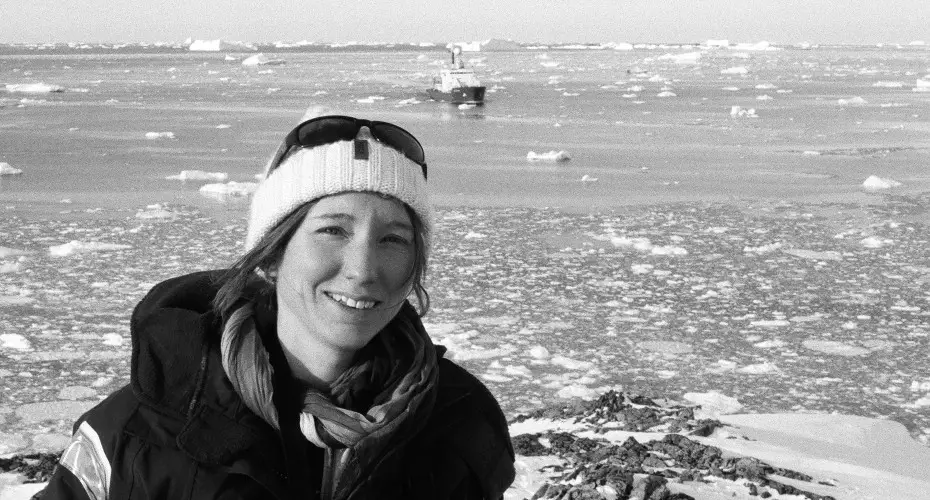
I’m doing a PhD in physical oceanography at the University of Cambridge. I research the impacts of climate change on Arctic Ocean circulation by analysing ocean data collected by under-ice probes and ships.

My interest in the oceans and climate stems from my degree at the University of Exeter, Penryn campus. The degree equipped me with a solid understanding of the Earth’s natural systems, and how they interact and relate to human activities. What inspired me the most was studying up-to-date issues of global environmental change and polar ocean systems. I also enjoyed growing my own research skillset, particularly in environmental fieldwork and data analysis. These skills have given me a great basis to continue my studies in marine science.

Read more from Kate Oglethorpe

Kate Oglethorpe

Alumni

Kate Oglethorpe