BA International Relations and Modern Languages
| UCAS code | LR05 |
|---|---|
| Duration | 4 years |
| Entry year | 2026 |
| Campus | Streatham Campus |
| Typical offer | A-Level: AAB-ABB |
|---|---|
|
A-Level: BBC |
| UCAS code | LR04 |
|---|---|
| Duration | 3 years |
| Entry year | 2026 |
| Campus | Streatham Campus |
| Typical offer | A-Level: AAB-ABB |
|---|---|
|
A-Level: BBC |
Why study BA International Relations and Modern Languages at Exeter?
- You’ll explore domestic and global affairs while acquiring a thorough understanding of the language, culture and literature from a diverse range of societies
- Our smaller class sizes enable you to actively discuss and debate your ideas and work closely with academic staff
- Option to spend your third year studying or working abroad in a country where you can develop your chosen language. Students studying beginners languages are required to study the 4-year “with International Placement” course.
- Get involved with the various Language student societies, make friends, attend socials and seminars and hear from guest speakers
- Our strong focus on career-related experience and skills will help you achieve your future career aspirations
Top 15 in the UK for Politics
14th in The Complete University Guide 2026

We are Top 10 in the UK for our world-leading Politics and International Studies research
Based on research rated 4* in REF 2021

88% of politics graduates in or due to start employment or further study fifteen months after graduation
Based on full-time, first degree, UK domiciled graduates, HESA Graduate Outcomes survey 2022/23 (published 2025)

Top 100 in the world for Political Sciences
Global Ranking of Academic Subjects (GRAS) or Shanghai Rankings 2025
Course duration
Did you know that there are both 3-year and 4-year degree programmes in Modern Languages at Exeter?
There are significant benefits of choosing the 4-year programme, particularly in enhancing your language proficiency.
Both the 4-year and 3-year programmes offer a comprehensive and in-depth study of modern languages and cultures. However, the 4-year degree includes a valuable , giving you the opportunity to immerse yourself in the language and culture of your chosen country while either studying or working.
We know that graduates who have studied the 4-year course with a year abroad have benefitted from a range of key skills that have been vital in shaping their early careers:
- Enhanced language proficiency – Evidence shows that speaking your chosen language in the country where it is the main language helps improve proficiency significantly.
- Cultural immersion – Spending time on an international placement will give you a deeper understanding of the nation’s cultures and broaden your appreciation of individuals from different backgrounds.
- Personal and professional development – You will have the opportunity to independently build intercultural communication skills and experience a range of professional sectors. These are key skills highly valued by today’s employers.
- Competitive edge – Our graduates have gone on to work for organisations across the globe, and they tell us that gaining skills and experiences while on the international placement is the most important factor when applying for jobs after graduating.
Please also note that, if you are starting a language from beginner level, you must take the 4-year programme to ensure you develop the necessary language skills. If you are studying languages post-A-Level, it is possible to choose the 3-year programme. You can apply to both the 3- and 4-year courses via UCAS.
Entry requirements (typical offer)
| Qualification | Typical offer | Required subjects |
|---|---|---|
| A-Level | AAB-ABB | Dependent on language level chosen (see below) |
| IB | 34/665-32/655 | Dependent on language level chosen (see below) |
| BTEC | DDD-DDM | Dependent on language level chosen (see below) |
| GCSE | C or 4 | English Language |
| Access to HE | 24 L3 credits at Distinction Grade and 21 L3 credits at Merit Grade | Dependent on language level chosen (see below), the required L3 credits in Modern Foreign Language subject area |
| T-Level | Distinction | Dependent on language level chosen (see below), GCE A-Level in a Modern Foreign Language may also be required. |
| Contextual Offer | A-Level: BBC |
Specific subject requirements must still be achieved where stated above. Find out more about contextual offers. |
| Other accepted qualifications | ||
| English language requirements |
International students need to show they have the required level of English language to study this course. The required test scores for this course fall under Profile B1. Please visit our English language requirements page to view the required test scores and equivalencies from your country. |
|
NB General Studies is not included in any offer.
Grades advertised on each programme webpage are the typical level at which our offers are made and provide information on any specific subjects an applicant will need to have studied in order to be considered for a place on the programme. However, if we receive a large number of applications for the programme we may not be able to make an offer to all those who are predicted to achieve/have achieved grades which are in line with our typical offer. For more information on how applications are assessed and when decisions are released, please see: After you apply
Choosing a language
You may choose one language to study alongside International Relations. Find out more about the languages we offer below.
Check subject requirements for different language levels
It may be possible to study further languages to a lower level of proficiency than degree level in the Language Centre, subject to demand: this is arranged on registration at Exeter.
Completing your UCAS form
When completing your UCAS form you must indicate the language you want to study with us under ‘further details’ in the ‘choices’ section of the application form, using the below abbreviations.
| French | Fren |
| Chinese (Mandarin) | Chin |
| German | Germ |
| Italian | Ital |
| Portuguese | Port |
| Russian | Russ |
| Spanish | Span |
For further information on completing your UCAS form, please visit the UCAS website.
Course content
The degree is made up of compulsory and optional modules, which are worth 15 or 30 credits each. Full-time undergraduate students need to complete modules worth a total of 120 credits each year.
You will take half your credits in International Relations and the remaining credits in your chosen language.
Students studying beginners languages must take the 4-year “with International Placement” course.
You may notice changes to some of our modules over the coming months. This is because we are making space for the following:
- Minors: Future Skills Pathways - Alongside your main degree you may be eligible (depending on your course) to choose modules from another subject to broaden your skills and interests.
- Skills to Thrive built into every degree - Essential skills for your future, including communication, problem-solving, teamwork and digital confidence.
- Increased innovation and wellbeing - More room for creative learning, real-world projects and a healthier study rhythm.
The modules below provide examples of what you can expect to learn on this degree course based on recent academic teaching. The precise modules available to you in future years may vary depending on staff availability and research interests, new topics of study, timetabling and student demand.
Please note that the module information displayed here is from a previous year and is subject to change.
30 credits of compulsory International Relations modules, 30 credits of compulsory modules in your chosen language and 60 credits of optional modules (including 30 credits of International Relations modules, and 30 consisting of content related to your chosen language.
Compulsory modules
Subject to choosing 120 credits for the stage overall, you must:
a - select 30 credits of compulsory modules in your chosen language.
| Code | Module | Credits |
|---|---|---|
| POL1017 | Globalisation of World Politics | 15 |
| POL1018 | The Challenges of World Politics in the Twenty-First Century | 15 |
| Modern Languages Stage 1 Compulsory Language Modules [See note a above] | ||
| MLF1001 | French Language | 30 |
| MLF1052 | French Language for Beginners | 30 |
| MLG1001 | German Language | 30 |
| MLG1052 | German Language for Beginners | 30 |
| MLI1001 | Italian Language | 30 |
| MLI1052 | Italian Language for Beginners | 30 |
| MLM1052 | Beginners Chinese | 30 |
| MLP1052 | Portuguese Language for Beginners | 30 |
| MLR1001 | Contemporary Russian Written and Oral | 30 |
| MLR1030 | Russian Language for Beginners | 30 |
| MLS1001 | Spanish Language | 30 |
| MLS1056 | Spanish Language for Beginners | 30 |
Optional modules
Select 30 credits of International Relations modules from this list.
Please note that modules are subject to change and not all modules are available across all programmes, this is due to timetable, module size constraints and availability.
b - select 30 credits of optional modules consisting of content related to your chosen language; on the Modern Languages side of your programme, you may select a maximum of 15 credits of either the SML- or HUM-coded modules for the year. Please note that certain modules may only be available to students on Single Honours programmes, or to students who have taken a particular language module. This information will be given in the pre-requisites or co-requisites section of the relevant module descriptor.
| Code | Module | Credits |
|---|---|---|
| Chinese Stage 1 Option Modules 2025-6 [See note b above] | ||
| PHL1010 | Introduction to Asian Philosophy | 15 |
| MLM1014 | Chinese Art and the Art of Living | 15 |
| SML1208 | Language, Culture, International Relations | 15 |
| French Stage 1 Option Modules 2025-6 [See note b above] | ||
| MLF1017 | The Making of Modern France | 15 |
| MLF1018 | The Devil is in the Detail: An Introduction to the Short Story in French | 15 |
| SML1207 | Introduction to Film | 15 |
| MLF1103 | The French Language, Present and Past | 15 |
| MLF1105 | An Introduction to French Thought | 15 |
| MLF1121 | French Visual History | 15 |
| SML1208 | Language, Culture, International Relations | 15 |
| German Stage 1 Option Modules 2025-6 [See note b above] | ||
| MLG1020 | Made in Germany: the History and Culture of a Global Brand | 15 |
| SML1207 | Introduction to Film | 15 |
| MLG1014 | A Nation Remembers: Issues in German Cultural Memory | 15 |
| SML1208 | Language, Culture, International Relations | 15 |
| Italian Stage 1 Option Modules 2025-6 [See note b above] | ||
| SML1207 | Introduction to Film | 15 |
| MLI1016 | Italy Inside Out: Popular Visual Narratives about Italy | 15 |
| MLI1121 | A Thousand Faces: Cultures and History in 19th-Century Italy | 15 |
| SML1208 | Language, Culture, International Relations | 15 |
| Portuguese Stage 1 Option Modules 2025-6 [See note b above] | ||
| MLP1002 | Introduction to the Lusophone World | 15 |
| SML1207 | Introduction to Film | 15 |
| SML1208 | Language, Culture, International Relations | 15 |
| Russian Stage 1 Option Modules 2025-6 [See note b above] | ||
| MLR1006 | An Emotional Experience: Russian Literature and the Expression of Feeling | 15 |
| SML1207 | Introduction to Film | 15 |
| MLR1023 | Russia: Empire and Identity | 15 |
| SML1208 | Language, Culture, International Relations | 15 |
| Spanish Stage 1 Option Modules 2025-6 [See note b above] | ||
| MLS1064 | An Introduction to the Hispanic World: Texts in Context | 15 |
| MLS1068 | An Introduction to the Literature and Film of Spain | 15 |
| SML1207 | Introduction to Film | 15 |
| MLS1066 | The Making of Modern Latin America: History Through Literature and Culture | 15 |
| MLS1164 | A Journey of Discovery: Hispanic Global Culture | 15 |
| International Relations Stage 1 CH Option Modules 2025-6 | ||
| POL1000 | Critical Skills for Politics and International Relations | 15 |
| POL1019 | Power and Democracy | 15 |
| POL1020 | Politics in Europe | 15 |
| POL1025 | Classical Political Thought | 15 |
| POL1026 | Early Modern Political Thought | 15 |
| POL1029 | Introduction to Comparative Politics | 15 |
| POL1045 | International Politics of the Global South | 15 |
| POL1046 | The State of the UK: Identifying Marginalised Identities and Addressing Inequalities | 15 |
| POL1047 | Global Sustainability Governance and Policy | 15 |
| POL1048 | The Politics of Development | 15 |
| ARA1010 | Politics and Economy of the Contemporary Middle East | 15 |
Please note that the module information displayed here is from a previous year and is subject to change.
30 credits of compulsory International Relations modules, 30 credits of compulsory modules in your chosen language and 60 credits of optional modules (including 30 credits of International Relations modules, and 30 consisting of content related to your chosen language.
Compulsory modules
Subject to choosing 120 credits for the stage overall, you must:
c - select 30 credits of compulsory modules in your chosen language.
| Code | Module | Credits |
|---|---|---|
| POL2020 | Contemporary Theories of World Politics | 15 |
| POL2057 | Security Studies | 15 |
| Modern Languages Stage 2 Compulsory Language Modules [see note c above] | ||
| MLF2001 | French Language, Written and Oral | 30 |
| MLF2152 | Intermediate French | 30 |
| MLG2001 | German Language, Written and Oral | 30 |
| MLG2052 | Intermediate German | 30 |
| MLI2001 | Italian Language, Written and Oral | 30 |
| MLI2051 | Italian Language | 30 |
| MLM2052 | Intermediate Chinese (One) | 30 |
| MLP2052 | Intermediate Portuguese | 30 |
| MLR2001 | Contemporary Russian Written and Oral I | 30 |
| MLR2030 | Intermediate Russian | 30 |
| MLS2001 | Spanish Language, Written and Oral | 30 |
| MLS2156 | Spanish Language (ex-beginners) | 30 |
Optional modules
select 30 credits of International Relations modules from this list.
Please note that modules are subject to change and not all modules are available across all programmes, this is due to timetable, module size constraints and availability.
d - select 30 credits of optional modules consisting of content related to your chosen language; on the Modern Languages side of your programme, you may select a maximum of 15 credits of either the SML- or HUM-coded modules listed below for the year.It is your responsibility to ensure that credit for SML modules can be counted towards the language of your study, where this is necessary for your credit count
| Code | Module | Credits |
|---|---|---|
| Chinese Stage 2 Option Modules 2025-6 [See note d above] | ||
| MLM2003 | Chinoiserie and Europeenerie: Artistic and cultural exchanges between China and Europe | 15 |
| MLM2008 | Introduction to Modern Chinese Literature | 15 |
| SML2003 | Research Skills in Languages and Cultures | 15 |
| SML2244 | Multilingualism in Society | 15 |
| SML2246 | Intercultural Communication | 15 |
| SML2247 | Tales of Freedom, Necessity and Providence | 15 |
| French Stage 2 Option Modules 2025-6 [See note d above] | ||
| MLF2005 | Classical myth in French and francophone cinema | 15 |
| MLF2012 | Evolution of the French Language | 15 |
| MLF2056 | Provoking Thoughts - French Literature and Philosophy from the Renaissance to the 20th Century | 15 |
| AHV2012 | Revolutions: Art and Society in France, 1770-1848 | 30 |
| MLF2006 | French-language Road Movies: Space, Place and Identity | 15 |
| MLF2070 | Violence and Virtue: Early Modern French Theatre | 15 |
| MLF2076 | Subversive Texts: Baudelaire and Rachilde | 15 |
| SML2003 | Research Skills in Languages and Cultures | 15 |
| SML2246 | Intercultural Communication | 15 |
| SML2244 | Multilingualism in Society | 15 |
| SML2247 | Tales of Freedom, Necessity and Providence | 15 |
| German Stage 2 Option Modules 2025-6 [See note d above] | ||
| MLG2003 | Youth and Age: Generations in German Fiction and Film | 15 |
| MLG2018 | Berlin - Culture, History and Politics | 15 |
| SML2003 | Research Skills in Languages and Cultures | 15 |
| SML2244 | Multilingualism in Society | 15 |
| SML2246 | Intercultural Communication | 15 |
| SML2247 | Tales of Freedom, Necessity and Providence | 15 |
| Italian Stage 2 Option Modules 2025-6 [See note d above] | ||
| MLI2004 | From Page to Screen: The Italian Female Detective in Literature, Film and Television | 15 |
| MLI2019 | Italian(s) in the World | 15 |
| SML2003 | Research Skills in Languages and Cultures | 15 |
| SML2244 | Multilingualism in Society | 15 |
| SML2246 | Intercultural Communication | 15 |
| SML2247 | Tales of Freedom, Necessity and Providence | 15 |
| Portuguese Stage 2 Option Modules 2025-6 [See note d above] | ||
| SML2004 | Contemporary Latin American Cinema | 15 |
| SML2003 | Research Skills in Languages and Cultures | 15 |
| SML2244 | Multilingualism in Society | 15 |
| SML2246 | Intercultural Communication | 15 |
| SML2247 | Tales of Freedom, Necessity and Providence | 15 |
| Russian Stage 2 Option Modules 2025-6 [See note d above] | ||
| MLR2026 | The Deceptive City: the Creation of St Petersburg in Russian Literature | 15 |
| MLR2021 | Understanding Russia | 15 |
| MLR2025 | Imperfect Murder: Reading Crime and Punishment | 15 |
| SML2003 | Research Skills in Languages and Cultures | 15 |
| SML2244 | Multilingualism in Society | 15 |
| SML2246 | Intercultural Communication | 15 |
| SML2247 | Tales of Freedom, Necessity and Providence | 15 |
| Spanish Stage 2 Option Modules 2025-6 [See note d above] | ||
| MLS2044 | How to be a Knight: Political Lessons from 14th-Century Spain | 15 |
| MLS2070 | Catalonia Is Not Spain? Modern Catalan Culture in Context | 15 |
| MLS2073 | Literary Non-Fiction in Argentina: When Writing Meets the Real | 15 |
| SML2004 | Contemporary Latin American Cinema | 15 |
| MLS2045 | Federico Garcia Lorca: Theatre and Poetry | 15 |
| MLS2061 | The Latin American Short Story | 15 |
| MLS2160 | Fiction in Post-War Spain: Voices of Conformity and Subversion | 15 |
| SML2003 | Research Skills in Languages and Cultures | 15 |
| SML2244 | Multilingualism in Society | 15 |
| SML2246 | Intercultural Communication | 15 |
| SML2247 | Tales of Freedom, Necessity and Providence | 15 |
| International Relations Stage 2 CH Option Modules 2025-6 | ||
| POL2026 | Political Analysis: Behaviour, Institutions, Ideas | 15 |
| POL2027 | The Politics of the World Economy | 15 |
| POL2046 | The Economics of Politics | 15 |
| POL2047 | American Politics | 15 |
| POL2050 | Political Philosophy | 15 |
| POL2059 | Political Thought of Modernity | 15 |
| POL2076 | Rising Powers, Peace and Conflict | 15 |
| POL2079 | Contemporary Public Debate in an Age of 'Anti-Politics' | 15 |
| POL2081 | Thinking about Race: Perspectives from the Biological and Social Sciences | 15 |
| POL2082 | Changing Character of Warfare | 15 |
| POL2098 | What is Law? Jurisprudence from Stone Tablet to Brain Imaging | 15 |
| POL2102 | Explaining Public Policies | 15 |
| POL2107 | Gender and Comparative Public Policy | 15 |
| POL2115 | British Foreign Policy | 15 |
| POL2122 | The Politics and Policies of Youth Engagement | 15 |
| POL2128 | Introduction to Research Design in Politics and International Relations | 15 |
| POL2130 | Comparative Electoral Systems | 15 |
| POL2131 | Environmental Governance | 15 |
| POL2132 | Decolonising Global Justice | 15 |
| POL2164 | The Politics of Humanitarian Emergencies | 15 |
| POL2165 | Foreign Policy Analysis | 15 |
| POL2166 | Gendering World Politics | 15 |
Please note that the module information displayed here is from a previous year and is subject to change.
If you choose the with International Placement variant of this course, your placement will take place in Year 3.
120 credit compulsory placement module
Compulsory modules
e - You must take one of these modules.
| Code | Module | Credits |
|---|---|---|
| SML3010 | Work and Study Abroad [See note e above] | 120 |
| SML3020 | Study Abroad at a Partner University (with Assessment in the Foreign Language) [See note e above] | 120 |
| SML3025 | Internship Abroad Combined with Study at a Partner University Abroad [See note e above] | 120 |
Please note that the module information displayed here is from a previous year and is subject to change.
60 credits of International Relations modules, 30 credits of compulsory modules in your chosen language and 30 credits of optional modules consisting of content related to your chosen language
Compulsory modules
Subject to selecting 120 credits in the stage you must:
e - select 30 credits of compulsory modules in your chosen language.
| Code | Module | Credits |
|---|---|---|
| Modern Languages Final Stage Compulsory Language Modules [See note e above] | ||
| MLM3111 | Advanced Chinese Language Skills | 30 |
| MLF3111 | Advanced French Language Skills | 30 |
| MLG3111 | Advanced German Language Skills | 30 |
| MLI3111 | Advanced Italian Language Skills | 30 |
| MLP3111 | Advanced Portuguese Language Skills | 30 |
| MLR3111 | Advanced Russian Language Skills | 30 |
| MLS3111 | Advanced Spanish Language Skills | 30 |
Optional modules
Select 30-60 credits of option modules in International Relations.
Please note that modules are subject to change and not all modules are available across all programmes, this is due to timetable, module size constraints and availability.
f - select 30 credits of optional modules consisting of content related to your chosen language; you may select a maximum of 15 credits of the SML- or HUM-coded modules listed below for the year, these are additional to SML3015. You may, alternatively, take SML3030. Please note you may only select one dissertation module across the two programmes. It is your responsibility to ensure that credit for SML modules can be counted towards the language of your study, where this is necessary for your credit count.
| Code | Module | Credits |
|---|---|---|
| Chinese Final Stage Option Modules 2025-6 [See note f above] | ||
| MLM3009 | China through the Lens: Cultural Translation and Self-Presentation | 15 |
| SML3015 | Dissertation | 15 |
| SML3052 | The Place of Meaning: Gardens in Europe and Asia | 15 |
| SML3009 | Intercultural Communication in a Global World | 15 |
| MLM3008 | Introduction to Modern Chinese Literature | 15 |
| SML3041 | Green Matters in Modern Languages and Cultures | 15 |
| SML3042 | Transcultural Devon: Creating, Analysing and Subtitling Interviews in the Context of Migration | 15 |
| SML3043 | Migration and Multilingualism | 15 |
| SML3030 | Extended Dissertation | 30 |
| French Final Stage Option Modules 2025-6 [See note f above] | ||
| SML3030 | Extended Dissertation | 30 |
| MLF3006 | The Invention of Modern Love | 15 |
| MLF3007 | Multilingualism, Audiovisual Translation and Power in Cinema-monde | 15 |
| MLF3075 | First-Person Outsiders in Modern French Literature | 15 |
| MLF3079 | Sex, Subversion and Censorship: Libertine Literature in Seventeenth-Century France | 15 |
| SML3009 | Intercultural Communication in a Global World | 15 |
| SML3015 | Dissertation | 15 |
| MLF3078 | Philosophers, Prophets and Mystics in French Culture | 15 |
| MLF3080 | Les Miserables from the Nineteenth Century to the Present Day | 15 |
| SML3041 | Green Matters in Modern Languages and Cultures | 15 |
| SML3042 | Transcultural Devon: Creating, Analysing and Subtitling Interviews in the Context of Migration | 15 |
| SML3043 | Migration and Multilingualism | 15 |
| SML3044 | Migration in World Cinema | 15 |
| German Final Stage Option Modules 2025-6 [See note f above] | ||
| MLG3037 | Coping with Catastrophe: German Culture, Literature and Politics in the Interwar Years | 15 |
| SML3009 | Intercultural Communication in a Global World | 15 |
| SML3015 | Dissertation | 15 |
| MLG3036 | Dictatorships on Display: History Exhibitions in Germany and Austria | 15 |
| SML3041 | Green Matters in Modern Languages and Cultures | 15 |
| SML3042 | Transcultural Devon: Creating, Analysing and Subtitling Interviews in the Context of Migration | 15 |
| SML3043 | Migration and Multilingualism | 15 |
| SML3044 | Migration in World Cinema | 15 |
| SML3030 | Extended Dissertation | 30 |
| Italian Final Stage Option Modules 2025-6 [See note f above] | ||
| AHV3002 | Understanding Space in Renaissance Italy | 15 |
| SML3009 | Intercultural Communication in a Global World | 15 |
| SML3015 | Dissertation | 15 |
| MLI3033 | Multicultural Italy | 15 |
| SML3041 | Green Matters in Modern Languages and Cultures | 15 |
| SML3042 | Transcultural Devon: Creating, Analysing and Subtitling Interviews in the Context of Migration | 15 |
| SML3043 | Migration and Multilingualism | 15 |
| SML3044 | Migration in World Cinema | 15 |
| SML3030 | Extended Dissertation | 30 |
| Portuguese Final Stage Option Modules 2025-6 [See note f above] | ||
| SML3009 | Intercultural Communication in a Global World | 15 |
| SML3015 | Dissertation | 15 |
| SML3041 | Green Matters in Modern Languages and Cultures | 15 |
| SML3042 | Transcultural Devon: Creating, Analysing and Subtitling Interviews in the Context of Migration | 15 |
| SML3043 | Migration and Multilingualism | 15 |
| SML3044 | Migration in World Cinema | 15 |
| SML3030 | Extended Dissertation | 30 |
| Russian Final Stage Option Modules 2025-6 [See note f above] | ||
| MLR3026 | The Deceptive City: The Creation of St Petersburg in Russian Literature | 15 |
| SML3009 | Intercultural Communication in a Global World | 15 |
| SML3015 | Dissertation | 15 |
| MLR3121 | Understanding Russia | 15 |
| MLR3125 | Imperfect Murder: Reading Crime and Punishment | 15 |
| SML3041 | Green Matters in Modern Languages and Cultures | 15 |
| SML3042 | Transcultural Devon: Creating, Analysing and Subtitling Interviews in the Context of Migration | 15 |
| SML3043 | Migration and Multilingualism | 15 |
| SML3030 | Extended Dissertation | 30 |
| Spanish Final Stage Option Modules 2025-6 [See note f above] | ||
| MLS3071 | The Chilean Road to Socialism (1970-1973): What Happened and Why? Elements for a Debate | 15 |
| MLS3037 | Women and Feminism in 20th Century Spain | 15 |
| MLS3057 | Cross Currents: Memory, Myth and Modernity in Latin America | 15 |
| MLS3112 | Spanish Modernists: Narratives of Identity, Gender and Nation | 15 |
| SML3009 | Intercultural Communication in a Global World | 15 |
| SML3015 | Dissertation | 15 |
| MLS3072 | Unlawful Sex: Sexualities on Trial in Medieval Spain | 15 |
| MLS3114 | Sustainability in the Hispanic World | 15 |
| SML3031 | Advanced Translation Skills | 15 |
| SML3041 | Green Matters in Modern Languages and Cultures | 15 |
| SML3042 | Transcultural Devon: Creating, Analysing and Subtitling Interviews in the Context of Migration | 15 |
| SML3043 | Migration and Multilingualism | 15 |
| SML3044 | Migration in World Cinema | 15 |
| SML3030 | Extended Dissertation | 30 |
| International Relations and Politics Final Stage Option Modules 2025-6 | ||
| POL3054 | Nuclear Weapons in International Relations | 15 |
| POL3069 | Globalisation and the Politics of Resistance | 30 |
| POL3090 | Politics and Conflict in Deeply Divided Societies | 15 |
| POL3136 | Political Psychology | 30 |
| POL3168 | War and its Aftermath: Interventions and Contemporary Conflict | 30 |
| POL3180 | Latin American Parties, Politics and Elections | 30 |
| POL3196 | Democracy in the European Union | 30 |
| POL3234 | Religion, Politics and Policy in Europe | 30 |
| POL3240 | Women in the Criminal Justice System: Law, Policy and Institutions | 15 |
| POL3247 | Politics of Biology | 15 |
| POL3248 | Marxism(s) and International Relations | 15 |
| POL3250 | Environmental Policy in Times of Crisis | 15 |
| POL3256 | Trumping the Mainstream: The Populist Radical Right and Democratic politics | 30 |
| POL3259 | Climate Justice | 30 |
| POL3260 | Russian Foreign Policy | 15 |
| POL3263 | Political Economy of Development | 15 |
| POL3274 | Money, Lobbying, and Policymaking | 15 |
| POL3284 | Realism and Its Critics: Debating and Applying International Relations Theory | 15 |
| POL3291 | Disrupting Western and Neo-Liberal Policing of the Global and the Local | 30 |
| POL3292 | LGBTQ+ Policies and Politics in the UK | 15 |
| POL3293 | The Political Economy of Chinese Development | 15 |
| POL3294 | Land, Power and Politics: a critical problem-based approach | 15 |
| POL3296 | Political Economy of Populism | 15 |
| POL3297 | Comparative Political Economy: Varieties of Capitalism | 15 |
| POL3302 | Elections, Public Opinion and Parties in Britain | 15 |
| POL3303 | Protest, Activism and the Environment | 30 |
| POL3304 | Political Philosophies of Power | 15 |
| POL3306 | Contemporary Chinese Diplomacy and Foreign Policy | 15 |
| POL3307 | International Politics of the Body | 15 |
| POL3310 | War in the 21st Century | 30 |
| POL3311 | Brexit: Causes, Interpretation and Implications | 15 |
| POL3312 | The Transformation of Politics in the Global Age | 15 |
| POL3316 | Empire and Hierarchy in Russia and Eurasia | 15 |
| POL3317 | Authoritarian Resilience in the Global South | 15 |
| POL3318 | Transformation of Social and Political Realities through Smartphones | 15 |
| POL3319 | The Politics of Place | 15 |
| POL3320 | Politics Online | 15 |
| POL3321 | The Politics of Economic Policymaking | 30 |
| POL3322 | Artificial Intelligence and Democracy | 30 |
| POL3323 | International Relations in Global History | 30 |
| POL3324 | War, Culture and Society | 30 |
| POL3325 | Understanding Public and Nonprofit Management | 15 |
| POL3326 | International Politics of the Body | 30 |
| POL3327 | Strategy and Psychology in Foreign Policy | 15 |
| POL3328 | Surveys and Experiments: Design Implementation and Analysis | 15 |
| HAS3010 | Work Experience: Building Skills and Unlocking Opportunities | 15 |
| POL3213 | Feminist Political Theory | 15 |
Our languages
Combined Honours students can choose from one of the seven languages we offer at Exeter.
All languages are available at beginners level. French, German, Italian, Russian and Spanish can be studied at advanced level.
In addition, there is also the possibility to take modules in an extra language through the Language Centre.

Chinese

French
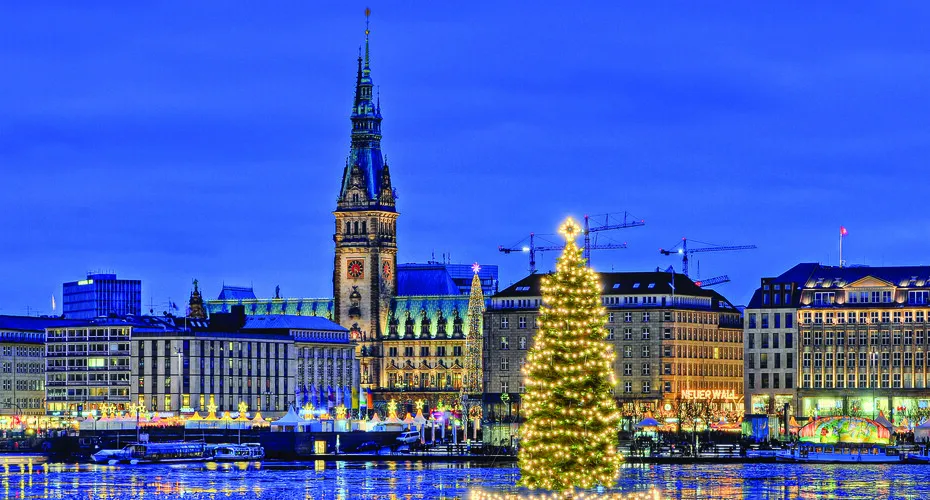
German

Italian
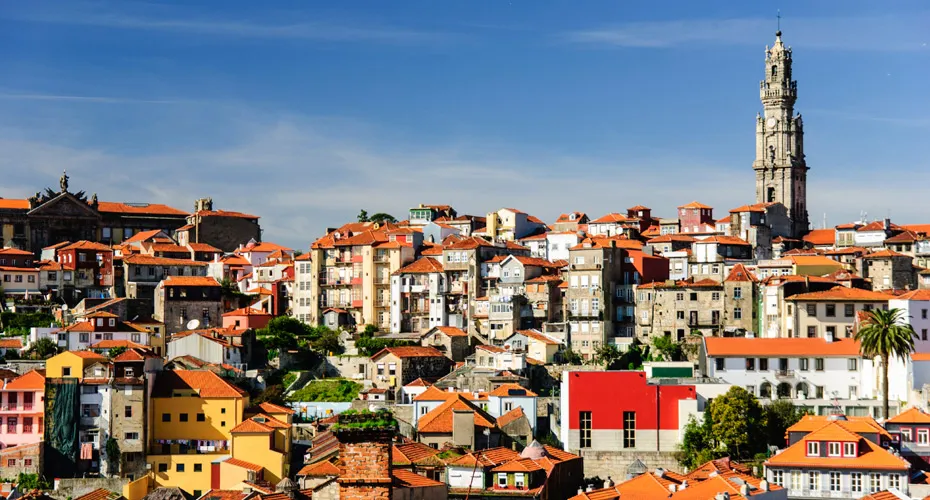
Portuguese
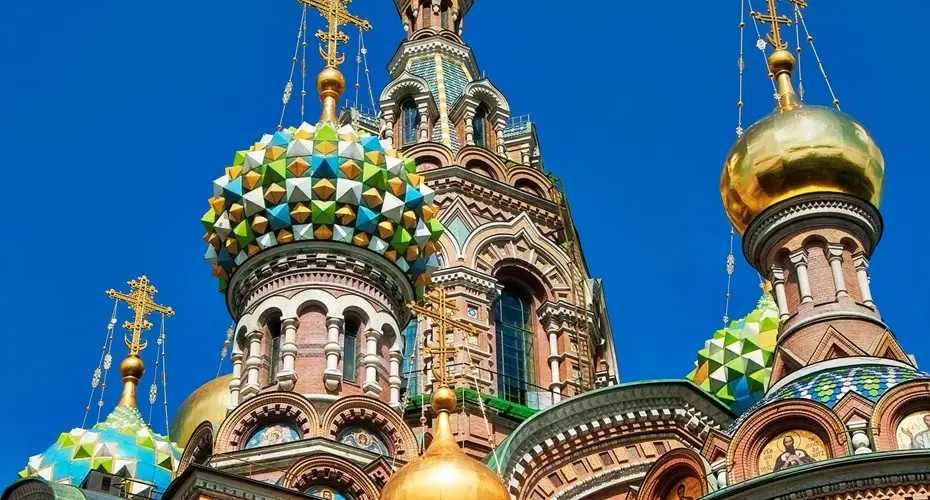
Russian
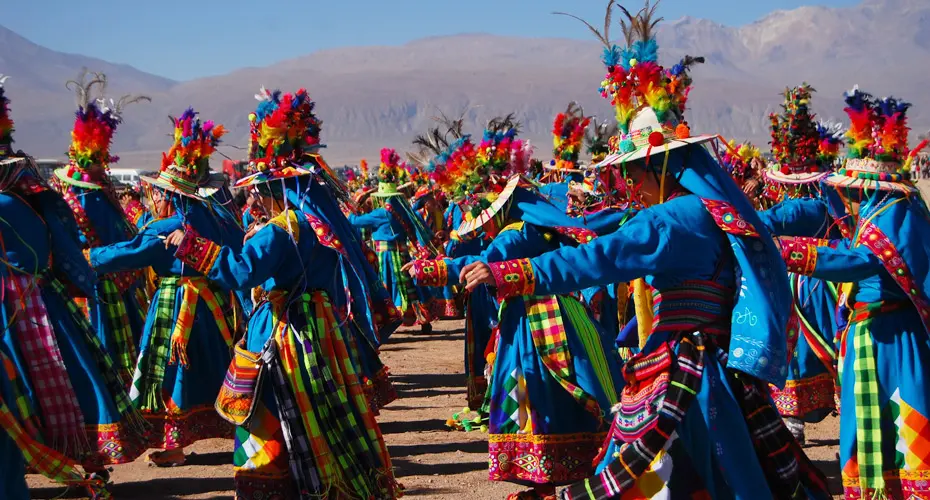
Spanish
Fees
Tuition fees for 2026 entry
UK students: £9,790 per year
International students: £24,950 per year
Scholarships
The University of Exeter offers a wide range of scholarships to support your education, with £7 million available for international students applying to study with us in the 2026/27 academic year, including our prestigious Exeter Excellence Scholarships*. We also provide scholarships for sport, music and other achievements, alongside regional and partner awards such as Chevening, The Beacon Trust and the British Council. Financial support is available for students from disadvantaged backgrounds, lower income households and other under-represented groups to help them access, succeed and progress through higher education.
* Terms and conditions, including deadlines, apply. See our website for details.
Learning and teaching
How will I learn?
International Relations
We use a wide range of teaching methods as well as encouraging independent study with an increasing emphasis on seminar discussion and project work in your second and third years
- Lectures
- Seminars
- Tutorials
- Practical exercises, project and group work
- Independent study
Modern Languages
In Modern Languages our teaching aims not to just improve your production and comprehension of the language but also help to develop your language-learning skills.
- Written language taught through weekly classes of about 18 students
- Weekly oral practice in classes of around eight with native speakers
You will also have access to personal and subject tutors who will give you the individual help and guidance you need to succeed.
Assessment
- Essays and projects
- Practical assignments
- Oral language tasks
- Field work notebooks
You must pass your first year modules in order to proceed but your performance at this level does not count towards your final degree classification.
The Language Centre
All language students have access to the language-learning facilities provided by the Language Centre, which include satellite television channels in each of our languages and audio, computer and multi-media language-learning packages
Optional modules outside of this course
Each year, if you have optional modules available, you can take up to 30 credits in a subject outside of your course. This can increase your employability and widen your intellectual horizons.
Minors: Future Skills Pathways
You can study a Future Skills Pathway alongside your main degree by choosing up to 30 credits of modules from a different subject area in your second and final years.
Your future
Develop skills valued by employers
Combining International Relations with a Modern Language will not only develop your understanding of complex political and cultural issues but you will also graduate with language skills that are particularly valued by a wide range of employers within finance, law, the media as well as the business and public sectors. Alongside this you will gain a range of academic and professional skills including:
- Analytical, critical and independent thinking
- Independent research
- Discussion and group work
- Written and verbal communication
- Articulating ideas and arguments
- Organising, planning and time management
- Assertiveness and enterprise
- Commercial awareness
- Communication and leadership
Career paths
The broad range of transferable skills gained on a International Relations and Modern Languages degree enable graduates to pursue further study or employment in a wide range of careers including:
- Politics and the civil service
- International organisations
- Interpreter/translator
- Journalism and media
- Finance and commerce
- Teaching
- Business and Management
- Marketing and communications
- The voluntary and charity sector
Exeter Award and Exeter Leaders Award
Many of our students participate in The Exeter Award and The Exeter Leaders Award. These schemes encourage you to participate in employability related workshops, skills events, volunteering and employment which will contribute to your career decision-making skills and success in the employment market.
Developing your skills and career prospects
We provide a range of support to help you develop skills attractive to employers. You will be able to access a range of specific activities such as careers skills sessions and employer-led events, or seek bespoke advice and support from Employability Officers.
The Career Zone also organises a busy schedule of activities including careers fairs, skills workshops, and training events, and can advise on graduate opportunities and volunteering.
Further study
A Modern Languages degree is also excellent preparation for postgraduate study, and recent graduates have progressed to a range of courses, including: MA European Politics, Graduate Diploma in Law, PGCE Secondary French, MA International Relations, MSc Globalisation and Latin American Development and MA Translation and Professional Language Skills.