Research and Innovation at Exeter
As a Russell Group University, we are at the forefront of ground-breaking research that's making a difference across the world.
By breaking down barriers between disciplines, we are tackling the most pressing challenges of our time, from both human and physical perspectives.
Through collaborations with global institutions, policymakers, businesses and organisations, we are harnessing the power of our research to create a sustainable, healthy and socially just future.
Read our Research and Innovation Strategy 2026-2031: Discover – Collaborate – Transform.
Expertise search
Connect with our global community of experts to explore exciting new possibilities for joint research, education projects, and transformative business solutions.
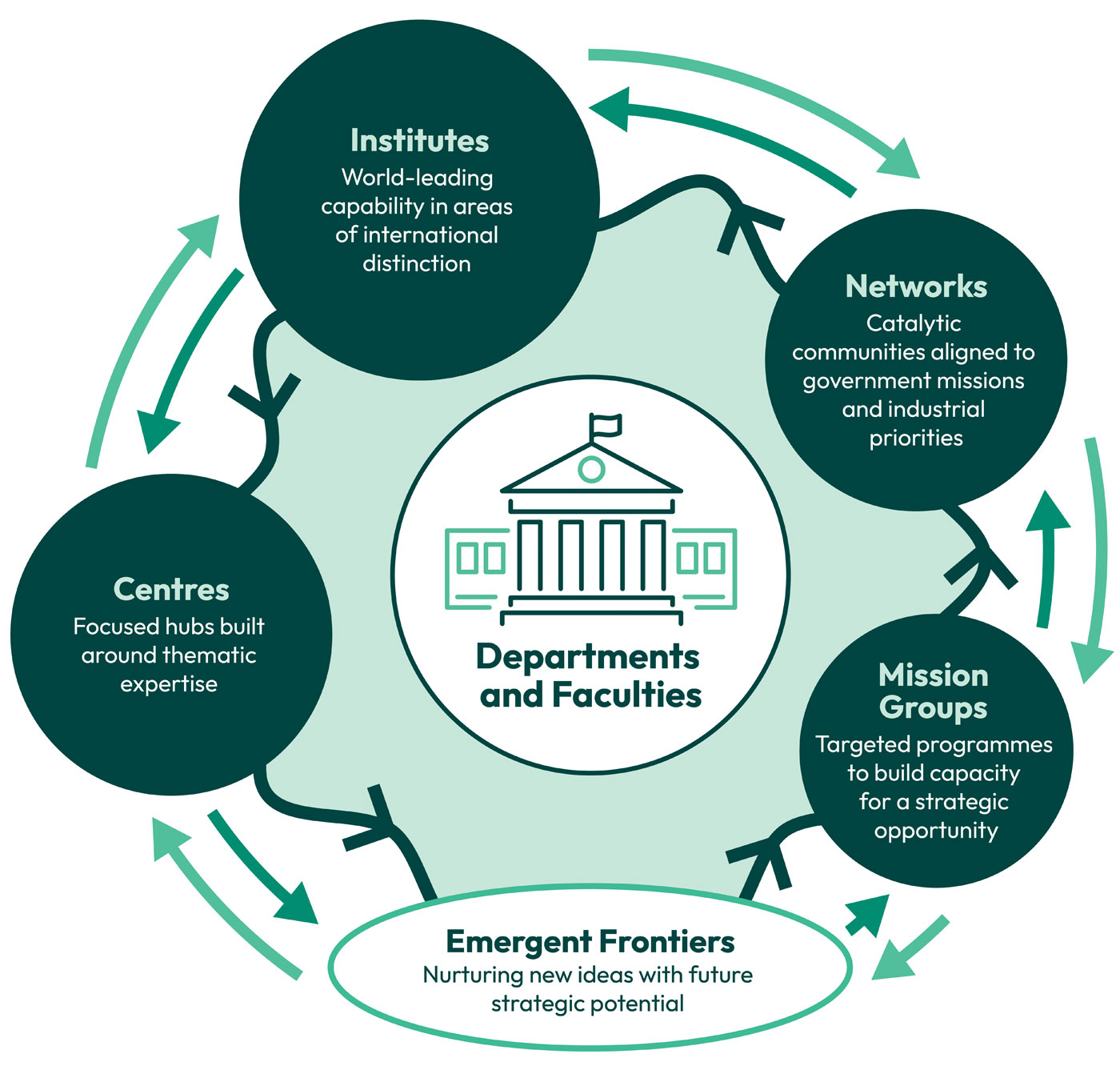
Research and Innovation Ecosystem
Click on the hotspots to find out more.
Research at the University of Exeter
Our research culture and environment
At the University of Exeter, we are committed to supporting each other to thrive, be fulfilled and reach our potential. Our research excellence is underpinned and enhanced by an open, ethical and supportive research culture and environment.
Find out more
Open Research Exeter
We support the principle of open access to research outputs and, where legally, commercially and ethically appropriate, to the research data of our research community.
Open Research Exeter (ORE) is the University of Exeter’s online repository for storing and providing access to research outputs.
Our research facilities

Our world class facilities provide our researchers across science and humanities the tools they need to continue their work to solve the world’s major problems around climate, health and social justice.
Exeter Fellowship Hub
The Exeter Fellowship Hub is a new initiative that provides support to applicants and fellows across the full fellowship lifecycle.
Explore our research
Our dynamic and innovative research fosters new discoveries, inspires creativity and brings people together to solve the challenges of today and tomorrow, making the world greener, healthier and fairer.
Greener

The climate emergency and ecological crisis is one of the most pressing challenges of our time.
At Exeter, we are home to the UK’s top five most influential climate scientists (Reuters Hot List) within a team of over 1,500 researchers and professionals working across climate change and the environment. This expertise underpins our research across a range of areas, including green futures, healthier oceans and positive tipping points.
Explore our research and join us in working towards a greener future.
Healthier

Our research is at the cutting-edge of innovation to transform human health and wellbeing.
We partner with healthcare providers, industry and the public to ensure we can quickly translate our research into accessible treatments and care. Our research covers a range of critical areas, including antimicrobial resistance, child mental health, dementia and diabetes.
Explore our research and join us in creating a healthier future.
Fairer

We're driving change towards a fairer, more socially just and inclusive society.
We're home to world-leading experts in Business, Economics, Law and Social Sciences who are dedicated to understanding and addressing societal challenges. Our research areas include the circular economy, evidence-based justice, social inequalities and sustainable food systems.
Explore our research and join us in building a fairer future.
Research news

REF 2021 is the national assessment of the strength of UK research. We have increased the proportion of our research which is world-leading by more than 60% and increased the size of our research community by 70%.

Top 20 in the world for our progress towards delivering the United Nations Sustainable Development Goals

18 subjects in the global top 100 in the QS World University Rankings 2026

100% of applicable lab spaces have achieved LEAF Green Lab Certification
Interested in working with us?

Exeter Innovation connects you with our leading researchers and educators to develop practical, research-driven solutions. Get in touch to see how we can help.

Sign up to receive research and innovation updates - be the first to learn about breakthrough discoveries, expert insights, and opportunities to engage with our researchers.

Connect with our global community of experts to explore exciting new possibilities for joint research, education projects, and transformative business solutions.
Exeter Research Institutes

Our Institutes are at the heart of our research, spanning our academic faculties to bring researchers together from across the university to help solve the world's greatest challenges.
Research in our Faculties
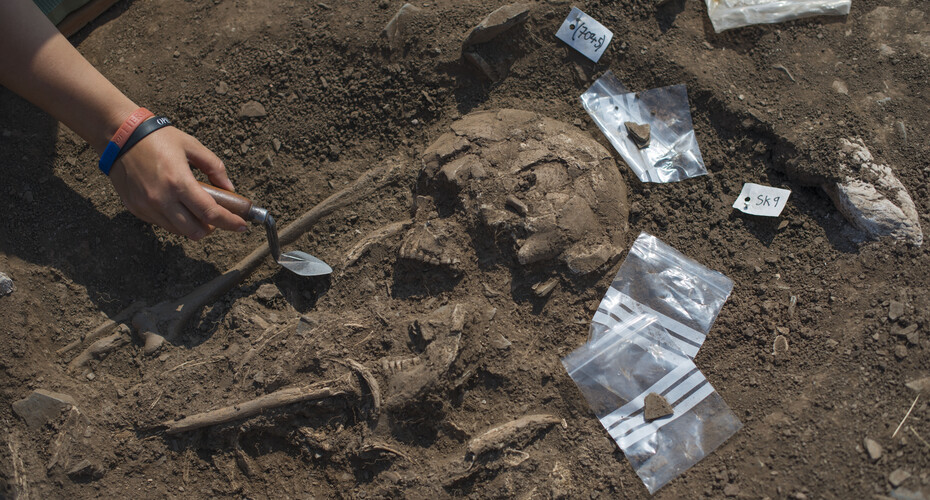
Our faculties support a broad range of academic activities, including elements of all three University strategic goals (environment and sustainability, health and social justice) and act as the champion for one of these.