



Heritage and Culture

The UK's heritage and culture sector is a vibrant and diverse sector encompassing a wide variety of organisations ranging from individual historic houses, museums, theatres, art galleries, to charities and community run projects. There are public funded, third sector, and private sector organisations acting as custodians of places, artefacts and stories, preserving and articulating narratives of history, art, collective memory and culture. Most organisations in this sector are increasingly reliant on commercial revenues through fundraising and/or paying visitors. Roles from every field in this sector become vacant each year, partly stemming from some sector growth and mostly because over 50% of the current workforce projected to retire by 2027. Storytelling sits at the heart of this sector, so if you are looking to be part of the country’s ever-evolving understanding of how it sees itself there are exciting opportunities in the heritage and culture sector.
Historic England, a body who advocates for the heritage and culture sector, publicised in 2023 that the sector employed over 200,000 people in England, and that the sector created around £16bn of value added for the UK’s GDP, constituting just under 1% of England’s total value added. The biggest regions for employment in the sector are London, then the South East, followed by the South West. These three regions account for over half of all employment in the sector. There is strong competition for employment in the sector and early career pathways often involve voluntary work experience and then fixed-term contracts before progression materialises into permanent graduate roles. The sector is subject to the twin challenges of cuts in government funding and historic assets which are by their nature, increasingly expensive to maintain. But the drive to protect these assets and infuse them with modern thinking around transition to net zero and create ever new stories around them is strong, generating opportunities for creative place-making and community building.
Heritage and culture has roles in every area from technical curation and expert skilled restoration roles, to creative roles in storytelling, marketing, fundraising and all aspects of management. There are opportunities for growth and career development. The sector is permanently in flux as historic assets and the roles they play in our world become reinvented at the same time as the industry permanently seeks alternative funding models.
Here are some role profiles to explore which offer more detailed insight into working in this sector:
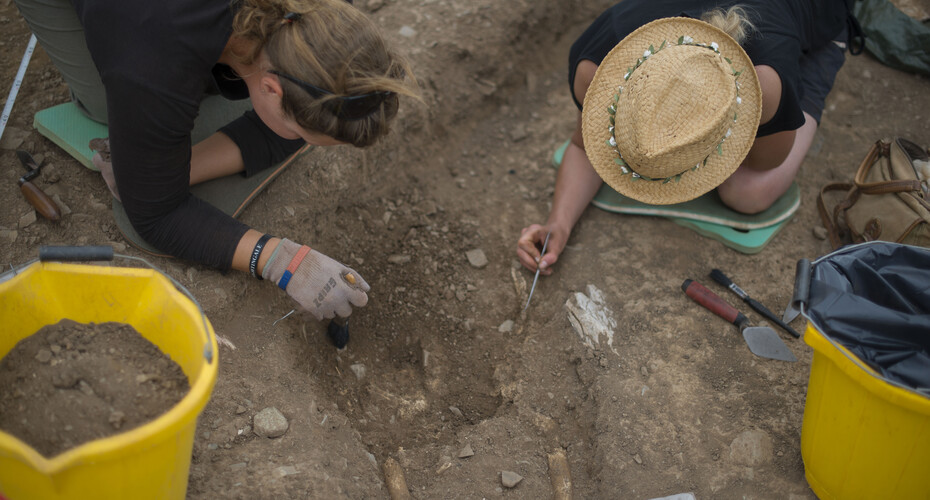
- Archaeologist: investigating and interpreting the past through the study of material remains.
- Archivist: acquire, manage and maintain documents and other materials that have historical and cultural importance.
- Arts Administrator: catalogues art works.
- Auctioneer / art valuer: valuation of historic artefacts and arts for sale.
- Conservator: responsible for the physical preservation and restoration of cultural artefacts.
- Exhibition designer: creating engaging and informative exhibition spaces.
- Heritage manager: overseeing the operation and development of heritage sites.
- Historic Building Inspector/Conservation officer: advise on and promote the conservation of historic buildings, structures and areas of special historic, architectural, or artistic interest.
- Marketing and communications officer: promoting the organisation to stakeholders, visitors.
- Museum / Gallery Curator: responsible for managing and interpreting collections.
- Museum / gallery education officer: delivering educational programs and workshops. Digital heritage specialist: developing digital platforms and applications for heritage content.
- Museums / Gallery exhibition officer: planning, delivery and installation of individual, permanent or travelling exhibitions.
- Visitor services / gallery/museum assistant: front of house roles delivering information and customer service to visitors.
If you are interested in this area of work, these sectors might also be of interest to you:
- Hospitality, Travel and Tourism which covers Events Management
- Marketing, Publishing and Journalism
- Creative Industries and Performing Arts
- Business Operations and Management
- Charities, NGOs and Development Work for exploring finance, fundraising and administration opportunities
- Politics, Government and the Public Sector
- Education and Teaching for opportunities focussed on Policy Research.
If you would like to do further research into this sector, the following webpages may be useful.
- University of Exeter Career Zone podcast episode on working in the heritage sector.
- Alumni profile: account of working in conservation work.
- University of Exeter heritage at Exeter: resource exploring University of Exeter research into cultural heritage.
- Heritage panel event featuring alumni working for English Heritage, Plymouth City Council, and Museum of Cornish Life 07/03/24 Careers in Heritage Panel.
- Institute of Conservation careers guide: career guide produced by this professional body.
- On the Prospects website check out Creative arts and design | Prospects.ac.uk, What can I do with an archaeology degree? | Prospects.ac.uk, also What can I do with a history of art degree? | Prospects.ac.uk, and Prospects guide to museum jobs: profiling of core occupations in the sector.
- Target Jobs have describe different types of roles here Heritage manager: job description, also Museum/gallery exhibition officer: job description, and Archaeologist job description | targetjobs.
- University of Exeter is home to the Bill Douglas Museum housing over 90,000 items associated with moving images.
- Heritage Careers Guide 2024-2025 - Built Environment Forum Scotland is a great overview of the heritage industry and opportunities in the sector in Scotland.
- Museum Association campaigns: listings of public campaigns highlighting topical issues of concern to the sector.
- ICCROM’s news feed: global topical issues in heritage.
- Historic England’s 2024 report on Historic Environment Overview | Historic England.
- Arts Hub: all encompassing platform outlining global trends and practices in the world of arts.
- Art Tactic: Art market research and analysis.
- Resources – Fair Museum Jobs grassroots collective network which offers sector-specific advice on applying for roles and building careers in museums.
Making contacts is essential for success in this and other sectors. Many jobs in this field come through networking and speculative applications. You could start by speaking with the experts – find out what they did after graduation and contact them for advice.
Making contacts for work shadowing, informational interviews and speculative applications
To help increase your networks who may also be able to suggest ways to gain experiences look at:
- Ask an Alum: A fuss-free way to connect with University of Exeter alumni to ask careers questions.
- Career Mentor Scheme: A popular employability scheme which matches a student or graduate with an experienced professional, for sector insight and one-to-one careers advice and guidance, over a 6-month period.
- Professional Pathways: a suite of sector-specific training courses and paid 35 hour internships that take place in June and July each year including a Pathways to Arts, Heritage and Culture.
- Arts & Culture: platform promoting collaborative work by University of Exeter with South-West culture organisations.
- English Heritage’s well-funded and growing programme Shout Out Loud invites young people 18-25 to get involved with re-telling the country’s cultural and heritage stories Become a Youth Associate - Shout Out Loud.
- The Heritage Alliance: overarching body representing over two hundred independent organisations working in the heritage sector.
- Creative UK – independent network of creative organisations in the UK.
- Arts Council – non-departmental public body of the Department for Culture, Media and Sports fostering investment and promotions of arts and culture enterprises.
- The Museums Association: represents museums and museum professionals.
- Association of Independent Museums: representation of independent museums, galleries and heritage organisations.
- Association of Leading Visitor Attractions: body representing over two thousand UK tourist sites including museums, galleries, castles, historic houses and heritage sites.
- Where History Lives | Historic Houses, a not for profit association representing over a thousand independently owned and operated houses, castles, and gardens of major historical importance.
- The Archives and Records Association: represents the record-keeping sector.
- The youngtrusteesmovement.org aims to inspire young people to become charity trustees.
Recruitment fairs, careers fairs, open days, talks, and events give insights and opportunities to make contacts. For details of future events visit Handshake. If you have not yet activated your account, select the Single Sign On (SSO) option and follow the onscreen instructions.
- Look out for the Exeter University Career Fair in the Creative Industries in March and especially the Archaeology and Heritage Fair.
- Regular events from The Heritage Alliance: Sector Events - The Heritage Alliance.
- Events - Heritage Trust Network regularly runs events such as Leadership for heritage, and LinkedIn workshops for heritage careers.
- Kids in Museums Conference 2025 - Kids in Museums a conference for finding out about trends for families and museums.
- Moving on Up 2026: Making an Impact With Your Career - Museums Association Concessionary rates for a day of finding out how you can use your skills in the museum sector.
- Engage is the leading charity for engagement and participation in the visual arts promoting inclusion, quality and relevance of the sector. They run meet-ups/ conferences in various locations: About Engage – Engage.
- Museum Development South West run lots of training events: Skills Training - Museum Development South West.
Many major graduate recruiters have policies and processes that are proactive in recruiting graduates from diverse backgrounds. To find out the policies and attitudes of employers that you are interested in, explore their equality and diversity policies and see if they offer Disability Confident Employer Scheme or are recognised for their policy by such indicators as Mindful Employer or as a Stonewall’s Diversity Champion.
The UK law protects you from discrimination due to your age, gender, race, religion or beliefs, disability or sexual orientation and more. For further information on the Equality Act and to find out where and how you are protected, as well as information on what you need to do if you feel you have been discriminated against, visit the Government’s webpages on discrimination.
To learn more about how to share details of a disability with an employer and the support you can receive applying for jobs and work experience visit our equality and diversity page.
Further information
- Home | Museum Detox is a network for people of colour who work in museums, galleries, libraries, archives and the heritage sector.
- Historic England | Hiring with Applied uses a recruitment system called Applied which aims to overcome unconscious bias in recruitment.
- Organisations like Black South West Network create projects to support Black and minoritised communities, businesses and organisations in all areas including culture, for example with the project UnMuseum THE UNMUSEUM CULTURAL & HERITAGE PROGRAMME — Black South West Network.
- Projects like Telling Our Stories, Finding Our Roots: Devon's Multicultural History aim to archive and celebrate diverse cultural narratives.
- Black Voices Cornwall Cultural Calendar | Black Voices Cornwall hosts regular cultural events for people from black heritage across Cornwall.
- Diverse Devon Together About Us – Diverse Devon Together is a community outreach organisation for people from all ethnic minorities running Community Access Projects and neighbourhood diversity festivals.
Action
Explore roles in the sector by visiting the areas of work below. Each profile covers typical duties and responsibilities, entry requirements, key skills required, professional development opportunities and links to finding both work experience and graduate roles.