MSci Animal Behaviour
| UCAS code | D393 |
|---|---|
| Duration | 4 years |
| Entry year | 2027 |
| Campus | Penryn Campus |
| Typical offer | A-Level: ABB |
|---|---|
|
A-Level: BBC |
Why study MSci Animal Behaviour at Exeter?
- Our MSci in Animal Behaviour provides an opportunity to work on a project focused on a specialised area aligned with one of our leading research groups.
- Study aspects of behaviour in wild, domestic and captive animals, and learn the value of studying animals in their natural habitats.
- Understand the ‘how’ and ‘why’ of natural behaviour: how current and past environments and ecology influence behaviour, how behaviour is shaped by underlying gene-environment. interactions, and why we see variation among individuals, species and species groups.
- Experience extensive fieldwork in the UK and international locations.
- Study at our modern, eco-friendly Penryn Campus, situated in one of the UK’s most beautiful and inspiring regions, with a stunning natural environment that serves as your classroom.

2nd in the world for Ecology
Shanghai Rankings Global Ranking of Academic Subjects 2025

90% of our Biological Sciences research is internationally excellent
Based on research rated 4* and 3* in the Research Excellence Framework 2021

Top 20 in the UK for world-leading research in Biological Sciences
REF 2021, based on 4-star research

Top 5 in the UK for Biology
Entry requirements for 2027 entry (typical offer)
| Qualification | Typical offer | Required subjects |
|---|---|---|
| A-Level | ABB | B in a science subject* |
| IB | 32/655 | HL5 in a science subject* |
| BTEC | DDM | Applicants studying one of the following subject areas in either the BTEC Extended Diploma or Diploma will be considered without GCE A-Level Science: Applied Human Biology, Applied Psychology, Applied Science, Animal Management, Agriculture, Countryside Management, Fish Management, Forestry and Arboriculture, Marine Biology |
| GCSE | C or 4 B or 5 |
C or 4 in English Language B or 5 in Mathematics Applicants who have achieved GCSE Maths one grade below the specified requirement will be considered. These applicants may be invited to complete the Maths Transition Course and receive a conditional offer on the basis of successful course completion. |
| Access to HE | 24 L3 Credits at Distinction Grade and 21 L3 credits at Merit Grade | To include at least 12 L3 credits at Distinction Grade in a science subject* |
| T-Level | Distinction | Animal Care and Management (Animal Science pathway) |
| Contextual Offer | A-Level: BBC |
Specific subject requirements must still be achieved where stated above. Find out more about contextual offers. |
| Other accepted qualifications | ||
| English language requirements |
International students need to show they have the required level of English language to study this course. The required test scores for this course fall under Profile B1. Please visit our English language requirements page to view the required test scores and equivalencies from your country. |
|
NB General Studies is not included in any offer.
Grades advertised on each programme webpage are the typical level at which our offers are made and provide information on any specific subjects an applicant will need to have studied in order to be considered for a place on the programme. However, if we receive a large number of applications for the programme we may not be able to make an offer to all those who are predicted to achieve/have achieved grades which are in line with our typical offer. For more information on how applications are assessed and when decisions are released, please see: After you apply
*Accepted science subjects: Biology/Human Biology; Chemistry; Computing; Design and Technology; Economics; Electronics; Environmental Science; Environmental Studies; Geography; Geology; Life and Health Sciences (Double Award only); Maths/Pure Maths/Further Maths/Statistics; Marine Science; Nutrition and Food Science; Physical Education; Physics; Psychology; Science (applied).
I think my favourite thing about the course so far has been the field trip to Costa Rica*. It was the trip of a lifetime and I'll remember it forever! We travelled all around the country and learnt so much about their biodiversity.
We have studied lots of different topics on the course. It's been really wide-ranging, and I've loved the lectures for all the modules. My lecturers are really knowledgeable and helpful. I feel like I've learnt a lot from the course, everything from molecular ecology to the biology of birds. It all leads into your final year where you have studied so many topics that you have a solid idea of what your interests are.
*Field course destinations are subject to change.
Jordan
MSci Animal Behaviour

Course content and modules
The four-year MSci Animal Behaviour course mirrors the BSc Animal Behaviour programme course during the first three years, but also includes an additional fourth year during which you will undertake a research project, an advanced statistical modelling module and a literature review. The research project will focus on a specialised area aligned with one of our leading research groups. The remainder of your time will be spent on a two-week intensive field course in which your scientific field-research, debating, and presentation skills will be further developed.
Throughout this programme you will be exposed to a wide range of theoretical and practical techniques used to study animal behaviour. We will provide you with the skills, concepts and experience to understand all aspects of animal behaviour. The programme covers the evolution and adaptive function of behaviour in the wild, its physiological and neuronal control, and how animals develop socially and cognitively through experience.
In year one, gain broad experience of zoology, ecology, and evolutionary biology while learning about the main concepts underlying the scientific study of animal behaviour. Study the major milestones in behaviour research and explore current topics of outstanding interest. In practical classes, learn how to collect data on behaviour and to analyse and interpret results in a rigorous scientific manner.
In second year, you'll discover how behaviour is influenced by genes and the environment in which an animal develops, and how behaviour is regulated by hormones and neuronal mechanisms. Learn evolutionary approaches to the study of behaviour, with a focus on how natural selection shapes the behaviour and life histories of animals in their natural environment. Experience a residential field course to gain an understanding of habitats and biodiversity.
In your third year, you will undertake a research project with a member of academic staff. Tailor your degree to your interests, gaining expertise in your chosen area. You will also take a residential field course to gain practical experience of research in the wild.
You may notice changes to some of our modules over the coming months. This is because we are making space for the following:
- Minors: Future Skills Pathways - Alongside your main degree you may be eligible (depending on your course) to choose modules from another subject to broaden your skills and interests.
- Skills to Thrive built into every degree - Essential skills for your future, including communication, problem-solving, teamwork and digital confidence.
- Increased innovation and wellbeing - More room for creative learning, real-world projects and a healthier study rhythm.
Please note that the module information displayed here is subject to change.
90 credits of compulsory modules, 30 credits of optional modules.
| Code | Module | Credits |
|---|---|---|
| Compulsory 1 | ||
| Ecology and Conservation | 30 | |
| Animal Diversity | 30 | |
| Evolution and Genetics | 30 | |
BIO1434: Ecology and Conservation
How do animals interact with each other and with their environment? What is the nature and status of the Earth's biodiversity? How can we protect species, their habitats, and ecosystems from excessive rates of extinction? This module will introduce you to the breadth and scope of ecology and conservation as a discipline, providing essential training for any modern biologist. In addition to broad training in ecology and conservation, this module will also provide training in fundamental research skills early in your degree, including research methods, experimental design, statistics, scientific communication and practical field skills. As well as classroom teaching, this module will be supported by a series of lab and field practicals, providing an opportunity to put the skills learnt into practice and allow you to experience the spectacular natural habitats of Cornwall first hand.
By the end of the module, you will have gained a core understanding of the fundamental concepts in these key biological fields that will provide you with an excellent knowledge platform that will be used throughout the rest of your degree
BIO1435: Animal Diversity
The vast majority of animal life on Earth gets by without a backbone. In first term during a series of lectures and practicals you will be introduced to the bewildering diversity of invertebrate life-forms. The second half of the module is focused on the origin of the vertebrates through to the evolution of Homo sapiens via a series of carefully constructed lectures and practical sessions. Visits to a range of habitats will allow you to study some of this diversity yourself, focusing on animal function and adaptations to different environments and provide you with the opportunity to further develop your understanding. You will gain a core understanding of the diversity of invertebrate and vertebrate life from a functional perspective that will provide you with an excellent knowledge platform for further modules and learn to define the key characteristics of the main phylogenetic groups to illustrate the range of diversity within and between animal groups, their defining characteristics and the functional perspective of adaptations.
BIO1436: Evolution and Genetics
Nothing in biology makes sense except in the light of evolution. In this module we will learn why. The incredible biodiversity of our planet can only be understood through understanding the processes that have shaped it: Chiefly the random occurrence of new genes and the survival of those genes that are better at making copies of themselves. This is a concept that can be understood by anyone and yet which conceals the power to predict complex and extraordinary patterns in the diversity of life. This module demonstrates the evidence for evolution and explores how the battle between replicators shapes natural populations.
Evolution by natural selection is among the most profound discoveries in science. In this module you will be introduced to the basic principles and significance of evolution and how they are underpinned by genetics. This module will introduce you to the processes that result in the wealth of biodiversity evident in the patterns of life on Earth and cover topics such as selection, variation, the deep history of life, speciation, sex and co-evolution. Alongside this, you will learn about the role of genetics and the cellular and molecular mechanisms that underpin these processes.
| Code | Module | Credits |
|---|---|---|
| Optional 1 | ||
| Life Processes | 30 | |
BIO1437: Life Processes
This module starts with one of the biggest questions of life, its origin. How molecular processes became cellular processes and gave rise to the multitude of life we observe today. We explore cells and the cellular processes that underpin them. Cells that later formed whole organisms, whose life processes (physiology) we discuss in detail. You will gain practical experience, including microscopy, dissection skills, and handling experimental animals. The module ends with discussion of how knowledge of life processes can inform understanding of major extinction events (e.g. dinosaurs), and threats to biodiversity in the current climate and ecological crisis.
The overarching aim of this module is to provide you with a rounded understanding of important life processes. These 'cellular' and 'animal' processes underpin all life on Earth.
Please note that the module information displayed here is subject to change.
60 credits of compulsory modules, 60 credits of optional modules.
It is compulsory to take a field course in the second year and you will be allocated based on degree and/or preference. If you are unable to go on a field course, you will be required to take BIO2450 Biosciences Penryn Virtual Field Course instead. BIO2450 is only available if you are not going on the field course.
| Code | Module | Credits |
|---|---|---|
| Compulsory 1 | ||
| Analysis of Biological Data | 15 | |
| Animal Behaviour | 30 | |
| Compulsory Choice Field Course 2 | ||
| Scotland Field Course | 15 | |
| Biosciences Penryn Virtual Field Course | 15 | |
| Scillies St Agnes Field Course | 15 | |
| Scillies St Mary's Field Course | 15 | |
BIO2426: Analysis of Biological Data
An understanding of the analysis of biological data is an essential tool in biological research. During this module you will become familiar with the World's most powerful, flexible and free (!) statistical analysis software. You will work through example problems during lectures and practical sessions, learn how to choose and apply a variety of analytical approaches and learn how to design experiments to maximise the chance of making discoveries.
The aim of this module is to provide training in the collection and analysis of biological datasets, recognising that statistics is a tool for understanding data and not an end in itself. The module is based around understanding the logic behind statistical tests and applying them using the open-access statistics program 'R'. We use an interactive approach working through examples of analyses using R. The module aims to provide you with early training for the outputs expected from your research projects, particularly in the final year.
BIO2463: Animal Behaviour
Why do birds of paradise engage in costly, colourful dancing displays? Why do some social insects spend their entire lives helping rear their siblings rather than breeding themselves? Why do Arctic tern fly from the Antarctic to the Arctic circle and back again on an annual basis? From killer whales to caterpillars, meerkats to micro-organisms, the variety of behaviours observed in the animal kingdom is fascinating and has captured the interest of biologists for centuries. This module will explore the evolutionary origins of the spectacular diversity of behaviour that we see in the natural world, the mechanisms by which animals regulate their behaviour, and how understanding both of these can help us tackle challenges in our changing world. Using a mixture of classroom, field and laboratory teaching, this module will expose you to cutting edge research in this exciting field.
BIO2444: Scotland Field Course
On this field trip you will visit a number of unique Scottish habitats, including Caledonian Pine remnants in the Cairngorms, upland freshwater habitats, moorland and coastal cliffs. These habitats host many species of high conservation priority in the UK, including the red squirrel, otter, osprey, golden eagle, black grouse, black-throated diver. You will visit one of the UKs most impressive seabird breeding colonies with auks, breeding puffins and skuas. Conservation issues will be at the forefront of our discussions but you will also carry out small group projects at Durness ranging from orchid distribution to foraging ecology in oystercatchers. You will be encouraged to use the fieldwork skills you have attained to enhance your own interests in ecology and conservation and further develop those skills to better equip you to apply them to practical situations in the workplace.
BIO2450: Biosciences Penryn Virtual Field Course
The Biosciences Penryn virtual fieldtrip offers an opportunity to you to develop and apply your research skills in a 'virtual' real world environment. The virtual fieldtrip mirrors a current second year fieldtrip to Scotland and has both marine and terrestrial elements. The habitats there are host to many species of high conservation priority in the UK. While conservation issues will be at the forefront of many discussions, you will also carry out botanical surveys, consider human wildlife conflict, and investigate speciation. Furthermore, you will be encouraged to use the skills you have attained to enhance your own interests in ecology and conservation and further develop those skills to better equip you to apply them to practical situations in the workplace.
The module promotes understanding of the skills and techniques that ecologists use to measure and survey animals and plants. It will complement and unify the other modules that comprise Stage 2. The module as a whole builds on the introductory fieldwork experiences of Stage 1, which are all based in SW England. Specifically, this will be achieved via field observations combined with collaborative and individual projects, set within a wider context of formal field-learning exercises.
Transferable skills to other sectors include data handling, experimental design, presentations, report-writing, focus groups and discussions.
BIO2458: Scillies St Agnes Field Course
During this field course you will learn how to study biodiversity and animal behaviour in a field setting through hands-on research. The Isles of Scilly, a small archipelago lying off the western coast of Cornwall, is an ideal location for this due to the wide range of habitats in a small area and its habituated populations of birds whose behaviour can often be studied at close proximity. Our planned activities include learning new ecological skills (including the quantification of biodiversity and animal behaviour, and research project design), carrying out research projects on island specific topics, going on a boat trip to observe local wildlife (seeking out seals and puffins) and discussing the island's remarkable seabird conservation projects with local conservation practitioners. We will be based, for the duration of the course, on the spectacular island of St Agnes.
The module aims to promote your understanding of biodiversity, animal behaviour and ecology by means of first-hand experience in a field environment. In addition, it aims to increase your knowledge and experience planning research and of the techniques used for biodiversity and behavioural studies.
BIO2459: Scillies St Mary's Field Course
During this field course you will learn how to study biodiversity and animal behaviour in a field setting through hands-on research. The Isles of Scilly is an ideal location for this due to the wide range of habitats in a small area and the many habituated populations of birds whose behaviour can often be studied at close proximity. You will carry out research projects on island specific topics, have constant access to lecturers, learn new skills and go on a boat trip to observe wildlife, including seals and puffins, and discover how a successful conservation strategy is carried out.
The module aims to promote your understanding of biodiversity, animal behaviour and ecology by means of first-hand experience in a field environment. In addition, it aims to increase your knowledge and experience planning research and of the techniques used for biodiversity and behavioural studies.
It will complement and unify the other modules that comprise stage 2. The module as a whole builds on the introductory fieldwork experiences of stage 1, which are all based in SW England. Specifically, this will be achieved via field research combined with group projects, set within a wider context of formal field-learning exercises, which themselves illustrate the fundamental principles of the core disciplines.
| Code | Module | Credits |
|---|---|---|
| Optional 1 | ||
| Population and Community Ecology | 15 | |
| Evolutionary Ecology | 15 | |
| Wildlife Disease | 15 | |
| Conservation Science | 30 | |
| Marine Ecology | 30 | |
| Wildlife Exploitation | 15 | |
| Adaptations to Life on Earth | 15 | |
| Biogeography | 15 | |
BIO2407: Population and Community Ecology
It is often suggested that the natural state of populations of animals and plants is to be 'in balance'. Any change is therefore often immediately seen as a cause for concern. However, you will see that natural populations typically show pronounced dynamics with periods of growth and decline without any human interference.
The lectures will cover the potential biological mechanisms behind these dynamics and the evidence that exists for them, covering theory and empirical evidence. From single species models we build up to communities of multiple interacting species to gain an understanding of the processes that determine the diversity and interconnectedness of ecological communities. In the practicals you will gain experience in using simple models to test fundamental ideas and lean how species-specific models can be used to inform ecological management decisions.
This module will build on the knowledge of ecology you developed during Stage 1 and will develop your expertise in population and community ecology. By developing an overview of these sub-disciplines, you will have a broad perspective on important issues in both fundamental and applied ecology, including conservation, pest management and the sustainable exploitation of resources. The module aims to allow you to develop a framework for ecological understanding based on system dynamics, how populations and communities change through time.
BIO2414: Evolutionary Ecology
Evolution and ecology are intimately linked, with ecology ultimately driving evolutionary change, and evolution determining the nature of species interactions. In this module, we demonstrate how this interplay is responsible for explaining some of the most interesting evolutionary phenomena, such as sexual reproduction and why parasites harm their hosts. During this module you will investigate evolutionary ecology, from individual adaptation to the physical environment, through to coevolution within communities.
This module aims to develop and expand your understanding of the principles introduced in Introduction to Evolution and Ecology by considering the ecological mechanisms underlying evolutionary change. This module will focus on the concepts of environmental variation and the mechanisms underlying how and why the diversity of life has evolved, including concepts of speciation, co-evolution, plant-animal interactions.
Through attending the seminars and completing the assessments, you will develop the following transferrable analytical and research skills:
BIO2423: Wildlife Disease
Parasitic organisms are a common and integral part of ecosystems. Wildlife diseases can have a devastating impact on biodiversity, livestock health, human health, and the economy. During this module you will consider the dynamic interactions between parasites and their hosts. Each week will focus on a particular group of parasites (prions, bacteria, viruses, fungi, protozoa and helminths). Lectures will cover the key characteristics of each parasite (microbiology), the response of the host to the parasite (immunology), along with their wider economic and ecological implications. Each lecture will be illustrated with real world wildlife disease case studies. While not exhaustive of every wildlife disease on the planet, through the use of key case studies, this module should enable you to have a better understanding of the lives of some of the smallest and most influential members of ecosystems should you encounter them in your future career.
BIO2461: Conservation Science
Conservation biology has evolved over the last half-century from a 'crisis discipline' to a more interdisciplinary science to protect nature that pursues strategies to jointly maximise benefits to biodiversity and to people. For efforts to be successful, conservation scientists must take a more holistic approach to their work, applying principles from ecology, population genetics and other natural and social sciences. This module will equip students with the ability to do this by exploring the scientific foundations of biodiversity conservation, while highlighting more revolutionary evidence-based strategies to better connect its practice with the needs and priorities of a growing human population. By engaging with this module, through classroom, field and laboratory teaching, students will gain a greater appreciation how conservation happens in the real world and what conservation careers are available, which will set them ahead of their peers.
The aim of this module is driven by the global need to describe, value and prioritise biodiversity under threat and to understand the fundamental principles underpinning conservation strategies from protection, through to restoration and the central role that humans play. It will build on the principles introduced in the first year Ecology and Conservation module (BIO1434) and take them further by employing an interdisciplinary approach.
BIO2462: Marine Ecology
Ecology is the study of interactions between organisms, and the interactions between organisms and their environment. The marine realm contains a wonderous array of species from the smallest microbes, whose ancestors invented photosynthesis, to the largest marine mammals, who roam vast tracks of ocean and play key roles in shaping the habitats through which they pass. This diversity of marine life is matched by the enormous range of environments within the marine realm from warm tropical seas to frozen polar oceans, where life is shaped by sunlight, to deep sea hydrothermal vents where communities of organisms are shaped by unusual and extreme environments. In this module, we'll see how understanding fundamental processes and concepts allow us to understand the complex array of life in the marine environment.
The aim of this module is to investigate the ecological processes that shape all marine organisms from primary producers to top predators.
BIO2465: Wildlife Exploitation
'To exploit' means to make full use of and derive benefit from a resource. Humankind has exploited both the terrestrial and the marine realms for millennia for food, trade, travel, leisure, and has developed a variety of ways in which to extract resources to meet the growing needs of the global population. Exploitation has had negative environmental consequences and is one of the key drivers of biodiversity loss, affecting the delivery of the goods and services with which we have become accustomed. You will take a detailed look at particular issues regarding both extractive and non-extractive exploitation of resources and their associated impacts, which will put you in a stronger position to make informed arguments regarding the sustainable management of wildlife.
BIO2467: Adaptations to Life on Earth
The world offers an astounding array of diverse habitat types from the dark, cold abyssal ocean depths to the mountain peaks of the Andes & Himalayas and from the frozen poles of the Arctic and Antarctic prairies and deserts and the dense rain forests of the tropics. These unique habitats can be an exceptionally challenging places to exist and understanding adaptations animals have evolved in response to the various challenges of life on earth is fundamental to zoology and ecology. During this module we will use case studies of particular habitats, and the species that found there, to consider the constraints on survival and reproduction and the morphological, physiological and behavioural adaptations that have been evolved to allow these animals to combat these constraints and thrive.
During practical sessions we will visit local specialised habitats to identify and compare adaptations between species.
Furthermore, you will be encouraged to use the coursework to develop your own interest in animal adaptations and enhance your transferable skills that will better equip you to apply the lessons you have learned to practical situations in the workplace.
CGE2450: Biogeography
How does the living world interact with the physical landscape? Why do plants and animals live where they do, and how do they adapt to, and shape, the physical environment? How are these relationships between life and landscape adapting to a rapidly changing planet? In this module we will examine current themes in biogeography and landscape ecology, including the historical, geographical and biological processes which determine the past and current distributions of species, and how these distributions are shifting under a changing climate. We will investigate in detail some of the ecological patterns, processes and feedbacks that occur in both natural and human-dominated landscapes across spatial scales from the local to the global. In coursework you will be encouraged to apply this knowledge to contemporary issues of environmental management and biodiversity conservation.
This module aims to introduce you to the theory and concepts of biogeography and landscape ecology and to develop an understanding of how this theory is applied in current research and environmental management. Drawing on ideas from physical geography, ecology, meteorology and other disciplines, you will gain an integrated understanding of the forces influencing the distribution of plants and animals, and how they interact with the physical environment, being both shaped by, and in turn shaping, the landscape.
Please note that the module information displayed here is subject to change.
45 credits of compulsory modules, 75 credits of optional modules.
It is compulsory to take a field course in the final year and you will be allocated based on degree and/or preference. If you do not attend a residential field course, you will be required to take BIO3440 Global Research Skills virtual field-course plus either BIO3407 Literature Review in Evolution and Ecology or another 15-credit module.
| Code | Module | Credits |
|---|---|---|
| Compulsory 1 | ||
| Research Project | 45 | |
| Compulsory Choice Field Course 2 | ||
| Literature Review in Evolution and Ecology | 15 | |
| Tropical Biodiversity and Conservation: Costa Rica Field Course | 30 | |
| Alpine Ecology Field Course | 30 | |
| Global Research Skills Virtual Field Course | 15 | |
| Ecology, Behaviour and Conservation in Wild Places: The Forests and Oceans of Yukon and Alaska | 30 | |
| European Wildlife Conservation Field Course in the Pyrenees | 30 | |
| Marine Ecology and Evolutionary Conservation in Corsica | 30 | |
| Oceans and Coasts of the Azores Field Course | 30 | |
| Ecology, behaviour and human-wildlife conflict in Northern Spain field course | 30 | |
BIO3451: Research Project
Doing a genuinely original piece of scientific research is a crucial part of being trained as a scientist. In this module you will get hands on experience of participating in world-class scientific research, guided by professional researchers. You will learn how to design, plan and conduct a research project. Moreover, you will learn how to analyse the data you collect using state-of-the-art analysis techniques, and how to write up the study as a scientific paper.
This module hands research-led enquiry over to you, the student, and allows you to develop specialism in your research field. The module will expose you to some of the latest developments in the fields of animal behaviour, conservation biology, ecology, evolutionary biology, marine biology and zoology, and pave the way into a deeper understanding of evidence-based scientific enquiry. This module will also prepare you for life after graduation, by ensuring that you are aware of the different career paths available in the life sciences and allowing you to gain skills and experience to maximise your chance of securing graduate-level employment. In addition to developing scientific research skills, this module will help you develop and recognise transferable skills such as communication, project and time management, troubleshooting and teamwork, all highly desirable by future employers. You will also gain experience of applying for a graduate level position and receive feedback on your application.
BIO3407: Literature Review in Evolution and Ecology
A good review paper is the 'go to' article about a particular topic, summarising our current understanding of a subject and offering suggestions for fruitful areas for future research. In this module you will have the opportunity to write a review article on a topic of your choice. You will be responsible for researching and writing your article, which will enhance your research skills and provide valuable experience of conducting independent research. This module will also allow you to develop considerable expertise in animal behaviour, conservation, ecology, evolution or zoology.
You may only take this module if you are unable to take a level 6 field course module.
This module aims to provide you with an opportunity to prepare a dissertation on a research topic of modern interest and relevance to animal behaviour, conservation, ecology, evolution or zoology. You will develop your skills in reviewing the literature relevant to your chosen topic, and in writing a scientific report. In choosing your review essay topic you will discuss contemporary research with your chosen primary supervisor, and will be summarising cutting-edge research.
The essay you will write involves independently researching a particular topic in order to summarise and synthesise information. Being able to write clearly, effectively and succinctly is a very important skill in a number of fields of employment.
BIO3430: Tropical Biodiversity and Conservation: Costa Rica Field Course
Costa Rica has the highest density of biodiversity of any country in the world and is renowned for its highly progressive conservation and environmental policies with over 27% of its landmass within dedicated protected areas. A typical Costa Rica field course will introduce you to a range of tropical forest habitats from the humid and pre-montane forests (i.e., La Selva) to the Cloud, Atlantic and Pacific slope forests (i.e., Monteverde) before culminating in a visit to the Pacific coastal region (i.e., Osa Peninsula). Central to the field course will be your deep engagement in these ecosystems to gain an understanding of tropical biodiversity and how to conserve it. You will gain first-hand experience of the methods used to study the flora and fauna in such challenging environments through a series of practical sessions, discussions and seminars from a variety of personnel including faculty, professional researchers, local experts, stakeholders and prominent experts from in-country conservation NGOs. You will then have the opportunity to implement all you have learned and conduct your own group research projects on an aspect of ecology or animal behaviour allowing you to acquire some of the essential field skills and experience needed to help you pursue a career in tropical conservation and ecology.
BIO3439: Alpine Ecology Field Course
This 3rd year field course will bring you to a stunning location in the Swiss Alps, surrounded by unique alpine habitats, including forests, meadows, boulder fields, glaciers and snow-capped peaks. You will learn about the adaptations that allow organisms to live in an environment that is characterized by extremes, the fragility of the alpine ecosystem, and observe typical alpine vertebrates, invertebrates, and plants. You will witness first-hand the effects that humans have on this unique environment, see how glaciers are retreating at unprecedented rates due to climate change, and discuss human-wildlife conflicts. In addition to guided excursions and lectures, you will perform a research project that allows you to gain new insights into the behaviour, ecology, and/or evolution of alpine species: In small groups, you will formulate your research question, collect data, analyse them statistically and present the research outcomes. Note that as we will stay at 1800-3000 metres above sea level and explore difficult terrain, a reasonable level of fitness and no fear of heights are essential.
You will gain first-hand experience of the methods used to study the flora and fauna in challenging environments. You will implement all you have learned and conduct your own group research projects on an aspect of ecology, evolution, or animal behaviour allowing you to acquire essential field skills and experience needed to pursue a career in field biology.
BIO3440: Global Research Skills Virtual Field Course
The Global Research Skills Virtual Field Course showcases the locations visited by the Centre for Ecology and Conservation (CEC) for teaching and research. It is an online module that will introduce you to a wide range of examples that have been designed to convey ecological research skills in an online environment . Organised by skill type, there are examples of behavioural observation, image analysis, distance sampling and biodiversity surveys. Activities include introductory videos, supporting literature and links to resources and datasets that are hosted on the 'FieldSite' platform. There are introductions to each location, videos that guide you through the activity, quizzes to test your knowledge and digital resources to gather your datasets from. Each activity teaches field skills that are directly aligned with ecological research you can embark on locally to develop a research project with the same theme that links to your particular field of interest.
This module aims to develop your ecological field skills and demonstrate how to apply them to answer specific questions in evolutionary, behavioural and conservation and marine ecology. The survey methods we use apply to various taxonomic groups in a range of habitats. During the field course you will learn how to apply those skills learnt to answer your own research questions.
BIO3444: Ecology, Behaviour and Conservation in Wild Places: The Forests and Oceans of Yukon and Alaska
The Yukon Territory and Alaska are home to some of the largest remaining wilderness areas in the world, amazing wildlife spectacles, and have yielded major research breakthroughs in our understanding of ecology and evolution. In this field course we will explore wilderness habitats starting from the boreal forests, lakes, and taiga of Kluane Lake, through the alpine tundra and icefields of the St Elias mountain range, the coastal rainforest of southern Alaska, culminating in Sitka at the rocky shore and kelp forest of the Pacific ocean. You will study how these ecosystems formed and how they function. Along the way we shall try to spot moose, beaver, grey wolves, Canadian lynx, wolverine, pine marten, ptarmigan, Dall sheep, bald eagles, sea otters, humpback whales, and grizzly and black bears feasting on the migrating salmon. You will encounter key study systems including the coupled population dynamics of lynx and snowshoe hare, the behavioural ecology of Kluane red squirrels, and mountain habitats as indicators of climate change. You will develop your own research skills by undertaking field studies in terrestrial, freshwater, and marine environments, and byundertaking field-based research . Professional researchers, local experts, stakeholders and conservation NGOs will discuss with you the complexities of conserving wilderness given the conflicting interests of foresters, first nations people, trappers and hunters, the mining sector, fisheries, aquaculture, and oil companies. Studying a wealth of habitats at first hand offers the opportunity to gain essential skills for a career in conservation, evolutionary biology, or ecology.
To address the climate emergency and potential impact of this module we will aim for this field course to be carbon neutral. We aim to use low emission transport wherever possible for internal travel, and encourage students to consider how they will manage their carbon impact over-and-above carbon offsetting. Students will also be encouraged to avoid single use plastics and other avoidable impacts on the local environment and engage in sustainable practices throughout.
When participating in field courses, you will be required to cover any visa costs and, if necessary, purchase anti-malarial medication and relevant immunisations. You will also need to provide your own specialist personal equipment appropriate to the field course destination, eg. walking boots, rucksack, mosquito net, sleeping bag, binoculars. Details of specialist equipment, vaccinations and visas that you must supply at your own expense are provided at http://vle.exeter.ac.uk/course/view.php?id=6569 .
This module aims to develop your scientific knowledge and understanding of the ecology, evolution, and conservation of whole ecosystems. We will cover:
- The ecological, evolutionary, and environmental processes that have formed the forests, lake, taiga, alpine tundra, coastal temperate rainforest, rocky shore and open water marine ecosystems we encounter.
- The techniques used to study wildlife in terrestrial, freshwater, and marine wilderness environments.
- The complexity of real-world conservation in the planet's last remaining wildernesses, including adaptation to climate change.
- Group research projects on an aspect of population and community ecology, conservation, or animal behaviour.
- Communicating science to a wide audience.
Notes:
- Due to the fact that this is a field-based unit in difficult environments sometimes far from regular medical facilities it may present a challenge for students with impaired physical abilities or medical conditions. Such students wishing to choose this module should first read the accessibility statement on the module's ELE page, and if they have concern seek advice from the module co-ordinator.
- Anyone choosing this module will need a reasonable level of fitness in order to be able to undertake the expedition.
The skills you gain from fieldwork in wilderness environments, teamwork, working with unfamiliar biodiversity, and working around the clock, will all stand you in good stead for careers in the environmental sector. Transferable skills to other sectors include:
BIO3445: European Wildlife Conservation Field Course in the Pyrenees
The European Wildlife Conservation field course provides hands-on experience in biodiversity monitoring and Conservation Action Planning. You will explore the Pyrenees, a mountain range renowned for its rich biodiversity, varied habitat and long history of pastoralism and traditional land use. You will explore the impact of these cultural traditions on the landscape, how they contribute to human-wildlife interactions and the impacts of these on resident and migrant species. During the course you will be exposed to endemic, rare and endangered species, explore the causes of recent extinctions and de-extinctions, and analyse approaches that have yielded major conservation successes and failures.
The module aims to develop knowledge of wildlife conservation, mountain biology and to develop practical and planning skills required to design and evidence Conservation Action Plans.
We will cover:
- Biodiversity monitoring with a special focus on marine and terrestrial migratory wildlife
- The impact of humans on wildlife and landscapes, including traditional hunting and farming practices
- The factors shaping habitat and species diversity in high mountains and the role of these regions as refugia for wildlife
- Conservation successes and failures and how to carry out Species Action Planning
The skills you gain from fieldwork in wilderness environments will stand you in good stead for careers in the environmental sector.
Transferable skills to other sectors include:
BIO3449: Marine Ecology and Evolutionary Conservation in Corsica
Home to over 17,000 marine species, the Mediterranean Sea is renowned for its extraordinary biodiversity, high levels of endemism, and unique ecological conditions shaped by its semi-enclosed waters of elevated salinity. Within it, the island of Corsica is particularly well-preserved, boasting a diversity of marine habitats like seagrass meadows, coral reefs, rocky coastlines, and deep-sea features. Corsica’s pristine habitats, limited industrial pollution, and protected areas, such as the Scandola Nature Reserve and Pelagos, make it a living laboratory for studying marine biodiversity and ecosystem dynamics, as well as the impacts of anthropogenic change on the Mediterranean Sea. The island's focus on sustainable practices also provides insights into balancing human activity with environmental conservation, making it a vital location for research and ecological preservation efforts.
Our field course to Corsica will allow you to:
- Practice marine field methods by conducting observations in the water (inshore & deeper water snorkelling), from boats, and on land, as well as trialling deep sea sampling techniques.
- Experiment with key laboratory tools and instruments used to measure marine ecosystems in situ and on land, including its currents, chemistry, and planctonology.
- Appreciate the value of evolutionary ecology approaches in successful conservation designs.
- Recognise how ecological conditions give rise to morphological and behavioural adaptations, as well as shape community composition.
- See how anthropogenic disturbance impacts marine ecosystems, and how crucial habitats can be restored through strategic conservation efforts.
- Understand how sustainable aquaculture practices can be implemented to help meet the growing demand for seafood while minimising environmental impacts.
- Pursue your own exciting research questions as part of group-generated projects.
Key skills: identification and observation; implementation of scientific method; data-collection; sampling and measurements; laboratory methods; becoming a team player.
The Marine Field Course in Corsica is an immersive, hands-on module that will provide unparalleled opportunities to observe, study, and analyse marine ecosystems directly in the field, thereby fostering a deep understanding of the interactions between species and their environments, as well as the impact of human activities on marine biodiversity. The key aims of this module are to show the interplay between natural and human-driven challenges in marine environments and provide students with practical experience in the application of ecological and evolutionary principles to conservation. Key learning activities will include the study of threats to seagrass ecosystems and restoration efforts, sustainable aquaculture practices, deep-sea sampling techniques, and the monitoring of endangered marine species.
The key concepts covered, and models systems used include:
BIO3450: Oceans and Coasts of the Azores Field Course
This field course has been designed to complement the taught components of years one and two, expose you to a fantastic array of marine life and give you first-hand experience of research in the pelagic regions of the Atlantic. The Azores are an under-explored marine paradise that were formed by volcanic activity along the Mid Atlantic Ridge as recently as 250,000 years ago (Pico Island). Their location, 1000 miles off the coast of Portugal, mean they are a magnet for migrating and pelagic species alike and home to many charismatic resident ones. Amazingly, 27 species of cetacean including 5 species of dolphin, large aggregations of sperm whales and the largest mammal in the world, the blue whale, are all visitors to the Azores.
BIO3452: Ecology, behaviour and human-wildlife conflict in Northern Spain field course
Northern Spain is a fabulously diverse region both geographically and biologically. The rugged coast has rocky and soft sediment shores, with a string of major estuaries fed by rivers flowing from the Cantabrian mountain range. The mountains include numerous peaks of over 2000 metres and form an escarpment to the central Iberian plain, which can be reached in a few hours’ drive. Bears, otters, chamois and numerous birds of prey can be reliably encountered and the ferry journey from Plymouth provides unique opportunities for surveys of pelagic marine species including great whales.
We have developed this course with the specific aim of having a low carbon footprint at the same time as exploring a unique range of marine and terrestrial environments. We will travel by public transport to Plymouth, and the ferry to Santander is of a modern type which emits less than 1/3 of the CO2 of the equivalent flight and less than travelling to Spain by train. We will arrive very close to where we will begin the course and road travel in multiple-occupancy mini-buses will be
| Code | Module | Credits |
|---|---|---|
| Optional 1 | ||
| Living in Groups | 15 | |
| Sensory Ecology | 15 | |
| Science in Society | 15 | |
| Animal Life Histories | 15 | |
| Ecological Responses to Climate Change | 15 | |
| Evolutionary Biology of Health and Disease | 15 | |
| Animal Migration | 15 | |
| Animal Cognition | 15 | |
| Primate Biology and Conservation | 15 | |
| Major Transitions in Evolutionary History | 15 | |
| The Genome: Applications, Evolution and Ecology | 15 | |
| Evolution and Human Behaviour | 15 | |
| Living with Environmental Change | 15 | |
| Professional Development Experience | 5 | |
Please note that the module information displayed here is subject to change.
120 credits of compulsory modules.
| Code | Module | Credits |
|---|---|---|
| Compulsory 1 | ||
| Academic Research Project | 60 | |
| Statistical Modelling | 15 | |
| Rewilding the United Kingdom | 30 | |
| Literature Review in the Life Sciences | 15 | |
BIOM052: Academic Research Project
Learning to conduct original scientific research is essential for your scientific training, employability potential and and future career. In this module, you will gain hands-on experience of conducting cutting-edge scientific research under the guidance of professional researchers. This involves conducting an independent research project on a subject of your choice after discussion with your supervisor and will be related to conservation biology, ecology, evolution, marine biology or behavioural ecology. You will be responsible for designing, planning and implementing the study, as well as analysing the data and writing it up for an international peer-reviewed academic journal. As such, this project provides valuable experience of managing an original scientific research project, from its inception through to completion.
The aims of this module are:
- To familiarise you with the existing scientific literature in your study area, and teach you to assimilate this knowledge in a succinct and critical manner.
- To give you experience in undertaking a substantial research project and to put into practice the knowledge you have acquired from your previous undergraduate stages and the taught elements of the programme. In some cases you will conduct your research project alongside conservationists in collaborating governmental and non-governmental organisations. In all cases you will be supervised by a member of academic staff from the University of Exeter.
By the end of the module, you will have reviewed and assimilated a substantial portion of the existing literature on an aspect of conservation biology, ecology, evolution, marine biology or behavioural ecology, and carried out a piece of original research (or research which extends our knowledge on a topic), analysed the results using appropriate methods and learned how to disseminate the results in an appropriate manner. Please note that parts of this programme may be conducted in the field or in remote locations. You should therefore consider the physical demands of certain projects before committing to them in this module.
In addition the module will allow you to further develop the following academic and professional skills:
BIOM4025: Statistical Modelling
Biological data are famously complicated. However, modern statistical methods can accommodate many of these complications, and others can be avoided through careful study design and data collection. This module uses a series of lectures, interactive exercises and practicals to guide you through modern statistical philosophies and methods. It provides you with one of the most important transferable skills, both in and outside of academia, and it optimally prepares you for your dissertation project. The main software platform for the module is 'R', which is powerful, flexible and free. To accommodate students from a range of backgrounds and with different levels of prior experience, we start with the basics and gradually add complexity . By the end of the module , you will understand how to design a study , handle the data, analyse them , interpret the results , and provide graphical and written summaries. Many examples used will be drawn from recent research in ecology, evolution and environmental sciences .
Statistical modelling is an integral part of all quantitative research. Thereby this module provides key transferable skills in experimental design, data collection and handling, statistical modelling , and programming. More generally, it promotes quantitative and logical thinking.
BIOM4043: Rewilding the United Kingdom
The United Kingdom is economically highly developed, densely populated and intensively farmed and industrialised. This human-dominated system makes life very challenging for the wildlife that shares our country with us, and for the biota that provides us with ecosystem services like pollination, clean air, freshwater and recreation. Some of our precious biodiversity is considered 'pest' or 'weed' by people. Many of our natural systems suffer invasion by non-native species. Many of our natural habitats are degraded, fragmented, and very fragile in the face of anthropogenic climatic and environmental change. Yet, the UK is at the forefront of global efforts to conserve, rescue, replenish or replace native biodiversity.
LESM003: Literature Review in the Life Sciences
A good review paper is the 'go to' article about a particular topic, summarising our current understanding of a subject and offering suggestions for fruitful areas for future research. In this module you will write a review article on a topic related to your MSci project. You will be responsible for researching and writing your article, which will enhance your research skills and provide valuable experience of conducting independent research. This module will also allow you to develop considerable expertise in animal behaviour, conservation, ecology, evolution, marine biology, environmental science or zoology.
This module aims to provide you with an opportunity to prepare a review article on a research topic of modern interest and relevance to animal behaviour, conservation, ecology, evolution, marine biology, environmental science or zoology. You will develop your skills in reviewing the literature relevant to your chosen topic, and in writing a scientific report. You will choose your topic through discussions with the academic staff.
The module aims to increase your transferrable and employability skills including:
Fees
Tuition fees for 2027 entry
UK students: £10,050 per year
International students: £31,500 per year
Fieldwork
Please note, some optional/alternative field courses may incur additional costs. When participating in these optional field courses, you will be expected to cover the cost of travel to some locations, which will be outlined clearly beforehand. However, field courses with no additional travel costs are available to select in each year.
You will also need to provide your own specialist personal equipment appropriate to the field course destination, e.g. walking boots, rucksack, mosquito net, sleeping bag, binoculars. You may incur additional costs dependent upon the specific demands of the research project chosen.
Scholarships
The University of Exeter offers a wide range of scholarships to support your education, with £8 million available for international students applying to study with us in the 2027/28 academic year, including our prestigious Exeter Excellence Scholarships*. We also provide scholarships for sport, music and other achievements, alongside regional and partner awards such as The Beacon Trust. Financial support is available for students from disadvantaged backgrounds, lower income households and other under-represented groups to help them access, succeed and progress through higher education.
For more information on scholarships and other financial support, please visit our scholarships and bursaries page.
* Terms and conditions, including deadlines, apply. See our website for details.
Our academic staff
See below for an insight into some of the research topics of just a few of the 70 academics in the department, or for a complete overview see the Centre for Ecology and Conservation research pages.
Professor Alex Thornton
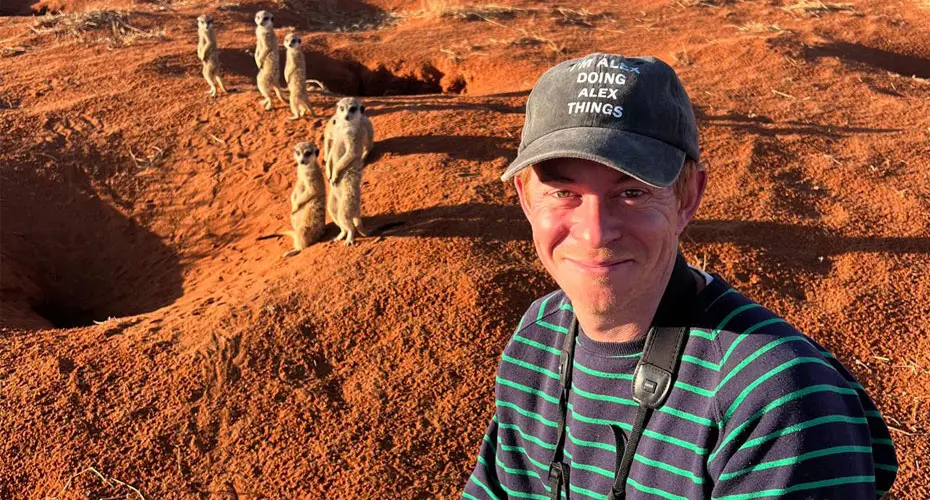
Professor Alex Thornton's research seeks to understand how the challenges faced by animals in their natural environments shape their mental processes, how the ability to learn from others affects the behaviour of individuals and groups, and how culture itself evolves. Work in his group incorporates approaches from evolutionary biology, psychology and anthropology and work on a range of different study systems. Current work focuses on cognition and behaviour in wild jackdaws (https://www.wildcognitionresearch.com/cornish-jackdaw-project) and the applications of cognitive research to promote animal conservation.
Professor Annette Broderick
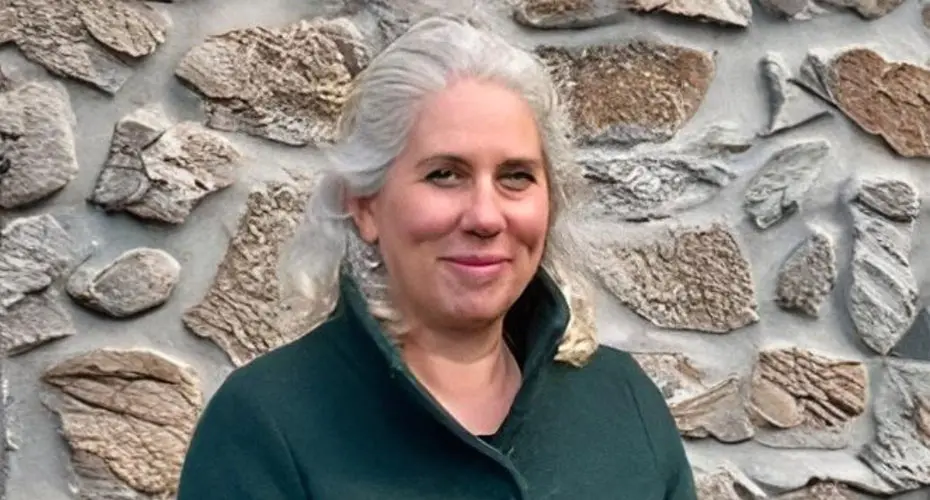
Professor Annette Broderick’s research focuses on understanding how threats such as climate change and fisheries impact long-lived marine species of conservation concern. To do this requires an understanding of their behaviour, distribution, the timing of events, and how individuals vary in life history traits such as age at sexual maturity. These all impact the recovery potential of species and a greater understanding allows for more accurate population models and stock assessments, and evaluation of the impacts of threats. She mostly studies marine turtles, sharks and humans.
Dr Bram Kuijper
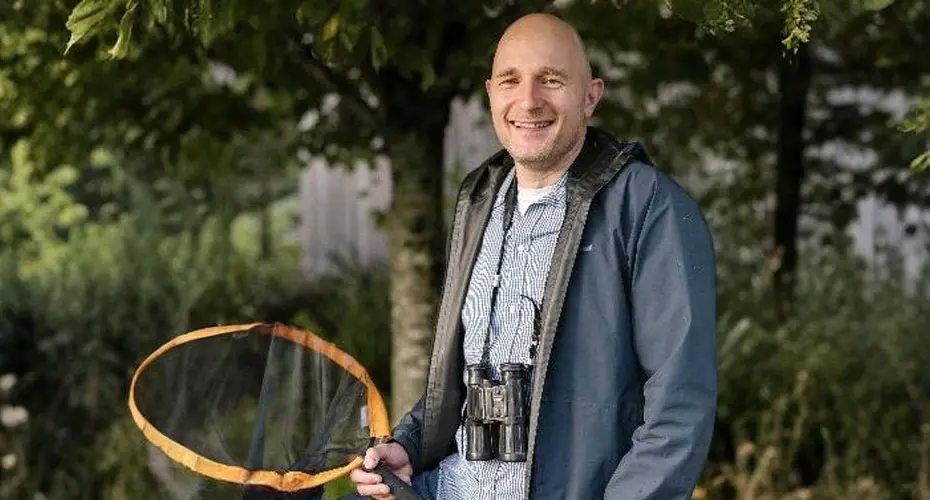
Dr Bram Kuijper’s research uses computer models and insect model systems (bumblebees and crickets) to study a range of questions in evolutionary biology: for example, how do organisms avoid getting killed by pesticides or how do individuals deal with (chronic) stress.
Professor Alex Mesoudi

Professor Alex Mesoudi studies the evolution of human culture, and how human culture itself evolves over time. He uses theoretical models, lab experiments and analyses of real-world data to study when and why we learn from others, who we learn from, and how these social learning dynamics translate into large-scale patterns of cultural change and cultural diversity. Previous projects have examined the evolution of human technology, the evolutionary dynamics of human migration, and how prestige hierarchies affect social learning.
Professor Neeltje Boogert
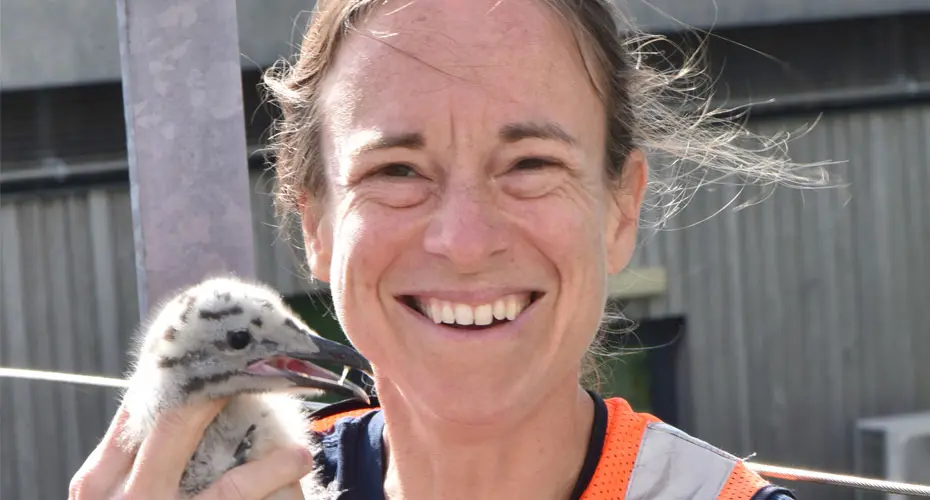
Professor Neeltje Boogert is interested in anything related to animal behaviour, especially cognition and social behaviour. She studies why certain animal species thrive while others go extinct in anthropogenic landscapes. Currently she focuses on human-wildlife conflict in herring gulls, investigating which human cues gulls use to exploit human resources, and how humans can change their behaviour to mitigate this conflict.
Professor Nick Royle
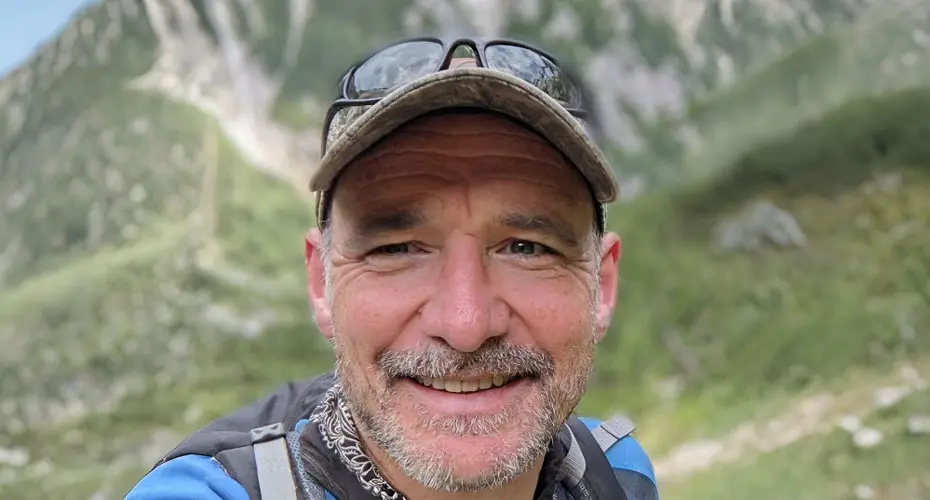
Professor Nick Royle’s behavioural and evolutionary research centres on addressing how organisms adapt to changes in their (social) environment, with a particular focus on parental care and sexual selection. He mostly uses burying beetles in the lab or the field to address these questions, but also works on the behaviour, ecology, conservation and management of various other organisms, particularly beetles, currently including blue ground beetles and various species of dung beetles.
Professor Tom Tregenza
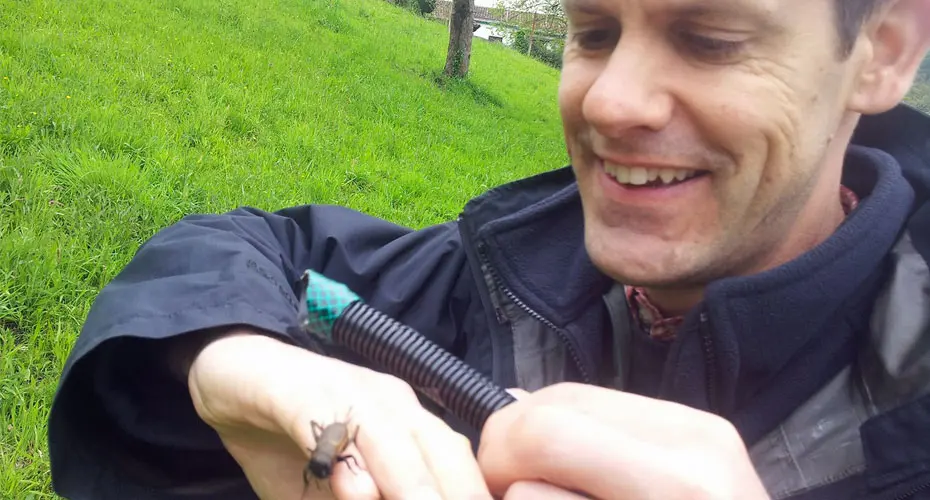
Professor Tom Tregenza is interested in how evolution shapes the biodiversity and behaviour of animals. He uses insects and other terrestrial and marine model systems to understand questions about the life histories of animals and how they adapt to their environments. His work on the extraordinary behaviour of cephalopods has inspired two episodes of “Octonauts”.
Professor Laura Kelley
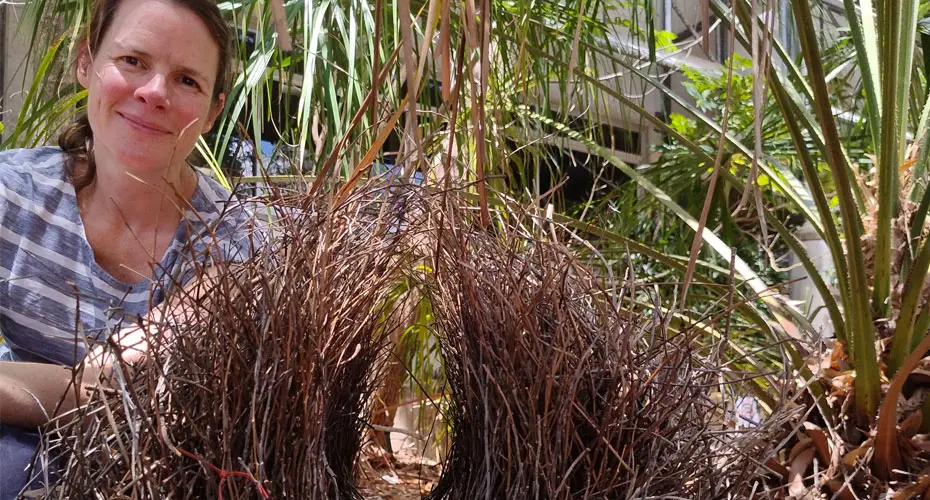
Professor Laura Kelley’s research broadly focuses on how animals use their senses to interpret the world and how this shapes the production, perception and evolution of signals. Current research themes investigate how animal visual signals can exploit perceptual processes during mate choice and predator-prey interactions, and how such signals evolve. She primarily works on birds (bowerbirds and gulls), fish and various invertebrates.
Professor Jolyon Troscianko

Professor Jolyon Troscianko models animal vision to see the world through the eyes of a huge range of species, and test how this affects their behaviour, evolution, survival, and conservation. Examples include the impact of light pollution on moths, or the role of camouflage in ground nesting bird survival, or the role of butterfly wing patterns in confusing birds.
Professor Barbara Tschirren

Professor Barbara Tschirren’s research combines ecological field work with wild birds and mammals, molecular techniques and evolutionary theory to understand why some individuals and populations are more susceptible to disease than others, and how environmental change affects the interactions between hosts and their parasites, and the risk of zoonotic disease emergence.
Fieldwork
We pride ourselves on offering an extensive range of field courses across our Ecology and Conservation degrees with exciting local, national and international destinations.
These field courses not only allow you to apply the knowledge gained in the classroom to real-world situations in superb locations, but also provide a fantastic opportunity to forge lasting relationships with fellow students and academics.
The residential field courses are an opportunity to apply your field skills first-hand in environments studied by our world-leading ecological researchers. They are designed to complement your degree and highlight conservation issues at the forefront of the subject for terrestrial and marine species and habitats.
» Read more about our field courses
Please note, whilst a compulsory field course is included in the tuition fee, some optional/alternative field courses may incur additional costs. Field course destinations are subject to change.
Learning and teaching
Learn from experts
We believe that every student benefits from being part of a culture that is inspired by research and being taught by experts. You will discuss the very latest ideas in seminars and tutorials and be an active member of a research team. Our academics bring their results from the laboratory and the field directly to their teaching, and our students also help to collect this data.
We have very close links with a wide range of conservation organisations in the UK and overseas, such as the British Trust for Ornithology, Cornwall Wildlife Trust and Marine Conservation Society. These links mean you will benefit from frequent guest lectures, placement opportunities and project work.
Assessment
Your first year does not count towards your final degree classification, but you do have to pass it in order to progress. All marks after your first year count towards your final classification.
Modules are assessed using a variety of methods including essays, exams, presentations, laboratory reports and a dissertation.
Taking modules outside of your programme
Depending on your programme you can take up to 30 credits each year in another subject, for instance a language or business module, to develop career-related skills or widen your intellectual horizons.
Proficiency in a foreign language
You can boost your employability by using up to 30 credits each year to study a foreign language. If you study the language for more than one year you may be entitled to have ‘with proficiency in’ added to your degree certificate. The Foreign Language Centre will be offering modules in French and Spanish language from complete beginners up to advanced levels, plus German and Mandarin Chinese from beginner’s level.
If you achieve at least 60 credits in a language via our Foreign Language Centre you may be able to have the words ‘with proficiency in’ and the language added to your degree title.
Further details can be found on the Foreign Language Centre web pages.
Proficiency in Law
Students on this course are now able to add ‘with proficiency in Law’ to their degree title, by gaining a strand of additional legal knowledge and skills that adds value to their degree.
The ‘With proficiency in Law’ modules being offered to non-law students provide a theoretical and technical basis for understanding the regulatory and legal frameworks that you might encounter within your main field of study. These modules lend themselves strongly to students wishing to develop their skillset to work across the environment and sustainability sector and in wider business.
If you accrue at least 60 credits in elective law modules you will have ‘with proficiency in Law’ added to your degree title.
Academic support
- Personal Tutor: You will have a Personal Tutor available for advice and support throughout your studies.
- Study skills: Help with essay writing, research skills, time management, presentations and more.
Peer mentoring
- All first-years will have the opportunity to join dynamic weekly groups, hosted by both second-year and PhD Biosciences students in Cornwall, which span a range of key areas, such as
- Social and pastoral care
- Key skills
- Employability
- Discipline specific support
- These groups allow you to benefit from advice from your more experienced peers, helping ease your transition into university life.
- The subject of the inaugural meeting is decided by the group leader, but you can then suggest subsequent session topics, so sessions are tailored to your direct needs.
- Social media groups, such as on Facebook and Google, are also used for continued group discussions and communication outside of the weekly meetings.
- There are direct links between session content and modules, which immediately follow lectures where possible.
Facilities
Our facilities include:
- Teaching laboratories
- Computing suites
- Field equipment for research projects
- Library and online resources
Optional modules outside of this course
Each year, if you have optional modules available, you can take up to 30 credits in a subject outside of your course. This can increase your employability and widen your intellectual horizons.
Minors: Future Skills Pathways
You can study a Future Skills Pathway alongside your main degree by choosing up to 30 credits of modules from a different subject area in your second and final years.
The Ecology and Conservation staff at the Penryn Campus are extremely helpful and always willing to go above and beyond to make sure we have the correct support. Generally any issues we have can be sorted and the lecturers care about (and can recognise) every individual student. I feel honoured to have studied under such leading scientists.
Ecology and Conservation undergraduate student, Penryn Campus

Your future
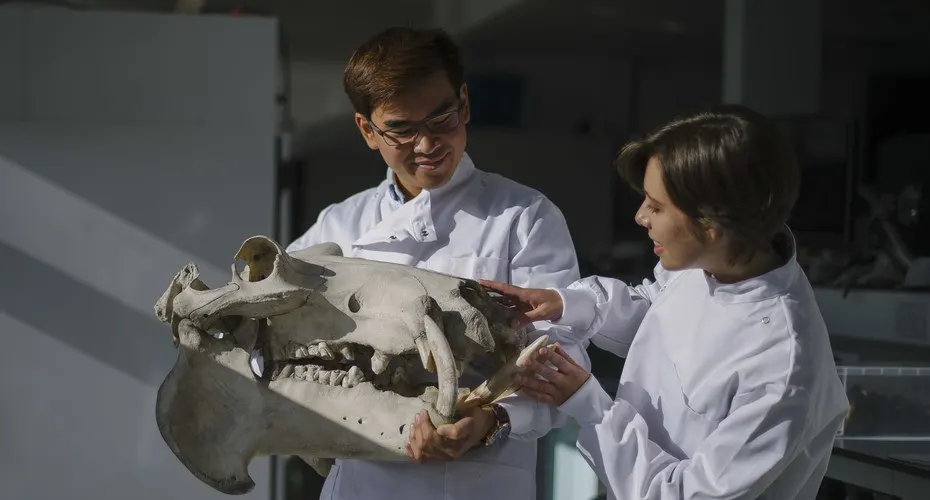
Employer-valued skills this course develops
A degree in Ecology and Conservation will help you to develop a wide range of essential skills such as analytical problem-solving, teamwork and organising and communicating information.
Many of our students continue their studies in the subject by following a further degree and research in their chosen area.
Supporting your career in Ecology and Conservation
Each year Ecology and Conservation students are able to access a huge range of opportunities to support their future career options.
Sector-related careers and employability sessions are put on for students during their studies which include:
- career talks and networking events with visiting alumni and employers from a range of backgrounds,
- employability seminar series events hosted by employers,
- ‘Dragons Den’ style assessment days,
- mock interviews
- and an annual Careers Fair where students can develop networking skills.
Careers Services
We have a dedicated, award-winning Careers Service ensuring you have access to careers advisors, mentors and the tools you need to succeed in finding employment in your chosen field on graduation. We offer the Exeter Award and the Exeter Leaders Award which include employability-related workshops, skills events, volunteering and employment which will contribute to your career decision-making skills and success in the employment market.
The University of Exeter has an excellent reputation with graduate recruiters and our students and graduates compete very successfully in the employment market. Whatever path you wish to follow, we’re here to help and support you with all your career and employability needs.
Career paths
Many of our graduates are employed in discipline-relevant roles in the UK and overseas including laboratory-based positions, conservation management, ecology, teaching and nursing. Others use the skills gained on their course to enter widely different career paths in law, business or management.
Whatever you choose to do after graduation, your Ecology and Conservation degree will stand you in good stead, with excellent employment prospects and transferable skills.
Below are a few examples of initial jobs undertaken by graduates from our Ecology and Conservation undergraduate programmes*.
Recent graduates are now working as:
- Conservation professionals
- Biological scientists
- Environment professionals
- Laboratory technicians
- Welfare and housing associate professionals
- Web design professionals
- Public relations professionals
- Photographers, audio-visual and broadcasting equipment operators
- Archivists and curators
Recent graduates are now working for:
- AECOM
- Cornwall Science Community
- Darwin Ecology
- Ecology Solutions
- Fishtek Consulting
- Harris Lamb Property Consultants
- Natural England
- Society for the Protection of Turtles
- UKSTEM Ltd
- World Wildlife Fund
*This information has been taken from aggregating the responses from full-time, first degree, UK domiciled students who completed 2017/18 and 2018/19 Graduate Outcomes surveys. Please note that, due to data protection, the job titles and organisations are listed independently and do not necessarily correspond.
Find out more about studying at Exeter








Sign-up for more information about studying with us
If you're thinking about studying MSci Animal Behaviour with us, signing up to our emails is the best way to discover if we’re the right university for you.