What we are doing

Our Climate Strategy
In 2019 the University declared a climate emergency following production of a Climate Emergency White Paper. The University’s Strategy 2030 commits the University to lead meaningful action against the climate emergency and ecological crisis.
In October 2025 we launched our new Climate Strategy. The Strategy places direct emissions reduction at its heart and, using the latest climate science, realigns our net zero target to 2050 across all scopes with a clear focus on reducing our emissions rather than offsetting them.
The strategy was developed with the University’s Advocate Climate Taskforce (ACT) and Climate and Environmental Crisis (CEC) Board, each comprising world-leading experts and professionals from a wide range of fields, and refined through extensive internal and external consultation.
FAQs
How was the new Strategy developed?
The Strategy was developed with the University’s Advocate Climate Taskforce (ACT) and Climate and Environmental Crisis (CEC) Board, each comprising experts and professionals from a wide range of fields. It was refined through extensive consultation where staff, students and external stakeholders could feedback via online panel events and an online survey.
Who approved the new Strategy?
The Strategy was approved by University Council in July 2025.
Has an Equality Impact Assessment has been undertaken on this Strategy?
An Equality Impact Analysis (EIA) has been undertaken as part of developing this Strategy. This did not identify any significant impacts on individuals of the Climate Strategy document itself. All projects that will contribute to achieving the net zero target are subject to approval via the University's normal governance process which will include considering EDI issues, and may include undertaking a project specific EIA.
Why are we changing our target?
Six years ago, we declared a climate emergency and set a strategic goal to reach net zero carbon. Since then, our academics have played a vital role in ensuring that our work towards achieving net zero remains grounded in the most current and robust climate science. Now we are relaunching our Climate Strategy, following the lead they have set, with a clear focus on reducing our emissions rather than offsetting them.
What is a Science-Based Target?
Science-Based Targets are recognised internationally as they are grounded in the latest climate science and support the goals of the Paris Agreement, which aims to limit global warming to 1.5°C above pre-industrial levels.
We have developed a set of Science-Based Targets to guide our journey to net zero using the principles of the Science Based Targets Initiative’s (SBTi’s) framework. Higher Education sits outside of the scope of SBTi validation but by generally following their criteria and recommendations, we have set targets that are robust and in line with current scientific thinking.
Why are we using a Science-Based Target approach?
SBTi helps corporations set targets that are in line with the IPCC 1.5°C projections by 2050. SBTi provides a clearly defined science-aligned framework for reducing greenhouse gas (GHG) emissions as well as credible clear actionable targets with guidance on how offsetting can be used. The use of the 1.5°C trajectory is in response to the increasing urgency of climate action and aligns with the latest climate science. Exeter academics contribute to the understanding of climate science and the global projections and it is appropriate that we use this understanding in setting our target.
Why has 2050 been chosen as our net zero target date?
We have aligned our target setting with the Science-Based Target Initiative. Using their framework, our science based targets are:
- Near-term target: To reduce emissions by 26% by 2030 from 104,043 tCO2e in 2023/24 to 76,856 tCO2e in 2029/30 for all scope 1, 2 and 3 categories, with the exception of international student out-of-term travel.
- Long-term target: To reduce absolute emissions across all scopes from 145,717 tCO2e in 2023/24, including international student out-of-term travel, by at least 90% by 2050 and use insetting to achieve the balance to net zero.
Will the change in target affect our rankings?
The date of a net zero target is a factor in some international sustainability rankings. However, it is one of many metrics and we don’t anticipate that it will have a material impact on our position within these rankings.
How does our net zero target compare to other universities' targets?
There is a wide variety of targets within the higher education sector with net zero target dates ranging from 2030 to 2050. Targets also vary in terms of what is in scope with some net zero targets only covering scopes 1 and 2, with others covering all scopes. We align our reporting with the Standardised Carbon Emissions Framework (SCEF) and include all aspects of our carbon footprint within our target. Race to Zero Universities and Colleges is a UN-backed global campaign that engages universities and colleges across the world in taking concrete steps towards decarbonisation. Their website includes targets and plans from current signatories.
Do we know what students think about the change of target?
Students were invited to provide feedback on the draft Strategy. 61% of students responding to the consultation supported the draft Climate Strategy. 83% of students supported the University’s strategy to reduce emissions but think we should be seeking to reach net zero earlier than 2050. A further breakdown of the consultation responses is available here.
Why does our new target exclude offsetting?
A two-year review, undertaken by a group of world-leading scientists and chaired by Professor Peter Cox CBE, Professor of Climate System Dynamics, concluded that at this time offsetting schemes lack the credibility, permanence and verifiability essential for genuine emissions cuts. Their recommendation was to remove offsetting from the University’s current approach to net zero, concluding that by focusing on real reductions in emissions, rather than uncertain offsets, the University would uphold integrity in its approach to climate action. Meanwhile our academics are pioneering innovative and responsible carbon dioxide removal (CDR) methods to raise global standards of credibility and accountability, with the aim of enabling credible offsetting in the future.
How is the University going to deliver on its targets?
We are adopting a whole institutional approach to delivering on our targets. See section 11 of the Strategy document. The Climate Strategy is underpinned by detailed action plans across all faculties and professional services, each developed collaboratively by respective Sustainability Committees, reporting on progress annually to the Advocate Climate Taskforce, alongside several Task and Finish Groups made up from experts within the University.
How do we change culture around sustainability? I believe adapting people's behaviour is one of the more challenging aspects but could have significant impact.
Significant cultural change will be required to deliver on the Climate Strategy and involves changes to ways of working and decision making. A Culture Change for Sustainability Task and Finish Group is being established to support the development of a Culture Change Programme.
What is your immediate priority for the next steps in the Climate Strategy?
Our immediate priority is on delivery. Our whole-institutional approach means that we can progress delivery across all aspects of the Climate Strategy including through our Thematic Forums, Task and Finish Groups and Faculty and PS Sustainability Committees.
We are also looking at how we can continue to improve the reporting of our carbon footprint, making it more transparent and how we can use this information to support decision making and behavioural change.
How you will better support faculties and departments to advance sustainability?
Faculties and Professional Services have set up Sustainability Committees and developed local sustainability plans focussing on what they can control, influence or change as a means of contributing to meeting the University's sustainability commitments.
The Sustainability Projects Fund can be used to support projects aimed at helping the University meet its sustainability commitments. It is open for applications until 21 October 2025.
When will the University's research partnerships align with the University's stated SDG goals?
The University’s Partnership Principles were developed by a working group composed of staff from across the University, including representatives from the Senate, the Exeter Students’ Guild and the Falmouth and Exeter Students’ Union. They have been developed to guide our decisions on the agreement of any new partnerships that we enter into. This will ensure that our partnerships align with our core values and the goals of Strategy 2030, ensuring they reflect our commitment to use the power of our education and research to create a sustainable, healthy and socially just future.
What is being done to control energy use on campus? I have no control over the heating in my building and it can often be too hot or too cold, with windows being opened in winter to help cool areas down.
The Infrastructure Decarbonisation Masterplan (IDM) is our evolving programme of works to deliver multiple projects focussed on reducing fossil-fuel consumption and energy-related carbon emissions across our estate. It includes sections on interventions, tested scenarios and their outcomes, and an implementation plan (sections 6 to 9) and reduction trajectory.
The University is partnering with Exeter Energy to transition our buildings to a low-carbon heat network, replacing existing fossil fuel-based heating systems. As part of this initiative, we are upgrading and adapting our buildings to enhance energy efficiency, improve control systems, and ensure compatibility with low-temperature heating provided by heat pumps.
In parallel, we are implementing a comprehensive LED lighting replacement programme, aiming to phase out all fluorescent lighting by 2028. This includes the installation of advanced lighting controls—such as automated systems, daylight-responsive dimming, and presence detection—in appropriate areas to further reduce energy consumption and improve user comfort.
The University acknowledges that issues occur which may affect your living and working environment. To ensure a timely resolution, students should report any faults directly to their Residences Reception. For problems affecting wider campus buildings, staff should contact the Campus Services Helpdesk. The Helpdesk team will investigate the issue and arrange any necessary repairs.
What is being done to use our space more efficiently as this will enable us to reduce energy consumption and resource use?
The University is actively pursuing more optimised use of space to reduce energy consumption and resource use. This includes assessing utilisation to identify underused areas and aiming to consolidate activities into fewer zones during low-occupancy periods. By doing so, the University can reduce operational demands such as heating, cooling, lighting, and cleaning.
In addition, smart building technologies such as occupancy sensors and automated environmental controls are being deployed to ensure energy is only used when necessary. Aligning use of space across the week and year with patterns of flexible working and teaching requirements, including increasing the sharing of workspaces aims to further support optimisation of our Estate. Our teaching spaces are already some of the most intensively used in the sector and as we drive to improve student experience and research power, we aim to do so without increasing our overall carbon footprint wherever possible.
These measures align with the University’s broader sustainability goals and commitment to reducing its environmental impact.
How will the University influence and reduce scope 3 emissions, particularly those outside its direct control (e.g. commuting, procurement, investments, travel)?
The University will reduce scope 3 emissions through targeted action in procurement, travel, commuting, and investments, focusing on influence and collaboration where direct control is limited. This includes embedding low-carbon requirements in purchasing, engaging suppliers to cut value chain emissions, and aligning investments with responsible funds.
For travel, we will promote virtual collaboration, set sustainable travel guidelines, and improve options for low-carbon commuting through infrastructure improvements and public transport partnerships. Accurate data will guide action, track progress, and target high-impact areas, enabling the University to work with staff, students, suppliers, and partners to drive reductions across its communities.
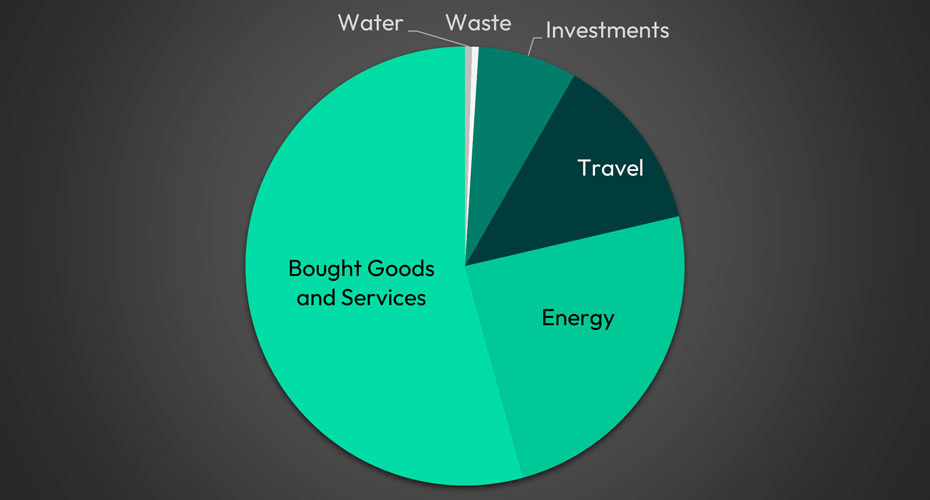
It looks like a huge amount of our carbon footprint is due to bought goods and services. How much power do we have over this? Or are we reliant on manufacturers and service providers to decarbonise in order for us to meet our targets?
While we can’t directly control how goods and services are produced, we have strong influence through what and how we buy. Clear low-carbon requirements, contract management, and sector-wide collaboration can drive suppliers to change. Ultimately, meeting our targets relies on both our procurement choices and manufacturers’ and service providers’ progress in decarbonising.
What is the University's response to the use of generative AI's negative effect on the environment?
The University recognises that generative AI technologies can have substantial environmental impacts, such as increased energy requirements, water use for data centre cooling, and resource use throughout their supply chains. As part of our commitment to environmental stewardship, our recently established AI policy places sustainability as a core value, guiding all decisions around the adoption and implementation of AI systems.
Our Digital, IT, Procurement and Sustainability teams work collaboratively to minimise the environmental impact of AI. This involves:
- Prioritising energy-efficient AI models and computing infrastructure.
- Considering environmental criteria when procuring AI or digital services.
- Encouraging the use of renewable energy and responsible disposal of electronic equipment.
The University is committed to ongoing review and transparent reporting on AI-related environmental issues, ensuring that advances in technology are balanced by responsible and sustainable choices.
How is the University aiming to reduce emissions related to out-of-term student travel? Does the planned trajectory of emission reduction count on the decarbonisation of the aviation industry and if so, is this realistic?
We will be engaging with students, starting with the student representatives on ACT and the CEC Board, to explore opportunities to reduce emissions relating to out of term student travel. This may include incentives for more sustainable forms of transport, considering what may encourage students to remain on campus during some of the holidays and expanding our trans-national education. The projected emissions reduction trajectory does take account of the decarbonisation of the aviation industry. It utilises the Jet Zero government strategy which is an investment pathway set out by the UK government to achieve a net zero aviation by 2050 and based on a range of information both within and outside of the industry.
What options are being considered to improve the paper/card/plastic recycling rate on our campuses? The bins currently provide within buildings at Streatham don't allow for paper/card waste and much of the plastic food packaging from campus outlets is the wrong size/shape for easy disposal in the bins provided.
We are moving to a simpler recycling system that will collect more paper and card, with new bins planned for key locations. Food recycling will also be expanded across campus, and packaging choices in outlets will be reviewed to ensure they match what our recycling system can process
Is the University considering financial incentives to encourage train travel for business purposes?
The Offsetting Task and Finish Group is investigating the adoption of an Internal Carbon Price (ICP). This internal mechanism would be cost-neutral and would transfer funds from high carbon activities to low carbon alternatives, acting as a decision-making aid to incentivise carbon reduction efforts. This internal carbon price could be applied to flights and this ‘pot’ used to support decarbonisation efforts including, for example, subsidising low carbon travel if this is more expensive.
Why isn’t catering for all events on campus plant-based by default?
The University’s Catering and Retail Services Team are working hard to reduce the carbon footprint of our catering and make it more sustainable. Further information is available here. In 2023-24 32% of total meals served were vegan and vegetarian options, a 22% increase on the year before, and 11% of all milk used was plant based. The team need to respond to consumer demand and this is where culture and behavioural change comes into play. Increasingly, departments and faculties are ordering vegetarian and vegan catering as default or asking attendees to opt-in for a meal option. For example, the HLS Sustainability Plan includes have meat free catering for internal meetings and a meat-second policy for external events.
What is insetting?
Insetting is the reduction or removal of greenhouse gas emissions within an organisation’s own value chain, rather than paying for reductions elsewhere. Unlike offsetting, which typically funds projects unrelated to the organisation’s operations, often in other regions or sectors, insetting focuses on activities directly linked to how we operate, buy, or the impact we have in our local area. This means the environmental and social benefits are more closely connected to our core activities, stakeholders and civic partnership initiatives.
What insetting options are the University considering?
At the University, we are exploring insetting options such as working with suppliers to cut emissions in the goods and services we purchase, supporting decarbonisation activities in our local community and restoring habitats on land connected to our operations, and improving building efficiency in leased or partnered spaces.
How will the University verify savings from insetting projects?
Savings from insetting projects will be verified using robust carbon accounting methodologies aligned with recognised standards (e.g. GHG Protocol), supported by evidence such as activity data, supplier reporting, and independent validation where appropriate. This ensures claimed reductions are real, measurable, and additional to business-as-usual activity.
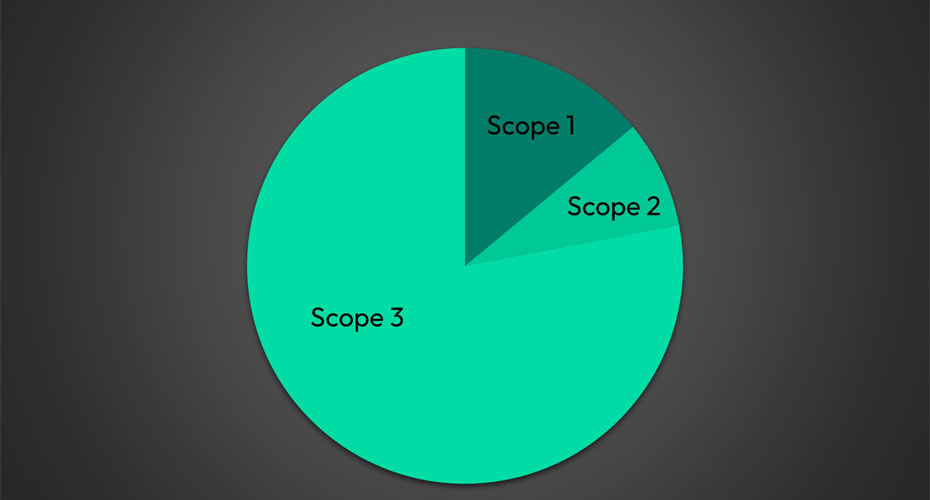
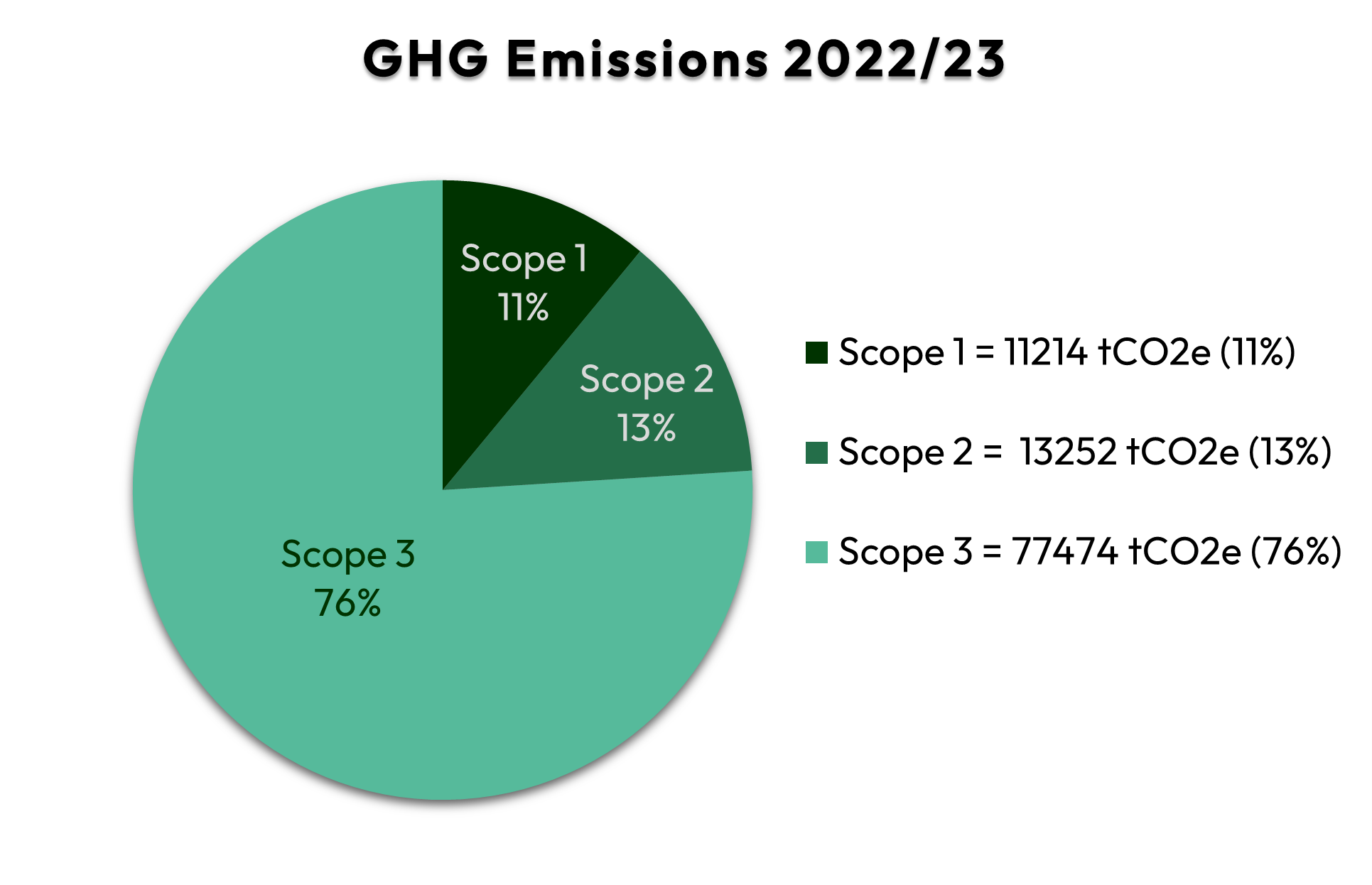
What are scope 1, 2 and 3 carbon emissions?
Scopes of carbon emissions classify greenhouse gas emissions into three categories based on their origin:
- Scope 1: Greenhouse gas emissions that we make directly from sources that we own or control, such as burning fuel in boilers or vehicles.
- Scope 2: Emissions we cause indirectly, such as from the purchase of electricity, steam, heat or cooling.
- Scope 3: Includes all the other emissions for which we are indirectly responsible, for example buying products from our suppliers, travel on University business or commuting
What are Power Purchase Agreements and Renewable Energy Guarantees of Origin (REGO) backed tariffs?
A Power Purchase Agreement (PPA) is a long-term contract between an energy buyer and a renewable energy producer for the purchase of electricity generated by a specific renewable asset, such as a wind farm or solar park.
Renewable Energy Guarantees of Origin (REGO) is a certification scheme run by Ofgem in the UK, providing a certificate for every megawatt-hour (MWh) of renewable electricity generated. Suppliers use REGOs to evidence that the electricity they sell is matched by generation from renewable sources.
How do these (PPAs and REGOs) affect our carbon reporting?
Within our reporting we have opted to use market-based reporting as described by GHG protocol. Under this protocol both Power Purchase Agreements and Renewable Energy Guarantees Origin are reported as zero carbon (their carbon per kWh factors being 0).
How do we measure our carbon footprint?
We report our carbon emissions following the GHG protocol and EAUC Standardised Carbon Emissions Framework (SCEF).
We report annually within our annual reports and accounts for our Scope 1 & 2 emissions and within our sustainability report for are full Scope 1, 2 and 3 emissions.
Our Scope 1 and 2 emissions are subject to external audit the report and the methodology for calculation of our Scope 1 & 2 emissions can be found here.
How have we modelled our future carbon trajectory?
The assumptions and interventions discussed within the climate strategy are listed here.
How will the University report progress against its targets?
We will report publicly in the University’s Annual Sustainability Report. This report is presented to UEB and Council prior to publication.
What is the governance structure?
The Climate and Environmental Crisis Board is accountable for ensuring the Strategy is implemented and its Chairs, the Senior Vice-President and Registrar, and Senior Vice-President and Provost, are the Sustainability sponsors on the University Executive Board (UEB).
The Sustainability Governance structure is available here.
How can staff and students submit ideas?
We welcome ideas about how the University can reduce its carbon footprint. Please email these to sustainability@exeter.ac.uk or raise with the relevant Faculty/PS Sustainability Committee.
How can I get involved?
There are many ways in which staff and students can get involved in reducing the University’s carbon emissions from getting involved in our initiatives and groups to considering carbon emissions within your own decision making on matters such as what you buy and if and how you travel.
You could get involved in your faculty or the Professional Services Sustainability Committee.
For further information and ideas, see the Sustainability website or contact the Sustainability Team on sustainability@exeter.ac.uk.
Students have shared their experience of getting involved in our projects.
What were the results of the consultation?
Overall, there was a strong level of support for the draft Climate Strategy demonstrated through:
- 3 in 5 respondents are familiar with the University’s approach to combatting climate change .
- Over half (54%) are highly supportive of the draft Climate Strategy (scoring 8-10) with a further 31% neutral (scoring 6-7) .
- 87% support or are likely support the adoption of a science-based approach to target setting .
- Whilst 88% support the University’s ambitions to reduce emissions, over half would like to see net zero reached earlier than 2050. Students (83%) are more likely than academics and PS staff to want an earlier net zero target .
- 86% agree or tend to agree with the reasons why the University is moving away from carbon offsetting. A third would like to be more informed .
- Over half (52%) feel it is likely the draft delivery plan will be successful. 3 in 5 (63%) would like more information .
- 90% agree that we all have a responsibility to tackle climate change through our individual choices .
A summary of the feedback to the consultation is available here.
Environmental Management System
An Environmental Management System (EMS) is a formal system which enables organisations to control and improve their environmental performance and ensure we comply with environmental legislation. Environmental Management Systems are based on the Deming Cycle of Continual Improvement and are similar to systems used for health, safety and quality management.
The University of Exeter has implemented an EMS for Finance, Infrastructure and Commercial Services (FICS) certified to ISO 14001:2015 see the British Assessment Bureau Certificate. The FICS Environmental Management Policy outlines the goals, responsibilities, aims and commitments that have been adopted within the EMS to cover the activities, services and operations within FICS. It is one part of the University's wider Environment and Climate Emergency (E&CE) response and action.
The University is now working on extending the EMS to all faculties and divisions across Exeter campuses, in support of the Environmental and Climate Emergency Policy aims:
- Aim 3: Demonstrate commitment to managing, minimising and mitigating the impacts from operations, activities, research and education.
- Aim 6: Demonstrate compliance with all relevant legislation as a minimum, and where possible go beyond it.
The EMS helps identify areas where efficiency can be improved and savings made. Areas where tangible benefits and financial savings can be achieved are waste management, energy consumption, transportation, packaging and materials use.
The other major benefits are:
- improved compliance with environmental legislation
- regulator assurance
- reduced insurance risks
- reduced environmental risk
- demonstration of environmental commitment to stakeholders
- support funding bids and invitations to tender
- demonstration of green credentials to attract staff, students and business customers
- enhanced environmental awareness within the University community
- opportunities for research and student projects
- consideration and identification of our environmental aspects & impacts
Further information, including EMS procedures and supporting documentation, is stored on SharePoint and accessible to University of Exeter colleagues. This site is managed by the Sustainability team. For further information or queries relating to the EMS, please contact our Sustainability team: sustainability@exeter.ac.uk
Sustainable Development Goals (SDGs)
The United Nations Sustainable Development Goals (SDGs) are a set of 17 goals which provide a shared blueprint for peace and prosperity for people and the planet, now and into the future. They are at the heart of 'the 2030 Agenda for Sustainable Development', which was adopted by all United Nations Member States in 2015.
With the backdrop of the climate and ecological crisis, inequality and poverty, the transition to a more sustainable way of life is more important than ever and education is key to catalysing shifts towards more sustainable behaviours and lifestyles.
As a University we are committed to embedding the SDGs across all courses and the experience of our staff and students. Our Annual SDG Report together with the vodcasts below, highlight how we are approaching and contributing to the delivery of each.