Why study MSc Marine Environmental Management at Exeter?
Explore the relationships between coastal and marine ecosystems and human activity
Includes an international field course to the Maldives with up to ten dives possible and UK-based fieldwork. Please note, a low-carbon alternative programme is also available.
Gain transferable skills for marine environmental management, and learn to use 'R' and GIS
Dissertation can involve an external placement
Delivered by internationally recognised experts in a location surrounded in coastal and marine biodiversity
Due to the high demand for this programme we highly recommend that you apply early. Applications can be made from September for entry the following year. If we experience high demand it may be necessary for us to operate waiting lists or close the programme.
Top 20 in the UK for world-leading research in Biological Sciences
REF 2021, based on 4-star research
2nd in the world for Ecology
Shanghai Rankings Global Ranking of Academic Subjects 2025
90% of our Biological Sciences research is internationally excellent
Based on research rated 4* and 3* in the Research Excellence Framework 2021
High-quality research supervision, with access to excellent facilities
Entry requirements for 2027 entry
A 2:1 degree or above in a relevant science subject* is normally required. We will be happy to consider applicants with a non-scientific background who have a strong academic profile and/or significant relevant work experience of 2+ years, on individual merit.
The ocean covers 71% of the surface of the Earth, but when depth is accounted for, occupies 97% of the volume of the biosphere. This means that the sea and life within it has a profound influence on the processes which keep the planet habitable. Yet until recently the ocean has been neglected in terms of management and protection, despite growing evidence of adverse impacts from a long list of human influences, such as overfishing, habitat damage and biodiversity loss, pollution, and climate change.
Global attention is now turning rapidly to how to safeguard ocean life and the people and industries that depend on it, leading to increasing demand for trained practitioners of marine environmental management. MSc Marine Environmental Management delivers this training, giving you a thorough grounding in a wide diversity of marine ecosystems, their ecology, functioning, and values to people.
The programme explores the diverse ways in which human activities affect marine life and introduces management approaches to alleviate pressures from activities such as fisheries, tourism, coastal development and climate change. It examines in depth the science and practice of creating and managing marine protected areas to safeguard marine life and promote human livelihoods and wellbeing.
The modules we outline here provide examples of what you can expect to learn on this degree course based on recent academic teaching. The precise modules available to you in future years may vary depending on staff availability and research interests, new topics of study, timetabling and student demand.
The modules below provide examples of what you can expect to learn on this degree course based on recent academic teaching. The precise modules available to you in future years may vary depending on staff availability and research interests, new topics of study, timetabling and student demand.
MSc Marine Environmental Management with International field course
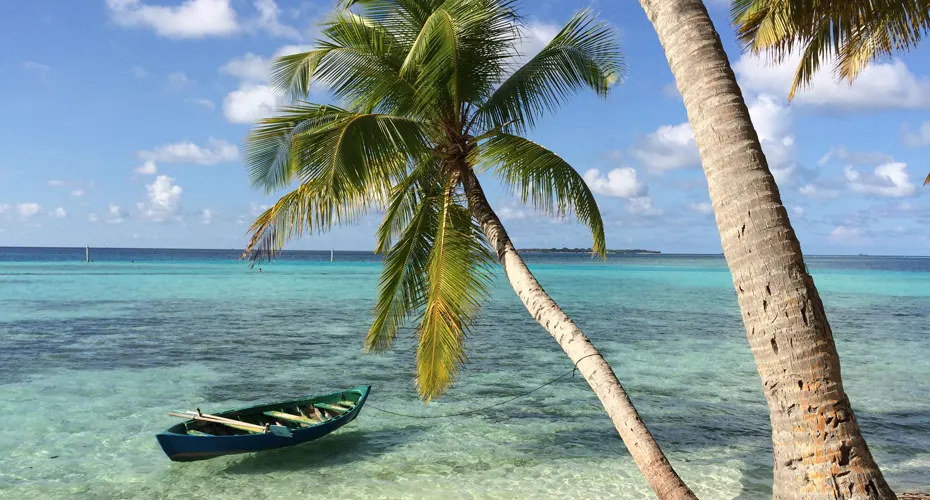
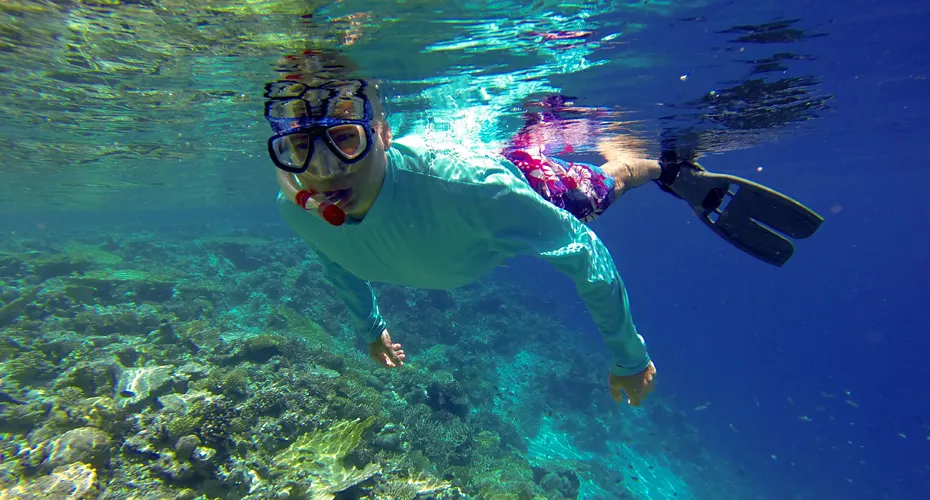
Fieldwork is an integral part of the programme, and the field course to the Maldives will allow you to learn about the wonder of Maldivian coral reefs, their rich biodiversity, structure, functioning, threats from climate change, and management needs. Daily practicals will involve snorkelling and also some diving for those with a Rescue Diver qualification. During these you will practice a variety of the reef survey techniques taught. Impacts of climate change and capacity for reef recovery are evident during fieldwork and your data will contribute to long-term monitoring of the reefs. Topics covered in daily lectures will include coral reef ecology, human impacts to reefs, and taxonomy.
If you want to dive in Maldives, you will need to have a diving certification to the level of “Padi Rescue” or its equivalent and to have completed at least 15 dives, for which qualifying dives count towards the total. Also, if you have done less than 20 dives, your last five must have occurred within 6 months of the start of the field course, which will begin in early April. The cost of diving is covered by MSc fees for appropriately qualified people, although everyone must provide their own mask, fins and snorkel. If you don’t have the criteria to dive, you can do all the module’s practical work via snorkelling
MSc Marine Environmental Management with UK field course
In line with our commitment to tackling the global climate emergency, we also offer Marine Environmental Management with a low-carbon UK field course destination.
This programme also offers lower tuition fees. The UK field course allows you to consider the meaning of the world 'wild' in Britain.
Topics will include exploitation of the UK's ecosystems, global policy impact and the behaviour and ecology of the UK's fauna and flora. This residential field course will perform a transect through the United Kingdom's hotspots of marine and terrestrial biodiversity, human-wildlife conflict and ecological restoration. You will see endangered UK wildlife, and meet a variety of stakeholders including: National Park authorities; farmers; Natural England employees; conservation charity managers; people delivering species translocations; researchers; ecological consultants; tourism operators and the general public.
When participating in field courses, you may be required to provide your own specialist personal equipment appropriate to the field course destination, e.g. walking boots, rucksack.
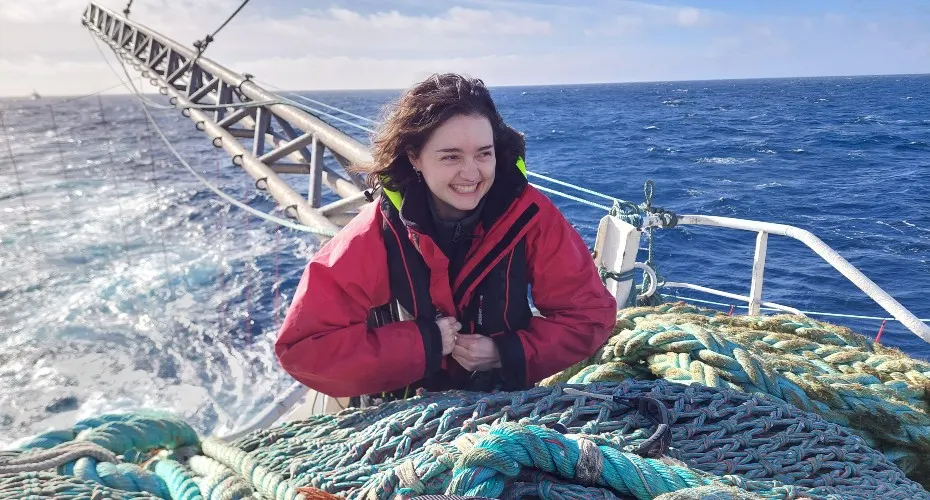
Being on a campus where everyone is interested in conservation, the environment and sustainability was such an encouraging environment to develop views and opinions, and discussing with different people about their research was very inspiring. I had studied fisheries management solely from an ecological perspective until I took the Marine & Coastal Sustainability module, which completely turned around my view on the management of fisheries and convinced me of the need for interdisciplinarity in conservation and management.
Since graduating I moved to the Falkland Islands to work on fishing vessels and collect data for the Falkland Islands Government. It can be quite a tough job, but it's teaching me so much on the amount and quality of data required to manage fisheries. I'm so excited to apply everything I've learned in this position into managing fisheries! I was a member of the Sea Swimming Society at Exeter, and am proud to say I'm continuing to do this in the South Atlantic, where the water is much colder than in Cornwall...
Travel and accommodation costs for the residential field course are included.
International fees per year:
with UK Field Course
with International Field Course
£30,100 full-time; £15,050 part-time
£31,300 full-time; £15,650 part-time
Travel and accommodation costs for the residential field course are included.
Fees include most field trip costs but you must pay for the Maldivian business visa required for the International Field Course. We will provide logistical help for obtaining this. A potential cost for some is that a doctor's note may be required in relation to providing a "PADI medical statement for diving", which everyone wanting to dive must complete. If you don't want to dive all practical work can be done by snorkelling. To be allowed to dive you must have certification that equates to the standard of 'PADI Rescue Diver'. You are required to provide your own mask, fins, snorkel, booties, rash vest and swim shorts or leggings. A wetsuit is not required for snorkelling but if you want a wetsuit for diving it should be thin as the water is 30°C. A final potential cost that applies to all our MScs is any necessary "specific" cost associated with a Dissertation.
Scholarships
The University of Exeter offers a wide range of scholarships to support your education, with £8 million available for international students applying to study with us in the 2027/28 academic year, including our prestigious Exeter Excellence Scholarships. We also provide awards for sport, music and other achievements, as well as regional and partner scholarships with organisations such as Chevening, the Commonwealth Scholarship Commission and the British Council. For more information on scholarships and other financial support, please visit our scholarships and bursaries page.
University of Exeter Alumni Scholarship
We are pleased to offer the University of Exeter Alumni Scholarship, a scholarship for University of Exeter alumni beginning a standalone postgraduate programme in 2027/28 with us a scholarship worth 20% of the cost of your first year tuition fees.
In recent years the University of Exeter’s marine education and research has been growing fast. Ourinterdisciplinary marine research spans the humanities, physical, social and natural sciences. Marine research groups, containing over 350 researchers, can be found in all of our Colleges and interdisciplinary research institutes.
Research is organised into nine major interdisciplinary themes which sees us working collaboratively with a wide range of partners locally, regionally and across the world’s oceans to shape positive changes in practice, policy and innovation. The research groups include:
There is considerable scope for you to direct your learning towards fields of particular interest, especially through your choice of research project. Research seminars will enable you to interact with a diversity of top academics and get to know about their ongoing research.
Research project
A large number of Exeter academics will be involved with this programme and they will offer a great diversity of research topics in the UK and overseas. There is also the option to work with an external collaborating organisation as a placement student during your research project, which could be located anywhere in the world.
Tutorial support
Each student is allocated a personal tutor who is available for advice and support throughout your studies. There is also a postgraduate tutor available to help with further guidance and advice.
Assessment
Taught modules will be assessed through formal oral presentation, written reports, essays and discussions, during or upon the immediate completion of the modules. The research project makes up a significant proportion of the assessment and is mainly based on the dissertation write up.
Graduate School of Environment and Sustainability
You will become part of Exeter's Graduate School of Environment & Sustainability - a vibrant and supportive postgraduate community based here on our Penryn campus in Cornwall. The Graduate School brings together experts from across the spectrum of earth and life sciences, engineering, humanities, social sciences and business. You will interact with students from other MScs and have the opportunity to explore issues from a range of perspectives, benefiting from a truly interdisciplinary experience. All our programmes are designed with a focus on developing solutions to global challenges and creating a better future for our planet and its people.
Associate Professor in Marine Conservation Science
Professor Rachel Turner
Associate Professor in Environmental Social Science
Dr Erik Postma
Associate Professor
Dr Julie Hawkins
Programme Director
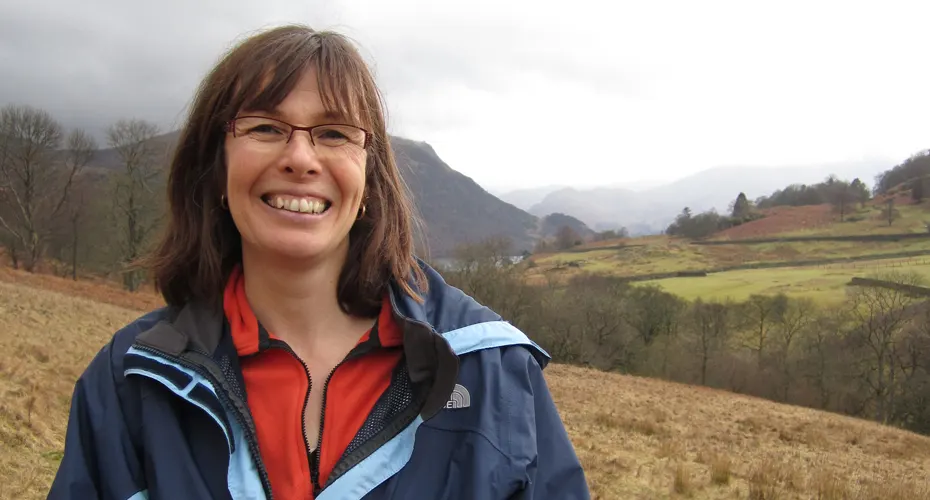
Dr Julie Hawkins, Programme Director, studies human impacts on marine ecosystems and how to alleviate them. Her field research is primarily on coral reefs, documenting the impacts of fishing and tourism, and devising strategies to secure greater protection. She is particularly interested in how marine protected areas can be designed and managed to protect wildlife and habitats, boost surrounding fisheries and promote more sustainable livelihoods. Julie’s research also looks at the global need to scale up protection by building networks of protected areas to help recover ocean ecosystems and enhance resilience to climate change.
Callum’s research focuses on threats to marine ecosystems and species and on finding the means to protect them. His team provided the scientific underpinning for a new ocean protection target – 30% by 2030 – which is gaining widespread international support. He is an award-winning author and was chief scientific advisor for the BBC’s flagship series “Blue Planet II”. He is chief scientific advisor to BLUE Marine Foundation and the Maldives Coral Institute, an Ambassador for WWF UK, and board member of the Nekton Deep Ocean Research Institute.
Annette’s research focuses on the exploitation and status of marine vertebrate populations, in particular marine turtles, utilising satellite tracking and mark and recapture to understand the thermal ecology, sex ratios, habitat use, navigational abilities, growth rates and fecundity of individuals. Given the importance of the thermal environment on reptilian species, the potential effects of global climate change are a major issue for this group, and a focus for her research. Annette runs a long-term field study of the marine turtle populations in Cyprus.
Associate Professor in Marine Conservation Science
Kristian is a conservation scientist with wide ranging interests in biodiversity conservation. His research focuses on decision making for the assessment, protection, and management of marine biodiversity, with particular emphasis on marine spatial planning and the design of marine protected area networks (MPAs) in the UK, and in West and Central Africa. Kristian is also interested in how novel technologies such as satellite/GPS tracking can be used to understand the behaviour and distribution of marine vertebrates and small-scale fishers to inform the development of priority areas, and resolve conflicts in marine space.
Associate Professor in Environmental Social Science
Rachel is an environmental social scientist focusing on marine resource governance and coastal communities. Her research focuses on understanding how socio-economic and environmental contexts drive resource use behaviour and have implications for management and governance systems. Her recent research has explored marine resource dependence and identification of supportive governance structures for effective Caribbean coral reef management.
Erik studies the individual and population-level causes and consequences of variation in the traits related to the most important events in an individual's life, including: birth, mate choice, reproduction and death. To this end Erik uses individual-based, long-term data for a range of species, including rodents and humans.
This programme will provide you with a diversity of skills that will equip you for a range of sectors of work and further study of marine environments. Skills include:
Scientific writing and poster preparation
Grant writing
Public speaking
Short film production
Press release and the professional use of social media
Data analysis
Writing scientific information for a lay audience
Use of “R” and GIS.
Career paths
The programme will prepare students for careers in environmental NGOs, fisheries management bodies, government agencies, consultancy companies and marine-related businesses such as aquaculture, shipping, offshore energy, etc. The degree also offers a thorough training in research skills and methods so provides an excellent basis for an academic career.
Careers services
Our careers teams at theCareer Zonecan help guide you through a wealth of information to match your skills and interests to a career that will suit you. Our staff work with regional, national and international employers to develop new work placement, project and graduate opportunities.
Supporting your career
Being part of a large research-intensive department such as the Centre for Ecology and Conservation means there are multiple extracurricular research seminars per week and frequent on-campus symposia and employability focused seminars involving invited external stakeholders offering extensive networking opportunities.
Sign-up for more information about studying with us
If you're thinking about studying MSc Marine Environmental Management with us, signing up to our emails is the best way to discover if we’re the right university for you.
Streatham Campus in Exeter
The majority of students are based at our Streatham Campus in Exeter. The campus is one of the most beautiful in the country and offers a unique environment in which to study, with lakes, parkland, woodland and gardens as well as modern and historical buildings.
Located on the eastern edge of the city centre, St Luke's is home to Sport and Health Sciences, the Medical School, the Academy of Nursing, the Department of Allied Health Professions, and PGCE students.
Our Penryn Campus is located near Falmouth in Cornwall. It is consistently ranked highly for satisfaction: students report having a highly personal experience that is intellectually stretching but great fun, providing plenty of opportunities to quickly get to know everyone.




.webp)