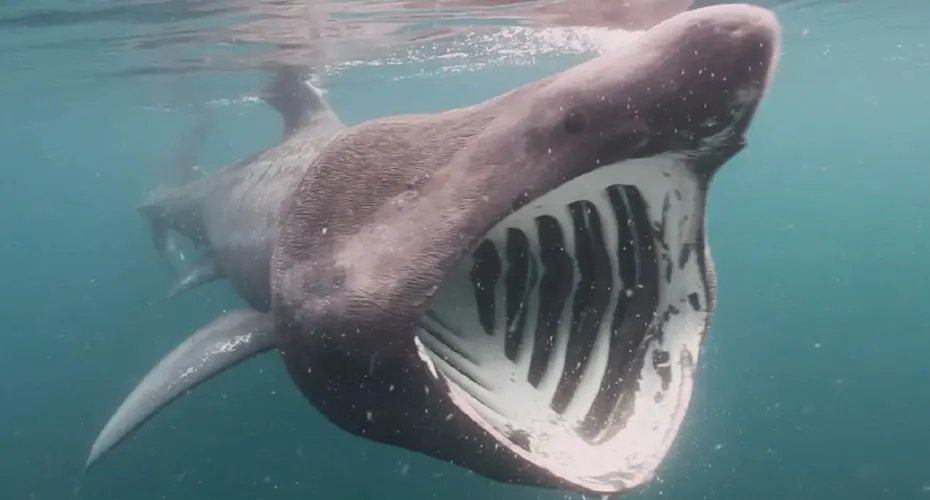
taught by one of the largest groups of marine vertebrate ecologists in the UK, with world-leading experts working on sharks, marine turtles, seabirds and marine mammals
gain extensive, hands-on skills training designed to fast-track careers in applied scientific research, conservation practice and industry
conduct an immersive research project alongside internationally recognised research teams in collaboration with external partners, including NGOs and government agencies
access our outstanding research facilities & opportunities to study on the beautiful Cornish coastline, which hosts a wealth of coastal and marine biodiversity
Due to the high demand for this programme, we highly recommend that you apply early. Applications can be made from September for entry the following year. If we experience high demand it may be necessary for us to operate waiting lists or close the programme.
Shanghai Rankings Global Ranking of Academic Subjects 2025
90% of our Biological Sciences research is internationally excellent
Based on research rated 4* and 3* in the Research Excellence Framework 2021
Top 20 in the UK for world-leading research in Biological Sciences
REF 2021, based on 4-star research
Entry requirements for 2027 entry
Normally a 2:1 degree or above in a relevant science subject* is required, although we will consider all applications with a 2.1 where there is evidence of exceptional performance in modules relevant to the programme of study (research and/or numerical skills), and/or significant relevant work experience of 2+ years.
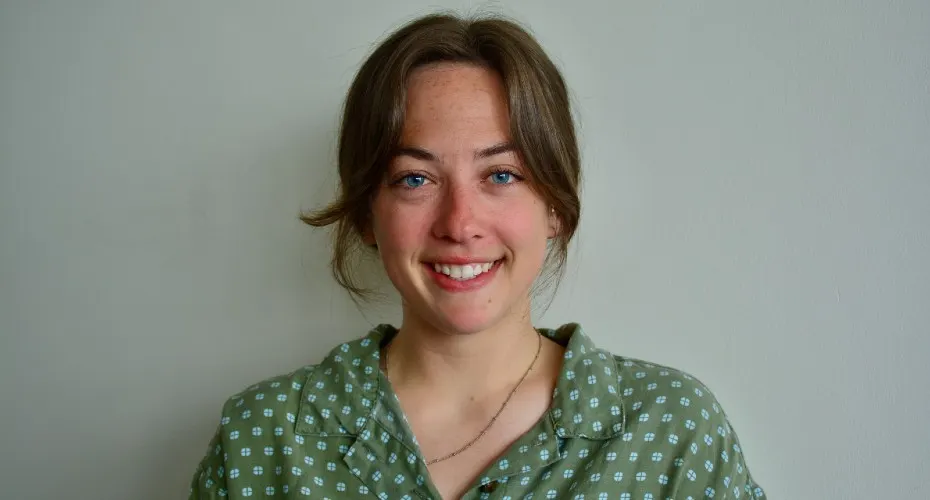
I've really enjoyed the course and have loved getting a completely comprehensive view of marine vertebrates in all forms. Cornwall is beautiful and absolutely nothing like what I thought England was like. Every day I get the opportunity to see new species of fauna and flora, different weathers and living by the sea is absolutely incredible.
We have had specific lecturers on topics like sensory and historical ecology, things I didn’t know were specific avenues until starting the course, but have proven to be fascinating to learn about. We continue to learn about and focus on each avenue across the broad spectrum of marine vertebrate conservation. We’ve also had virtual coffee breaks where we've been able to speak with lecturers or research scientists in the field on areas that aren't covered in the syllabus if we want to learn more.
From the USA, studying MSc Marine Vertebrate Ecology and Conservation
Course content and modules
This programme provides a diversity of knowledge, skills and experience that will equip you to work for a range of sectors. Through inspirational teaching and practical, first-hand research experience from our internationally-recognised experts, the course will help you build a transferable skillset and professional network that will act a stepping stone into marine vertebrate ecology, research and conservation-facing careers. The course is based at the University’s internationally-renowned Centre for Ecology and Conservation on our Penryn campus in spectacular Cornwall.
Innovative taught modules
Our core taught modules provide in-depth coverage of the key concepts and practical and analytical skills in marine vertebrate ecology and conservation, delivered through close interaction with leading researchers and practitioners working at the forefront of research and real-world conservation.
Research project
A key strength of the programme is the opportunity to conduct a major independent research project embedded within one of our world-class research groups. This allows students to deepen their technical knowledge, career-facing skills and research experience in the area that excites them most.
The modules below provide examples of what you can expect to learn on this degree course based on recent academic teaching. The precise modules available to you in future years may vary depending on staff availability and research interests, new topics of study, timetabling and student demand.
Please note that the module information displayed here is subject to change.
150 credits of compulsory modules, 30 credits of optional modules
You may choose 0-15 credits from Optional Module Group 1
You may choose 15-30 credits from Optional Module Group 2
Code
Module
Credits
Compulsory 1
Research Project
90
Statistical Modelling
15
Marine Vertebrate Ecology and Conservation
15
Skills in Marine Vertebrate Ecology and Conservation
30
BIOM4009: Research Project
Learning to conduct original scientific research is essential for your scientific training, employability potential and future career. In this module, you will gain hands-on experience of conducting cutting-edge scientific research under the guidance of professional researchers. This involves conducting an independent research project on a subject of your choice related to conservation biology, ecology, evolution or behavioural ecology. Our academic staff offer a wide range of projects to pursue, which provide opportunities for building your skill set and experience in the process. With the support of your supervisor, you will be responsible for designing, planning and implementing the study, as well as analysing the data and writing it up for a world class peer-reviewed academic journal. As such, this project provides valuable experience of managing an original scientific research project, from its inception through to completion.
Biological data are famously complicated. However, modern statistical methods can accommodate many of these complications, and others can be avoided through careful study design and data collection. This module uses a series of lectures, interactive exercises and practicals to guide you through modern statistical philosophies and methods. It provides you with one of the most important transferable skills, both in and outside of academia, and it optimally prepares you for your dissertation project. The main software platform for the module is 'R', which is powerful, flexible and free. To accommodate students from a range of backgrounds and with different levels of prior experience, we start with the basics and gradually add complexity . By the end of the module , you will understand how to design a study , handle the data, analyse them , interpret the results , and provide graphical and written summaries. Many examples used will be drawn from recent research in ecology, evolution and environmental sciences .
Statistical modelling is an integral part of all quantitative research. Thereby this module provides key transferable skills in experimental design, data collection and handling, statistical modelling , and programming. More generally, it promotes quantitative and logical thinking.
BIOM4033: Marine Vertebrate Ecology and Conservation
Through seminars and discussions this module will see you interacting with a wide range of our renowned academics and their research on marine vertebrate ecology and conservation. You will gain insights into how the careers of the staff and our external partners have developed and the cutting-edge approaches they take to their research and conservation work. This will mean that you will be exposed to many of the research topics being offered by staff for research projects. You will prepare a literature review on an important ecological or conservation topic of your interest and an oral presentation on an important ecological or conservation topic.
This module deals with the full range of important issues in the ecology and conservation of marine vertebrates and will contribute to a synthetic understanding of the scientific processes which underpin these endeavours. The module particularly focuses on leading edge research into how the ecology of marine vertebrates can be understood, threats to their status assessed, and how their biodiversity can be measured and preserved.
BIOM4044: Skills in Marine Vertebrate Ecology and Conservation
A broad suite of practical and communication skills is now central to secure a future career in applied scientific research, industry or as a conservation practitioner. This module aims to help you achieve your current and future goals by providing you with a good working knowledge of the theory and practice underpinning commonly used field and analytical methods as well as providing a good grounding in scientific communication including writing in scientific prose, oral presentation and film production. The teaching style will combine fieldwork in the, UK, with workshops and bespoke training sessions to foster the self-reflection necessary to becoming a confident, competent and independent scientist in the modern world.
The overall aim of this module is to provide you with a set of key skills that will help you succeed in your MSc degree and future careers. To these ends, you will receive comprehensive training that will build your portfolio of:
The modern era is called the Anthropocene in view of the rising influence of people on almost every aspect of planetary life. Human impacts are causing widespread habitat destruction and biodiversity loss to such an extent that many argue we have now initiated the sixth mass extinction. Against this backdrop, marine protected areas increasingly play a critical role in alleviating pressures to save wildlife and habitats. By 2030, global targets for marine protected area coverage could rise from 10% of the sea to 30%. We are therefore in the middle of a period of intensive marine protected area creation. But despite successes, many marine protected areas are failing to meet their objectives, and biodiversity losses continue. In this module you will learn about the history of marine protected areas and how to select, design, establish and manage them, including developing networks of mutually supporting protected areas. We will explore what marine protected areas can achieve and the ecological and social factors required to make them successful.
The module assumes no specific skills or experience, and there are no pre-requisite modules required. It is accessible for non-specialist students, including those on multi-disciplinary pathways.
This module aims to provide you with a good working knowledge of the theory and practice underpinning the application of GIS and geospatial analysis in the fields of conservation and ecology. Throughout the module you will be introduced to, and gain practical experience of using open-source GIS software (QGIS and R) to acquire, create, manipulate, analyse and visualise a range of spatial datasets. These practicals will underpin a range of complementary assessments that focus on enhancing your data visualisation, analytical and problem-solving skills using GIS software; thereby providing you with a breadth of experience for a career in applied scientific research, industry or as a conservation practitioner.
The ability to use and understand Geographical Information System (GIS) software to create, manage and analyse spatial data is a highly sought-after skillset that will enhance your employability in the fields of biodiversity conservation and management, and more broadly in the environmental sciences.
The ocean has been exploited for seafood for over 160,000 years, with commercial fishing developing several thousand years ago in many areas. For most of human history the sea has supported prolific and plentiful fish which provided a valuable source of food and income. In the last two hundred years, however, overfishing and destructive fishing have become increasingly prevalent, to the detriment of fish and shellfish, their habitats, and the people that depend on them. Overfishing has also led to serious adverse impacts on ecosystem functioning, leading to a loss of crucial ecosystem processes and services. In this module you will learn about the long history of fishing, the methods used to catch fish, and the theory and practice of fisheries management. You will discover the many reasons how and why overfishing happens and what is needed to turn around the state of global fisheries so that seafood can continue to supply the needs of a growing population far into the future.
This module will give students hands on experience in designing and assessing practical measures in conservation. They will hear about practical examples of conservation and then must both design and write a conservation grant based on their acquired knowledge. This will give the students unique guidance in both how to implement conservation measures and how to gather the associated evidence that they are actually working.
This module aims to provide you with the key skills required to design, implement, and monitor conservation projects that consider the biodiversity, environment, and human communities that live alongside it. You will first be introduced to how to plan in conservation, including how to effect meaningful change to achieve a desired outcome. You will then gain experience in different techniques to monitor biodiversity and environmental change, and approaches to examine human and policy dimensions of conservation. Following this you will explore how to use conservation evidence to inform and scale actions and how to integrate predictive science into conservation decision-making. Finally, you will explore key conservation leadership and management skills to support you in your career as a conservation scientist and practitioner.
The natural environment is changing at an unprecedented rate, leading to mass extinctions and biodiversity loss. Although humans are the drivers of the current biodiversity crisis, we also hold the solutions. Conservation biologists have traditionally aimed to maintain or restore populations by focussing on population size and genetic diversity. However, animals' first line of defence in response to environmental change is their behaviour. How can we apply insights from animal behaviour research to boost the success of conservation strategies and tackle global challenges? In this module, leading scientists in key behavioural domains such as animal migration, cognition and perception will take you on a whistle-stop tour of the ways in which anthropogenic changes impact animal behaviours. We will then critically assess how we might apply these insights to inform behaviour-based management and conservation planning. We will engage with front-line conservationists to learn how they are applying animal behaviour to address global challenges. Finally, we will consider how human behaviour and cooperation can be leveraged to make change happen.
When participating in field courses, you will need to cover the cost of any visas and relevant immunisations, if necessary. You will also need to provide your own specialist personal equipment appropriate to the field course destination, e.g. walking boots, rucksack, mosquito net, sleeping bag, binoculars. Additional costs may be incurred for your research project, depending on what you choose to study.
Scholarships
The University of Exeter offers a wide range of scholarships to support your education, with £8 million available for international students applying to study with us in the 2027/28 academic year, including our prestigious Exeter Excellence Scholarships. We also provide awards for sport, music and other achievements, as well as regional and partner scholarships with organisations such as Chevening, the Commonwealth Scholarship Commission and the British Council. For more information on scholarships and other financial support, please visit our scholarships and bursaries page.
University of Exeter Alumni Scholarship
We are pleased to offer the University of Exeter Alumni Scholarship, a scholarship for University of Exeter alumni beginning a standalone postgraduate programme in 2027/28 with us a scholarship worth 20% of the cost of your first year tuition fees.
Our interdisciplinary research initiative, Exeter Marine, spans the natural sciences, humanities, physical and social sciences. We work collaboratively to nurture future generations of marine scientists through research-led education. By engaging with a wide range of partners locally, regionally and across the world’s oceans we shape positive changes in practice, policy and innovation.
Learning from experts
Postgraduate students join a community of world-leading marine vertebrate ecologists who work on sharks, marine turtles, seabirds and marine mammals in the UK and around the world. Within modules there is considerable scope for you to direct your learning towards fields of particular interest, especially through your choice of research project. Staff work with an extensive network of stakeholder organisations to codevelop research project topics.
Partners have recently included: Archelon, Beneath the Waves, British Antarctic Survey, British Divers Marinelife Rescue, Cetacean Research and Rescue Unit, Cetacean Strandings Investigation Programme, Cornwall Wildlife Trust, Manta Trust, Marinelife, Marine Conservation Society, Natural England, Natural History Museum, Plymouth Marine Lab, ProDelphinus, Sea Mammal Research Unit, Sea Turtle Conservancy, Seychelles Island Foundation, Shark Trust, Society for the Protection of Turtles, Whale and Dolphin Conservation and Zoological Society of London.
The course structure includes a range of learning formats:
seminars
workshops
fieldwork
group discussion
independent study
Tutorial support
Each student is allocated a personal tutor who is available for advice and support throughout your studies. There is also a postgraduate tutor available to help with further guidance and advice.
Assessment
Taught modules will be assessed through formal oral presentation, written reports and discussions, during or upon the immediate completion of these modules.
Graduate School of Environment and Sustainability
You will become part of Exeter's Graduate School of Environment & Sustainability - a vibrant and supportive postgraduate community based here on our Penryn campus in Cornwall. The Graduate School brings together experts from across the spectrum of earth and life sciences, engineering, humanities, social sciences and business. You will interact with students from other MScs and have the opportunity to explore issues from a range of perspectives, benefiting from a truly interdisciplinary experience. All our programmes are designed with a focus on developing solutions to global challenges and creating a better future for our planet and its people.
Programme Director, Senior Lecturer in Marine Vertebrate Ecology and Conservation
Professor Brendan Godley
Professor of Conservation Science
Dr Richard Sherley
Associate Professor in Marine Ecology and Conservation
Dr Victoria Hobson
Senior Lecturer in Marine Biology
Dr Divya Karnad
Senior Lecturer in the Human Dimensions of Marine Conservation
Dr Kristian Metcalfe
Associate Professor in Marine Conservation Science
Dr Sarah Nelms
Programme Director, Senior Lecturer in Marine Vertebrate Ecology and Conservation
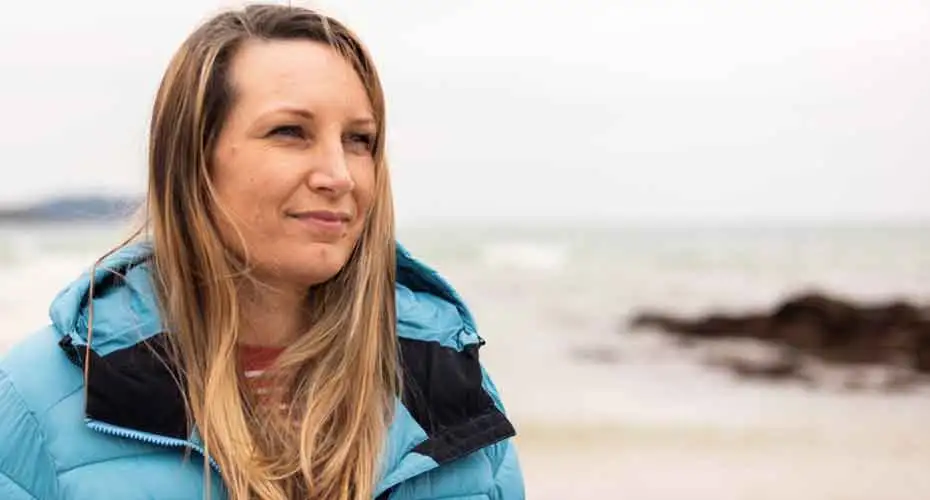
Dr Sarah Nelms is a Senior Lecturer in Marine Vertebrate Ecology and Conservation. She uses an interdisciplinary approach to understand how human activities impact marine megafauna. She is an internationally recognised expert in plastic pollution research, specifically in understanding the extent and effects of plastic ingestion and entanglement for marine mammals and other large marine vertebrates. She also works on other threats such as cetacean bycatch.
Professor Godley is a conservation scientist with wide ranging interests in biodiversity conservation. His research largely focuses on the study of marine vertebrates (turtles, mammals, birds and sharks). In the last few years, Professor Godley has spent ever more efforts on interdisciplinary approaches to conservation research, including focusing on the issue of microplastics in our oceans.
Associate Professor in Marine Ecology and Conservation
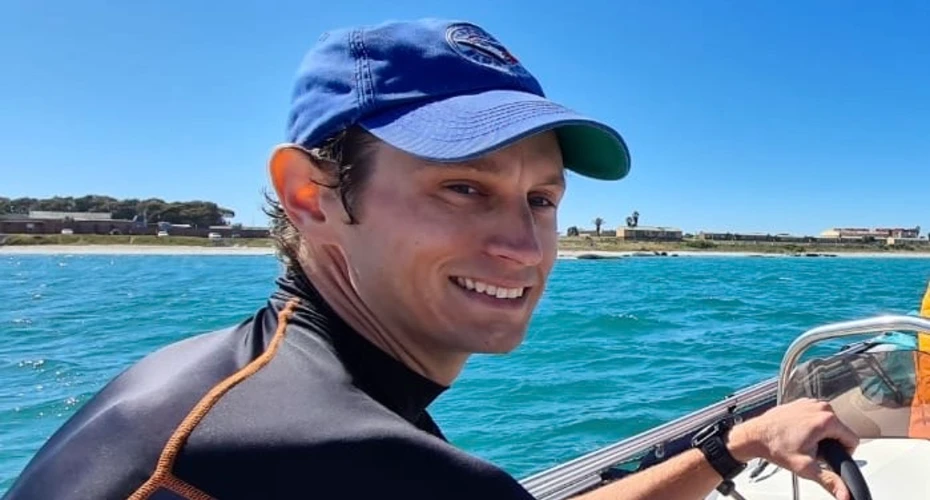
Dr Sherley's research focuses on human impacts on the oceans using long-term data on animal populations, technology-led approaches to study behaviour and cutting-edge analytical techniques to understand what drives population change in marine vertebrates and to develop strategies to balance conserving species in decline with the sustainable use of ocean resources. Projects have focused on marine predators in southern Africa, the Southern Ocean, North Sea, Celtic Sea, Mediterranean, Gulf of Oman, Indian Ocean and at a global scale.
Dr Hobson’s research and professional career has been focused on marine ecology and conservation, concentrating on the how mobile marine species interact with their environments using animal attached technologies, particularly jellyfish, turtles and fish. Dr Hobson has also worked as a marine ecology consultant and is a committee member of the Cornwall Inshore Fisheries and Conservation Authority.
Senior Lecturer in the Human Dimensions of Marine Conservation
Dr Divya Karnad is an interdisciplinary researcher who works on marine conservation and social science. Her research involves studies of marine conservation, especially of sharks and rays, fisheries management in the Global South, the geography of seafood, seafood commons, Illegal, Unregulated and Unreported (IUU) fishing, Local Ecological Knowledge (LEK) and participatory action research. Beyond research, Divya also works on conservation outreach and education initiatives. This includes the promotion of marine conservation through InSeason Fish: a sustainable seafood initiative that she co‑founded to connect local fishers, chefs, and consumers to promote seasonal, sustainable and shark-safe seafood supply chains.
Associate Professor in Marine Conservation Science
Dr Kristian Metcalfe is an Associate Professor in Marine Conservation Science. He is an internationally recognised expert in the design, management and monitoring of marine protected areas with his research providing the scientific evidence on the current status of ecological communities within MPAs in the United Kingdom and underpinning the creation of 24 new MPAs covering >60,000 km2 across Gabon, Republic of the Congo and Côte d’Ivoire (Ivory Coast).
We will undertake extensive fieldwork in waters of the UK, including Cornwall. You will become proficient in marine vertebrate identification, become a qualified marine mammal observer (MMO), become a trained marine mammal medic as well as becoming familiar with marine vertebrate necropsy protocols, baited remote underwater video and passive acoustic monitoring. Please note that some field courses may incur additional costs - see the Fees section for more information.
Careers
Employer-valued skills this course develops
This programme will provide you with a diversity of skills that will equip you for a range of sectors of work and further study of marine vertebrates. Skills will include:
GIS and marine spatial planning
Marine mammal rescue
Post-mortem techniques
Marine Mammal Observer qualification
Use of passive acoustic monitoring
Bycatch mitigation
Animal tracking
Generic transferrable skills include:
Scientific writing and poster preparation
Grant writing
Public speaking
Short film production
Professional use of social media.
Careers services
Our careers teams at theCareer Zonecan help guide you through a wealth of information to match your skills and interests to a career that will suit you. Our staff work with regional, national and international employers to develop new work placement, project and graduate opportunities.
Supporting your career
Being part of a large research-intensive department such as Ecology and Conservationmeans there are multiple extracurricular research seminars per week and frequent on-campus symposia and employability focussed seminars involving invited external stakeholders, offering extensive networking opportunities.
Recent graduates
Below are a few examples of initial jobs undertaken by graduates of our Biosciences postgraduate courses. This information has been taken from the Destinations of Leavers from Higher Education (DLHE) Survey 2016/17. Please note that, due to data protection, the job titles and organisations are listed independently and do not necessarily correspond.
Recent graduates are now working as:
Conservation Project Officer
Ecologist
Environmental Consultant
GIS and Social Technician
Graduate Research Assistant
King Cobra Telemetry Project Intern
Marine and Environmental Consultant
Programme Assistant, Conservation Science and Design
Research Leader
Science Researcher
Recent graduates are now working for:
Biosphere Magazine
Blue Ventures
Devon Wildlife Trust
Greengage Environmental LLP
Institute of Zoology
IUCN John Wenman Ecological Consultancy Madagascar Research and Conservation Institute (MRCI)
Oxford Scientific Films
RSPB
Seamarc Environmental Consultancy and Engineering
Thomson Ecology
Further study
Further study is a popular choice for a number of students following graduation from our Biosciences Masters courses. The MSc Marine Vertebrate Ecology course will equip you with the necessary skills to pursue further study once completing the course.
The biggest highlight of studying at Exeter was that it was a key milestone in my career to broaden my view on biodiversity conservation and ecotourism. The lecturers were very dynamic and the several field trips allowed students to gain significant experience. The University support for overseas students (e.g, support in English for essays, etc) was also very useful.
I enjoyed the dynamism of the course. It was a very intensive year with a lot of learning.
After graduating from Exeter, I came back to Cabo Verde and worked at the National Directorate of Environment. My role was to follow up the management plans of protected areas and species conservation, I was also the Global Environment Facility (GEF) Political Focal Point and Ramsar Convention Focal Point.
I then left the government and founded an NGO called Lantuna. I have been implementing biodiversity conservation projects in Cabo Verde and I also do consultancy services. At the present, I am coordinating the Cabo Verde seabirds project for BirdLife International.
Sign-up for more information about studying with us
If you're thinking about studying MSc Marine Vertebrate Ecology and Conservation with us, signing up to our emails is the best way to discover if we’re the right university for you.
Streatham Campus in Exeter
The majority of students are based at our Streatham Campus in Exeter. The campus is one of the most beautiful in the country and offers a unique environment in which to study, with lakes, parkland, woodland and gardens as well as modern and historical buildings.
Located on the eastern edge of the city centre, St Luke's is home to Sport and Health Sciences, the Medical School, the Academy of Nursing, the Department of Allied Health Professions, and PGCE students.
Our Penryn Campus is located near Falmouth in Cornwall. It is consistently ranked highly for satisfaction: students report having a highly personal experience that is intellectually stretching but great fun, providing plenty of opportunities to quickly get to know everyone.