MSc Island Biodiversity and Conservation
| UCAS code | 1234 |
|---|---|
| Duration | 1 year full time 2 years part time |
| Entry year | 2027 |
| Campus |
| Typical offer | Normally at least a 2:1 Honours degree or equivalent in Biology or a relevant science subject |
|---|---|
Why study MSc Island Biodiversity and Conservation at Exeter?
- Delivered by a consortium of leading professionals and academics from across the globe and accredited by the University of Exeter
- Designed to meet the needs of conservation professionals specialising in islands, students who wish to remain in academia and conservation practitioners from across the world
- You will study in a beautiful island with rich biodiversity and have substantial fieldwork opportunities in most modules, including modules run out of JICAS Island field school and research centre
- Comprises modules that target both research and practical conservation skills
- Opportunities to complete the dissertation module in a number of different islands, including Hawaii, Greece, Canary Islands, Madagascar and Mauritius to name a few
- This programme is taught at the Jersey International Centre of Advanced Studies (JICAS)
Fast Track (current Exeter students)
MSc Island Biodiversity and Conservation has been designed and is delivered by JICAS in Jersey, with support from the University of Exeter as the accrediting institution.

Dissertation options across the globe

Substantial fieldwork modules in the Channel Islands and Canary Islands

Training future leaders, managers and policy makers in island biodiversity and conservation
Entry requirements for 2027 entry
Normally at least a 2:1 Honours degree or equivalent in Biology or a relevant science subject is required, although a 2:2 with relevant experience will be considered. Relevant science subjects include Life Sciences: Biological Sciences, Zoology, Conservation, Environmental Science, Sustainable Development, Geography.
Applicants with significant, professional work experience seeking an academic qualification or the opportunity to enhance skills or knowledge in this field will also be considered.
Candidates may be asked to attend an interview (which may be by Skype, telephone or video link).
How we use your information
Please note, as this programme is delivered by Jersey International Centre of Advanced Studies, the University may need to share your data with a third party external organisation in order to reach a decision on, or progress your application. In such circumstances we are committed to protecting your data in accordance with all relevant data protection legislation.
Please also see our guidance on essential documentation required for an initial decision on taught programme applications.
Entry requirements for international students
Please visit our entry requirements section for equivalencies from your country and further information on English language requirements.
Please also see our guidance on essential documentation required for an initial decision on taught programme applications.
Entry requirements for international students
English language requirements
International students need to show they have the required level of English language to study this course.
The required IELTS test scores for this course fall under Profile B2.
Please visit our English language requirements page to view the required test scores and equivalencies from your country.
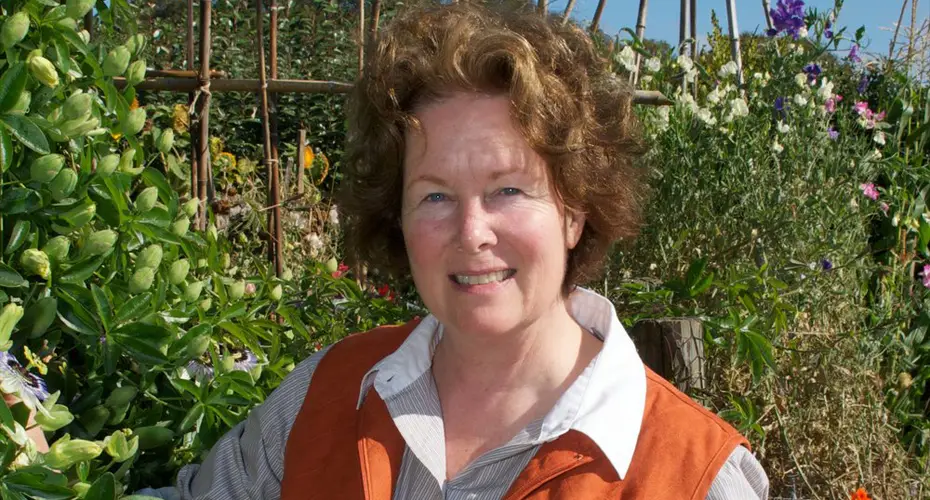
Human activities in most peopled islands are eroding the natural resource base on which not only the islanders themselves, but also the nonhuman species depend for survival. Those vital resources include soil, water and the natural habitats of inland and coastal areas, all of which are affected by overexploitation, pollution, waste disposal and invasive species.
With the added burden of climate change, some small island nations are being pushed to their environmental limits. Overcoming the challenges requires good scientific understanding of the island environment, adaptive management skills and solutions appropriate to island circumstances.
Dr Lee Durrell
Chair, JICAS Steering Committee
Course content and modules
Islands provide some of the planet’s most spectacular examples of biodiversity, making them important repositories of unique species. Yet there are more endangered species and habitats per capita in Small Island Developing States and territories than anywhere else in the world.
This one-year taught Masters programme is an innovative course dedicated to the understanding and conservation of the biodiversity of islands throughout the world. The programme boasts a significant research component with substantial fieldwork modules in the Channel Islands and Canary Islands, and dissertation options across the globe.
This applied degree provides a number of employability outcomes, including careers in management positions in global conservation NGOs, public conservation government ministries, organisations and departments, as well as technical positions in conservation and sustainability consultancies. This degree also serves as a gateway to a PhD and other academic positions in leading conservation organisations and enterprises in the UK and abroad.
The modules below provide examples of what you can expect to learn on this degree course based on recent academic teaching. The precise modules available to you in future years may vary depending on staff availability and research interests, new topics of study, timetabling and student demand.
Please note that the module information displayed here is subject to change.
180 credits of compulsory modules.
| Code | Module | Credits |
|---|---|---|
| Compulsory 1 | ||
| Dissertation/Research Project | 60 | |
| Fieldwork Statistics and Experimental Design | 15 | |
| Island Biogeography | 15 | |
| Island Ecology | 15 | |
| Biodiversity and Evolution on Islands | 15 | |
| Invasion and Extinction on Islands | 15 | |
| Global Conservation Strategies and Legislation | 15 | |
| Islands and Climate Change | 15 | |
| Island Conservation in Action | 15 | |
JBIM001: Dissertation/Research Project
The MSc Dissertation/Research Project is the final step of the MSc in which you have to prepare a dissertation using the knowledge and skills acquired in the MSc about a material or research line of your personal convenience. Possible topics for the MSc Dissertation/Research Project include scientific research in any of the subjects being taught on the MSc, ongoing or de novo Island Biodiversity Conservation Projects, Island Biodiversity data collection and analysis or comprehensive literature reviews.
The election of the MSc Dissertation/Research Project topic and supervisor(s) should be the result of an agreement between student and supervisor. The MSc Dissertation/Research Project will be defended through a non-public viva examination. The criteria for the MSc Dissertation/Research Project evaluation will be clearly stated in the MSc handbook, and they will include at least the following items:
JBIM002: Fieldwork Statistics and Experimental Design
Fieldwork Statistics and Experimental Design is a core module in this MSc; it has a transversal character and is the main basis for a rigorous approach to biotic (faunistic and floristic) and abiotic (geographic, climatic, lithology, soils, etc.) data collection and statistical (univariate and multivariate) description and analysis. For this reason, the module sits at the very beginning of the MSc and is delivered as part of the JICAS Field School and undertaken within the Channel Islands, where you can obtain your own data and are subjected to different analytical procedures.
The module aims to teach you to carry out fieldwork experiments, sampling and inventories strategies of plant and animal population and communities, including the fundamentals of the scientific method, the basis of the experimental design, floristic, vegetation and faunistic data collection procedures and the statistical description and analysis of the data obtained.
JBIM003: Island Biogeography
This module covers: (i) an introduction to the main themes and theories of island biogeography; island origins and types (oceanic, continental shelf, continental fragments); the physical geographical features and dynamics of islands (including the impact of Pleistocene glaciations and volcanism); and (ii) their key biodiversity features (filtering from source pools producing 'disharmony', and endemism); and (iii) island macroecology (island species-area relationships, species abundance and range properties, etc), (iv) island assembly dynamics and properties (illustrated through systems such as the Krakatau islands), and (v) how island biodiversity responds to island geodynamics, and (vi) the application of island ecological principles to conservation planning. The module provides a blend of key theories and review of evidence used in developing and testing of these theories.
JBIM004: Island Ecology
This module is divided into two sections: 1) Ecological Processes and Interactions on Islands and 2) Island Palaeoecology. The first part of the module focuses on the exclusive ecological processes occurring on islands, including the species impoverishment, disharmony and relictualism that created a scenario of attenuated interspecific competition yielding to issues such as species relaxation, ecological release or density compensation. The second part of the module examines more deeply both palaeoecology methods and results of the reconstruction of the ecological scenarios that existed in different oceanic islands in the near and remote past, and the conditions that have been created current biodiversity composition and distribution.
JBIM005: Biodiversity and Evolution on Islands
This module is divided into two sections: 1) Island Biodiversity and 2) Evolution on Islands. Part one introduces the most spectacular cases of island radiation in both the plant and animal realms that make island biodiversity unique. Part two focuses on the evolutionary context existing in oceanic islands that have created such incredible biodiversity. Moreover, you are introduced to the fundamentals of natural selection and genetic drift, as well as to the geographic and genetic ways of understanding speciation yielding to anagenetic or cladogenetic processes. Finally, the island syndrome or island rule is analysed and the most prominent transformations, such as size shift, island woodiness, loss of dispersability, etc. is exemplified and their origins discussed.
Islands are simultaneously museums of relic species extinct in the continents, and evolutionary laboratories where new, exclusive species are being constantly created. Thus, island biodiversity is outstanding, both in terms of unique species, as witnessed by the huge rate of endemicity existing in both oceanic and continental fragment islands, but especially due to the disproportionate contribution of the islands to the world biota, ca. 25%, even if the islands just mean less than a 5% of the emerged territories. Therefore, the aim of the module is to explore both the radiating lineages of island biodiversity, and the evolutionary scenarios that have made this process possible.
JBIM006: Invasion and Extinction on Islands
This module is divided into two sections: 1) Island Invasions and 2) Extinction on Islands. Part one introduces the problems caused on island communities and ecosystems by alien species, deepening in the biotic and abiotic consequences of their introduction, especially on species that have evolved in the absence of predators, diseases, or humans or a human modified environment. Part two deals with the ongoing extinction on islands and the natural causes of species extinction in the past (volcanic activity, sea level shift, etc.), especially the cultural (human-related) causes such as habitat destruction, transformation and fragmentation, overhunting and overfishing or species collecting. Finally, the module introduces the cases of some charismatic islands species lost.
The aim of this module is to raise your awareness of the risks of introducing exotic species in islands, which interferes and disrupts biological processes leading to population reductions and putatively to species extirpations or extinctions, as well as the social and/or economic consequences of exotic plagues. A further aim is to deepen your understanding of the importance of species extinction on islands, and to understand both the natural and cultural mechanisms that have produced the demise of 80% of species on islands after the 15th Century.
JBIM007: Global Conservation Strategies and Legislation
This module is divided into two sections: 1) Global Conservation Strategies for islands and their biotas and 2) Conservation Legislation. Part one explores Conservation Biology strategies and policies, with special emphasis in the role of the more important NGOs (IUCN, WWF, CI, NC, Birdlife, etc) and public administrations (UK, EU, UNEP, etc.). Furthermore, the fundamentals and history behind relevant Conservation Biology concepts, such as red lists, protected area networks, threatened categories, species catalogues, etc. are analysed. Part two introduces key UK and EU legislation on Conservation, highlighting their similarities and differences, as well as the international agreements dealing with Conservation Biology, such as Convention on Biological Diversity, Bern Agreement or CITES.
This module is an introduction to public institutions and private NGOs working in Conservation Biology, and the main objectives and goals regarding Conservation Biology that have emerged from international meetings (Stockholm, Rio I, Johannesburg, Rio II, etc.) are critically analysed. Again, there is a particular emphasis on UK and European Union countries and conservation legislation, with some material covering international agreements existing in Biodiversity Conservation.
JBIM008: Islands and Climate Change
The module will start with an introduction of fundamentals of climatology and climate change and then apply this general knowledge to the specific situation of island climates at different latitudes and in different climatic regions. Based on an understanding of island climates and how they might be affected by climate change, we will review the impacts of climate change on terrestrial island biodiversity. We will discuss both direct effects (e.g. changing precipitation patterns) and indirect effects (e.g. displacement of human settlements into biodiversity areas due to sea level rise) on island biodiversity. A special focus will be on understanding the different types of evidence that are used to predict climate change and its effects on biodiversity (statistical modelling, simulation models, meta-analysis of observational data, experimental approaches).
You will achieve a solid general understanding of climatology and climate change. You will have a good overview of the potential effects of climate change on terrestrial island biodiversity and understand the relative importance of different climate change effects. You will be able to explain and defend in a policy context or towards the general public the scientific evidence that support predictions of climate change and its effects on biodiversity.
JBIM009: Island Conservation in Action
This module consists of a ten-day fieldwork research study trip to Tenerife, Canary Islands where several protected areas and conservation-related institutions are housed. You are required to review the material relating to environmental and conservation biology issues (papers, books, reports, webpages, etc.) before the trip in order to obtain a deeper understanding of the environmental problems related with mass tourism and agriculture in Tenerife. The module is delivered in part with La Laguna University, where students and staff from both institutions simultaneously undertake a programme of study that includes several excursions.
The aim of this module is to gain practical experience in island biodiversity and conservation and consolidate learning over the previous seven months. The module explores a real model system (Tenerife, Canary Islands), and how biodiversity is protected through several natural area networks and species catalogues, despite being subjected to increasing economic development and mass tourism. You will meet with local policy makers and the technical staff of these protected areas to complement the theoretical approach developed during the MSc course.
The situation on many islands is becoming critical as the area of undisturbed natural habitat diminishes. The result is a relatively large number of endangered (and extinct) species in countries where the scientific and financial resources available to deal with the problem are very limited.
There are probably more endangered species per capita in Small Island Developing States and territories than anywhere else in the world.
While a number of countries have made great efforts in setting aside protected areas, the needs far exceed the means. In addition, islands with limited land seldom can afford to create single purpose parks and reserves solely for nature conservation. Solutions need to be more flexible and adapted to island circumstances. Conservation areas which are created and managed by the traditional land owners represent the kind of creative approach to conservation needed in islands.
Read more from Professor Julia Fa
Professor Julia Fa
JICAS Senior Research Fellow
Fees
UK fees per year:
£17,950 full-time; £9,000 part-time
International fees per year:
£33,700 full-time; £16,850 part-time
Scholarships
The University of Exeter offers a wide range of scholarships to support your education, with £8 million available for international students applying to study with us in the 2027/28 academic year, including our prestigious Exeter Excellence Scholarships. We also provide awards for sport, music and other achievements, as well as regional and partner scholarships with organisations such as Chevening, the Commonwealth Scholarship Commission and the British Council. For more information on scholarships and other financial support, please visit our scholarships and bursaries page.
University of Exeter Alumni Scholarship
We are pleased to offer the University of Exeter Alumni Scholarship, a scholarship for University of Exeter alumni beginning a standalone postgraduate programme in 2027/28 with us a scholarship worth 20% of the cost of your first year tuition fees.
Terms and conditions, including deadlines, apply.
Teaching and research
Learning and assessment
All material is designed for Masters level and will involve fieldwork, seminars, webinars and lectures. There is considerable scope for you to direct your own learning for the dissertation module, including opportunities to conduct your research in the Channel Islands, Canary Islands, Greece and other Mediterranean Islands, Seychelles, Anguilla, Montserrat, Cayman Islands and other UK Overseas Territories in the Caribbean and South Atlantic.
The viva is a key component of the programme and will consist of a one-day symposium where all students will carry out an oral presentation of their MSc dissertation. This event will be streamed live on-line, and videos will be uploaded to the JICAS website.
Contact hours
The taught component of this programme is delivered in four-week blocks. Each taught module is structured in the following way:
Week 1 – Students will review the material via the Virtual Learning Environment in preparation for the lectures.
Week 2 – The module leader will deliver 30 hours of lectures over five days. Students are expected to attend all of the lectures, workshops and seminars during this week.
Weeks 3 and 4 – Students will work independently to complete all methods of assessment. The lecturer(s) will maintain constant contact with all students, either virtually or institutionally, to help supervise the task(s). The Programme Coordinator will always be on campus for additional support.
For all fieldwork-based modules, Week 2 will consist of fieldwork training and research.
Learning from experts
All students will have direct access to the Programme Coordinator, who is available for advice and support throughout your studies at JICAS. The allocation of a dissertation supervisor will be the result of an agreement between student and lecturer. If no such agreement can be arranged, JICAS will provide a number of options in order to successfully complete the module.
Fieldwork
This course has been designed to include a maximum fieldwork and research component. You will spend a considerable amount of time in the field collecting data and conducting research.
Fieldwork statistics
This module will take place across Jersey, Channel Islands and consists of collecting data with proper statistical tools. You will learn by combining both theoretical and practical lecturers about the scientific method and how to design and gather field data from different surveys on distinct taxonomic groups, including basic competency with Excel, Geographical Information Systems (GIS) and in-situ techniques such as small mammal and camera trapping.
Conservation in action
This module consists of a ten-day study trip to Tenerife (Canary Islands), where several protected areas and conservation-related institutions are housed. Led by Professor Robert Whitaker, JICAS students will work with staff and students at the University of LaLaguna to gain a deeper understanding of the environmental problems related with mass tourism and agriculture in Tenerife. This ten-day study trip will undertake an intensive course of fieldwork and site visits across the island, culminating with a group project exploring the different natural areas of protection and species red lists existing in the Canaries.
Dissertation
The dissertation module has been designed to include the opportunity to conduct fieldwork in islands across the world. JICAS has established links with Department of Environment, Jersey, Channel Islands; Department of Natural Resources, Guernsey, Channel Islands; Alderney Wildlife Trust, Alderney, Channel Islands; Department of Natural Resources and Climate Change, Greece, Mediterranean; The University of La Laguna, Tenerife, Canary Islands; UK Overseas Territories Conservation Forum; Department of Natural Resources, Anguilla, Caribbean; Central Caribbean Marine Institute, Cayman Islands; Marine Conservation Society, UK; South Atlantic Research Institute (SAERI) and more!
Careers
Employer-valued skills this course develops
The aim of the degree is to train future leaders, managers and policy makers in island biodiversity and conservation. Through integral collaboration with key players in the field of biodiversity and conservation, this MSc ensures the training you receive will prepare you for immediate employment both in the UK and abroad.
Careers Services
Our careers teams at the Career Zone at the University of Exeter can help guide you through a wealth of information to match your skills and interests to a career that will suit you. Our staff work with regional, national and international employers to develop new work placement, project and graduate opportunities.
After you graduate
This MSc also prepares you for a career in various academic positions and/or PhD study.
These include:
- Pre-requisite and gateway to PhD
- Academic positions in leading organisations and enterprises
- Environmental and conservation consultancy services
- Management positions in global conservation NGOs
- Management positions in public conservation government ministries, organisations and departments
- Management positions in other third sector conservation organisations and institutions
- Technical positions in conservation and sustainability consultancies, and international bodies such as and IUCN
- Corporate Social Responsibility
Find out more about studying at Exeter








Sign-up for more information about studying with us
If you're thinking about studying MSc Island Biodiversity and Conservation with us, signing up to our emails is the best way to discover if we’re the right university for you.