Development Fund 2023/24
Seed Corn Fund June 2023/24
Dr Hajnalka Herold (Archaeology & History, HASS)
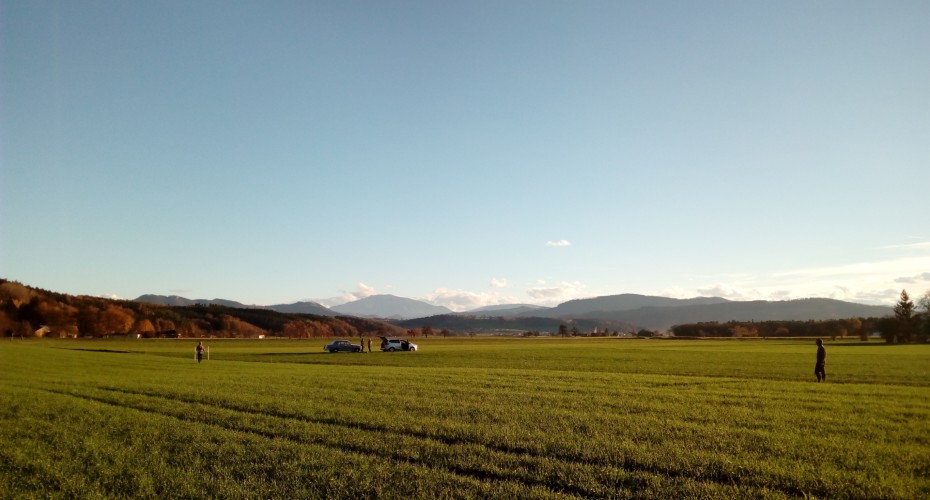
Food Systems and Foodways in the Eastern Alpine Region
The SCI seed-corn funding contributed to feasibility studies of analysis methods for a grant proposal that aims to investigate early medieval (5th to 11th centuries CE) food systems and environmental change in two areas of Central Europe, Lower Austria and Štajerska (Slovenia). The project employs a holistic and multidisciplinary approach to reconstruct early medieval foodways from production to exchange and consumption, and situate these processes within broader climatic, economic, and socio-political contexts, while also serving as an illustrative case study for how communities respond to conditions of political and economic instability, environmental change and food insecurity, thus offering important insight for contemporary societies facing similar challenges.
Dr Helena Fornwagner (Economics, ESE)
Menopause – So what? A holistic approach on Hot Flushes, Economic Choices, Psychological Measurements, and Health Conditions
Thanks to the seed funding, I collected the first-ever observations (N=1,034) on the risk behaviour of menopausal women. The results, which show that menopausal women are less risk-seeking than other individuals, provide significant new insights for scientists, policymakers, and other stakeholders. The data was instrumental in supporting a Wellcome Trust Career Development Award application.
More information: www.menopausesowhat.org
Dr Ruth Cherrington (Management, ESE)
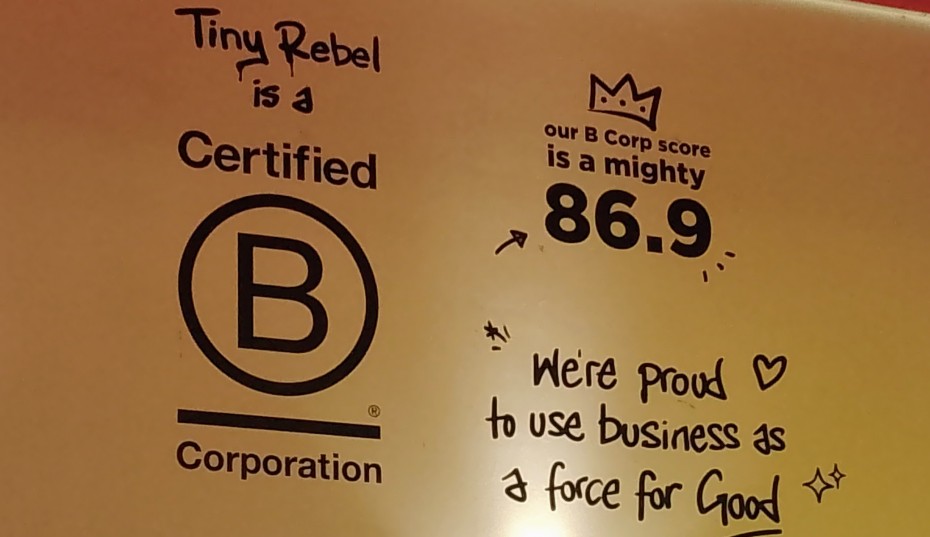
Interdisciplinary Insights into Values-Based Clustering: Exploring Sustainable Business Practices in Wales
With seed-corn funding from the Societies and Cultures Institute (SCI), our team visited Wales and organized an internal workshop focused on the interdisciplinary nature of values-based clustering in the context of B Corp certification. The workshop fostered cross-disciplinary collaboration, deepening our understanding of how shared values drive sustainable business practices.
Professor Freyja Cox Jensen (Archaeology and History, HASS)
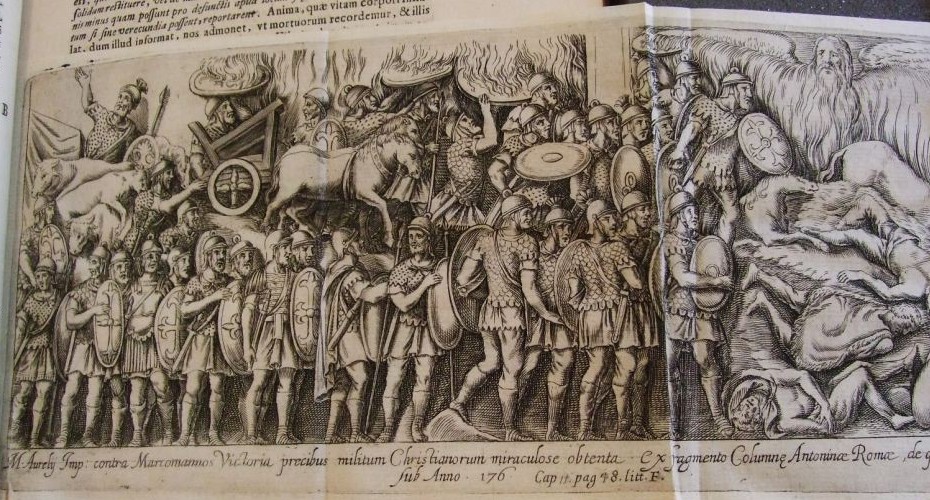
European Colonialism and the Reinvention of Ancient History
This project places the early modern reception (publication, translation, consumption, and ‘influence') of classical historiography in a global and de-colonial context. It aims to:
- advance the globalisation and decolonisation of early modern cultural and literary studies
- contribute significantly to a more global, and decolonised, understanding of classical heritage and classical reception studies
Dr Semih Celik (Archaeology and History, HASS)
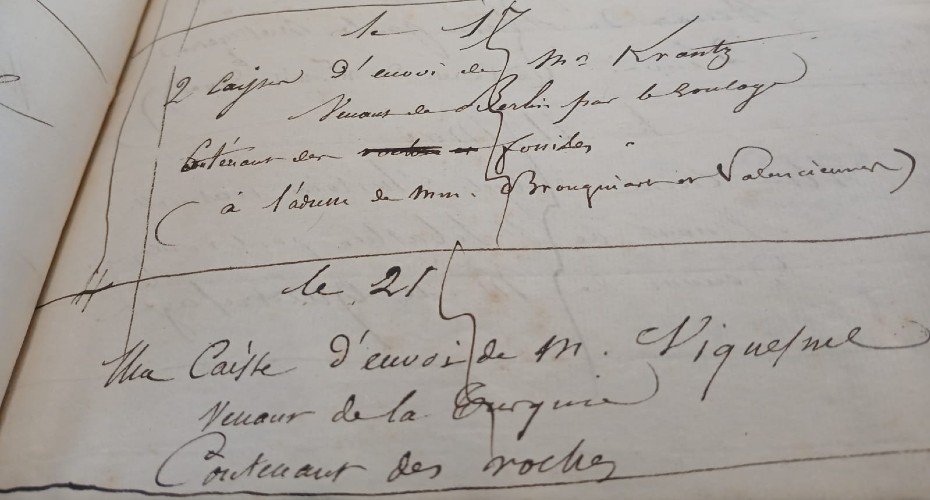
OttomaNHM – Exploring and Digitizing the First Ottoman Natural History Museum and its Eco-Heritage
This project explores the history of the first Ottoman natural history museum, founded in 1838 in Istanbul, which was completely destroyed by fire in 1848. It situates the museum as part of a unique knowledge infrastructure, well-connected with European scientific networks, and aims to digitize objects sent to the European natural history museums through the Ottoman museum in order to recreate the museum digitally.
Professor James Clark (Archaeology & History, HASS)
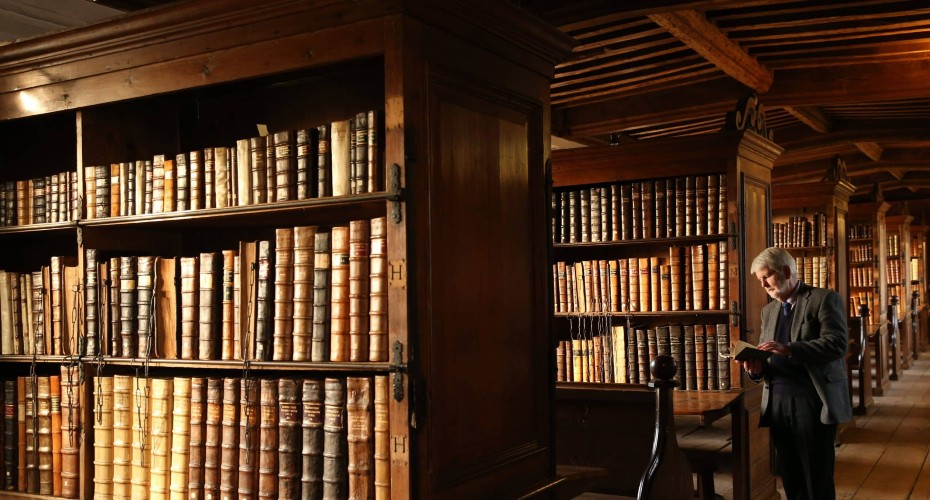
Opening heritage libraries for a people’s cultural history of the South West
South-West England holds some of the most significant heritage libraries in the UK preserving books more than 1000 years old, some of the earliest examples of print and rare volumes that first publicised the discoveries of explorers and experimental scientists. This project pilots a fresh approach to the public presentation of these cultural treasures. Rather than a focus on the exclusive qualities of the books, their arcane learning, skilful and costly presentation, our aim is to turn the spotlight on the agency of these books as social artefacts, their origins and their subsequent journeys, the many places and faces of their ownership, and the many different contexts in which they were read, tales that can be traced as much in their blemishes as their beauty, the scribbles and stains, tears and losses found between their bindings. We will test how we can tell these stories most effectively using interactive exhibits, creative activities in script, image and binding and in self-discovery trails.
Dr Christine Lehnen (English and Creative Writing, HASS)
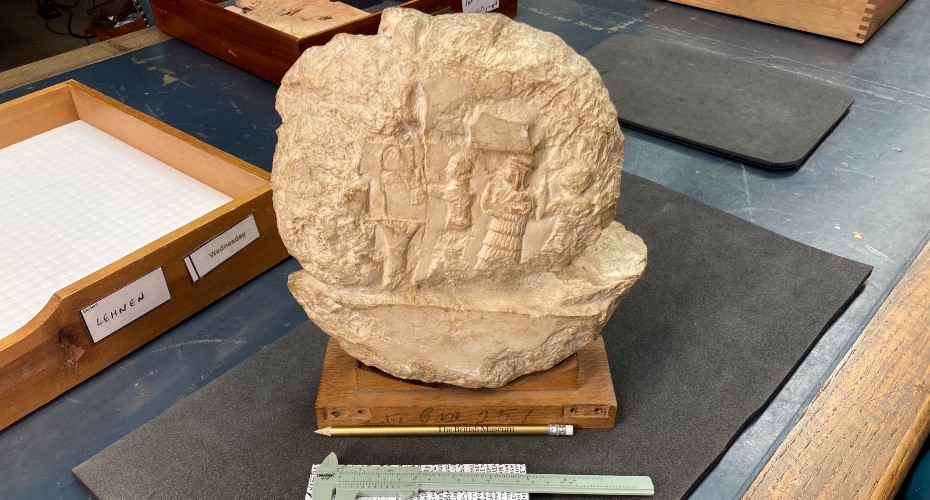
Hopeful Histories: Professionalising practice-based research in historical archives
Most of the public gleans information about the past from popular culture rather than History; however, there are no routes available for creative practitioners and practice-based researchers to receive training in archival and field research, with the result that they are often unfamiliar with and intimidated by the procedures. Using the case study of marginalised histories of women in Old Babylonia, I piloted and developed the emerging inter-disciplinary research method of ‘transhistorical tracing’ in the collections of the British Museum. London, and the Ashmolean Museum, Oxford.
Dr Raawiyah Rifath (Law, HASS)
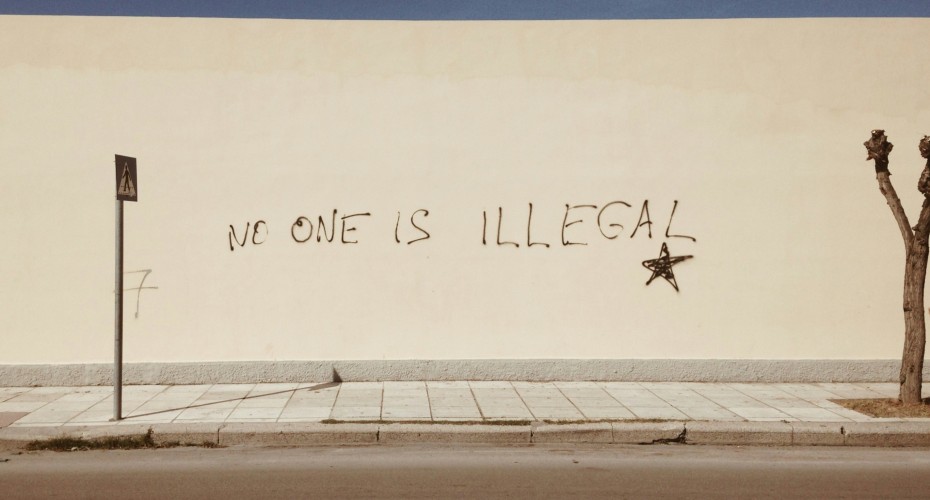
Brave New World: Sexual and Gender Diversity Asylum under the Shifting Sands of the New Plan for Immigration
Our transdisciplinary project investigates the implementation and effects of new asylum legislation and policy on sexual and gender minority (SGM) asylum claimants. The aim of this research is to assess both the legal and social factors of asylum-decision making on SGM asylum claims under this new legislative framework.
Damian Clarke (Economics, ESE)

Health Systems in Crisis: Understanding Responses to Health Spending Shocks
The SCI Seed Corn Fund has supported research examining shocks to health system functioning in multiple contexts, including increasing ambulance response times in the United Kingdom, declines in access to reproductive aid in Africa following the implementation of the "Global Gag Rule", and a sharp increase in health financing in Brazil following constitutional reform and increases in health spending. Each of these projects uses administrative or other sources of big data to quantify the impacts of these shocks on population-level health outcomes. Part of this work has recently been presented at the US National Bureau of Economic Research "Determinants of Mortality" workshop, and research is ongoing with both public outreach and further scholarly activities planned.
Dr Enes Unal (UEBS, ESE)
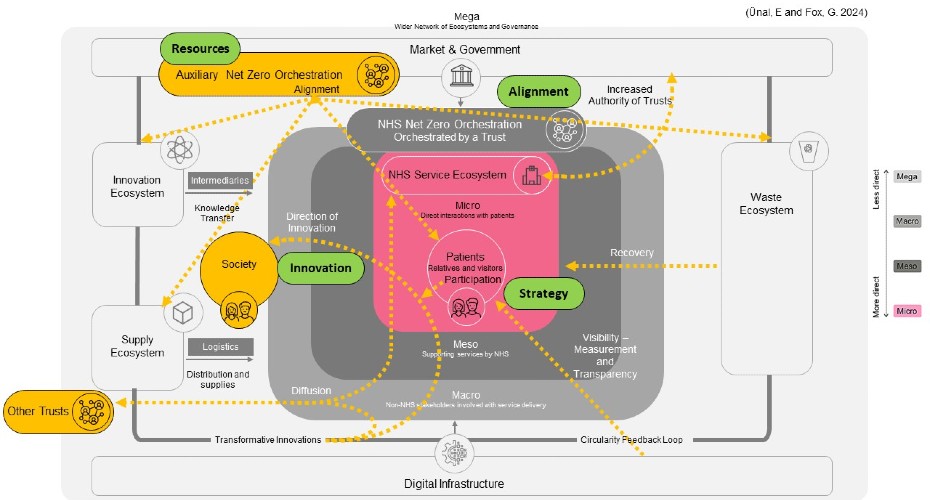
Net Zero Transformation of the NHS in Polycrisis: Alternative Roadmap and Ecosystem Mapping Tool
This study contextualizes the premises of circular economy and net zero transformation based on the different level of the health care service ecosystem. Accordingly, we proposed a four stage approach: Resource Allocation and Management, Ecosystem Alignment and Coordination, Innovation and Transformation Planning, Sustainability and Net Zero Strategy, Initiatives and Practices.
Dr Birgul Yilmaz (Languages, Cultures & Visual Studies, HASS)
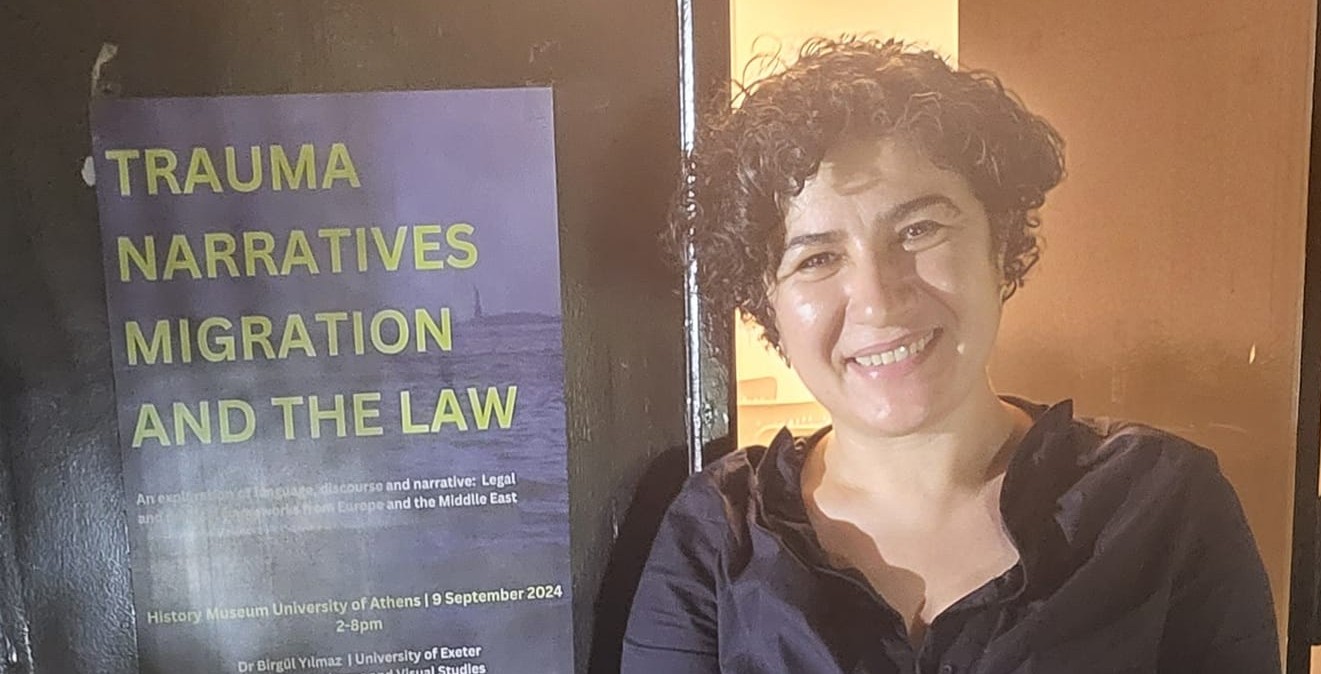
Trauma Narratives, Migration and the Law
This project is an exploration of language, discourse and narrative, focusing on legal
and medical frameworks from Europe and the Middle East. Dr Yilmaz used SCI Seed Corn funding to bring together stakeholders and build dialogue and collaboration on her research topic at a roundtable event. Participants attended from Greece, Cyprus, Jordan, Iraq, Lebanon and Italy. The event took place at the History Museum University of Athens and 20 academics and practitioners participated in the event.