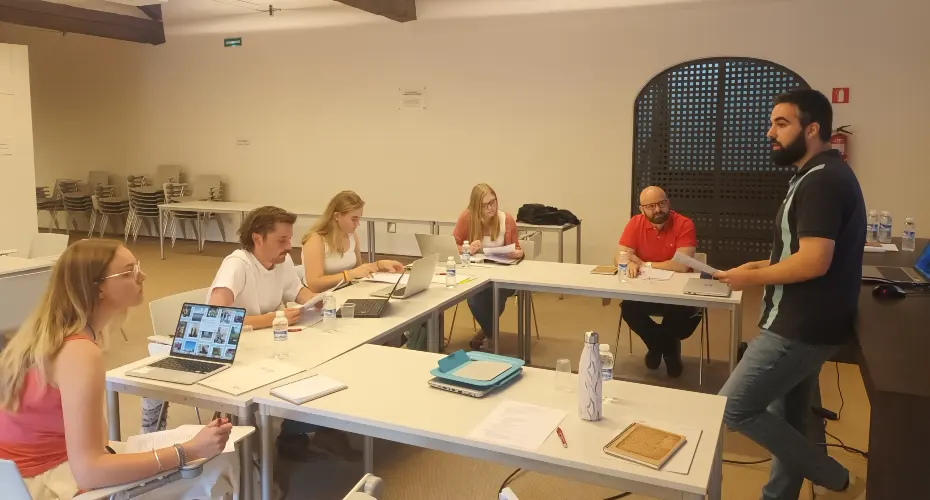
The MA Translation Studies at the University of Exeter combines translation theory with practical training, enabling you to develop professional translation skills across multiple languages. You will take part in seminars and lectures focused on a variety of translation tasks and topics, including climate change, sustainability and responsible communication. Hands-on multilingual workshops maximize the ‘must-have’ ability to operate within complex intercultural settings and shape global language experts. Small group activities and collaborative projects strengthen the critical assessment of generative AI, project management, post-editing and proofreading expertise, supported throughout by a personal tutor.
Career-focused tasks such as pitching literary translations, preparing client quotes, completing simulated briefs and compiling reports on accessibility provision help you build industry-ready skills in translation, localisation and language services.
Research-led teaching and funded projects
Our modules in Translation Studies are taught by award-winning teacher translators and internationally recognised scholars producing cutting-edge research, as well as by practising professionals including specialist translators, project managers and copyeditors. Teaching is shaped by active, world-class research in Translation Studies. Modules reflect current debates and emerging trends, ensuring you engage with the latest developments in areas such as eco-translation and the environment, migration and translation, gender and translation, translation activism, intercultural mediation, transmediality and adaptation, visual translation, the history of translation, translation as an interdiscipline, working with rhetoric and museum studies and material culture.
The MA is directly connected to a major Canadian government funded humanities award, the SSHRC Partnership Grant worth CA$2.1 million for 2025 to 2032. This supports the project ‘Confluence of Religious Cultures in Medieval Historiography: A Digital Edition of the General e Grand Estoria’, led by the University of British Columbia. As part of this partnership, two MA students are recruited as paid interns, gaining specialist research and invaluable translation experience alongside their studies.
Library
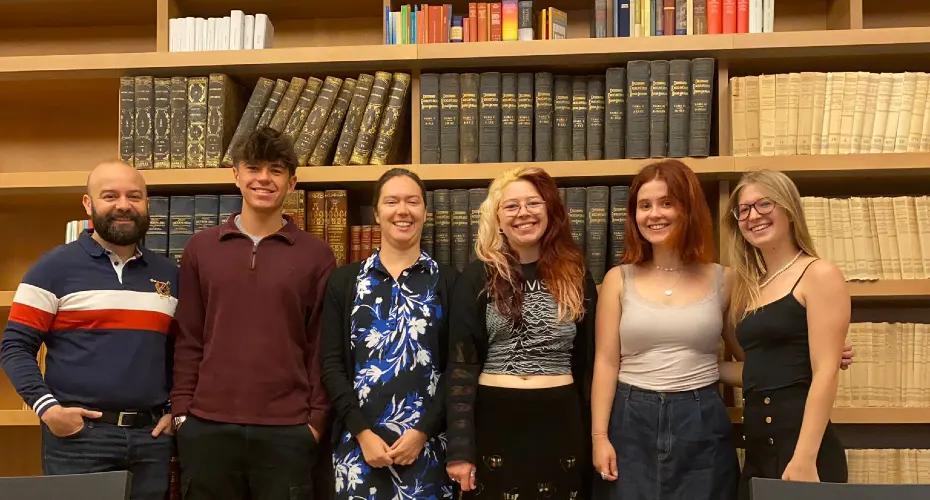
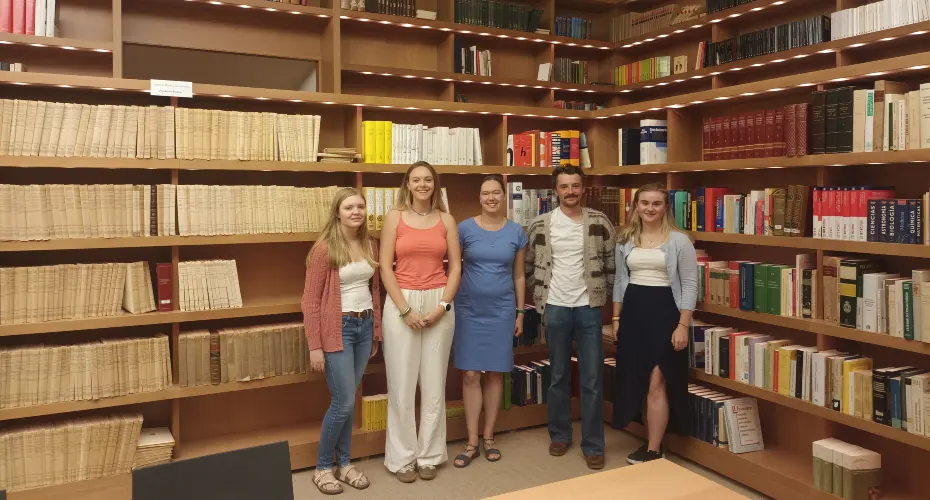
You will have access to extensive library resources, including specialist collections in translation and intercultural studies. Digital databases, journals and e-books support coursework and dissertation research. Library staff provide workshops and one-to-one guidance to help you locate and use sources effectively.
Facilities
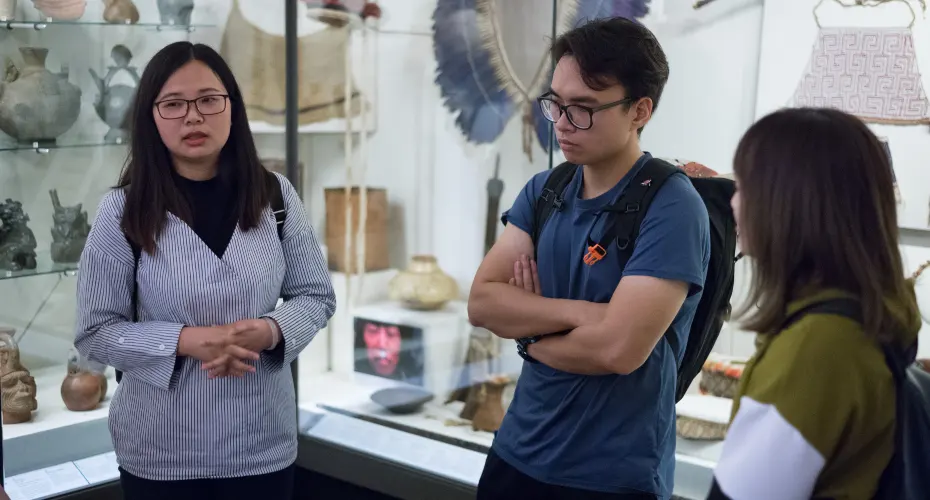
Modern facilities include computer labs equipped with professional translation memory software and Computer-assisted Translation (CAT) tools, including Trados Studio, MemoQ, Star Group Transit and Omega-T. Exclusive access to the Bill Douglas Cinema Museum and the Digital Humanities Lab offers a highly distinctive experience, enabling you to apply creative skills in a professional setting and curate projects with 3D printers for accessible models.
Partnerships
We have long-standing relationships with professional bodies such as the Institute of Translation and Interpreting, the Chartered Institute of Linguists and memberships with various associations, including the Association of Programmes in Translation and Interpreting. We also have relationships with international, national, regional and local translation agencies, in particular Exeter translation agency Cadenza Academic Translations. Cadenza Academic Translations works closely with national governmental research agencies, including France’s National Centre for Scientific Research (CNRS). It has regularly served as a site for translation and project manager work placements and has hired several of our graduates.
Research Centres
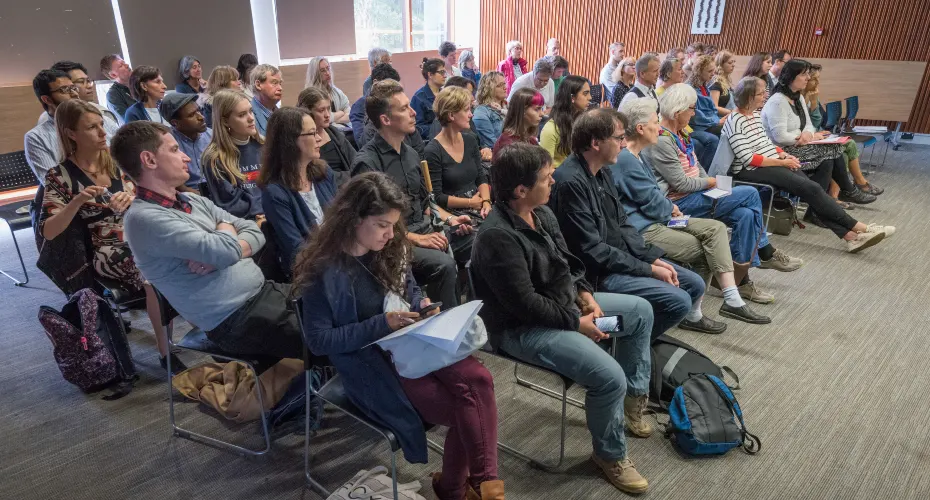
The programme is supported by departmental research centres, including the Centre for Translating Cultures, and is closely connected to world leading research in Translation Studies. Visiting speakers and seminar series introduce you to leading experts and current debates in translation, cross-cultural and language studies, helping you develop evidence-based knowledge and an informed understanding of industry practice.
Dissertations
A highlight of the course is the 60-credit Dissertation module, where you will choose an in-depth independent research or translation project that you’re passionate about. Students in the past have produced experimental translations of contemporary writing, finely attuned critical analyses of existing translations or multilingual artefacts and linguistic landscapes, creative evaluations of subtitles of their favourite series, and incisive explorations of the role played by translators in moments of political and cultural transformation.
Extra-curricular opportunities
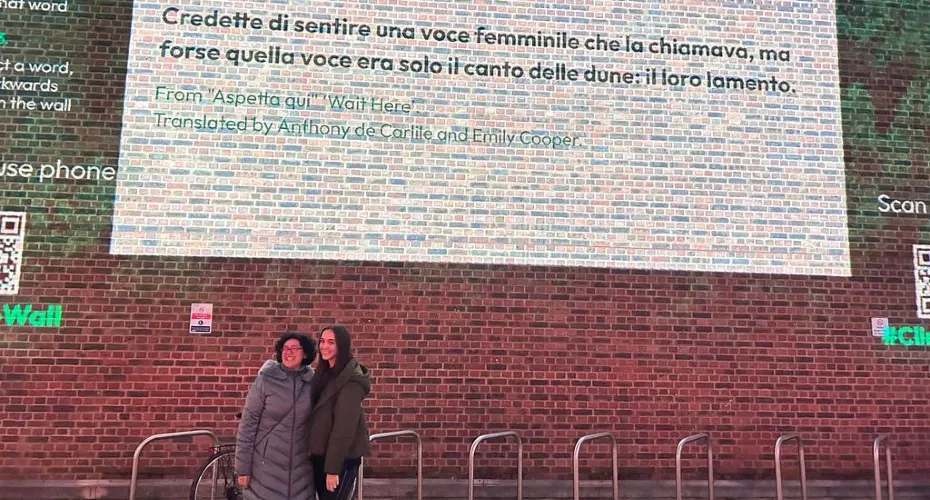
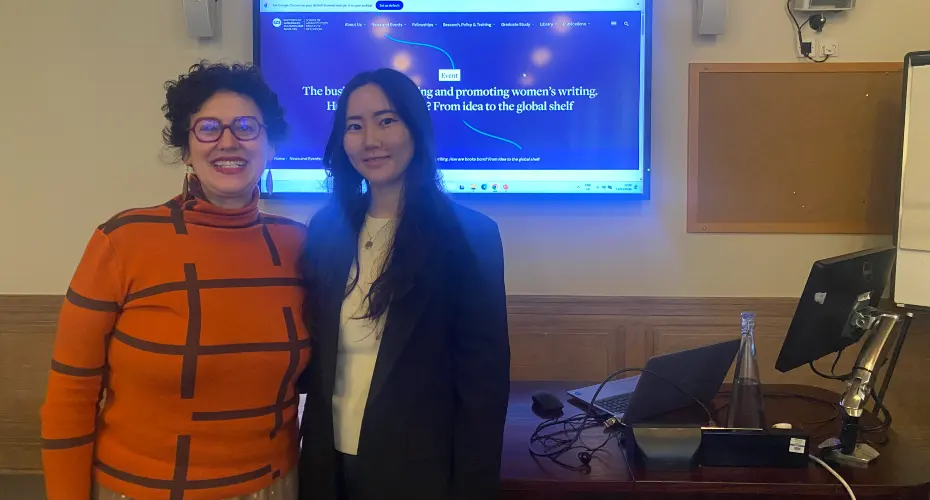
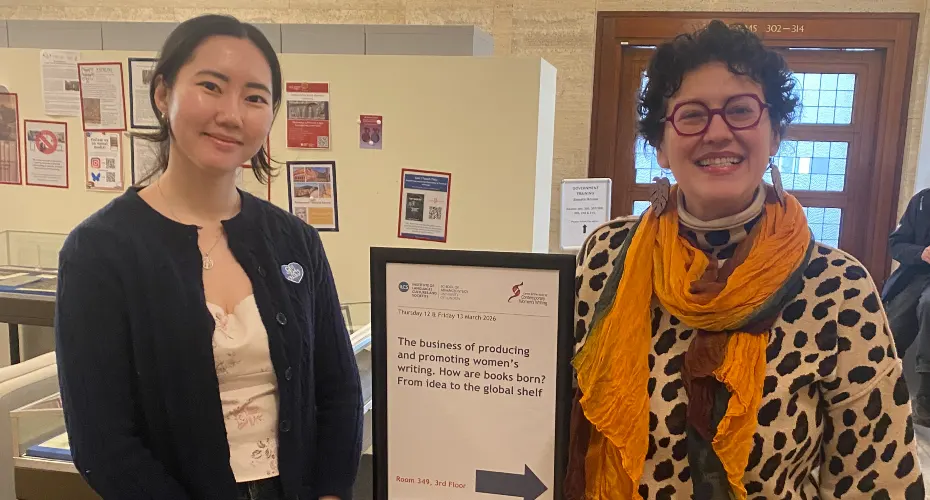
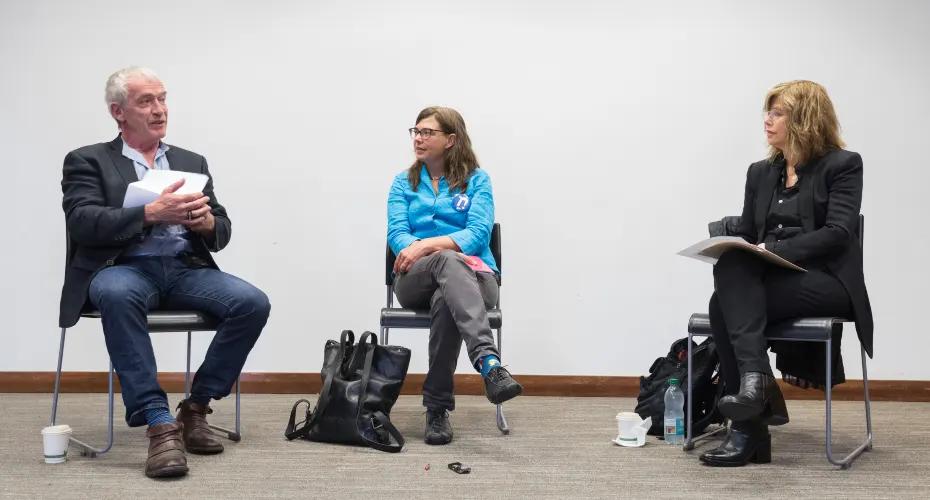
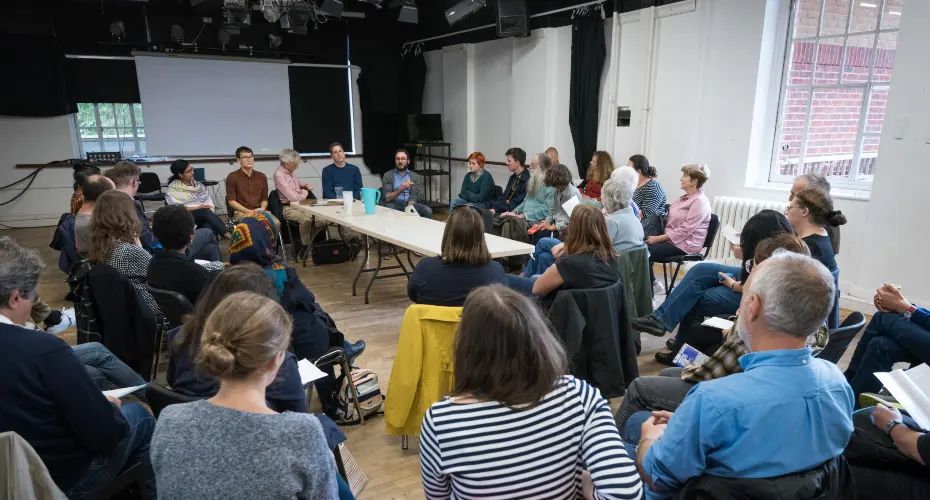
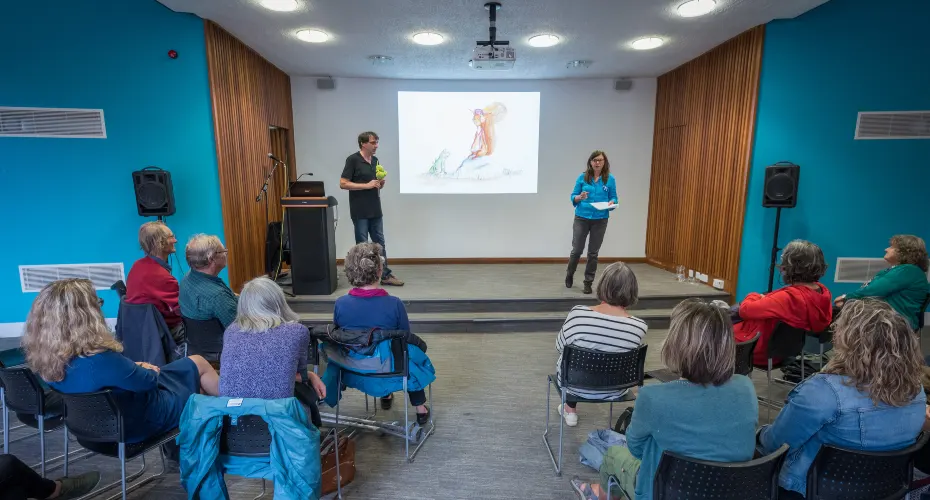
You can take part in professional and public engagement events that enhance academic development and career preparation. A highlight is the biennial Translation! Festival in Exeter city centre and on campus, the only festival of its kind in the UK, featuring authors and translators, translation slams, games, and interactive workshops.
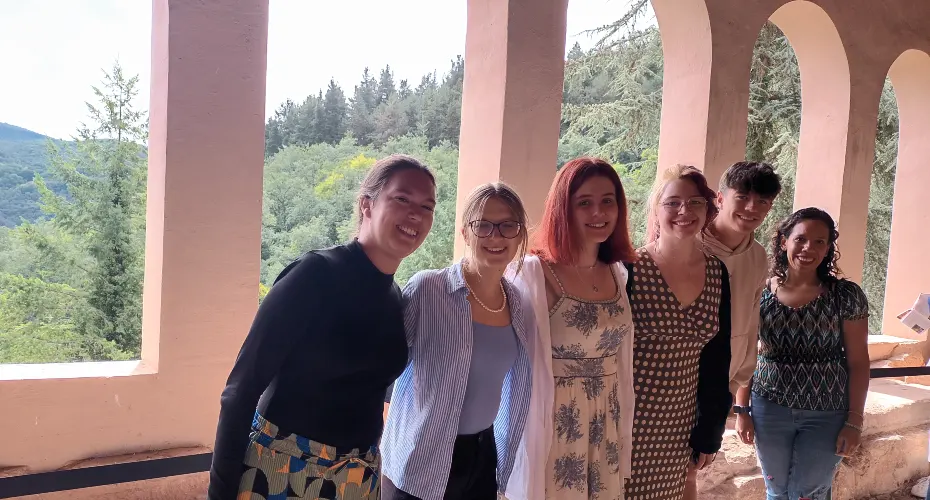
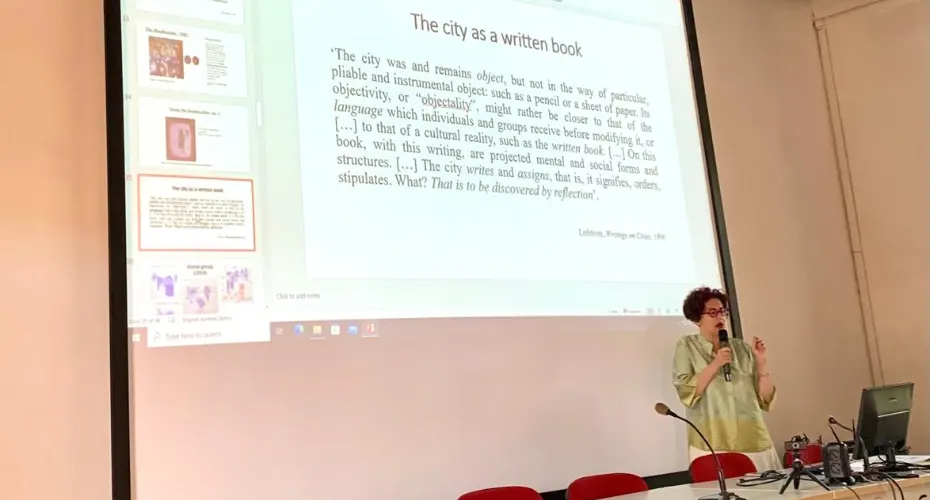
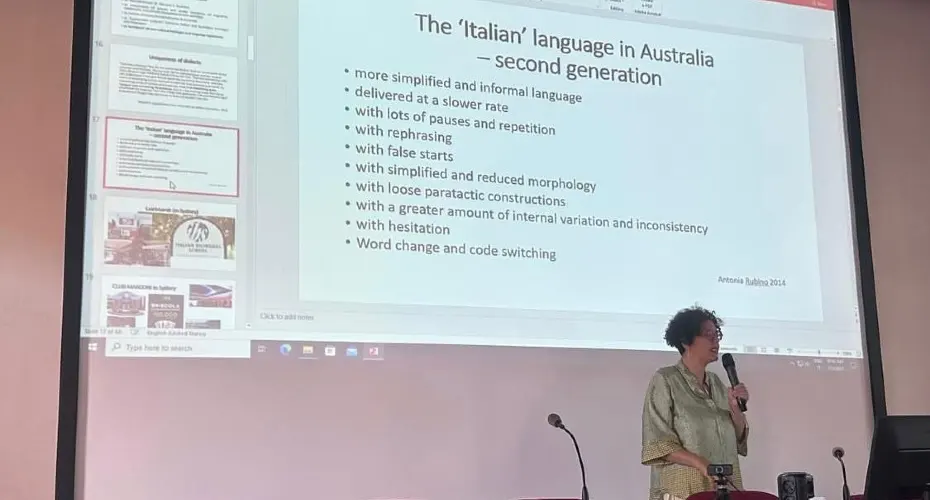
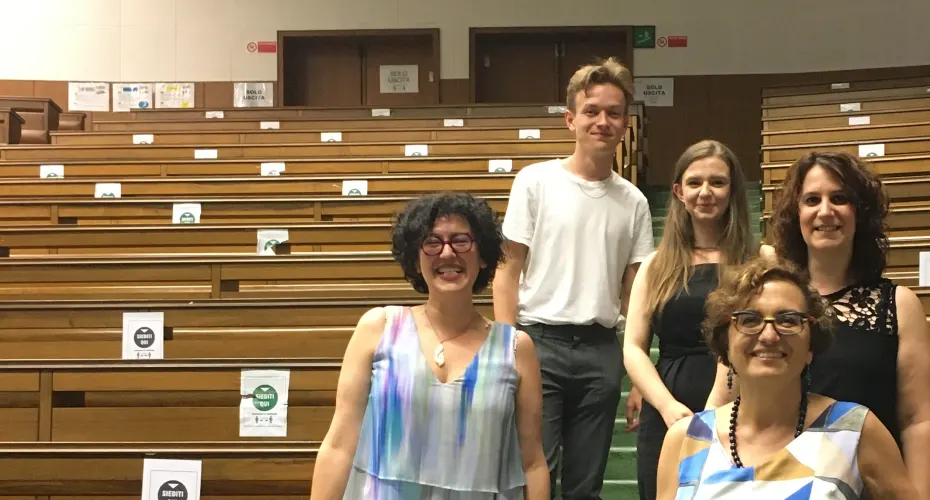
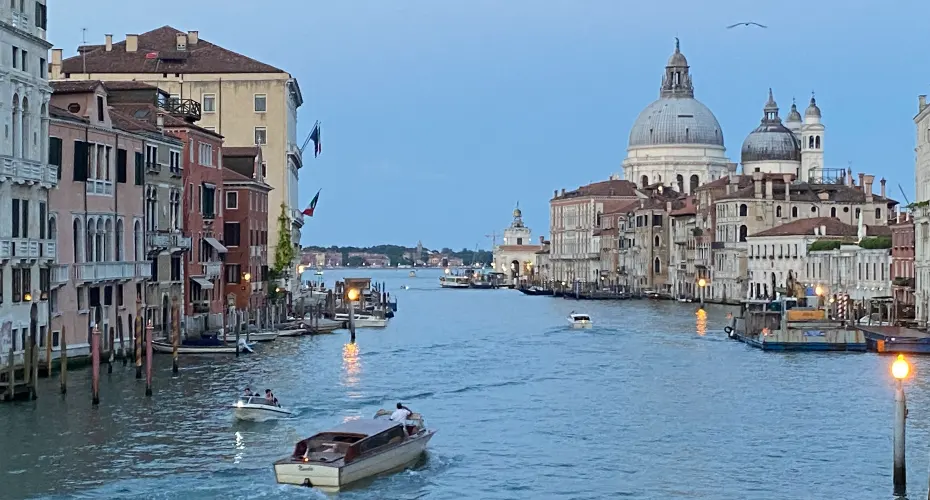
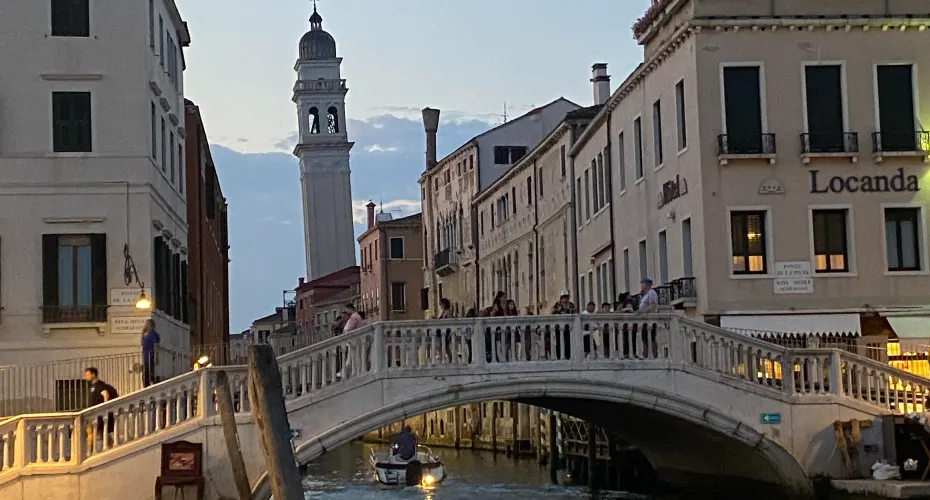
Students may also apply for the Venice International University Summer School on Linguistic Landscapes: Using Signs and Symbols to Translate Cities, held each June and July in the beautiful Venice Lagoon, with discounted places available. In addition, you can contribute to eco-translation projects linked to the internationally impactful University of Exeter Green Futures initiatives, with translation work showcased at United Nations Climate Change Conferences.
You can use our successful Career Zone which can help you gain the expertise and experience employers are looking for. Along with the guidance offered by your tutors, our Career Zone gives you the support you need to choose your career path (both in translation and the language services) and various opportunities to enhance your employability, including sourcing volunteers from successful alumni to as part of mentorship schemes.