The SEBU project: Site selection to protect papyrus Endemic Biodiversity in Uganda
Research overview
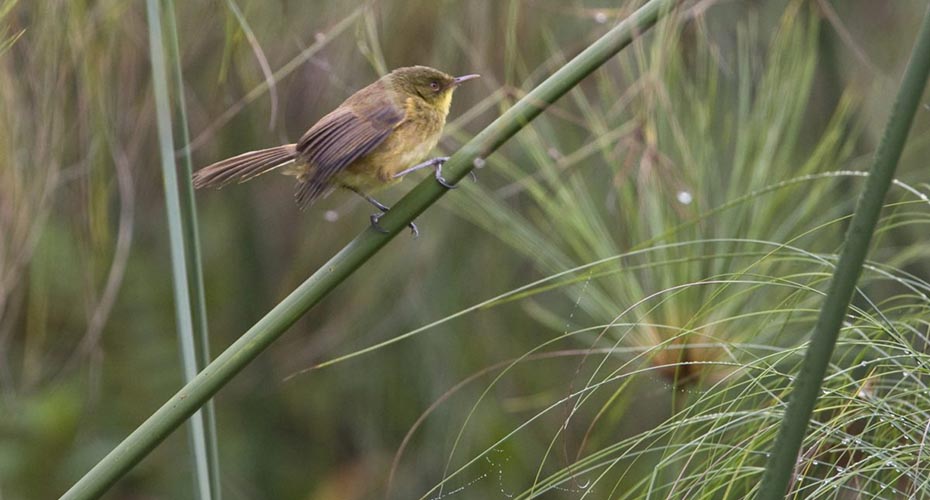
Wetlands, many dominated by papyrus, cover 13% of Uganda, but are rapidly declining owing to drainage for crops and livestock farming. Those that remain are subject to mounting human pressures, including vegetation harvesting, overfishing and pollution. As a result of these human practices, specialised biodiversity, including birds, is threatened and ecosystem services for society are rendered ineffective.
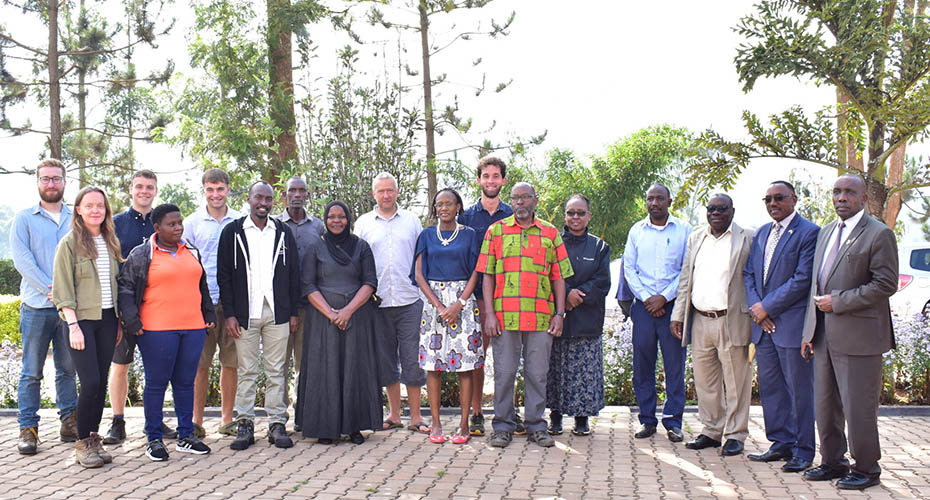
Site Selection to Protect Papyrus Endemic Biodiversity in Uganda (SEBU) is led by Kabale University in partnership with the University of Exeter and a range of other in-country organisations. Funded by the JRS Biodiversity Foundation, SEBU intends to protect the biodiversity in papyrus wetlands in Uganda.
A particular focus is placed on the papyrus wetlands in the Albertine Rift, which extend from the northern boundary of Rwanda in the south to the northern tip of Lake Albert in the north. Working with the Albertine Rift Conservation Society (ARCOS), SEBU places healthy biodiversity and proper management of natural resources in the region at the fore of the project.
Key objectives
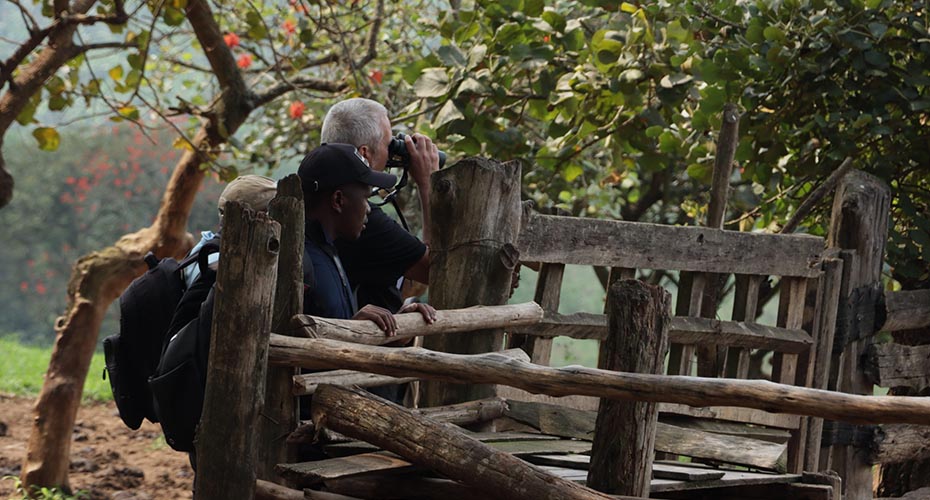
In this project, data are being generated on the distribution, abundance, habitat use of birds, reptiles and amphibians in order to determine priority areas for area-based protection and to advocate for their protection in accordance with Uganda’s 30 by 30 commitments. To inform the National Biodiversity Strategy and Action Plan, and ARBMIS, eBird and the World Database on KBAs, the data will be shared on data portals for the Uganda National Biodiversity Databank and GBIF.
Impact
So far, the researchers have identified areas in south-west Uganda as some of the most threatened ecosystems in East Africa. For Uganda’s 30-by-30 targets, four key areas have been identified for protection. The connections and heterogeneity of the habitat makes these areas important for all species. The researchers believe they can halt the rapid decline of papyrus-endemic birds by investing more conservation resources in maintaining the size, quality, and connectivity of the key sites identified.
"The SEBU project shows the value of genuine partnership. UK researchers contribute technical expertise in biodiversity monitoring and data analysis, while Ugandan partners provide crucial knowledge of wetland management, conservation delivery, and the regional policy landscape. This combination ensures that our research is not only scientifically rigorous but also aligned with national and regional conservation priorities. By working together, we can identify priority areas, inform policy, and translate evidence into tangible outcomes for biodiversity and the communities who depend on these ecosystems."
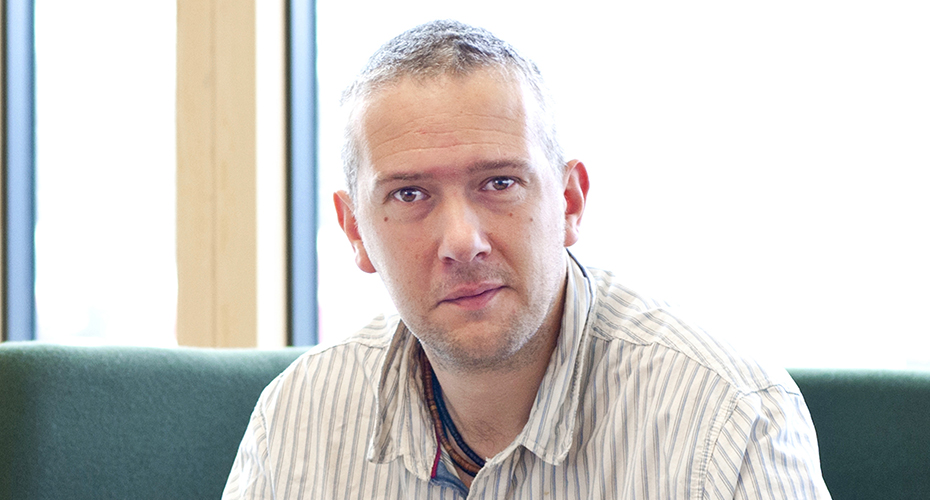
Professor Ilya Maclean
To be confirmed
Kabale University Scholars Embark on a Transformative Data Analysis Journey at the University of Exeter (June 2024)
The SEBU project bears fruit as UK student collaborators graduate (March 2024)
University of Exeter team visits Kabale University under the SEBU Project (July 2023)
JRS Biodiversity Foundation Funds 3 Year Project at Kabale University (July 2023)
Kabale University SEBU Project to Protect Biodiversity (June 2023)
Prioritizing Papyrus Wetland Protection in Western Uganda (February 2023)
Project team
Prof Ilya Maclean
Dr Lynda Donaldson
Dr Julius Arinaitwe
Sempungu Joseph Godfrey
Stephen Kigoolo
Dr Fiona Mutekanga