MSci Biochemistry
| UCAS code | C738 |
|---|---|
| Duration | 4 years |
| Entry year | 2027 |
| Campus | Streatham Campus |
| Typical offer | A-Level: AAA |
|---|---|
|
A-Level: AAC |
Why study MSci Biochemistry at Exeter?
- Our biochemistry integrated masters degree focuses on understanding biological systems at a cellular and biochemical level.
- Emphasises cellular biochemistry, with specialist modules covering key topics aimed at understanding why the cell is the functional unit of life
- Our four-year programme mirrors the BSc Biochemistry programme during the first three years, but also includes completion of a research-focused MSci.
- This degree leads to career opportunities in biotechnological, pharmaceutical and other industries, as well as many further study options, including PhD, MSc or MRes programmes

Top 100 in the world for Biological Sciences
QS World University Subject Rankings 2026

State-of-the-art teaching laboratory for observational, experimental and numerical aspects of biosciences

Top 5 in the Russell Group for student satisfaction in 6 out of 7 themes
National Student Survey 2026: Biosciences

Top 5 in the UK for Biology
Entry requirements for 2027 entry (typical offer)
| Qualification | Typical offer | Required subjects |
|---|---|---|
| A-Level | AAA | A in Biology and A in Chemistry |
| IB | 36/666 | HL 6 in Biology and HL 6 in Chemistry |
| BTEC | DDD | Applicants studying a BTEC Extended Diploma will also require GCE A-level grade A in Biology and grade A in Chemistry. |
| GCSE | C or 4 B or 5 |
Grade C or 4 in English Language and either Double Award Science or Chemistry Grade B or 5 in Mathematics |
| Access to HE | 30 L3 credits at Distinction Grade and 15 L3 credits at Merit Grade. | To include at least 15 L3 credits at Distinction Grade in an acceptable Biology subject area and 15 L3 credits at Distinction Grade in an acceptable Chemistry subject area. |
| T-Level | T-Levels not accepted | N/A |
| Contextual Offer | A-Level: AAC |
Specific subject requirements must still be achieved where stated above. Find out more about contextual offers. |
| Other accepted qualifications | ||
| English language requirements |
International students need to show they have the required level of English language to study this course. The required test scores for this course fall under Profile B2. Please visit our English language requirements page to view the required test scores and equivalencies from your country. |
|
NB General Studies is not included in any offer.
Grades advertised on each programme webpage are the typical level at which our offers are made and provide information on any specific subjects an applicant will need to have studied in order to be considered for a place on the programme. However, if we receive a large number of applications for the programme we may not be able to make an offer to all those who are predicted to achieve/have achieved grades which are in line with our typical offer. For more information on how applications are assessed and when decisions are released, please see: After you apply
Course content and modules
The four-year MSci Biochemistry programme mirrors the BSc Biochemistry programme during the first three years, but also includes an additional fourth year during which you will undertake a research project. This will focus on a specialised area aligned with one of our leading research groups. You will also undertake advanced modules in your final year.
The degree programme in Biochemistry focuses on understanding the biochemical control of biological processes, particularly in the cell, and the tools for investigating these mechanisms.
A broad first year gives a firm foundation for your degree with modules in biochemistry, cell biology, genetics, microbiology, organic and inorganic chemistry.
As you progress, this degree focuses on cellular biochemistry, providing specialist modules aimed at understanding key topics at the frontiers of cell biology. In addition to biochemistry, metabolism and cell biology, you will choose from a range of optional modules on topics from biological chemistry through medical and general microbiology to evolutionary biology.
In your third year, you'll put your analytical and experimental skills to use through a supervised research project, and engage with the latest Biochemical research and the challenges for the next generation of scientists.
In your fourth year, you will undertake a research project focused on a specialised area aligned to one of our leading research groups. You will also undertake advanced modules in this final year.
Modules
You may notice changes to some of our modules over the coming months. This is because we are making space for the following:
- Minors: Future Skills Pathways - Alongside your main degree you may be eligible (depending on your course) to choose modules from another subject to broaden your skills and interests.
- Skills to Thrive built into every degree - Essential skills for your future, including communication, problem-solving, teamwork and digital confidence.
- Increased innovation and wellbeing - More room for creative learning, real-world projects and a healthier study rhythm.
The modules below provide examples of what you can expect to learn on this degree course based on recent academic teaching. The precise modules available to you in future years may vary depending on staff availability and research interests, new topics of study, timetabling and student demand.
Please note that the module information displayed here is subject to change.
120 credits of compulsory modules
| Code | Module | Credits |
|---|---|---|
| Compulsory 1 | ||
| Biochemistry | 15 | |
| Fundamental Principles for Bioscientists | 15 | |
| Genetics | 15 | |
| Microbiology | 15 | |
| Cells | 15 | |
| Structure and Reactivity of Organic Compounds I | 15 | |
| General Chemistry | 30 | |
BIO1332: Biochemistry
Life is driven by biochemical reactions. Biochemistry is an introductory module providing the essentials for understanding all living processes. You will study protein structure, enzyme kinetics and basic metabolism; understanding how each of these processes function and shape the living cell. Practical sessions offer you vital hands-on experience, learning key techniques and how to apply them. Core biochemical experience is highly relevant to applications in biotechnology and medical science. This module provides the foundation from which you may progress to higher level modules in Metabolism, Analytical Techniques in Biochemistry, Bioinorganic Chemistry, and Pharmacology and Medicinal Chemistry.
In order to take BIO1332 you must normally have an A Level (or equivalent) in Biology. An A Level (or equivalent) in Chemistry is also very useful.
This module aims to teach you core concepts in biochemistry including topics on structure of proteins, enzyme kinetics and metabolic pathways. The module will also provide a background to fundamental aspects of chemistry. This module provides you with the core knowledge and skills to enhance performance in the area of biological chemistry and is a pre-requisite for second year modules in Metabolism, Analytical Techniques in Biochemistry, Bioinorganic Chemistry, and final year modules in Energy Metabolism and in Pharmacology and Medicinal Chemistry.
BIO1333: Fundamental Principles for Bioscientists
As bioscientists you need to be equipped with skills that allow you to work in a safe, competent and confident manner. You will be trained in basic laboratory skills and safety issues and given guidance on experimental design, data handling and basic statistical analysis. In this module you will be introduced to a range of practical and transferable skills in areas including scientific writing, teamwork, good research practice, and the use of subject specific software and Artificial Intelligence. Aspects of personal development will be discussed that will aim to build your personal resilience in a scientific context through reflection on personal practices. Personal goals and employment/career options will also be examined, and you will be introduced to our Biosciences Graduate Skills & Attributes Framework and how it can be used to map your skills attainment over the course of your degree.
In order to take BIO1333 you must normally have an A Level (or equivalent) in Biology.
BIO1334: Genetics
Genetics is fundamental to understanding life sciences. In this module you will gain an understanding of how information is stored and inherited in living organisms. You will consider genetics from the perspectives of DNA structure, gene expression, genome replication, heredity, genes in populations, and evolution. Modern techniques in DNA sequencing and the exploration of gene diversity will be introduced, with examples from humans and other organisms. In laboratory sessions you will learn and practice core molecular biology techniques. The coursework elements will develop your statistical analysis and problem-solving skills, together with providing an opportunity to learn and evidence strategies for successful group work and project management.
In order to take BIO1334 you must normally have an A Level (or equivalent) in Biology.
This module serves as an introduction to fundamental concepts in genetics, equipping you with essential knowledge for further study in the topic and life sciences in general. Genetics will be approached from the perspective of molecules, cells, individuals and populations. The module also gives you the opportunity to learn and practice important laboratory techniques, data collection and statistical analysis. Moreover, the practical content teaches you strategies for successful group work and project management, and the related activities enable you to develop and evidence these important graduate competencies.
BIO1337: Microbiology
This module introduces the microbial world, enabling you to explore core concepts and skills through lectures and practical sessions. The core concepts are focused around five themes: evolution, information flow, metabolic pathways, structure and function, and the impact of micro-organisms. These themes and concepts will be explored through a diverse range of microorganisms including bacteria, viruses, protists and fungi. This will introduce you to a wide variety of biological concepts ranging from an evolutionary perspective through to modern day medical microbiology. You will learn and practice core microbiology techniques in the laboratory and will develop your statistical and problem-solving skills.
In order to take BIO1337 you must normally have an A Level (or equivalent) in Biology.
This module serves as an introduction to the fundamental concepts in microbiology. These aspects of biosciences are fundamental to any understanding of the subject and underpin every degree in the subject. The module also aims to provide you with the basic knowledge that will enable you to take second and final year modules in microbiology.
BIO1339: Cells
This module takes you on a trip around the fundamental unit of life - the cell. With particular emphasis on its dynamic nature, and using examples from bacteria to plants to animals, you will learn how cells use membranes and proteins to organise themselves, and how they communicate both within and without their confines. It also considers the guiding principles that govern formation of a multicellular organism such as cell division and tissue development.
In order to take BIO1339 you must normally have an A Level (or equivalent) in Biology.
This module introduces core concepts in cell and developmental biology. The subject will be approached by considering what fundamental principles make the cell the unit of life, what separates the inside from the outside, how intracellular compartments ensure functional modulation and how neighbouring cells work together for the good of the organism. These principles are fundamental to any understanding of the biosciences and underpin any degree in the subject. In particular, this module aims to provide you with knowledge and understanding that will enable you to take second and final year modules in cell biology, developmental biology and molecular biology.
BIO1345: Structure and Reactivity of Organic Compounds I
Building on the principles of structure and reactivity of organic molecules studied at A-Level or equivalent, this module provides fundamental information on aspects of stereochemistry and the basics of addition, substitution and elimination reactions. Along with module BIO1347, this module provides the backbone of modern chemistry, enabling you to understand the chemical reactions that form the basis of synthetic routes to biologically important compounds such as pharmaceutical products and the chemistry of fundamental life processes. This module also enables you to progress to the study of pharmaceutical product development in the second and final years, the areas of highest potential employability for Biochemistry/Biological and Medicinal Chemistry graduates.
In order to study this module, you are required to have A-level Chemistry or equivalent.
The module builds on the knowledge of the basic principles of organic chemistry gained at A-level (or equivalent). It aims initially to reinforce previous work and bridge between A-level and degree level, bringing all students to a common level of information and understanding. The module then will build on the principles of structure and reactivity of organic molecules, providing fundamental information on aspects of stereochemistry and the basics of addition, substitution and elimination reactions.
Graduate attributes. As part of this module, you are expected to develop the following skills:
BIO1347: General Chemistry
Over your university career and into employment or further study/research, an understanding of the theoretical and practical aspects of chemistry is essential for any biochemist. This module combines general, mathematical, inorganic, and physical chemical concepts for first years. The foundational knowledge built in this module is critical for progression through the Biochemistry programme and underpins the ongoing study of macromolecules, their processes and regulation in Biological systems. You immediately apply these theoretical concepts to practical laboratory work and build skills in practical aspects such as analysis and calculation.
The chemistry theory, detailed below, follows an "atoms-up" approach, beginning with the smallest building blocks of matter and progressing to molecules and reactions. Overall, students will be able to understand the molecular fundamentals which govern biochemistry.
You will finish the module with considerable laboratory experience and will be familiar with the chemistry facilities of our teaching lab.
Through this module, you will gain the following essential skills:
Please note that the module information displayed here is subject to change.
75 credits of compulsory modules, 45 credits of optional modules
| Code | Module | Credits |
|---|---|---|
| Compulsory 1 | ||
| Research Skills and Bioethics | 15 | |
| Structure and Reactivity of Organic Compounds II | 15 | |
| Metabolism | 15 | |
| Advanced Cell Biology | 15 | |
| Analytical Techniques in Biochemistry | 15 | |
BIO2071: Research Skills and Bioethics
This module will help you develop key transferable skills that will assist you with your studies and career development. You will receive training in scientific writing skills, encouraging you to argue your case in a logical and coherent manner. You will also participate in a group 'Dragons' Den' style exercise that will develop your entrepreneurial, problem-solving, team working and presentation skills through the preparation and presentation of a research project proposal. As research is typically quantitative in approach, you will also receive training in experimental design and statistics, including experience of programming languages such as R, through a combination of lectures and workshops. You will also be introduced to bioethics, so that current progress in biology can be appreciated in a broader, societal and ethical context. In addition, you will receive guidance on employability and how skills attainment across your programmes can be identified and evidenced using the Biosciences Skills Framework.
BIO2085: Structure and Reactivity of Organic Compounds II
A vital aim of organic chemistry is to be able to synthesise biologically active molecules. With this in mind, you will explore some of the most important organic reactions used in research laboratories. These reactions, along with those introduced in earlier modules, are then studied in the laboratory. Having been introduced to modern spectroscopic methods for determining the structures of organic molecules, these techniques are then used to identify the compounds which have been prepared in the laboratory. Aromatic compounds are central to the structure of a vast number of important organic molecules and the chemistry of these species will also be studied.
This module builds on your knowledge of the basic principles of organic (and inorganic and physical) chemistry (including practical) learned in the first year. In particular, it is assumed that you will have a thorough working knowledge of the basic principles of structural representation, mechanism, reactivity, functional group chemistry and stereochemistry.
This module aims to show you how chemists determine and confirm the structures of organic compounds spectroscopically and to describe a number of key, basic reactions, particularly of molecules that contain carbonyl groups and aromatic compounds. Each part of the module is designed to reinforce and build on earlier material, thereby giving you a sound understanding of the fundamentals of modern organic chemistry.
BIO2086: Metabolism
Life is dependent on energy generation and controlled synthesis of building blocks (proteins, lipid, polysaccharides and nucleic acids) needed to make cells: this is metabolism. In this module, you will explore the critical principles that underpin metabolism in all organisms: these include the action and control of enzymes and the co-ordination of enzymes into controlled metabolic pathways.
Metabolism is the complex network of reactions that generate energy and synthesise cellular components. In this module an interdisciplinary approach will be used to provide an understanding of the key chemical compounds in metabolism, how enzymes interconvert cellular chemicals, how metabolic pathways are investigated and regulated, and how metabolic engineering can generate compounds of interest.
BIO2088: Advanced Cell Biology
In this module, you will encounter the cell as the fundamental, yet dynamic, unit of life. We will explore the spatio-temporal organisation of processes that define cell function, and you will develop a detailed and in-depth understanding of why and how cells behave as they do, both on their own, and as part of a living organism. Topics covered include cell signalling, intracellular transport, cell division and the regulation of cell shape.
The content of this module is delivered via lectures, two recap sessions and two preparation sessions for the summative assessments as well as by challenging laboratory work in which you will visualise and manipulate individual parts of a cell.
This module aims to develop an advanced understanding of cell biology. It will address the major processes that occur within cells, including principles of cell signalling, regulation of cell shape, cell division, apoptosis and the functions of the endomembrane system. The aim is to first understand the fundamental molecular principles which underpin how cells function and to link this to specific scenarios and contexts such as cell communication and disease. The module also aims to develop specific laboratory skills, focusing on microscopy, and includes data and image analysis.
BIO2090: Analytical Techniques in Biochemistry
The distinctive features of this module are that you will learn about the 'state of the art' techniques that are used to look at the structure and properties of proteins and their complexes. You will gain 'hands on' experience in data handling and writing of scientific practical reports. This will be invaluable to you for carrying out a practical project in your final year and if you wish to continue with postgraduate studies such as a Masters or PhD. The module will also be a route to interdisciplinary studies since a general understanding of the chemistry involved in protein mechanism and the physical principles behind some methods of analysis will be acquired as part of this module.
The module will introduce you to the main experimental techniques used in the purification and characterisation of biological macromolecules, with the main emphasis on protein methodologies. It will provide you with important skills of analysis of experimental data and scientific report writing. It will involve research-enriched learning in the area of protein structural and biochemical analysis, and it will provide important skills required for any future laboratory-based employment opportunities.
| Code | Module | Credits |
|---|---|---|
| Optional 1 | ||
| Forensic Science | 15 | |
| Molecular Biology of the Gene | 15 | |
| Bioinorganic Chemistry | 15 | |
| Genomics and Introductory Bioinformatics | 15 | |
| Modern Theories of Evolution | 15 | |
| Molecular Plant Science | 15 | |
| Advanced Microbiology | 15 | |
| Medical Genetics | 15 | |
| Experimental Pharmacology | 15 | |
| Employability and Career Development | 15 | |
BIO2066: Forensic Science
This module, delivered over term 2, will provide you with a scientific understanding of the scientific principles of crime detection through a series of expert witness lectures, lectures on scientific principles and workshops. We have an extensive programme of expert witness lectures from professionals working in the field nationally and internationally, including Devon and Cornwall Constabulary, crime scene investigators, a forensic pathologist, a criminal barrister, a terminal wound ballistics expert and DNA profiling experts; we also hold a firearms workshop to provide hands-on experience. The module aims to develop your ability to conduct logical reasoning with foundations in scientific analysis of theoretical crime scene situations and report your evaluations clearly and effectively using critical analysis of outside literature.
The module will develop your ability to think critically, analyse information, challenge and problem solve and communicate scientific principles in the context of crime scene investigation. Many of the skills that are integral to this module are applicable to future careers in a variety of professions.
Students with no scientific training are encouraged to take BIO2068 Forensic Science instead of BIO2066; BIO2068 is the 30-credit version of BIO2066 and introduces all of the relevant science in the first term.
Course content warning:
BIO2089: Molecular Biology of the Gene
The molecular machinery inside a cell conducts the fundamental processes required for life. In this module you will focus on the central dogma of molecular biology: how the information stored in the genome of an organism is expressed. You will first focus on the forms of information within the genome and how these are maintained, before exploring the molecular detail of how the information is expressed. Following on from this you will concentrate on how these processes can be regulated such that a cell can respond to its environment.
This module aims to develop a core understanding of molecular biology and genetics. It will cover a range of topics including: genome structure, organisation and packaging; genome replication and repair; the process of gene expression through transcription, RNA processing and translation; protein targeting; regulation of gene expression. Molecular detail and examples will be drawn from both bacteria and eukaryotes.
This module will give you a sound understanding of molecular biology, essential for laboratory-based jobs in this area. You will develop your critical thinking and data analysis skills.
BIO2091: Bioinorganic Chemistry
Bioinorganic chemistry focuses on the interface between inorganic chemistry and biology. Many biological processes require metal ions, including respiration, photosynthesis, nitrogen fixation, various metabolic pathways, nerve and signal transduction and protection against toxic compounds. An estimated one-third of proteins, and one-half of enzymes bind metal ions. Metalloproteins and metalloenzymes have found use in industrial applications, in the environmental sector and in biomedical research and applications.
This module builds on existing biochemical and chemical knowledge to understand the important interactions between metal ions and proteins. You will learn how organisms use metals in key life processes, you will gain knowledge of techniques used to study metalloproteins and you will investigate the potential of metalloproteins to be used in industry.
In order to take BIO2091 you must have taken BIO1332 and BIO1347 or NSC1003 and NSC1004. In addition, BIO2090 is a recommended but not essential co-requisite.
This module aims to:
BIO2092: Genomics and Introductory Bioinformatics
Genomics has revolutionised biological research in recent years. Determining the complete genome sequence of almost any organism is now within the reach of most research bioscientists. Recent technological advances in next-generation sequencing make it possible to study gene expression and epigenetic modifications on a genome-wide scale. Reaping the benefits from these advances requires new approaches to biological and biomedical research and an increasing role for computational analysis of biological sequence data (bioinformatics). In this module, you will learn about the technologies that are driving advances in our understanding of genomes. You will study cutting-edge research that uses these methods to address health and disease as well as fundamental biology of animals, plants and microbes. During the computer-based practical exercises and coursework task, you will explore some of the freely available sequence data and computational tools on which modern genomics research relies and make new discoveries. This module provides an exciting learning opportunity at the forefront of modern biology and will lay some of the foundations for more advanced bioinformatics studies in Stage 3.
BIO2093: Modern Theories of Evolution
'Nothing in biology makes sense except in the light of evolution' - T. Dobzansky. This module provides an introduction to the basic principles of Darwinian Evolution and explores molecular, genetic and ecological mechanisms underlying evolutionary change. You will learn about process of evolution at multiple biological and temporal scales, from DNA and proteins to evolutionary ecology, and discuss historical controversies regarding different theoretical approaches to studying evolution.
This module develops core topics in evolutionary biology, associated molecular evolution, evolutionary ecology and quantitative theories. The module provides an introduction to: natural selection and adaptation, patterns of evolutionary change at the molecular level, different models of DNA evolution e.g. phylogenetic analysis; population genetics; sexual selection; and topics in evolution such as kin selection theory and adaptive dynamics. The aim is to cover the study of evolutionary biology from a range of perspectives.
BIO2099: Molecular Plant Science
Plants form the basis for all terrestrial landscapes and ecosystems. Plants impact climate, global food security and provide renewable energy resources; consequently plant biology is at the forefront of 21st century efforts to understand and engineer a more stable and equitable society. In this module you will learn current methods in plant science and the skills needed to plan your own investigations into how plants work. You will understand how plants interact with other organisms and mount elaborate defences to protect themselves from a constantly evolving array of pathogens. Finally, you will explore how plant science underpins world agriculture, the biological basis of beneficial agricultural traits and how we can breed future-proof crop varieties including modern fast track methods and genetic modification (GM). Advanced understanding in these areas will be promoted by integrated practical sessions.
This module introduces you to advanced concepts in plant biology with dual emphasis on understanding (i) at the molecular, physiological, and subcellular levels, how plants develop and respond to their environment and (ii) how human activity has affected plant and crop diversity, as well as the outcomes for society and global ecosystems. Moreover, this module teaches you how to plan and undertake research to discover the molecular mechanisms driving the powerful impacts of plants upon our planet.
BIO2101: Advanced Microbiology
Microorganisms are ubiquitous, covering all the surfaces of our body and occurring in every natural habitat. They have an enormous impact on our lives - both positive and negative. Infectious diseases remain a leading cause of death worldwide, particularly in low-income countries. On the other hand, microorganisms that inhabit the human body play a key role in maintaining human health, including shaping the immune system and providing essential vitamins and metabolic pathways. In addition, we can harness the power of microorganisms for numerous industrial applications, including the production of biofuels and drugs.
This module aims to develop an advanced understanding of major topics in the field of microbiology and infectious diseases. It will address the major processes that underpin the interaction between microbes and the human host - both in the context of infection, and in the context of the human microbiome. In doing so, we will also explore a range of microbial processes at a molecular level and discuss how such knowledge can assist with the identification of novel strategies for the prevention and/or treatment of disease. In addition, this module will develop knowledge of how we use microorganisms to our advantage in research, clinical or industrial contexts.
CSC2004: Medical Genetics
Genetics influences every aspect of our growth, reproduction and health. A deep understanding of how our genes are inherited and regulated, and how genetic variants or epigenetic factors affect gene function, is crucial for understanding normal human development, and the basis of genetic diseases. Knowing how molecular pathways function and are altered by genetic variants is important to identify molecular biomarkers to monitor disease onset and progression, and define new therapies to treat disease. For example, research studies have detailed how breast cancer risk is greatly increased by the inheritance of specific BRCA1 and/or BRCA2 variants, and how some of these variants are more common in certain ethnic groups. Research has also shown that some patients with maturity-onset diabetes of the young (MODY) may transfer from insulin injections onto sulphonylurea tablets taken orally. Thus medical genetics, as practiced today, involves close scientific, clinical and patient interaction. In this module you will explore how genomic research and clinical genetic services work in close synergy to deliver modern diagnostic and clinical genetics services, and discuss some of the ethical challenges and considerations as well as patient perspectives associated with this increasingly important discipline. Genetic diseases are individually rare but in total 1 in 15 people have a rare diseases, making them vital to understand.
CSC2027: Experimental Pharmacology
Pharmacology is the study of drugs and how they work. In this module, you will apply fundamental pharmacology concepts to a range of experiments designed to teach core laboratory techniques, data handling & analysis, and working practices in the field of pharmacology and drug development. You will explore the properties of drugs and their effects on living systems using a variety of pharmacology techniques in the lab and computational tools. This module provides the foundation from which you may progress to higher modules related to pharmacology, drug design and therapeutics.
ESS2900: Employability and Career Development
The opportunity to develop your employability skills and potential in your degree is paramount as you may soon be entering the job market. In this module, you will be guided through possible career paths and learn to identify employers' needs in a changing job market. Guest speakers and relevant practical sessions will help you to prepare for future employment. Topics covered include designing your CV, cover letter, the application process, improve your presentation skills, and interview techniques. All of these skills are vital when applying for your first graduate job or postgraduate degree. As well as the practical sessions, you will do forty hours of self-organised work experience (or equivalent learning tasks in the event that work experience is not permitted), maximising your employability potential and giving you the chance to experience a particular career. Failure to complete a minimum of forty hours of work experience will result in a zero grade for that portion of the assessment.
The aim of this module is to prepare you to join the workforce by developing employability and career development skills.
As part of this module you are expected to develop the following skills:
Please note that the module information displayed here is subject to change.
75 credits of compulsory modules, 45 credits of optional modules
| Code | Module | Credits |
|---|---|---|
| Compulsory 1 | ||
| Horizons of Biochemical Research | 15 | |
| Biosciences Research Project | 45 | |
| Protein Structure in Research and Industry | 15 | |
BIO3085: Horizons of Biochemical Research
Biochemistry, the study of chemical processes in biological systems, is a broad discipline, encompassing biological aspects of chemistry, study of biological macromolecules, and their use in organisms. This module seeks to engage you with recent research in diverse areas of biochemistry, giving an insight into the progress that has been made, the range of areas being explored, and the challenges for the next generation of scientists. You will actively engage with the literature across a series of four distinct areas of biochemistry, gaining a broad understanding of the current state of the art.
The frontiers of biochemistry are being continually pushed forward, with new methodologies and research expanding our understanding of the biological chemistry of the cell and underpinning molecular mechanisms. Recent research has revolutionised our knowledge of key areas of biochemistry. This module will introduce you to key areas of current research across a range of cell biology, molecular biology and biochemical areas. You will engage critically with the methods used and the scientific literature to gain a rounded understanding of the limits of current research, and how these have been reached experimentally.
BIO3096: Biosciences Research Project
This module allows you to develop and undertake a research project with supervision.
A variety of types of project will be offered including research laboratory-based, field-based, bioinformatics, meta-analysis, and scientific literature-based (scientific critique, analysis and synthesis of material including data). Increasing independence in the work/research environment and in time management is encouraged and supported. Both group and individual projects may be offered.
This research project aims to develop your ability to conduct and report scientific research within the broad discipline of Biosciences, and develop your employability skills for future careers. You will choose a project from a list provided by academic staff. Self-designed projects are also welcomed but must be agreed with a suitable member of academic staff who will then act as primary supervisor for the project.
This module will develop your ability to think critically, analyse, challenge, and problem solve. You will develop your skills in reviewing the literature relevant to your project, in undertaking scientific critique, project planning, scientific methods, working collaboratively, problem solving, analysis and synthesis of material including data, and in writing a scientific report and giving an oral presentation. This module will also develop and enhance your employability skills for future careers through both generic and biosciences-related skills.
BIO3146: Protein Structure in Research and Industry
Proteins are the molecular machines of life, and understanding their structure is key to understanding how biology works at the deepest level. In this module, you will explore how protein structure underpins biological function, disease, and biotechnology, and how modern structural biology reveals these structures in atomic detail.
You will be introduced to the core principles of structural biology, from protein folding and stability to structure-function relationships. The module then focuses on two transformative experimental techniques, X-ray crystallography and cryo-electron microscopy (cryoEM), which together have reshaped our understanding of biological macromolecules. You will learn how these methods work, what questions they can answer, and how to critically assess the structures they produce.
AI is currently revolutionising the field of structural biology. In this module, you will learn how AI-based protein structure prediction enables new approaches to protein design, highlighting how structural biology is moving from observation to engineering.
Throughout the module, we emphasise curiosity-driven learning, critical thinking, and engagement with real research questions. You will analyse structural data and contemporary case studies drawn from current literature, gaining insight into how structural biology informs research in academia, biotechnology, and medicine.
| Code | Module | Credits |
|---|---|---|
| Optional 1 | ||
| Pharmacology and Medicinal Chemistry | 15 | |
| Beyond the Frontiers of Medical Mycology | 15 | |
| Molecular Biology of Bacterial Infection | 15 | |
| Frontiers in Molecular Cell Biology | 15 | |
| Cellular Basis of Immunity | 15 | |
| Cell Biology of Disease | 15 | |
| Organic Synthesis and Drug Design | 15 | |
| Secondary Metabolites | 15 | |
| Bioinformatics | 15 | |
| Science Communication | 15 | |
BIO3041: Pharmacology and Medicinal Chemistry
This module offers you an insight into the design of drug molecules, the biological macromolecules they are designed to target and their mode of action. It covers a broad area of the subject from the chemical design to allow molecules to get to their target in the human or bacterial cell, the biological targets and mode of action and their medical application. It will be of invaluable experience for those wanting to pursue a career in medicine or medically related research. It will also be of interest to those wanting to work in the pharmaceutical or medically related biotechnology industries.
This module aims to introduce you to the biological and chemical aspects of pharmacology using known examples of commonly used drugs and anti-microbial compounds. This will be integrated with medicinal chemistry considerations and will cover the factors involved in drug discovery from initial lead compounds to the final drug launch. The latter part of the course will expose you to current knowledge of several important human diseases including HIV, and COVID-19.
BIO3058: Beyond the Frontiers of Medical Mycology
Fungi pose a significant threat to human health, with fungal diseases remaining a leading cause of death and morbidity worldwide. In this module students will review research in four major selected fields of medical mycology and will explore how new hypotheses are made that can inspire future research. The course will focus on very recent advances in our understanding of fungal pathogen biology, fungal immune recognition and avoidance, mycobiomes and co-infections, and vaccines, diagnostics and antifungal drug resistance. You will dissect key research papers to understand the advances that have been made and explore how emerging insights might be tested.
The course title 'Beyond the Frontiers' alludes to thinking beyond current paradigms to conceive of methodologies and testable hypotheses that could advance the field of medical mycology. A major objective will be to get you to 'think like a researcher' and to look beyond information as a collection of facts and consider them as inspiration to generate testable ideas using the 'scientific method'.
BIO3059: Molecular Biology of Bacterial Infection
Bacterial pathogens pose a significant threat to human health, with infectious diseases remaining a leading cause of death worldwide. This, coupled with the growing antimicrobial resistance crisis, requires research into how these pathogens cause disease. In this module we will explore the strategies adopted by bacterial pathogens that allow them to gain entry into a host and subsequently survive within the host environment. In addition, we will explore the role of microbial effectors that subvert host functions and cause symptoms of disease. You will gain insight into how knowledge of the molecular basis of pathogenicity can enable strategies for the control of infectious diseases, including vaccines and novel antimicrobials. The module will also include talks from scientists involved in both public health and biodefence, providing a perspective from both of these environments towards bacterial pathogens.
The aim of the module is to provide you with a grounding in the molecular basis of infection, looking at the process of bacterial pathogenesis from the perspective of the pathogen. The topics presented will increase your understanding of the molecular basis of microbial entry and survival within mammalian hosts, as well as how microbes cause damage to the host through the actions of toxins and secretion systems. The module content is research-led, drawing on the research experiences of the module contributors and the wider developments in the research field.
BIO3077: Frontiers in Molecular Cell Biology
Science textbooks can sometimes give the impression that we know all there is to know. In Frontiers in Molecular Cell Biology, you will move away from this idea and examine how and why scientific research in molecular cell biology is carried out. You will study four fast-moving areas and ask such questions as: How do cells carry out fundamental processes such as cell motility and cell communication? What is their relevance to biotechnology and medicine? How and why are discoveries linked to advances in scientific techniques? Other than introductory and summary lectures for each topic, learning is based on student-led analysis of published papers in journal club presentations. You will learn how to analyse and present a research paper, individually and in groups. You will use your presentation skills to individually present a research paper to the entire class for discussion. You will have the opportunity for a tutorial on your paper where feedback can be given before you present to the class.
BIO3078: Cellular Basis of Immunity
In this module you will explore the science of immunology, and how the major cellular and humoral (soluble) components of the innate and adaptive immune systems work together to deliver immunity to infectious diseases. You will develop an understanding of how monoclonal antibodies are generated and engineered in vitro for use in the diagnosis and treatment of human diseases, and the various ways antibodies are used as research tools in the Life Sciences. Lecture content is supported by animations and movies that illustrate key concepts of immunity including cellular interactions during the inflammatory response, and the role of cytokines and chemokines as chemical messengers.
You cannot take this module if you have already taken CSC2008 Immunopathology.
This module aims to introduce you to the science of immunology. Key components of the immune system are explored in the context of infectious diseases (viral, bacterial, fungal and parasitic infections) and allergy, and current research topics used to illustrate how monoclonal antibodies are generated and engineered for use in the detection and treatment of diseases in medicine, and their deployment in the Life Sciences. Much of the content is research-led, based on the research expertise of the contributors.
BIO3086: Cell Biology of Disease
This module will provide insight into the molecular basis of diseases in humans and other eukaryotic organisms. The emphasis is on the underlying cell biology and molecular defects of various disorders which are linked to alterations of the cytoskeleton and intracellular motility, neurodegeneration such as in Alzheimer's disease, pathogen/parasite invasion, cancer, protein sorting, organelle biogenesis, metabolism and organelle cooperation.
The module is suited for students interested in molecular cell biology with a link to biomedicine.
This module which builds on the content delivered within BIO2088 Advanced Cell Biology, aims to elucidate the underlying molecular and cellular alterations in various forms of disease with particular emphasis on cellular dynamics, the cytoskeleton and organelle function. This will allow you a more integrative view and understanding of important research subjects.
BIO3089: Organic Synthesis and Drug Design
This module brings together all the organic chemistry studied in previous modules to show how we devise syntheses of complex organic molecules (with particular emphasis on drug molecules) for uses ranging from small scale, in the research laboratory, to large industrial scales. You will learn how to devise routes to new molecules, using an approach that simply "reverse engineers" the final structure. Selective methods for interchanging functional groups by reduction and oxidation will also be added to the range of chemical transformations you need to complete your synthetic schemes, and modern methods for minimising waste and environmental pollution problems in organic chemistry will be explained.
BIO3090: Secondary Metabolites
In this module, you will learn about how microorganisms make structurally complex metabolites, such as nicotine, the antibacterial drug erythromycin and cholesterol, from simple basic building blocks. We will explore the pathways that are used to build up these molecules and the enzymes that catalyse the reactions. We will also discuss the shikimic acid pathway. The structure and chemistry of amino acids and monosaccharides will also be examined and you will gain an understanding of their typical reactions and how they are used in synthesis.
This module aims to study the applications of organic compounds in the natural world with particular reference to biological systems. It further aims to rationalise the properties and reactivity of the principal classes of natural products and to demonstrate the fundamental chemistry behind biochemical reactions in biosynthetic pathways.
BIO3092: Bioinformatics
Research in the biological sciences is increasingly dependent on large datasets such as those generated by DNA sequencing. This is also true for medical diagnosis and prognosis. Analysis of these datasets requires a range of skills and knowledge drawn from computer science, physical sciences and mathematics and statistics as well as biological sciences. Bioinformatics is the discipline that integrates algorithms and methods from these disciplines to model biological systems and infer patterns hidden in complex data.
You will learn a working knowledge of bioinformatics methods and concepts in order for you to understand and critically evaluate the computational methods used in cutting-edge genomics and other biomedical sciences. You will be shown the application of these bioinformatics methods illustrated with biological or biomedical examples from recent peer-reviewed scientific literature.
You will learn to effectively communicate and collaborate with specialist bioinformaticians in handling and analysing large scale biological data, providing a foundation for postgraduate study in bioinformatics and related fields.
You will be given tuition in Linux, bash and R during the workshops, although prior knowledge of these languages will be of considerable help.
HLS3001: Science Communication
“The best scientists are always the best communicators” – Stephen J Gould.
This module examines how scientific knowledge is communicated, interpreted, and sometimes distorted across various audiences, including the public, the media, governments, policymakers, and specialist sectors. Content is delivered by experienced communicators spanning academia, industry, press offices, and policy.
You will investigate strong and poor strategies for science communication, the influence of information and misinformation, and the complex relationship between science, society, and the media.
This highly interactive module requires both group and individual work.
You will collaborate to develop and deliver a short film tailored to a defined audience and independently produce a written article on a topical scientific issue. Throughout, you will develop advanced skills in clearly and accurately communicating complex scientific concepts to diverse audiences.
Module Aims
Please note that the module information displayed here is subject to change.
105 credits of compulsory modules, 15 credits of optional modules
| Code | Module | Credits |
|---|---|---|
| Compulsory 1 | ||
| Research Grant Proposal | 15 | |
| Research Project | 90 | |
BIOM527: Research Grant Proposal
This module introduces you to the processes required for undertaking an independent, but supervised, research project at postgraduate level. Specifically, this module prepares you for your project by first supporting your own research into the background literature, allowing you to formulate hypotheses relating to your research project. You will then develop a research proposal, through which you will plan your MSci research project (BIOM518) identifying achievable aims and considering aspects such as experimental design, data handling and time management.
This module aims to develop your ability to identify and review the literature of relevance to your project area, develop a research question and decide which methods and approaches are needed. The current landscape for funding research projects in the UK and how to write a competitive research grant proposal will be examined. The practicalities of managing a research project, including time management and the collection and storing of data, will also be covered.
As part of this module you will further develop the following academic and professional skills:
BIOM569: Research Project
Learning to conduct original scientific research is essential for your scientific training, employability potential and future career. In this module, you will gain hands-on experience of conducting cutting-edge scientific research under the guidance of professional researchers. This involves conducting an independent research project that is of personal interest to you. You will be supervised by a member of staff and be expected to take responsibility for designing, planning and implementing the study, as well as analysing the data and reporting on the research project. It is hoped that the project will lead to a scientific conference presentation and/or publication in an academic journal. As such, this project provides valuable experience of managing an original scientific research project, from its inception through to completion.
The aims of this module are:
- To familiarise you with the existing scientific literature in your study area and teach you to assimilate this knowledge succinctly and critically.
- To give you experience in undertaking a substantial research project and to put into practice the knowledge you have acquired from your previous undergraduate stages and the taught elements of the programme.
By the end of the module, you will have reviewed and assimilated a substantial portion of the existing literature on your study area and carried out a piece of original research (or research which extends our knowledge on a topic), analysed the results using appropriate methods and learned how to disseminate the results in an appropriate manner.
In addition the module will allow you to further develop the following academic and professional skills:
- Problem solving: linking theory to practice, developing your own ideas with confidence, being able to respond to novel and unfamiliar problems
- Managing structure: identifying key demands of the project, setting clearly defined goals, responding flexibly to changing priorities
- Time management: managing time effectively individually and within a research group
- Collaboration: taking initiative and leading others, potentially maintaining group cohesiveness and purpose.
Some students may select and/or be allocated projects that involve off-site fieldwork or work in a laboratory that is off campus. This will be in consultation with the module lead and Programme Director
| Code | Module | Credits |
|---|---|---|
| Optional 1 | ||
| Secondary Metabolites | 15 | |
| Cellular Basis of Immunity | 15 | |
| Bioinformatics | 15 | |
| Medical Mycology | 15 | |
| Frontiers in Molecular Cell Biology | 15 | |
| Cell Biology of Disease | 15 | |
| Bioimaging | 15 | |
| Beyond the Frontiers of Medical Mycology | 15 | |
| Molecular Biology of Bacterial Infection | 15 | |
| Advanced Topics in Natural Sciences Chemistry I | 15 | |
BIOM514: Secondary Metabolites
In this module, you will learn about how microorganisms make structurally complex metabolites, such as nicotine, the antibacterial drug erythromycin and cholesterol, from simple basic building blocks. We will explore the pathways that are used to build up these molecules and the enzymes that catalyse the reactions. We will also discuss the shikimic acid pathway. The structure and chemistry of amino acids and monosaccharides will also be examined and you will gain an understanding of their typical reactions and how they are used in synthesis.
This module aims to study the applications of organic compounds in the natural world with particular reference to biological systems. It further aims to rationalise the properties and reactivity of the principal classes of natural products and to demonstrate the fundamental chemistry behind biochemical reactions in biosynthetic pathways.
The skills you gain from lectures and seminars will develop or enhance your employability. Transferable skills to other sectors include: problem solving (linking theory to practice, responding to novel and unfamiliar problems, data handling), time management (managing time effectively individually and within a group), collaboration (taking initiative and leading others, supporting others in their work), self and peer review (taking responsibility for own learning, using feedback from multiple sources) and audience awareness (presenting ideas effectively in multiple formats).
BIOM515: Cellular Basis of Immunity
In this module you will explore the science of immunology, and how the major cellular and humoral (soluble) components of the innate and adaptive immune systems work together to deliver immunity to infectious diseases. You will develop an understanding of how monoclonal antibodies are generated and engineered in vitro for use in the diagnosis and treatment of human diseases, and the various ways antibodies are used as research tools in the Life Sciences. Lecture content is supported by animations and movies that illustrate key concepts of immunity including cellular interactions during the inflammatory response, and the role of cytokines and chemokines as chemical messengers.
This module aims to introduce you to the science of immunology. Key components of the immune system are explored in the context of infectious diseases (viral, bacterial, fungal and parasitic infections) and allergy, and current research topics used to illustrate how monoclonal antibodies are generated and engineered for use in the detection and treatment of diseases in medicine, and their deployment in the Life Sciences. Much of the content is research-led, based on the research expertise of the contributors.
BIOM516: Bioinformatics
Research in the biological sciences is increasingly dependent on large datasets such as those generated by DNA sequencing. This is also true for medical diagnosis and prognosis. Analysis of these datasets requires a range of skills and knowledge drawn from computer science, physical sciences and mathematics and statistics as well as biological sciences. Bioinformatics is the discipline that integrates algorithms and methods from these disciplines to model biological systems and infer patterns hidden in complex data.
You will learn a working knowledge of bioinformatics methods and concepts in order for you to understand and critically evaluate the computational methods used in cutting-edge genomics and other biomedical sciences. You will be shown the application of these bioinformatics methods illustrated with biological or biomedical examples from recent peer-reviewed scientific literature.
You will learn to effectively communicate and collaborate with specialist bioinformaticians in handling and analysing large scale biological data, providing a foundation for postgraduate study in bioinformatics and related fields.
You will be given tuition in Linux, bash and R during the workshops, although prior knowledge of these languages will be of considerable help.
BIOM534: Medical Mycology
Fungal pathogens have a major impact on human health, killing as many people as malaria each year. This Medical Mycology module will provide you with insight into the key concepts relating to human fungal pathogenesis, from fungal virulence to immune defences and patient susceptibility. It will describe the biology of fungal pathogens (including the mechanisms that promote colonisation and infection), how our immune system combats these infections, antifungal drugs and diagnostics used by clinicians, and the problem of emerging antifungal drug resistance.
This module is taught by members of the Medical Research Council Centre for Medical Mycology. This module is suitable for students on the biosciences MSci / MSc and MRes taught programmes; the Natural Science MSci programme and the Med Sci MSci programme.
BIOM547: Frontiers in Molecular Cell Biology
Science textbooks can sometimes give the impression that we know all there is to know. In Frontiers in Molecular Cell Biology, you will move away from this idea and examine how and why scientific research in molecular cell biology is carried out. You will study four fast-moving areas and ask such questions as: How do cells carry out fundamental processes such as cell motility and cell communication? What is their relevance to biotechnology and medicine? How and why are discoveries linked to advances in scientific techniques? Other than introductory and summary lectures for each topic, learning is based on student-led analysis of published papers in journal club presentations. You will learn how to analyse and present a research paper, individually and in groups. You will use your presentation skills to individually present a research paper to the entire class for discussion. You will have the opportunity for a tutorial on your paper where feedback can be given before you present to the class.
BIOM548: Cell Biology of Disease
This module will provide you with insight into the molecular basis of diseases in humans and other eukaryotic organisms. The emphasis is on the underlying cell biology and molecular defects of various disorders which are linked to alterations of the cytoskeleton and intracellular motility, neurodegeneration such as in Alzheimer's disease, pathogen/parasite invasion, cancer, protein sorting, organelle biogenesis, metabolism and organelle cooperation.
The module is suited for students interested in molecular cell biology with a link to cytopathology, human disease and biomedicine. Good basic knowledge in cell biology is required for this module.
This module aims to elucidate the underlying molecular and cellular alterations in various forms of disease with particular emphasis on cellular dynamics, the cytoskeleton and organelle function. This will allow you a more integrative view and understanding of important research subjects.
BIOM555: Bioimaging
During Part 1 (weeks 1-6), the module aims to give a comprehensive overview of the wide range of approaches used in imaging biological systems, their advantages and disadvantages, and current examples of how these techniques are being used in cutting-edge research. During Part 2 (weeks 7-12), the module will allow PGS to specialise in advanced Bioimaging applications.
The module will cover both practical and theoretical aspects of bioimaging and will involve a range of lectures, seminars, and practical workshops, during which students will use some of the most modern imaging equipment available.
You will study live-cell imaging using confocal fluorescence microscopy, molecular dynamics imaging, and electron and cryo-microscopy techniques. You will also learn how to use advanced imaging software to extract, analyse, and quantify image data.
The module aims to:
- Teach the use of bioimaging technologies to answer biological questions;
- Provide contemporary, 'front-line' examples of research case studies using the latest techniques in light and electron microscopy;
- Maximise your opportunities to be taught by leading technology specialists in each respective area;
- Give hands-on experience in optical transmission microscopy, laser scanning confocal microscopy, transmission electron microscopy, scanning electron microscopy (the exact selection of microscopes available could depend upon equipment availability and maintenance).
- Highlight the importance of image analysis and quantitative imaging.
- Allow you to lead research discussions and plan your own research programmes.
The skills you gain through this module will develop and enhance your employability. Transferable skills to other sectors include:
BIOM570: Beyond the Frontiers of Medical Mycology
Fungi pose a significant threat to human health, with fungal diseases remaining a leading cause of death and morbidity worldwide. In this module you will review research in four major selected fields of medical mycology and explore how new hypotheses are made that can inspire future research. The course will focus on very recent advances in our understanding of fungal pathogen biology, fungal immune recognition and avoidance, mycobiomes and co-infections, and vaccines, diagnostics and antifungal drug resistance. You will dissect key research papers to understand the advances that have been made and explore how emerging insights might be tested.
This module is suitable for students who have prior knowledge and understanding of microbiology and infectious diseases.
The course title 'Beyond the Frontiers' alludes to thinking beyond current paradigms to conceive of methodologies and testable hypotheses that could advance the field of medical mycology. A major objective will be for you to 'think like a researcher' and to look beyond information as a collection of facts and consider them as inspiration to generate testable ideas using the 'scientific method'.
BIOM571: Molecular Biology of Bacterial Infection
Bacterial pathogens pose a significant threat to human health, with infectious diseases remaining a leading cause of death worldwide. This, coupled with the growing antimicrobial resistance crisis, requires research into how these pathogens cause disease. In this module we will explore the strategies adopted by bacterial pathogens that allow them to gain entry into a host and subsequently survive within the host environment. In addition, you will explore the role of microbial effectors that subvert host functions and cause symptoms of disease. You will gain insight into how knowledge of the molecular basis of pathogenicity can enable strategies for the control of infectious diseases, including vaccines and novel antimicrobials. The module will also include talks from scientists involved in both public health and biodefence, providing a perspective from both of these environments towards bacterial pathogens.
This module is suitable for students who have prior knowledge and understanding of microbiology and infectious diseases.
NSCM006: Advanced Topics in Natural Sciences Chemistry I
This module provides you with the opportunity to study two topics in Natural Sciences Chemistry at the research level, delivered as self-contained sets of ten lecture/workshop/tutorial sessions by experts in their field.
To take this module, you are required to have completed the pre-requisite module(s) specific to each short course, these being listed within the Syllabus Plan below. Alternatives will be considered on a case-by-case basis. There are no co-requisites.
Module aims - intentions of the module:
Our aim in offering this module is to provide you with the opportunity to study two current chemistry research topics. This variety will help you to develop and achieve your career goals. In two, self-contained courses, you will work with research-level material, combining your study and communication skills with your core knowledge to understand complex systems and solve challenging problems.
The skills you gain will develop and enhance your employability. Transferable skills to other sectors include:
Fees
Tuition fees for 2027 entry
UK students: £10,050 per year
International students: £32,150 per year
Scholarships
The University of Exeter offers a wide range of scholarships to support your education, with £8 million available for international students applying to study with us in the 2027/28 academic year, including our prestigious Exeter Excellence Scholarships*. We also provide scholarships for sport, music and other achievements, alongside regional and partner awards such as The Beacon Trust. Financial support is available for students from disadvantaged backgrounds, lower income households and other under-represented groups to help them access, succeed and progress through higher education.
For more information on scholarships and other financial support, please visit our scholarships and bursaries page.
* Terms and conditions, including deadlines, apply. See our website for details.
Learning and teaching
How will I learn?
- Lectures
- Tutorials
- Seminars
- Laboratory sessions
- Independent study
You will have the opportunity to undertake challenging independent research projects dealing with questions and issues. Regular research seminars, by our staff and visiting lecturers, bring you the latest issues on a wide range of research topics.
Over the course of your degree, you will participate in a mix of larger lectures to smaller, focused sessions. In the teaching laboratory you will develop the necessary skills to become a professional biologist. We encourage students to publish their results in the scientific literature and make a real contribution to the fields of Biosciences.
We frequently introduce new methods of learning and teaching, including increasing use of interactive computer-based approaches to learning through our virtual learning environment, where the details of all modules are stored in an easily navigable website. You can access detailed information about modules and learning outcomes and interact through activities such as the discussion forums.
Learn from experts
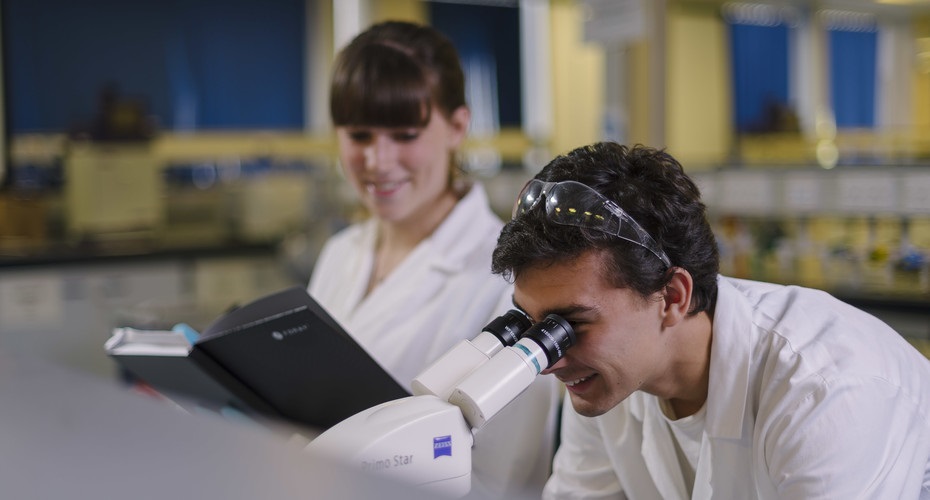
We believe every student benefits from being part of a research-led culture and being taught by experts. You will discuss the very latest ideas in seminars and tutorials and be an active member of a research team. Our academics bring their results from the laboratory and the field directly to their teaching, and our students also help to collect this data. The complementary expertise of our staff ensures a vibrant, collaborative research culture within our research groups, made up of researchers at all stages, from Masters to Post-doctoral scientists.
Our staff have close links with a wide range of industrial, medical and conservation organisations, with whom there may be the chance to collaborate for your final year research project. Many of our students work with these organisations during their vacations and others build experience through one of our four-year programmes with industrial experience.
Assessment
Your first year does not count towards your final degree classification, but you do have to pass it in order to progress. All marks after your first year count towards your final classification.
Modules are assessed using a variety of methods including essays, exams, presentations, laboratory reports and a dissertation.
Academic support
As well as more than 15 hours per week of direct contact time with your lecturers, all students have a personal tutor who is available for advice and support throughout your studies. There are also a number of services on campus where you can get advice and information, including the Students’ Guild Advice Unit.
Facilities
Over the course of your degree programme, you will have access to our multi-million pound teaching, learning and research facilities, including our:
- State-of-the-art teaching laboratories
- World-class Aquatic Resources Centre
- State-of-the-art bioimaging facility, incorporating confocal and electron microscopy
- Next-generation DNA sequencing and mass spectrometry facilities
- Plant growth rooms and greenhouse facilities
Optional modules outside of this course
Each year, if you have optional modules available, you can take up to 30 credits in a subject outside of your course. This can increase your employability and widen your intellectual horizons.
Minors: Future Skills Pathways
You can study a Future Skills Pathway alongside your main degree by choosing up to 30 credits of modules from a different subject area in your second and final years.
Your future with an MSci in Biochemistry
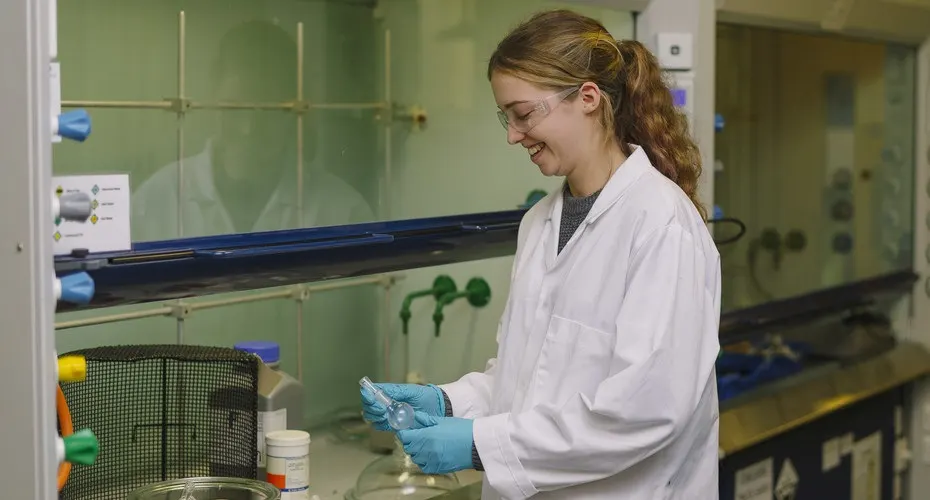
A degree in Biochemistry will help you to develop a wide range of essential skills such as analytical problem solving, team work and organising and communicating information. Whatever you choose to do after graduation, your Biosciences degree will stand you in good stead, with excellent employment prospects and transferable skills.
Supporting your career in Biosciences
Each year Biosciences students are able to access a huge range of opportunities to support their future career options. Sector related careers and employability sessions are put on for the students over the course of their programme which include: career talks and networking events with visiting alumni and employers from a range of backgrounds, employability seminar series events hosted by employers, ‘Dragons Den’ style assessment days, mock interviews and an annual Careers Fair where students can develop networking skills.
Careers services
We have a dedicated, award-winning Careers Service ensuring you have access to careers advisors, mentors and the tools you need to succeed in finding employment in your chosen field on graduation. We offer the Exeter Award and the Exeter Leaders Award which include employability-related workshops, skills events, volunteering and employment which will contribute to your career decision-making skills and success in the employment market.
The University of Exeter has an excellent reputation with graduate recruiters and our students and graduates compete very successfully in the employment market. Whatever path you wish to follow, we’re here to help and support you with all your career and employability needs.
Career paths
Many of our graduates are employed in discipline relevant roles in the UK and overseas including laboratory-based positions, conservation management, ecology, teaching and nursing. Others use the skills gained on their course to enter widely different career paths in law, business or management.
Below are a few examples of initial jobs undertaken by graduates from our Biosciences undergraduate programmes*.
Recent graduates are now working as:
- Laboratory technicians
- Chartered and certified accountants
- Biochemists and biomedical scientists
- Teaching professionals
- Project support officers
- Authors, writers and translators
- Biological scientists
- Natural and social science professionals
- Chemical scientists
- Taxation experts
Recent graduates are now working for:
- Cawood Scientific
- Centrica
- Deloitte LLP
- Environment Agency
- Institute Of Physics Publishing Ltd
- Menarini Diagnostics
- Met Office
- NHS
- PA Consulting
- Thames Water
*This information has been taken from aggregating the responses from full-time, first degree, UK domiciled students who completed 2017/18 and 2018/19 Graduate Outcomes surveys. Please note that, due to data protection, the job titles and organisations are listed independently and do not necessarily correspond.
Find out more about studying at Exeter








Sign-up for more information about studying with us
If you're thinking about studying MSci Biochemistry with us, signing up to our emails is the best way to discover if we’re the right university for you.